What happens when silence is no longer an option? When the weight of unspoken truths becomes too heavy, and the need to declare "I am here" erupts with undeniable force? This question beats at the heart of Marlon Riggs' staggering 1989 documentary essay film, Tongues Untied. Encountering this film back in the day, likely on a worn VHS tape passed between friends or discovered in the back corner of a more adventurous video store, felt less like watching a movie and more like receiving a transmission – raw, urgent, and utterly unforgettable. It wasn't standard Friday night rental fare; it was an event, a confrontation, a necessary testament smuggled into homes via the humble videotape.
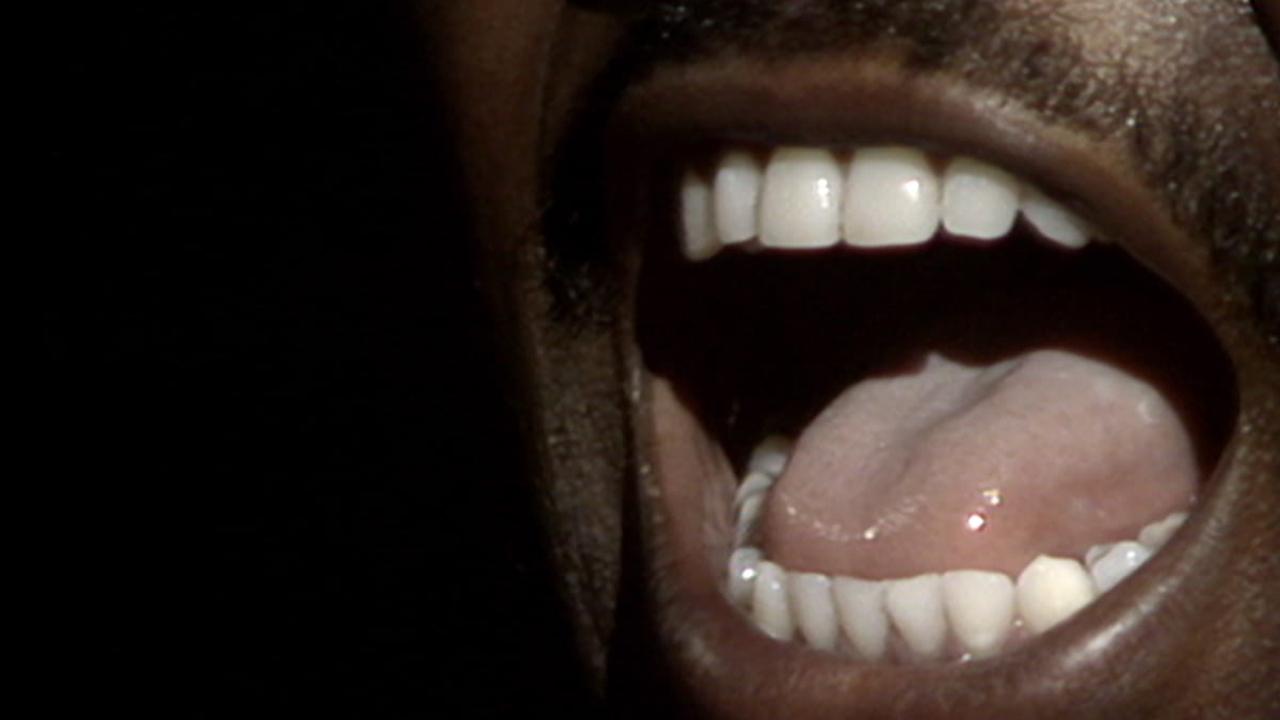
An Unflinching Mirror
Riggs, who not only directed and wrote but also appears prominently, crafts something that defies easy categorization. Part performance art, part poetry reading, part piercing social commentary, Tongues Untied gives voice to the complex, often marginalized experiences of Black gay men in America. It refuses neat narratives or comforting resolutions. Instead, it dives headfirst into the painful intersections of racism and homophobia – the feeling of being unwelcome in white gay spaces and simultaneously facing prejudice within the Black community. Riggs uses his own story, alongside powerful poetic contributions from collaborators like Essex Hemphill and Kerrigan Black, to paint a picture that is at once deeply personal and broadly resonant. The film's aesthetic mirrors its message: shot primarily on video, it has an immediacy, a rawness that feels authentic and urgent, a world away from the polished sheen of Hollywood.
Poetry, Pain, and Power
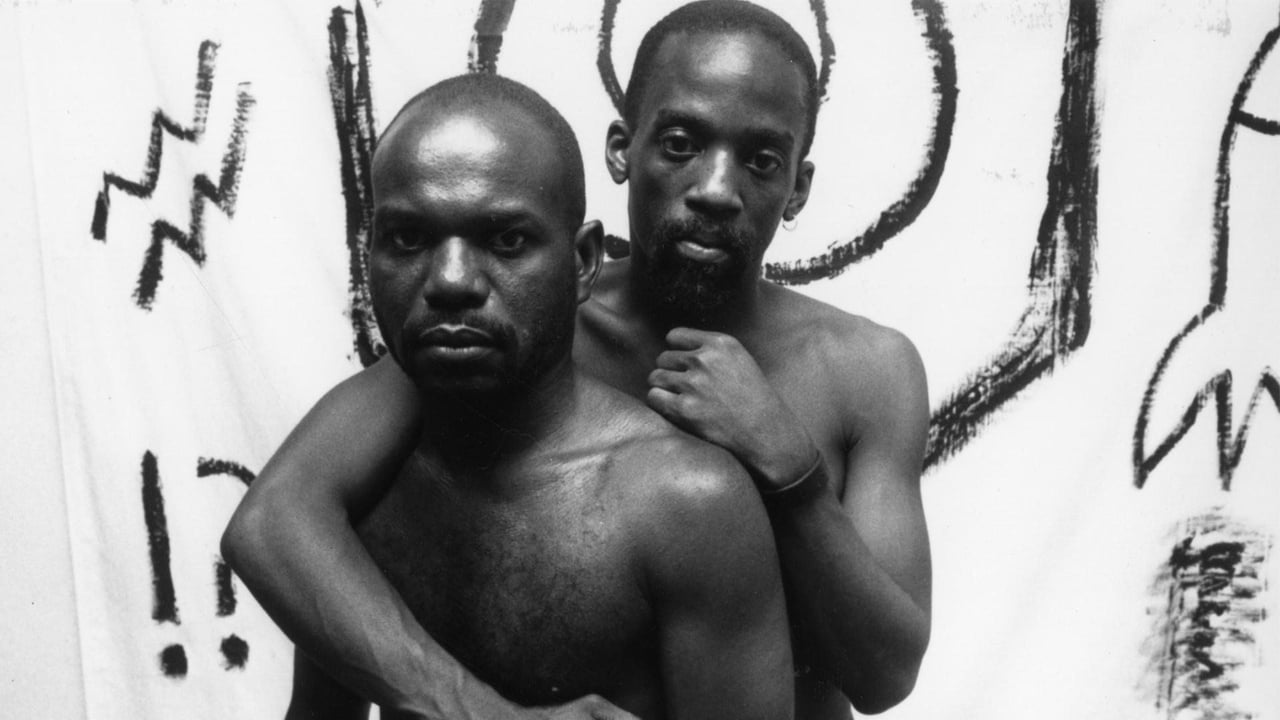
The film weaves together different strands: Riggs speaking directly to the camera, his voice filled with a potent mix of vulnerability and anger; scenes capturing the rhythms and rituals of Black gay life, from the defiant snaps of vogueing culture ("Snap diva, snap!") to intimate moments of connection; archival footage providing historical context; and, crucially, the soul-baring poetry of Essex Hemphill. Hemphill's recitations, particularly, land with devastating precision, articulating the specific hurts and hopes of a community fighting for visibility. Watching Marlon Riggs recount experiences of prejudice, his honesty is almost startling. There's no flinching away, no attempt to soften the blow. This authenticity is the film’s bedrock – it's why it felt so radical then, and why it retains its power now. You feel the weight of his experience, the courage it took to lay it bare.
Echoes of the Culture Wars: Retro Fun Facts
It's impossible to discuss Tongues Untied without remembering the firestorm it ignited. Completed with the help of a modest $5,000 grant from the National Endowment for the Arts (NEA), it became Exhibit A for conservative critics like Senator Jesse Helms during the ferocious "culture wars" of the late 80s and early 90s. They decried its content as obscene and demanded the NEA be defunded. When PBS's P.O.V. series acquired the film for broadcast in 1991, numerous affiliate stations refused to air it, citing viewer complaints or controversial content. This controversy, ironically, likely amplified its reach within certain communities, turning VHS copies into coveted items, passed hand-to-hand, symbols of resistance against censorship. Riggs himself, already battling the health challenges that would tragically claim his life from AIDS complications just a few years later in 1994, bravely defended his work and the necessity of telling these stories. The film wasn't just art; it was an act of political defiance made tangible on magnetic tape.
Beyond Anger: Finding Joy and Community
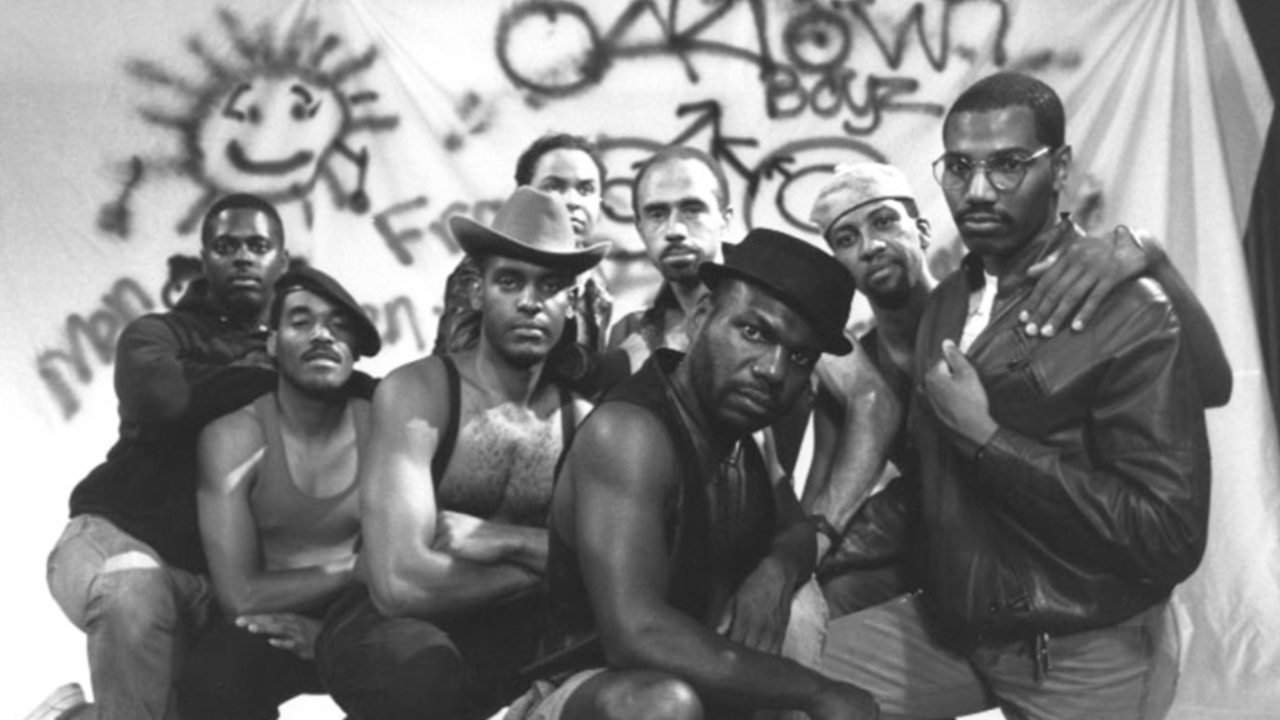
While anger and pain are palpable throughout Tongues Untied, reducing it to only that misses the crucial currents of resilience, joy, and profound love that also flow through it. The film celebrates Black gay culture, language, and expression. The scenes depicting brotherhood, the reclamation of slurs, the sheer expressive power of dance and gesture – these are affirmations of existence, declarations of pride in the face of overwhelming hostility. Riggs doesn't just show the wounds; he shows the strength and beauty of the community bearing them. It’s a reminder that even amidst struggle, life, love, and identity flourish. Doesn't this resilience in the face of adversity speak volumes about the human spirit?
A Legacy Unbound
Watching Tongues Untied today, perhaps on a format far removed from the original VHS, its power hasn't diminished. If anything, its bravery feels even more pronounced. In an era before widespread internet communities, this film was a lifeline, a mirror for those who rarely saw themselves reflected, and an education for those outside its specific experience. It challenged viewers, provoked dialogue (and outrage), and fundamentally shifted landscapes in both documentary filmmaking and queer cinema. It remains a landmark work, uncompromising and essential. It asks us to listen, truly listen, to voices that have been systematically silenced.
Rating: 9/10
This score reflects the film's profound cultural significance, its artistic innovation, and its raw, unflinching honesty. It's not an "easy" watch by any measure; its truths are often painful, its form challenging convention. But its importance cannot be overstated. Tongues Untied earns its place not just as a crucial document of its time, but as a timeless testament to the power of speaking truth, even when – especially when – the world tries to enforce silence.
What lingers most isn't just the controversy or the difficult subject matter, but the enduring image of Marlon Riggs and his collaborators standing firm, demanding to be heard, their voices finally, powerfully, untied.