Sometimes, the most unassuming packages contain the most potent truths. Tucked away on a dusty shelf, perhaps mislabelled or nestled among more conventional fare, you might once have stumbled upon a short film that seemed, at first glance, like a quirky educational piece. But Jorge Furtado's 1989 Brazilian masterpiece, Ilha das Flores (Isle of Flowers), is anything but simple. In just twelve minutes, it uses the journey of a single tomato to dismantle notions of value, humanity, and the chilling logic of our economic systems, leaving a mark far deeper than many feature-length epics.
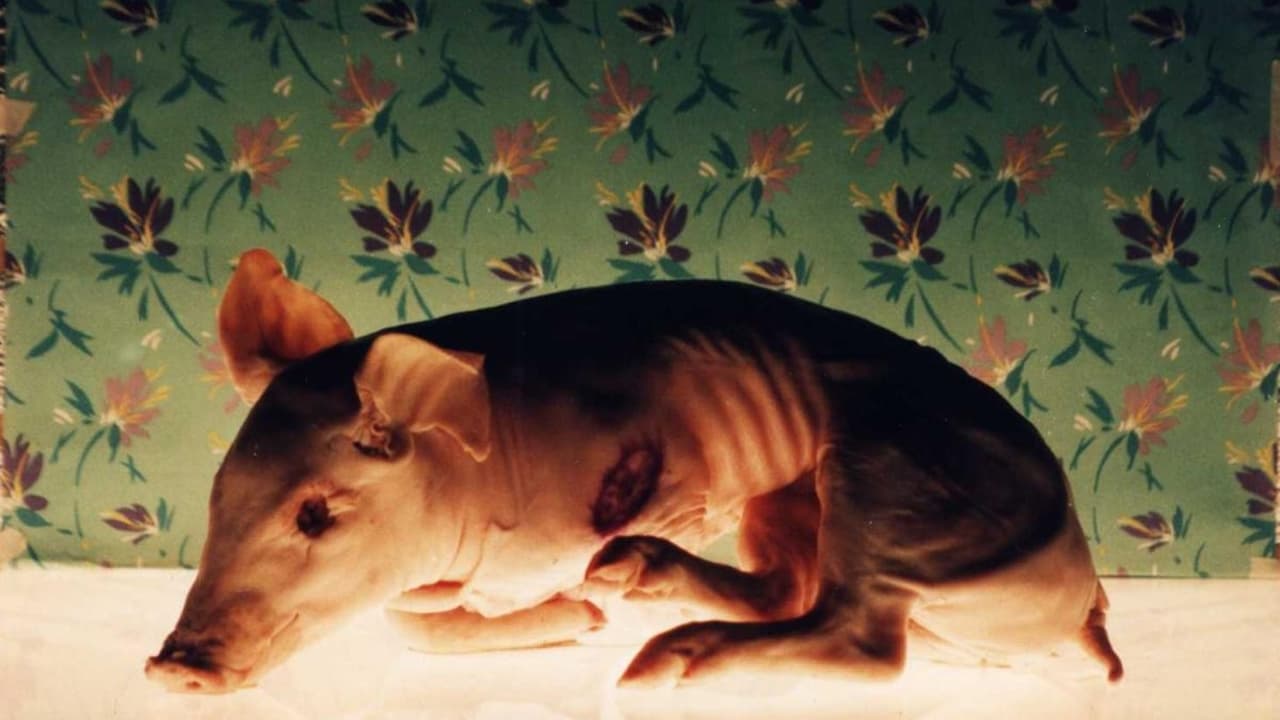
I honestly can't recall exactly where I first saw Isle of Flowers. Was it a late-night TV broadcast? A film festival compilation tape passed among friends? What I do remember is the profound sense of unease, the intellectual whiplash, that settled in as the credits rolled. It felt less like watching a film and more like having the intricate, often absurd, connections of our modern world laid bare with surgical precision.
From Field to Landfill: A Tomato's Tale
The premise is deceptively simple: follow a tomato. We see it grown by Mr. Suzuki, a Japanese-Brazilian farmer, purchased by Mrs. Anete (Ciça Reckziegel) at a supermarket, deemed unfit for her family's sauce, and ultimately discarded. So far, so mundane. But Furtado employs a unique, almost jarringly objective narrative style, delivered with deadpan authority by narrator Paulo José. He defines everything – money, humans, tomatoes, pigs, freedom, God, garbage – with the dispassionate air of an encyclopedia entry. This clinical approach, juxtaposed with increasingly disturbing imagery, becomes the film's central ironic engine.

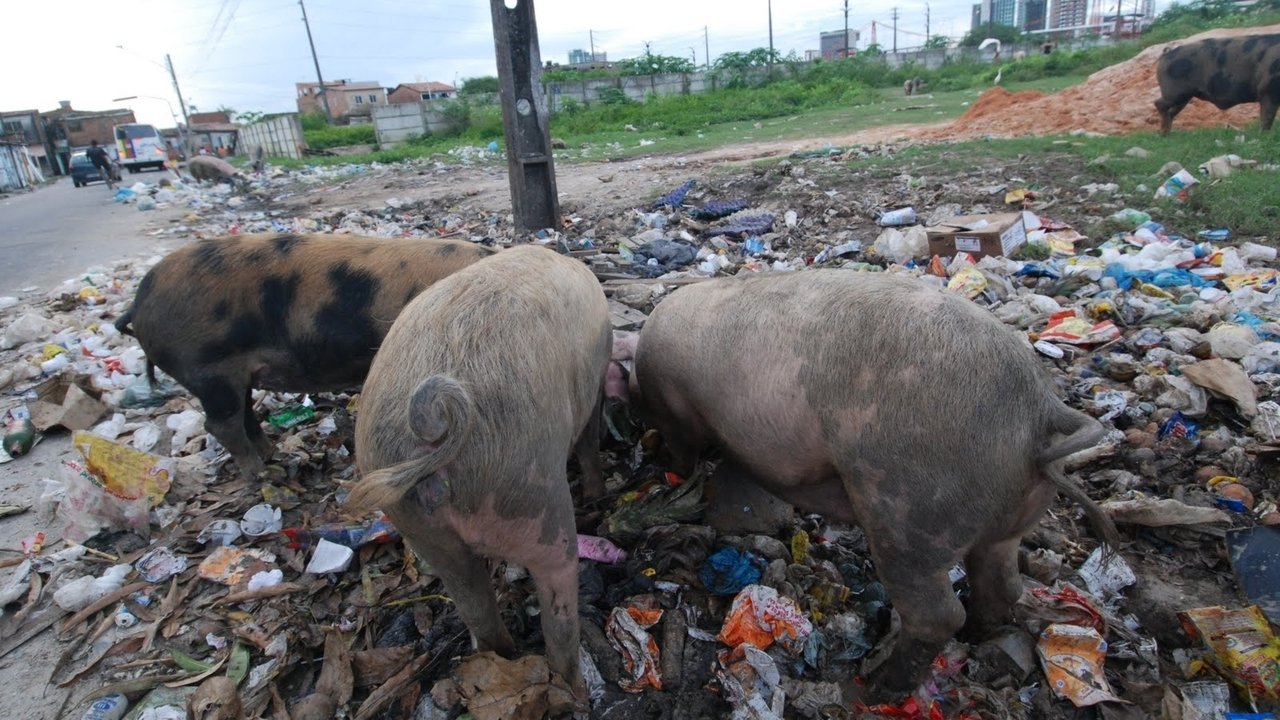
The tomato, along with other refuse, ends up on the titular "Isle of Flowers," a real landfill near Porto Alegre, Brazil, primarily used as a pig farm. Here, Furtado introduces the film’s devastating core concept: the hierarchy of value. The pigs, owned by a man named Senhor Glória, get first pick of the edible garbage. Only after the animals have eaten are the impoverished human families living nearby allowed five minutes to scavenge whatever remains. The narrator calmly explains that these people lack money and land, placing them lower in the economic chain than the pigs.
The Power of Detached Observation
What makes Isle of Flowers so effective is its refusal to sensationalize. There's no swelling orchestral score demanding tears, no impassioned speeches. The camera observes, often employing rapid-fire editing and simple graphics reminiscent of educational programs, while the narration relentlessly defines and categorizes. It presents the horrific reality – humans denied basic sustenance because they lack the 'value' assigned by currency – as a logical, almost scientific outcome of the system.
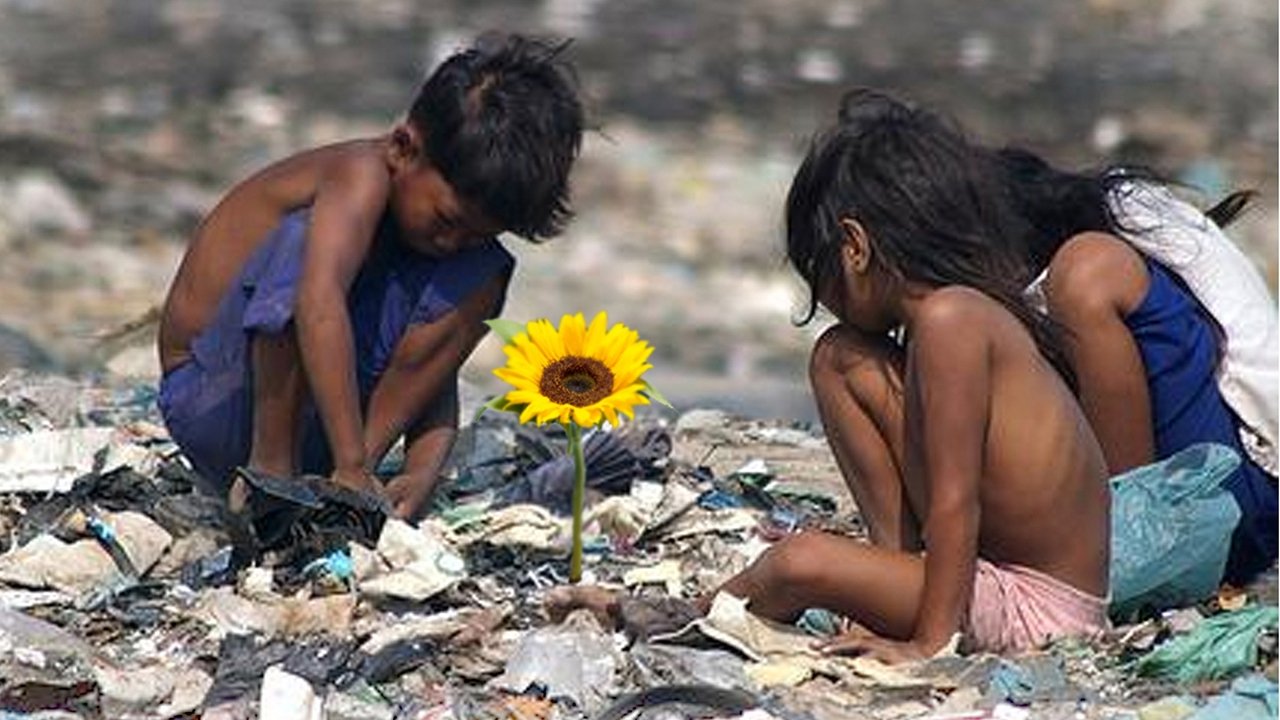
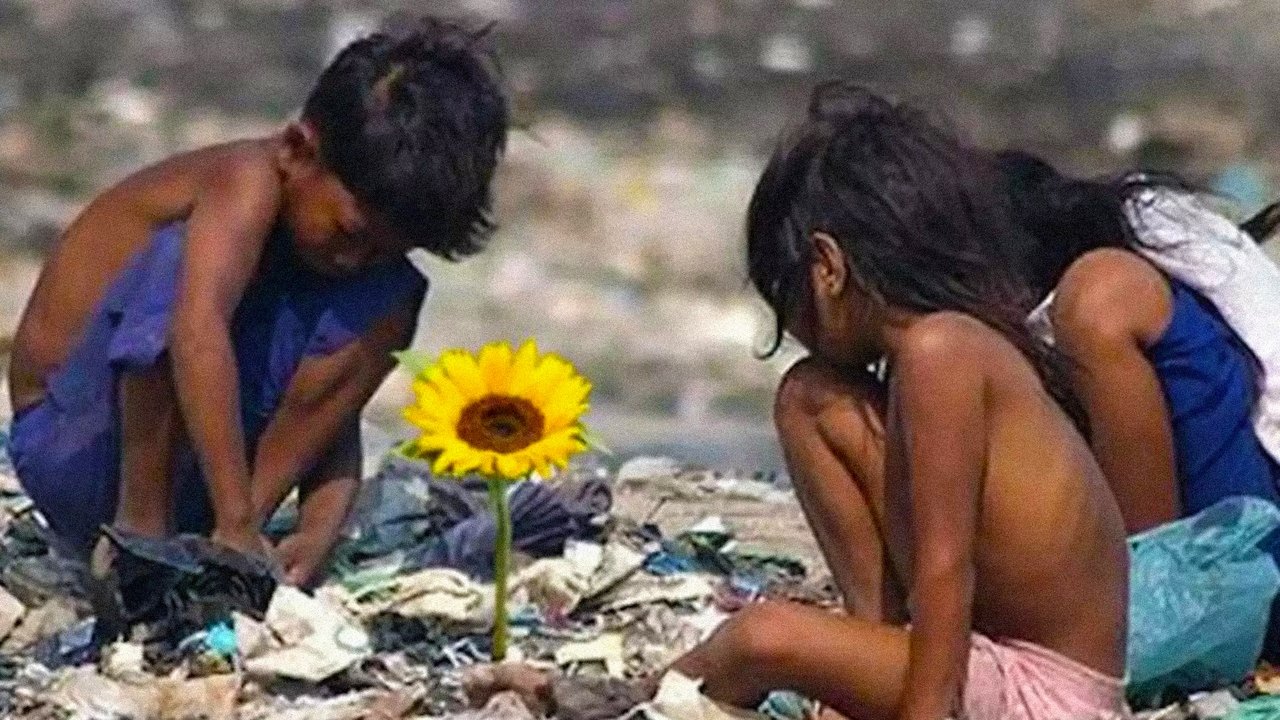
This detachment is precisely what makes it so chilling. We are forced to confront the absurdity. Why is a pig, owned property, considered more valuable in this specific context than a human being? The film doesn't offer easy answers or villains; it simply presents the chain of events, the definitions, the outcomes. The famous line distinguishing humans by their opposable thumbs and highly developed telencephalon becomes bitterly ironic when juxtaposed with their desperate search for discarded food. What good is that superior brain, the film seems to ask, if this is the system it has created?
A Low-Budget Revelation
Shot on 35mm film for a reported budget equivalent to just a few thousand US dollars even back then, Isle of Flowers is a testament to the power of concept and execution over lavish resources. Furtado, who also wrote the sharp script, cleverly uses stock footage, simple animation, and direct observation. It’s said the rapid editing style, packing an astonishing amount of information and visual association into its short runtime, was partly born from the need to make the most of limited film stock.
The film swept awards at festivals, including a Silver Bear for Best Short Film at the Berlin International Film Festival in 1990, bringing international attention to Furtado and this unflinching look at social inequality. Its impact in Brazil was even more significant, becoming a staple in educational settings and sparking countless discussions about poverty, consumerism, and human dignity. It's a reminder that powerful filmmaking doesn't always require Hollywood budgets; sometimes, a clear vision and a sharp perspective are enough.
Lingering Questions
Does Isle of Flowers still resonate today? Perhaps more than ever. In an age of accelerating consumption, widening inequality, and complex global supply chains, the film’s core message feels acutely relevant. It forces us to consider the hidden journeys of the things we buy and discard, and the human cost often obscured by economic definitions. What does it mean to be "human" in a system that quantifies value in purely monetary terms? The film doesn't preach, but it leaves you wrestling with that question long after the final, stark image fades.
It’s not an "enjoyable" watch in the conventional sense. It’s challenging, uncomfortable, and deeply thought-provoking. Yet, finding it again, perhaps digitally this time instead of on a worn-out VHS, feels like reconnecting with a vital piece of cinematic history – a potent reminder delivered with unforgettable, deadpan force.
Rating: 9/10
This near-perfect score reflects the film's brilliant conception, masterful execution within its constraints, unique and unforgettable style, and enduring, devastatingly relevant message. It achieves precisely what it sets out to do with stunning efficiency and intellectual honesty, even if the experience is intentionally unsettling.
Isle of Flowers remains a stark, necessary cinematic statement – a twelve-minute journey that unpacks a lifetime's worth of questions about the world we've built.