There are whispers that still echo down the aisles of memory, past the dusty shelves of long-gone video stores. They spoke of a tape, often kept behind the counter, passed between friends in hushed tones, its cover art promising something forbidden, something real. It wasn't a slasher flick or a creature feature. It was Faces of Death, a grainy window into the abyss that dared you to look away, and few who rented it in the haze of the late 70s and 80s ever truly forgot the experience.

The Pathologist's Gaze
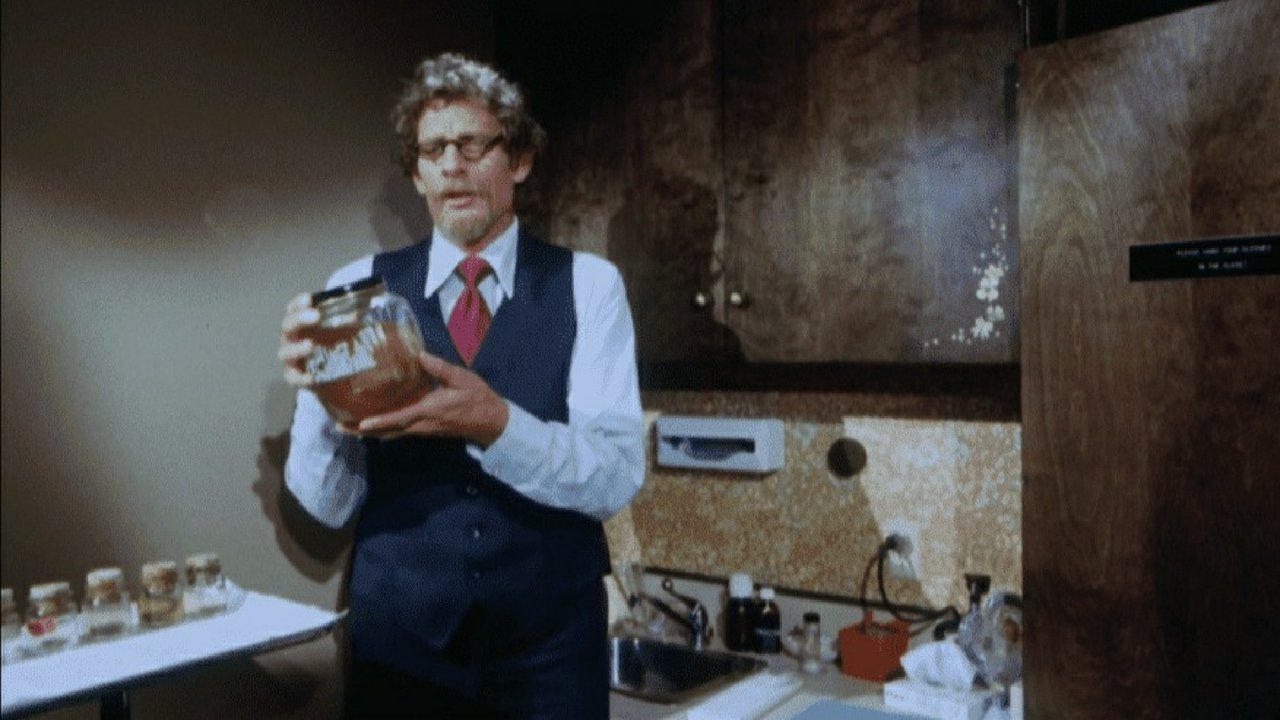
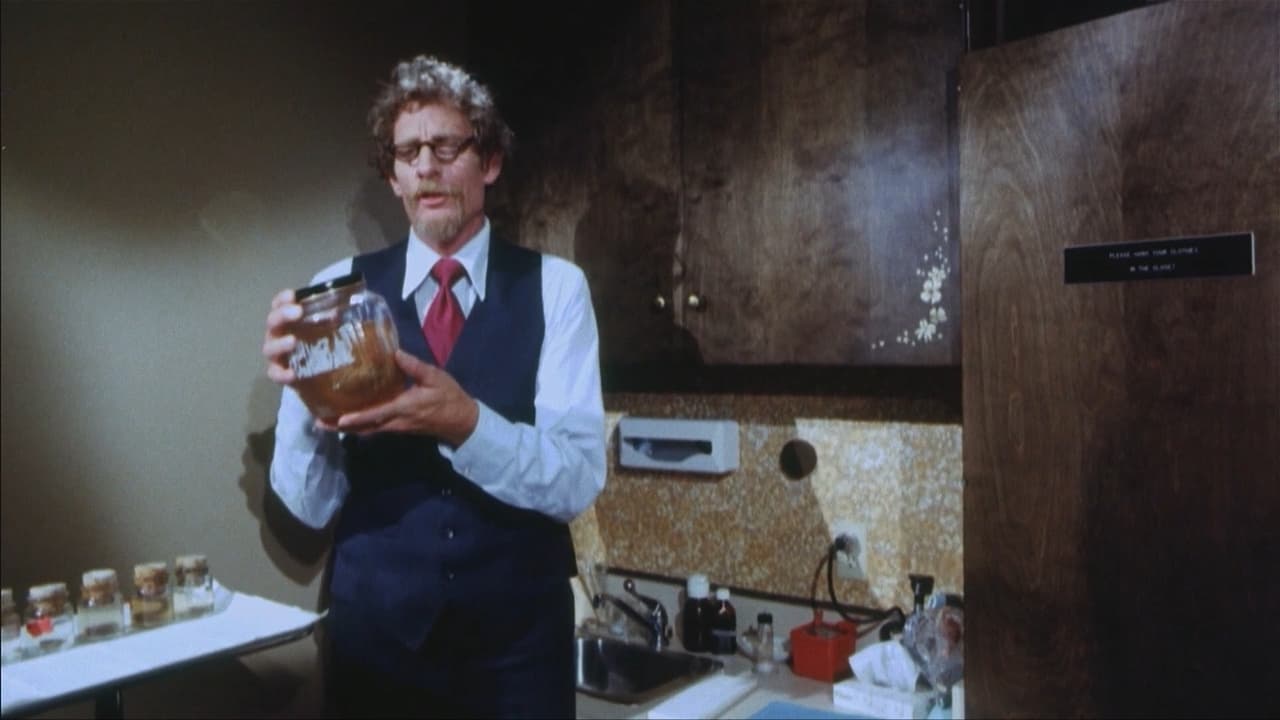
The premise, presented with a chillingly detached narration by the fictitious "Dr. Francis B. Gröss" (Michael Carr), is simple yet profound in its morbid scope: to explore the many facets of death. We are guided through a disjointed tapestry of vignettes, allegedly culled from archives across the globe, showcasing everything from animal predation to accidents, executions, and ritualistic violence. The tone is pseudo-scientific, a thin veneer of academic curiosity stretched taut over base exploitation. Dr. Gröss invites us to confront our mortality, but the film itself seems more interested in confronting our gag reflex.
A Legend Forged in Grain and Controversy
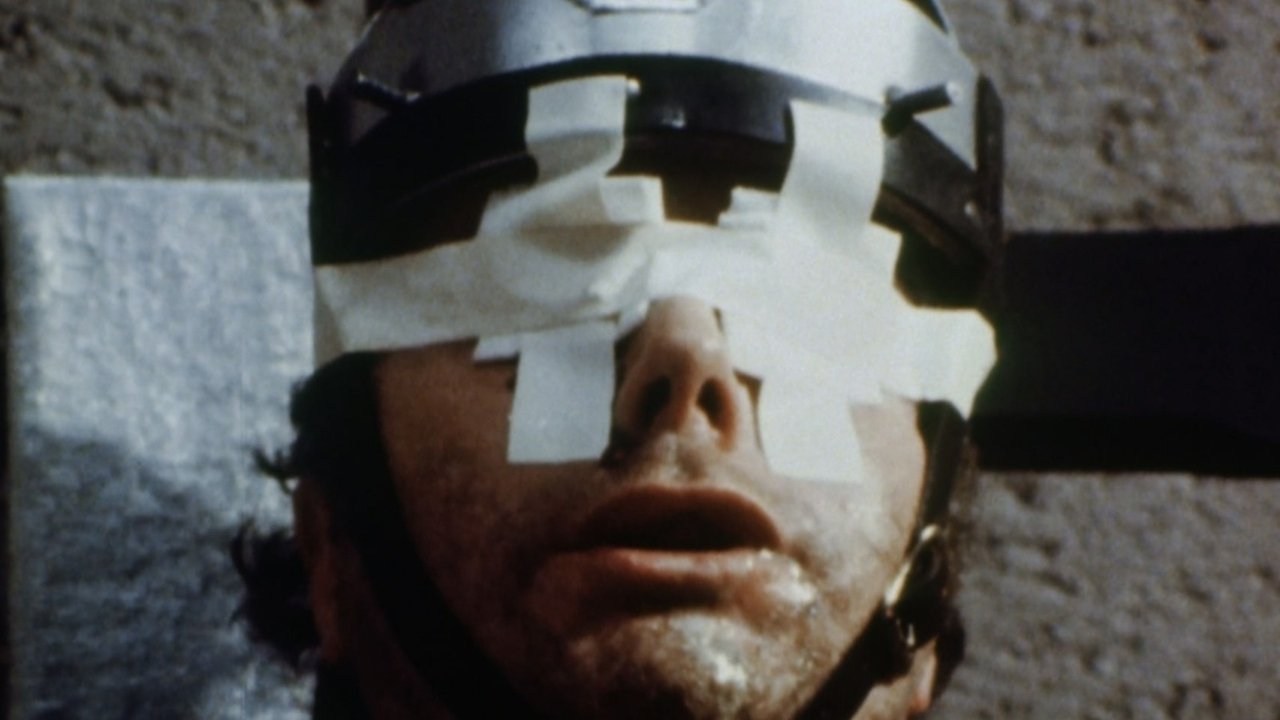
Let's be blunt: Faces of Death is largely a fabrication. Director John Alan Schwartz (working under the pseudonyms "Conan Le Cilaire" for directing and "Alan Black" for writing) crafted a shockumentary designed to blur the lines between reality and gruesome spectacle. That infamous monkey brains scene? Staged, using cauliflower and props, much to the relief of PETA but perhaps the disappointment of gorehounds seeking authenticity. The electric chair execution? Cleverly faked with effects. The alligator attack ending? Also constructed. Schwartz himself admitted years later that roughly 40% of the footage was faked. Reportedly produced for a mere $450,000, the film became a phenomenon on the nascent home video market, grossing an estimated $35 million worldwide – a staggering return built on morbid curiosity and playground dares. It tapped into that pre-internet void where urban legends thrived, and verifying the horrifying images flickering on your CRT screen was nearly impossible. Didn't that seal pup clubbing look distressingly genuine amidst the fakery? That ambiguity was the hook.
The film’s production itself is shrouded in the kind of murky lore fitting its subject matter. Michael Carr, the actor portraying Dr. Gröss, apparently recorded his narration without fully grasping the graphic nature of the final product, adding another layer of unsettling detachment. Securing some of the actual newsreel or archival footage reportedly involved navigating complex, sometimes dubious channels. The legend of the tape grew with every rental, every horrified gasp, every nervous laugh trying to break the tension in a dimly lit living room.
The VHS Ritual
Watching Faces of Death back then felt like an illicit act. The worn clamshell case, the slightly degraded NTSC picture quality, the muffled sound – it all added to the feeling that you were seeing something you shouldn't. It wasn't about cinematic artistry; it was about enduring it, about being able to say you saw it. It was a dare, a test of nerve passed around sleepovers and basement hangouts. Does anyone else remember that specific feeling – the queasy mixture of revulsion and fascination, the way certain images burned themselves onto your brain long after the VCR whirred to a stop? It preyed on the unknown, the whispered possibility that some of it might be real, even if your rational mind screamed otherwise.
More Than Just Shock Value?
While overwhelmingly exploitative, Faces of Death inadvertently documented something else: the burgeoning power of home video to disseminate controversial material outside traditional censorship and distribution channels. It became a benchmark for extreme cinema, spawning countless sequels (many helmed again by Schwartz under various names) and imitators, each trying to recapture that initial lightning-in-a-bottle shock. It faced bans and cuts across the globe, cementing its reputation as taboo viewing. Its legacy isn't in filmmaking technique or narrative depth, but in its raw cultural impact as the video nasty progenitor, the tape everyone heard about, dared each other to watch, and debated endlessly. Did it desensitize viewers, or merely reflect a pre-existing, albeit dark, human curiosity?
Final Judgment
Faces of Death is a difficult film to rate conventionally. As a piece of documentary filmmaking, it's ethically bankrupt and largely fraudulent. As a piece of cinema, its construction is crude, its pacing uneven, and its tone relentlessly grim. Yet, as a cultural artifact, a time capsule of VHS-era morbid fascination and exploitation filmmaking, its significance is undeniable. It’s a grimy, uncomfortable watch that tapped into something primal, leveraging the limitations and mystique of the video format to become a legend.
Rating: 3/10
Justification: The score reflects the film's technical and ethical failings – it's poorly made, deliberately misleading, and purely exploitative. However, the points are awarded almost entirely for its undeniable historical impact as a cult phenomenon, its role in the "video nasty" era, and the sheer audacity (however misplaced) of its concept, which generated a notoriety few films achieve. It's a benchmark in shockumentary history, for better or worse.
It remains a fascinating, if repellent, relic – a testament to a time when grainy footage and whispered rumors could create a myth that felt terrifyingly real, flickering under the pale glow of a television screen late at night.