Okay, settle in. Sometimes a film doesn't just flicker across the screen; it grabs you by the collar, shakes you awake, and leaves an indelible mark. It’s maybe a year or two past our usual 80s/90s hunting grounds here at VHS Heaven, but Alejandro González Iñárritu’s blistering debut, Amores Perros (2000), arrived with such raw, untamed energy that it felt instantly connected to the kind of visceral, independent filmmaking spirit we often celebrated finding on those well-worn rental tapes. Forget glossy Hollywood packaging; this felt like grabbing a bootleg signal from a world away, beamed directly into your VCR.

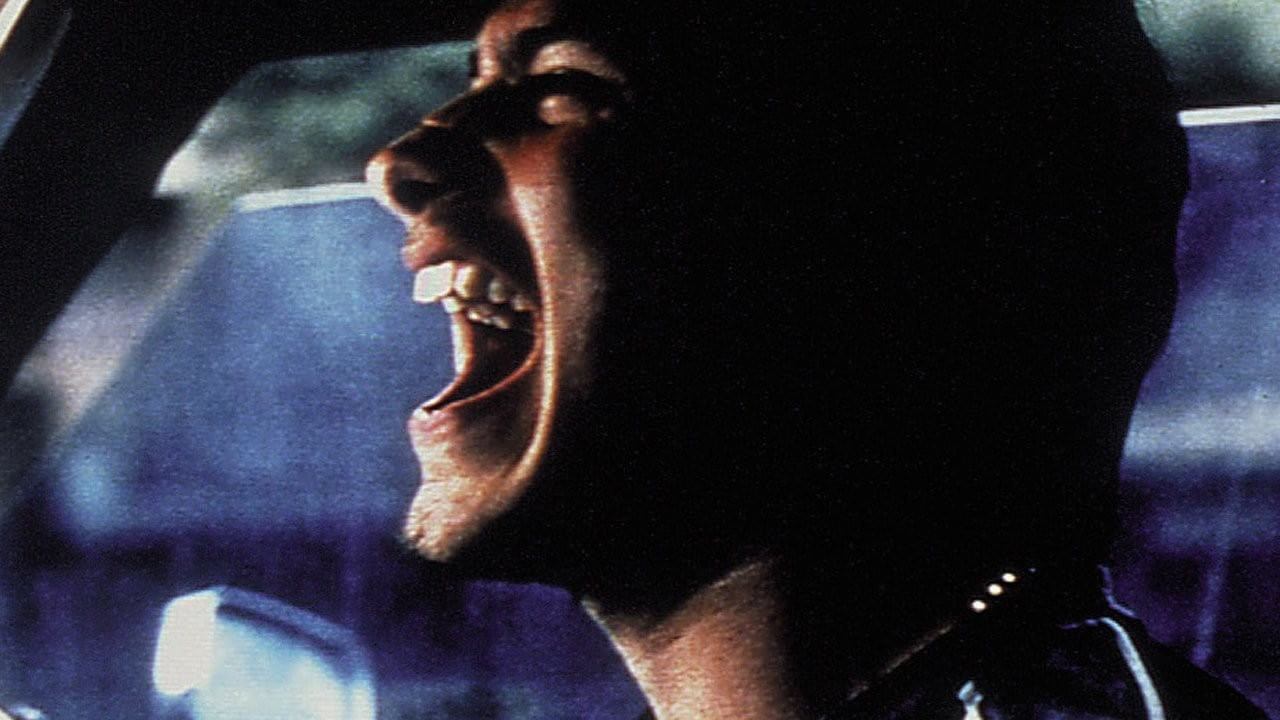
The film hits like a physical blow right from the start – a frantic car chase through Mexico City streets, bloodied dogs in the back, panic etched on the driver's face. It culminates in a devastating crash, an intersection of fates that ripples outwards, binding together three disparate stories. This isn't just a plot device; it’s the film's thesis statement: lives colliding, often violently, in the sprawling, indifferent metropolis.
### Intersecting Lives, Shared Wounds
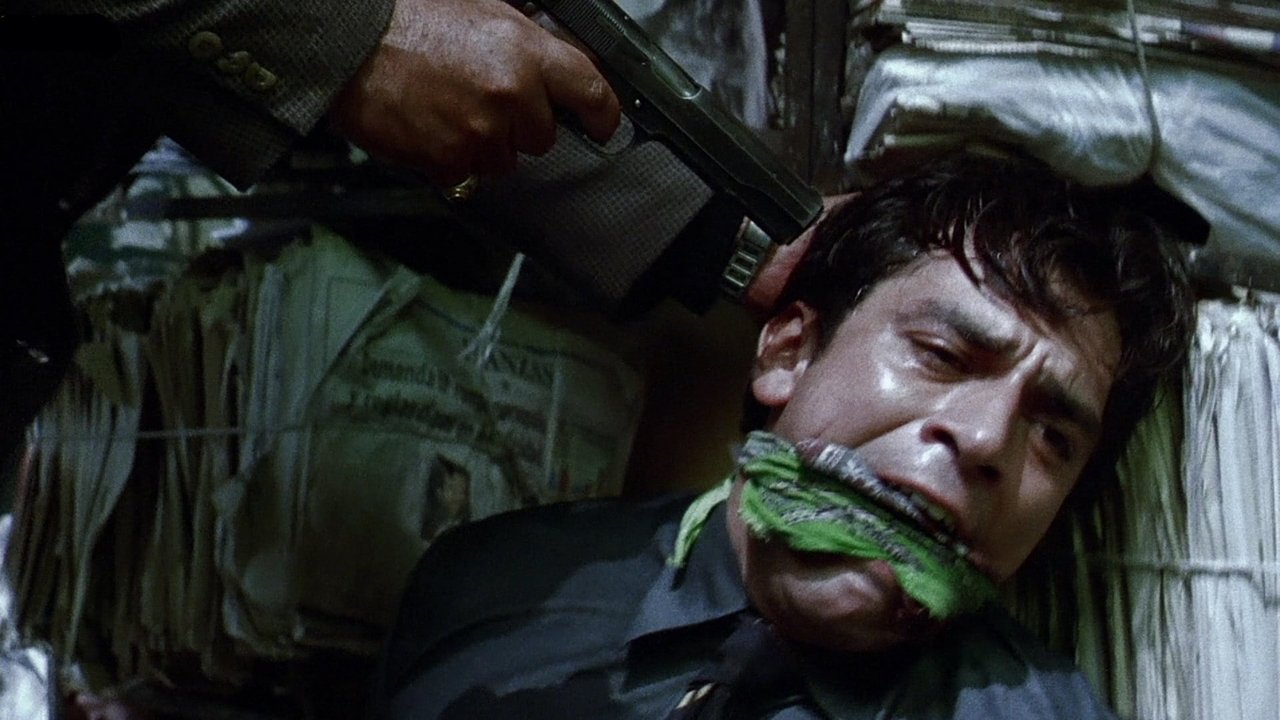
Writer Guillermo Arriaga masterfully constructed a triptych narrative long before it became a more common trend. We follow Octavio (Gael García Bernal in a star-making turn), desperate to escape his grim life by entering his beloved dog Cofi into the brutal world of underground dog fighting, all while hopelessly entangled with his brother's abused wife. Then there's Valeria (Goya Toledo), a successful model whose seemingly perfect life unravels horrifically after the accident, trapping her in her luxury apartment with her small dog, Richie. Finally, we meet El Chivo (Emilio Echevarría), a disillusioned ex-guerilla living as a vagrant hitman, observing the city's chaos while surrounded by stray dogs, whose path intersects tragically with the others. Each story explores different facets of love – obsessive, idealized, lost – and the often brutal ways humans (and animals) treat each other.

### Grit, Sweat, and Authenticity
What truly sets Amores Perros apart is its ferocious commitment to realism. Iñárritu, drawing perhaps from his background in radio and advertising, directs with a kinetic, almost documentary-like intensity. The camera work is restless, often handheld, plunging us directly into the grime, the noise, the heat of Mexico City. This isn't a tourist's view; it's the city lived-in, warts and all. You can almost smell the streets, feel the desperation hanging in the air. It's a film that understands environment is character. The editing is sharp, cross-cutting between storylines in ways that heighten tension and underscore thematic connections, reminding us how close joy and tragedy often coexist.
The performances are uniformly breathtaking in their lack of vanity. Gael García Bernal, barely out of his teens, embodies Octavio's youthful recklessness and simmering rage with startling conviction. You see the dreams warring with the grim reality in his eyes. Goya Toledo charts Valeria's descent from glamorous heights to agonizing despair with harrowing vulnerability. And Emilio Echevarría... his portrayal of El Chivo is a masterclass in haunted stillness. His weary eyes hold the weight of a violent past and a flicker of yearning for redemption. There’s a truthfulness here that feels less like acting and more like bearing witness.

### Dogs, Dollars, and Debut Dynamite
Digging into the making of Amores Perros reveals the kind of scrappy, passionate filmmaking we love. Made for a relatively modest $2 million USD, it became a global phenomenon, grossing over $20 million USD worldwide and snagging an Oscar nomination for Best Foreign Language Film. It effectively kicked off what some called the "Mexican New Wave" in cinema. Iñárritu and Arriaga would continue their fractured narrative explorations with 21 Grams (2003) and Babel (2006), though their partnership eventually dissolved acrimoniously.
The dog fighting scenes remain controversial, though the production insists extensive precautions and supervision from animal welfare groups were in place, using techniques like muzzled dogs, clever editing, and safe harnesses to simulate the fights. Still, their raw depiction is key to the film's exploration of brutality and loyalty, forcing us to confront uncomfortable parallels between human and animal behaviour. It's fascinating to note that Iñárritu reportedly financed early development himself after established producers balked at the script's dark themes and complex structure. Talk about betting on yourself! Its premiere at the Cannes Film Festival's Critics' Week, where it won the Grand Prize, instantly put it, Iñárritu, and Bernal on the international map.
### Why It Still Bites
Watching Amores Perros today, its power hasn't diminished. Yes, the visual style might feel familiar now, having been imitated countless times, but the emotional core remains potent. It asks difficult questions about love's destructive potential, the invisible lines of class and fate, and the desperate measures people take for connection or survival. Can love truly redeem, or does it merely mask deeper wounds? How responsible are we for the chain reactions our choices set off? The film doesn't offer easy answers, leaving you wrestling with the characters' struggles long after the credits roll. It’s a film that feels both specific to its time and place, yet universal in its depiction of human fallibility.
It may have arrived at the dawn of the DVD era, but its spirit—raw, challenging, unforgettable—feels perfectly at home among the impactful discoveries we used to make scanning those video store shelves. It’s a reminder that sometimes the most powerful stories are the ones that don't flinch.
Rating: 9/10
This rating reflects the film's masterful storytelling, powerhouse performances, and undeniable cinematic impact. While the unflinching brutality can be difficult, its technical brilliance, thematic depth, and raw emotional honesty make it a landmark achievement. Amores Perros isn't just a movie; it's an experience – chaotic, heartbreaking, and impossible to forget, a visceral howl from the turn of the millennium that still echoes loudly.