Alright, fellow tape travelers, let’s rewind to 1997. The Mighty Morphin’ frenzy had cooled slightly from its absolute peak, but the Power Rangers were still a force of nature on playgrounds and TV screens everywhere. After the surprisingly ambitious (and let's face it, pretty fun) Mighty Morphin Power Rangers: The Movie in 1995, the stage was set for another big-screen adventure. What we got was… well, it was definitely something. Buckle up, because we're shifting into Turbo: A Power Rangers Movie.
### From Zeo Crystals to Turbo Keys
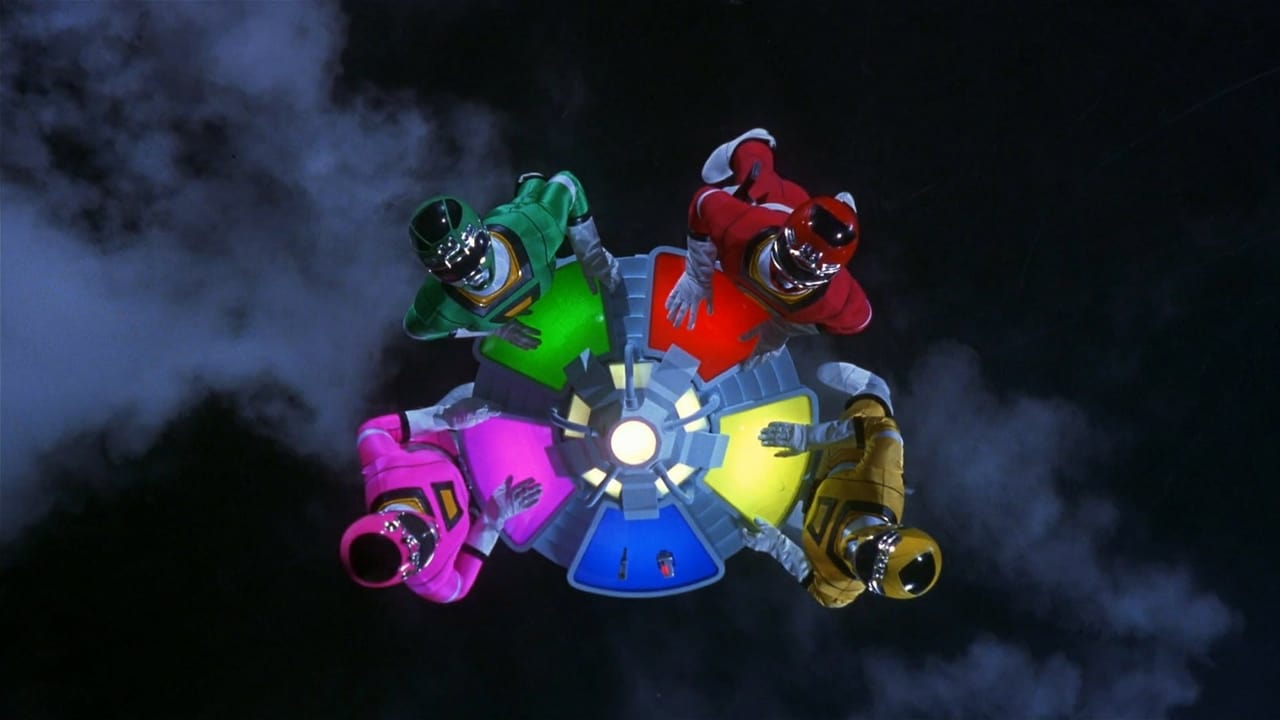
If you were following the show religiously back then, you’ll remember the Power Rangers Zeo season had just wrapped up, leaving our heroes more powerful than ever. Turbo acts as the bridge, the handover, the slightly awkward moment where the franchise decided to swap ancient powers and mystical crystals for… high-performance automobiles. It’s a jarring shift, no doubt, and one that kicks off with the arrival of Lerigot, a diminutive, wizard-like alien fleeing the gloriously over-the-top space pirate, Divatox. Played with scenery-chewing relish by Hilary Shepard Turner, Divatox wants Lerigot’s magical key to unleash a lava demon named Maligore onto an unsuspecting Earth. Standard Tuesday for the Power Rangers, right?
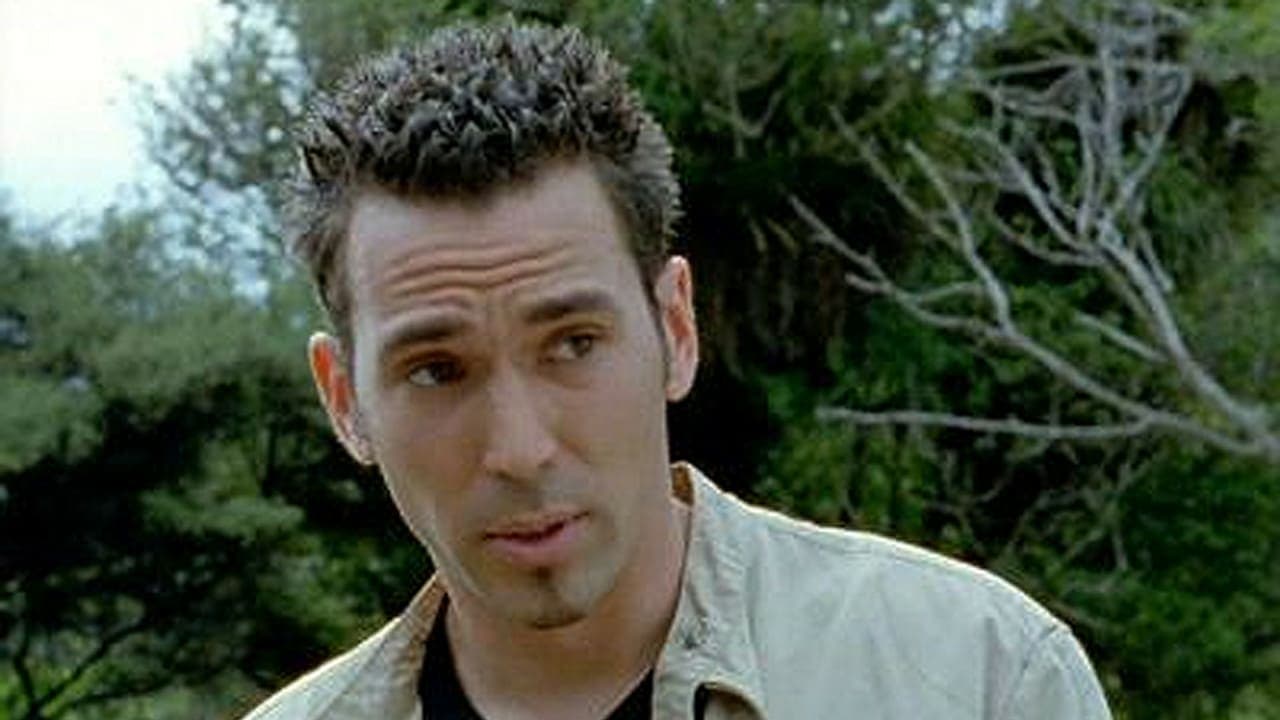
The plot itself feels somewhat thinner than its predecessor, more like an extended TV episode with a slightly bigger budget (around $15 million, a step down from the first film's estimated $20 million). Directed by franchise co-creator Shuki Levy and David Winning, the film whisks Tommy (Jason David Frank, the perennial Ranger legend) and Kat (Catherine Sutherland, stepping up after Amy Jo Johnson's departure) off on a quest, while the remaining Rangers deal with Divatox's initial attacks. It’s fast-paced, full of bright colours, and packed with that signature Power Rangers blend of martial arts, creature feature weirdness, and earnest heroism.
### Passing the Torch (and the Steering Wheel)
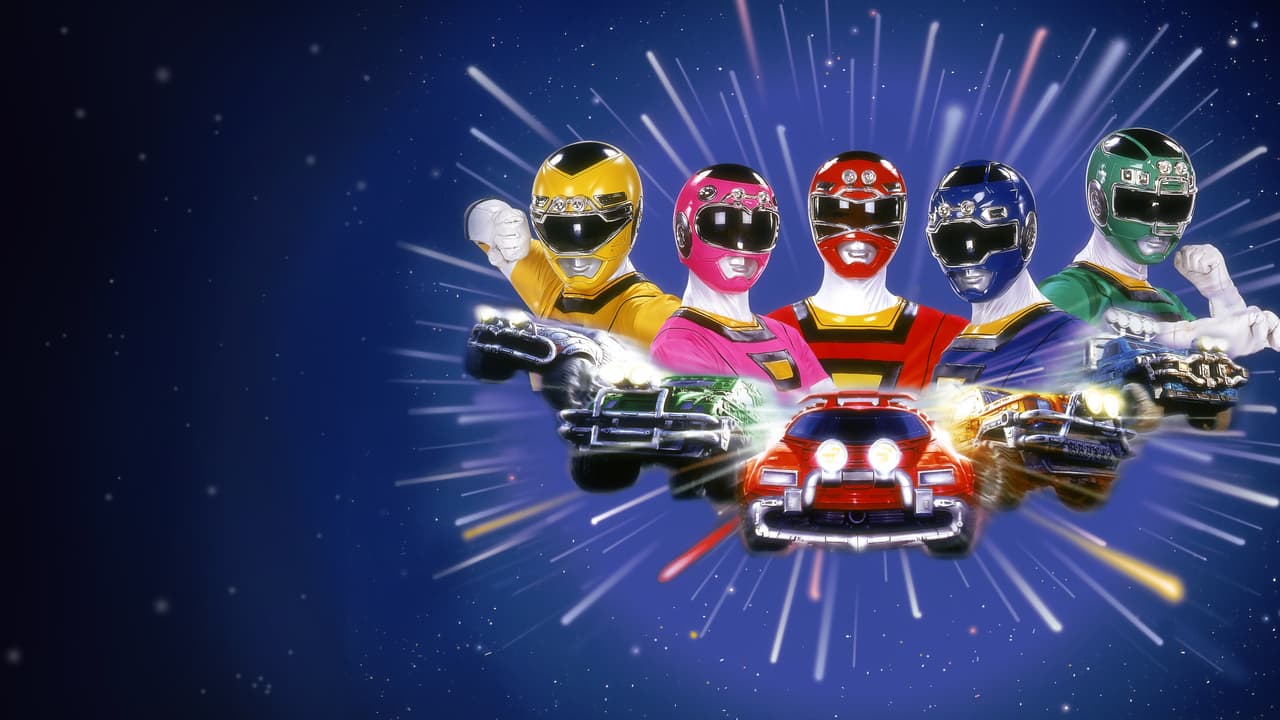
One of Turbo's main functions was facilitating a cast transition. While Jason David Frank and Johnny Yong Bosch (as Adam Park) were familiar faces, this film marked the final Ranger appearances for Catherine Sutherland (Kat Hillard) and Nakia Burrise (Tanya Sloan) before they passed on their powers in the subsequent TV series. Their departure paves the way for new recruits, including Cassie Chan and Ashley Hammond, who are introduced here pre-Ranger roles alongside former bully Bulk's new sidekick, Skull's replacement... sort of.
But the biggest change, and arguably the most controversial element for many fans at the time, was the introduction of Justin Stewart, played by Blake Foster. Yes, a twelve-year-old kid becomes the Blue Turbo Ranger. While Foster brings enthusiasm, the logic of putting a child into these high-stakes battles always felt… questionable. It was a bold swing, clearly aimed at directly engaging the younger demographic, but it definitely altered the team dynamic and remains a point of contention among longtime fans. Still, remember the collective gasp when Rocky (Steve Cardenas) injured himself during training early on, paving the way for Justin’s unexpected morph? It was certainly a memorable twist.

### Divatox, Demons, and Detroit Steel
Let's talk about the villains. Divatox is pure 90s camp – flamboyant, demanding, prone to dramatic pronouncements from her submarine base (because why not?). She’s a far cry from the stoic menace of Ivan Ooze from the first film, leaning heavily into the more cartoonish villainy typical of the TV series. Her plan involves sailing through the Nemesis Triangle (Bermuda Triangle's gnarlier cousin, apparently) to reach the island of Muiranthias and sacrifice Lerigot's family to Maligore. It’s bonkers, but Hilary Shepard Turner (and Carla Perez, who took over the role in the TV series) seems to be having an absolute blast.
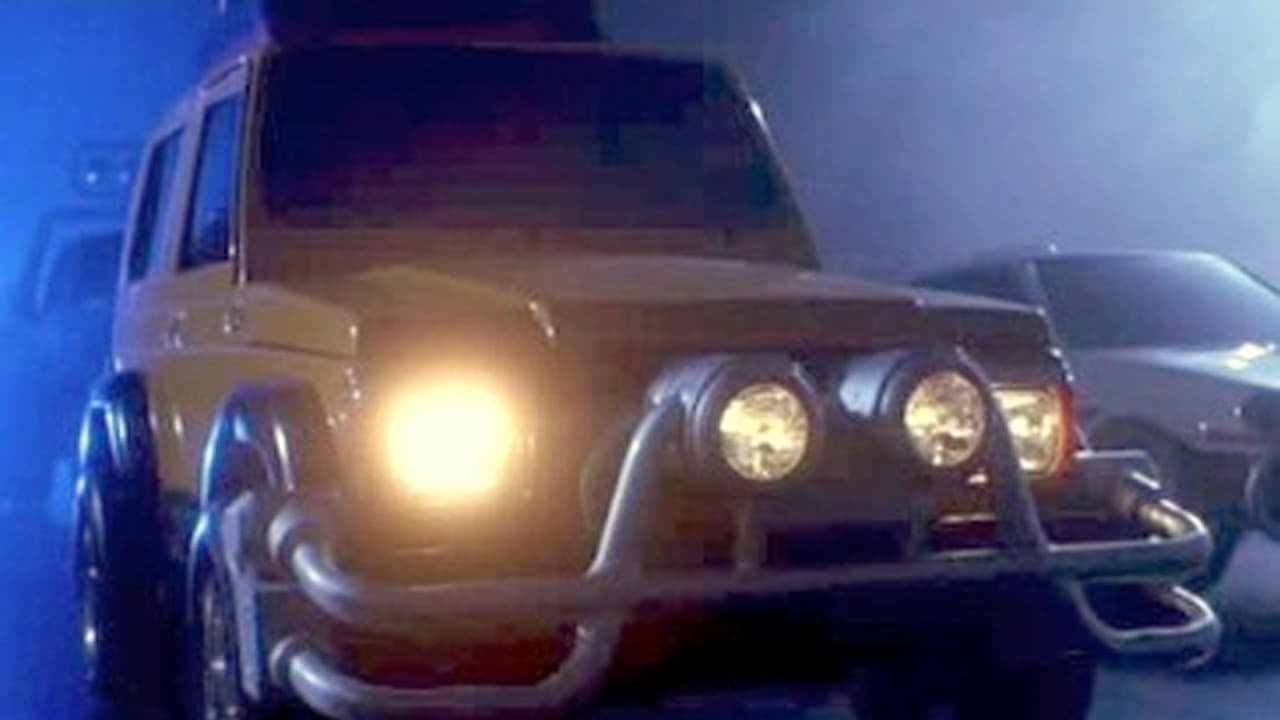
The action sequences retain that Power Rangers charm. Expect plenty of sparks flying off Putrapod bodies, choreographed flips, and, of course, the arrival of the Turbo Zords. Gone are the dinosaurs and mythical beasts; now we have race cars, monster trucks, and vans transforming into giant robots. The Zord designs feel a bit less cohesive than previous iterations, perhaps reflecting their origins in the Japanese source material, Gekisou Sentai Carranger – which, interestingly, was a parody of the Sentai genre itself. This might explain some of Turbo's slightly goofier tone compared to Zeo. The practical effects and miniature work are serviceable for the time, capturing that tangible quality we loved on our CRT screens, even if they don’t quite match the scale of the 1995 movie. That final battle against Maligore has its moments, even if it feels a tad rushed.
### Retro Fun Facts & Franchise Fuel
Turbo didn't exactly set the box office alight, grossing only around $9.6 million worldwide against its $15 million budget. Critically, it fared even worse (currently sitting at a frosty 15% on Rotten Tomatoes). It was clear the big-screen formula wasn't quite clicking this time around. Yet, despite its flaws and lukewarm reception, the film served its purpose within the sprawling Power Rangers narrative. It successfully launched the Power Rangers Turbo television series, introduced new characters, established Divatox as the season's primary antagonist, and cemented the controversial shift to the automotive theme. For fans deeply invested in the lore, it was essential viewing, even if it felt like a slight downgrade from the theatrical heights of the first movie. And who could forget the film's tagline: "Shift Into Turbo!" – simple, direct, and perfectly capturing the 90s vibe.
### Final Spin
Watching Turbo: A Power Rangers Movie today is a curious experience. It’s undeniably dated, occasionally nonsensical, and the kid Ranger element still feels a bit jarring. Yet, there’s an undeniable earnestness to it, a commitment to its own colourful, high-energy world. Jason David Frank remains a charismatic anchor, Divatox is a memorable slice of 90s villainy, and the action, while perhaps less polished than its predecessor, still delivers those quintessential Power Rangers beats. It captures a specific moment in the franchise's history – a period of transition and perhaps uncertain footing, but still brimming with that can-do attitude that made us tune in week after week. It wasn't the polished blockbuster follow-up some might have hoped for, but it kept the Ranger train (or car?) rolling.
VHS Heaven Rating: 4/10
Justification: While packed with nostalgic flavour for dedicated Power Rangers fans of the era, Turbo suffers from a weaker plot, a noticeable step down in production value from the first film, and the controversial addition of a child Ranger. Divatox offers campy fun, and it serves its purpose as a bridge to the TV series, but it lacks the broader appeal and polish of its predecessor. It's essential viewing for Ranger historians, but a bumpy ride for casual viewers.
Final Thought: It might not have been running on premium fuel, but Turbo kept the Power Rangers engine turning over, leaving a vapour trail of bright spandex, questionable automotive logic, and pure, unfiltered 90s energy in its wake.