Alright fellow tape travelers, slide that worn copy of Sonic the Hedgehog: The Movie into the VCR slot, ignore the slightly fuzzy tracking lines for a second, and let's talk about one of the strangest, yet undeniably cool, pieces of 90s video game animation to ever grace our CRT screens. Forget the Saturday morning antics for a moment; this 1996 original video animation (OVA) – originally released in Japan as two separate episodes – offered a glimpse into a different kind of Sonic universe, one beamed directly from the Land of the Rising Sun, complete with its own unique flavor and a healthy dose of anime intensity.
### Welcome to Planet Freedom
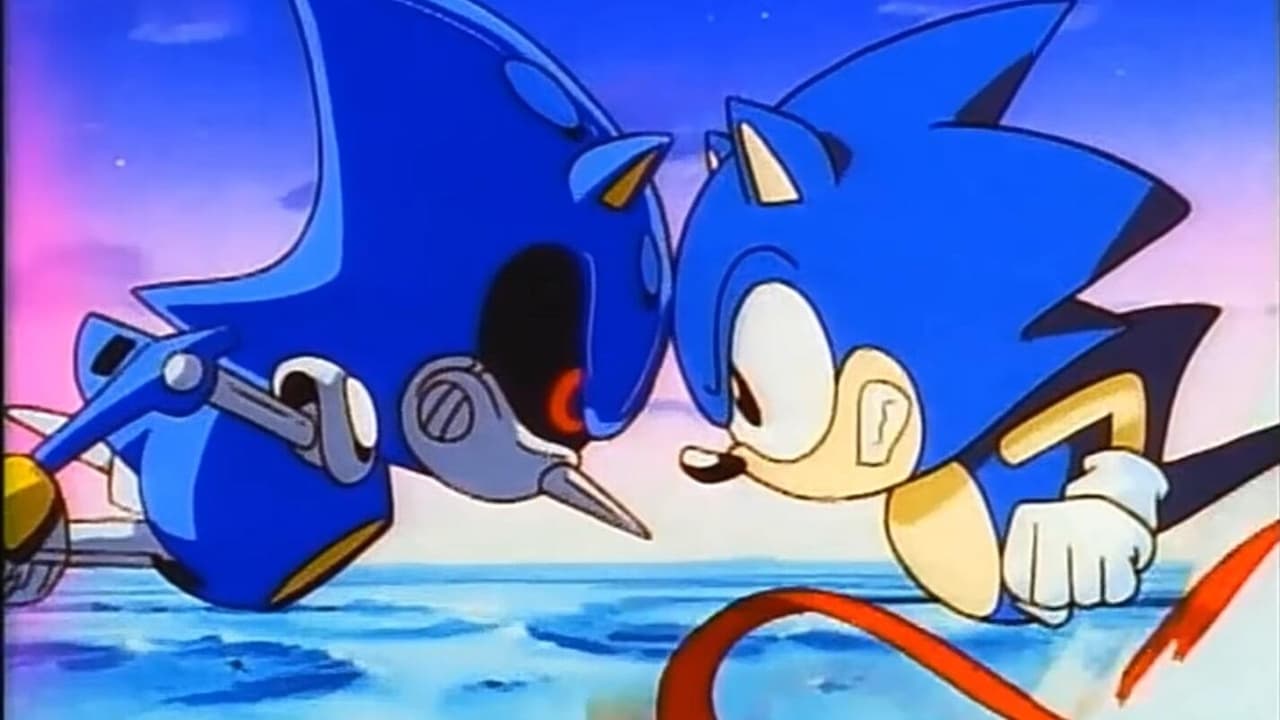
Remember firing this up for the first time? It felt… different. Dropped onto Planet Freedom, a world composed of the Land of the Sky (floating islands, naturally) and the Land of Darkness (Robotnik's subterranean digs), we were immediately plunged into a Sonic adventure that felt faster, edgier, and visually distinct from the Western cartoons many of us grew up with. The animation, courtesy of the renowned Studio Pierrot (yes, the same folks who would later bring us massive hits like Naruto and Bleach), had that unmistakable mid-90s anime sheen – dynamic action poses, speed lines galore, and character designs that were recognizably Sonic, yet intriguingly stylized. Sonic himself, voiced with youthful energy by Masami Kikuchi in the original Japanese track, felt a little brasher, a bit more impatient, perfectly capturing that "fastest thing alive" attitude.
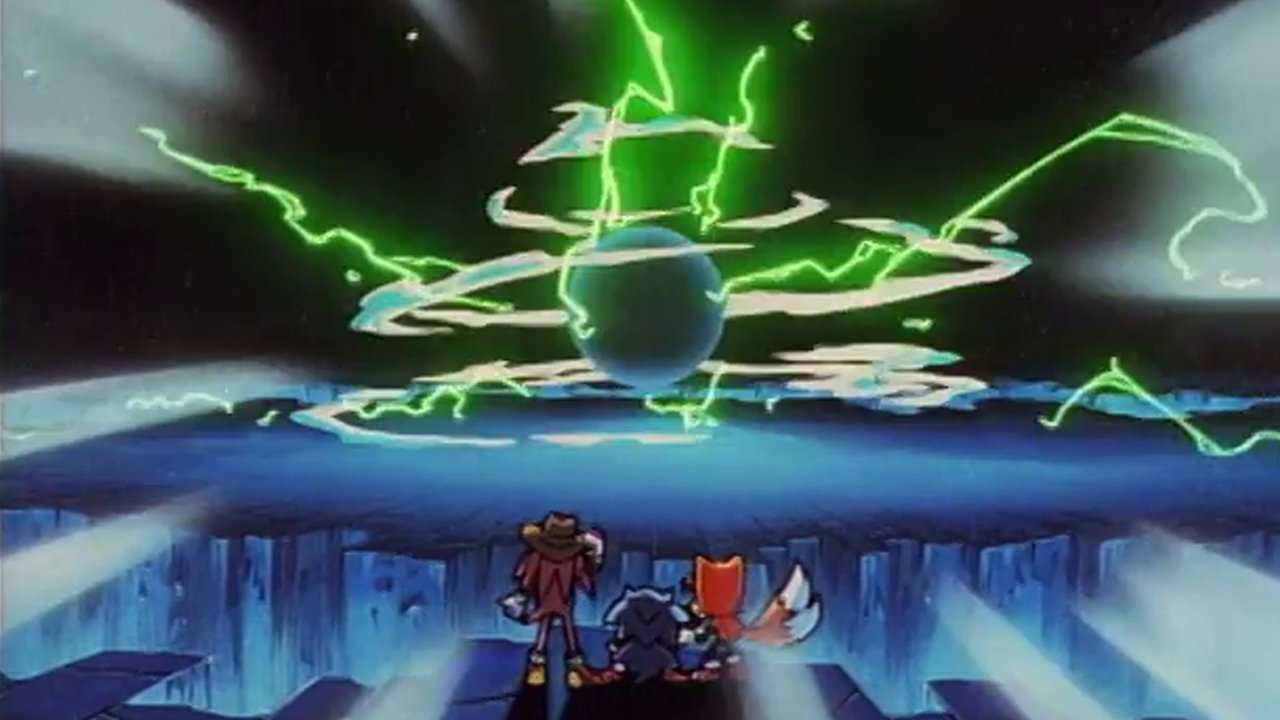
The plot kicks off in classic Sonic fashion: Dr. Robotnik (or Eggman, depending on your allegiance) lures Sonic and Tails (Hekiru Shiina) to his dark domain with a captured president and his… cat-girl daughter, Sara? Okay, maybe not entirely classic. Robotnik spins a yarn about a rogue robot, Metal Robotnik (or Black Eggman), threatening to destroy Planet Freedom by overloading the lava flow from the Land of Darkness. His plea for help involves Sonic needing to stop the generator before it explodes at sunrise. It’s a setup ripe for high-speed heroics, sending our blue blur racing against time through treacherous caverns.
### Metal Mayhem and Knuckles' Hat
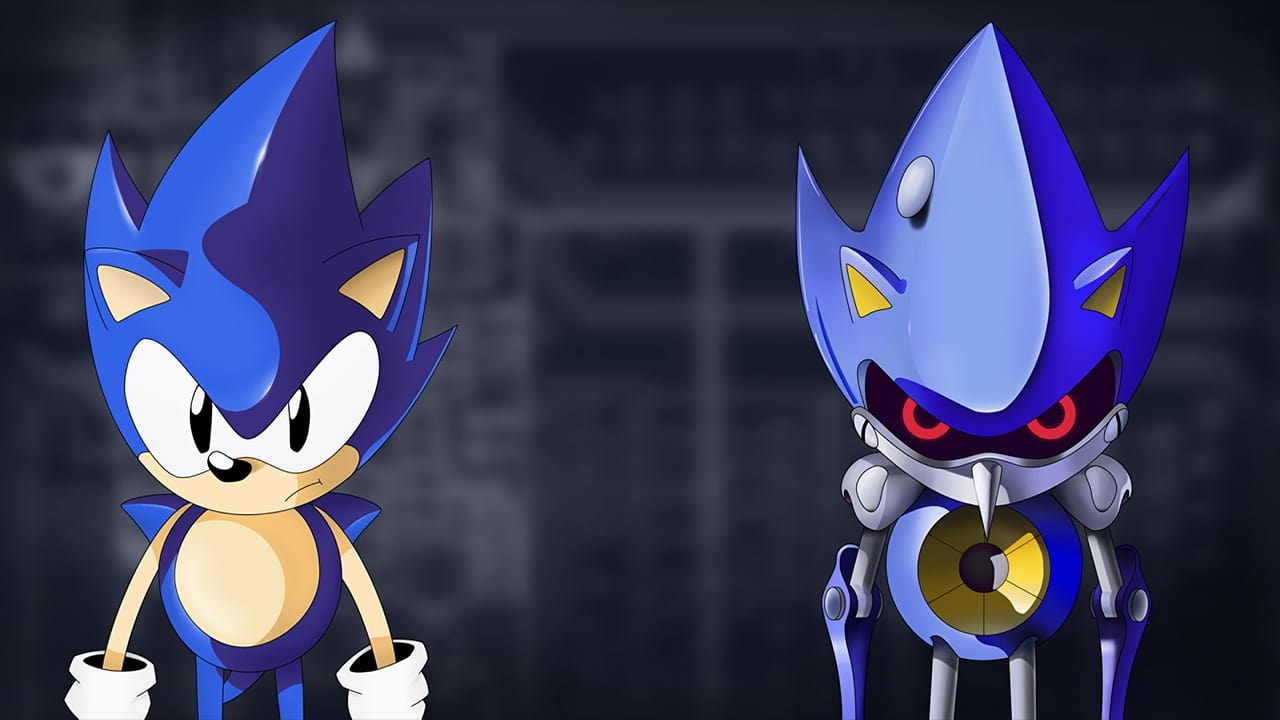
Of course, Robotnik's plea is a ruse. The real threat? His ultimate creation: Hyper Metal Sonic. This sleek, silent, and deadly doppelgänger is the true star of the show's action. Copied directly from Sonic's own life data, Metal Sonic isn't just a robot; he's Sonic's equal in speed and power, programmed with an unwavering directive to destroy his organic counterpart. Their clashes are the absolute highlights – fast-paced aerial duels across Planet Freedom’s bizarre landscapes, animated with a fluidity and energy that still impresses. You really felt the impact, the speed, the sheer coolness of Metal Sonic back then. He wasn’t just another badnik; he was a genuine menace.
And let's not forget Knuckles the Echidna (Yasunori Matsumoto), making his grand entrance here not as a guardian, but as a wandering treasure hunter sporting… a rather fetching brown fedora? Yes, Knuckles’ iconic hat makes its glorious debut (and pretty much only appearance) in this OVA, a delightful quirk that instantly sets this version apart. He’s initially aloof, more interested in adventure than helping Sonic, but eventually joins the fray, adding his own brand of stoic muscle to the mix. The dynamic between the trio – Sonic's impulsive speed, Tails' technical know-how (he even whips up a pretty nifty mini-jet board!), and Knuckles' grounded power – felt like a solid interpretation of the game characters, even with the anime stylings.

### An Oddity Worth Hunting Down
Let’s be honest, the plot gets a little weird. Robotnik's creepy infatuation with Sara, Sara's own surprisingly volatile personality shifts, Old Man Owl just kind of… being there. The English dub, handled by ADV Films for its much later Western VHS release (around 1999), adds another layer of charming B-movie energy with some truly memorable lines ("Shut up, Tails!"). It wasn't perfect, sometimes feeling rushed due to cramming two OVA episodes into a roughly hour-long feature. Finding a copy often felt like uncovering a rare gem in the dusty corners of a Suncoast Video or tucked away in a collector's shop, which only added to its mystique.
But despite its eccentricities, or perhaps because of them, the Sonic OVA holds a special place. It dared to be different. Directed by Kazunori Ikegami and penned by Masashi Kubota, it wasn't afraid to lean into its anime roots, delivering high-octane action and a visual style that stood out. It gave us one of the most menacing versions of Metal Sonic ever put to screen and showcased a vision of Sonic's world brimming with imaginative, if occasionally baffling, ideas. For many Western fans, this was their first taste of Sonic anime, a fascinating artifact from a time before the blue blur became a global multimedia juggernaut.
### VHS Heaven Rating: 7/10
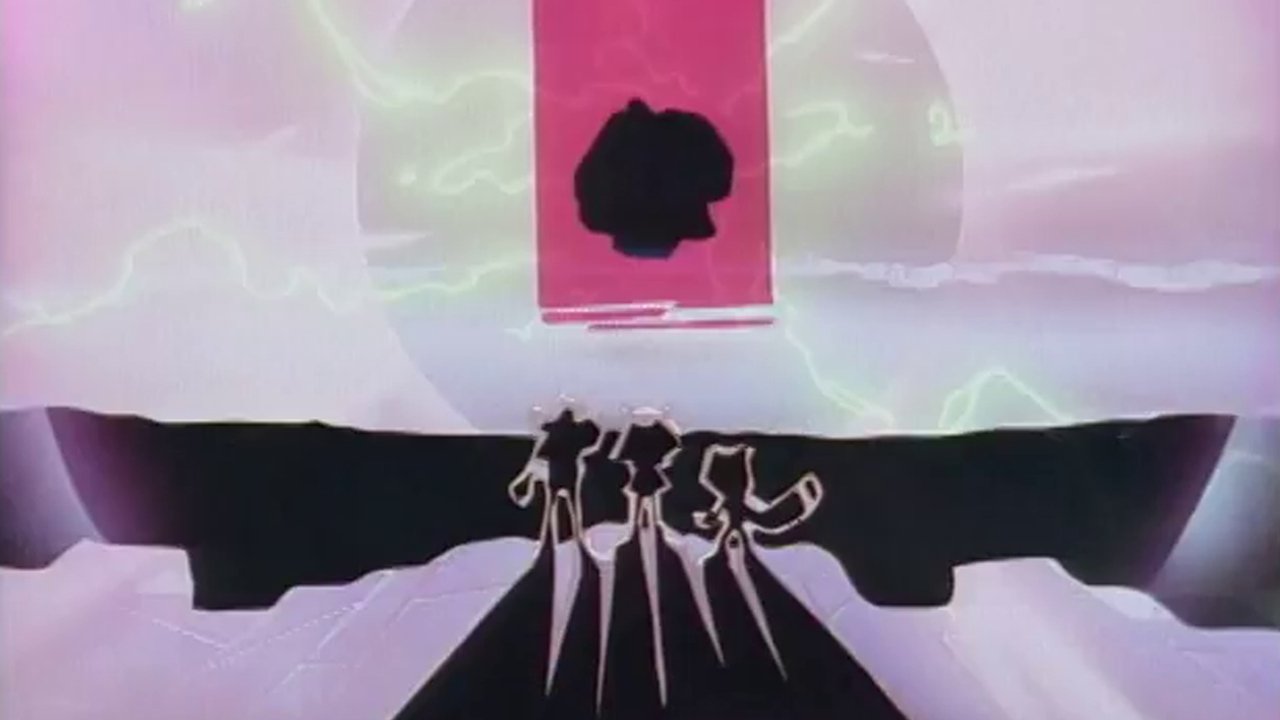
This score reflects the OVA's undeniable strengths – the slick 90s anime aesthetic, the genuinely thrilling action sequences (especially the Metal Sonic fights), and its status as a unique piece of Sonic history. It captures the speed and attitude well. However, the somewhat nonsensical plot elements, occasionally awkward character moments (looking at you, Robotnik and Sara), and the slight narrative disjointedness from combining two OVAs keep it from reaching true classic status. It’s a solid 7 – immensely enjoyable for fans and a fascinating curio, delivering enough high-speed thrills and retro charm to make it well worth dusting off that tape.
Ultimately, the Sonic the Hedgehog OVA is a vibrant snapshot of 90s anime ambition meeting video game iconicity. It's a fast, flashy, sometimes goofy, but always entertaining ride that feels like a forgotten treasure rediscovered – a reminder of a time when seeing our pixelated heroes leap into animation felt like pure magic, strange hats and all.