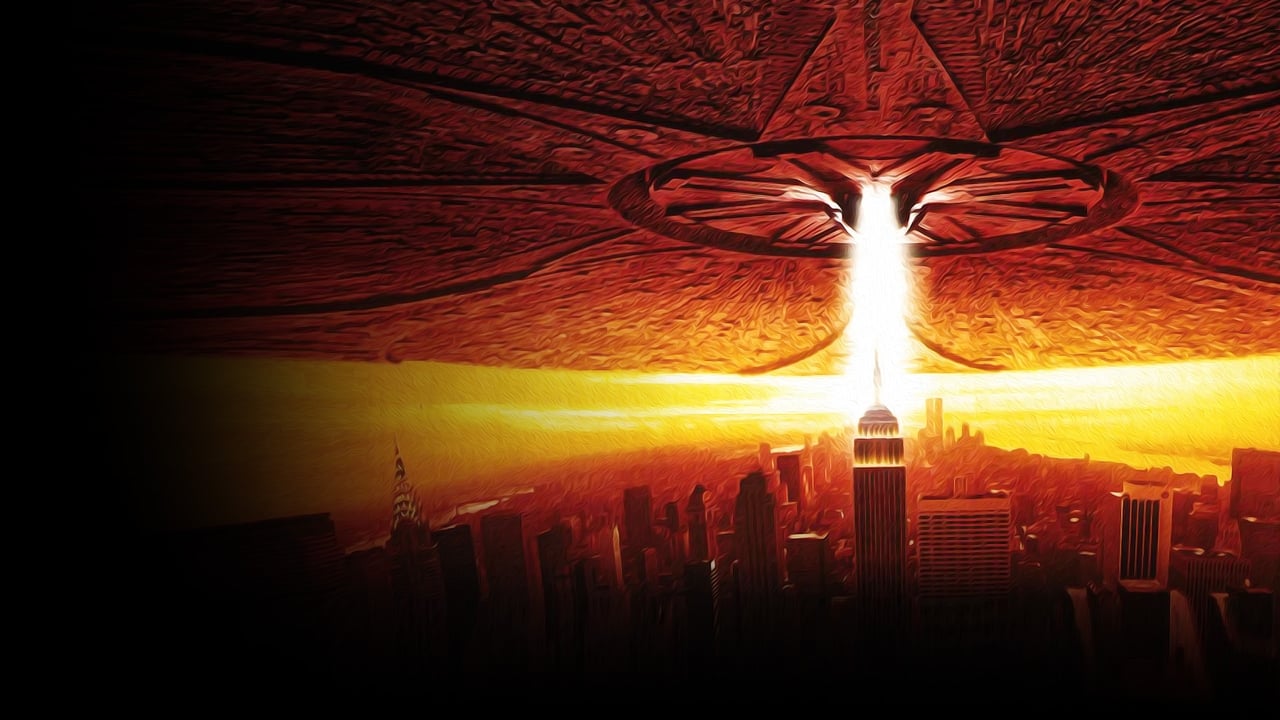
It’s hard to overstate the sheer event that was Independence Day back in the summer of 1996. It wasn’t just a movie; it felt like a global phenomenon beamed directly into our collective consciousness, starting with that Super Bowl ad. You know the one – the shadow falling over Washington D.C., followed by the instantly iconic obliteration of the White House. Suddenly, summer couldn't arrive fast enough. This wasn't just another alien invasion flick; it was the alien invasion flick, arriving with the kind of thunderous fanfare usually reserved for actual planetary threats.
### Welcome to Earth! (And Explosions)
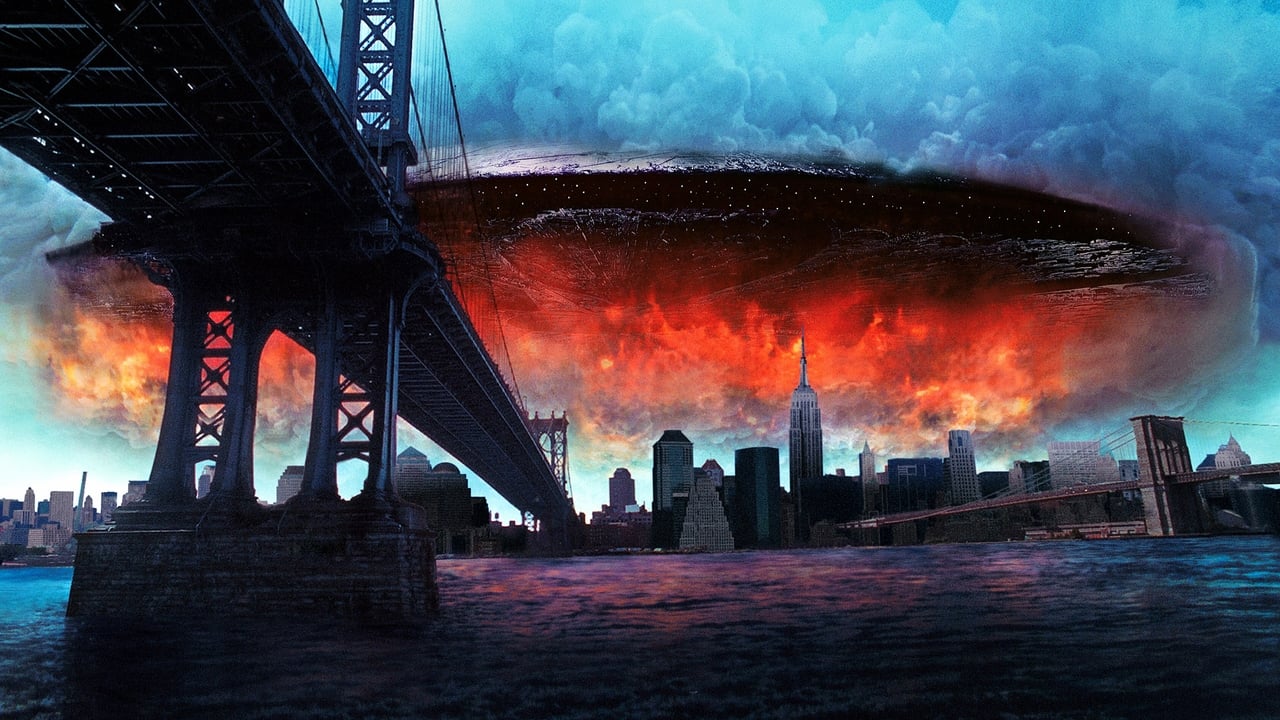
Helmed by disaster maestro Roland Emmerich and his producing/writing partner Dean Devlin, fresh off the sleeper success of Stargate (1994), Independence Day (or ID4, as the cool kids and the marketing called it) took a simple, terrifying premise – what if they showed up, and they weren't friendly? – and blew it up to planetary proportions. The film masterfully blends classic 50s sci-fi invasion tropes with the large-scale destruction spectacle that became Emmerich's signature. Seeing those colossal city-destroyer ships emerge from the clouds, blotting out the sun over major landmarks… well, it was pure cinematic awe back then, the kind of thing that made your popcorn go momentarily forgotten in your lap.
The genius of ID4 lies in its structure, expertly cutting between multiple character perspectives as the global crisis unfolds. We weren't just watching an invasion; we were experiencing it through the eyes of relatable (if sometimes archetypal) people caught in the chaos. This approach gave the unbelievable scale a surprisingly human anchor.
### Humanity's Unlikely Heroes
And what a cast of characters! This film arguably cemented Will Smith as a bona fide global movie star. His Captain Steven Hiller, the cocky-but-capable Marine pilot, swaggered onto the screen, delivering instantly quotable lines ("Welcome to Earth!") with infectious charisma. Smith brought an energy that perfectly balanced the film's B-movie heart with its A-list budget. Rumor has it that Ethan Hawke was considered, but it's hard to imagine anyone else punching an alien and making it look quite so cool.
Then there's Jeff Goldblum, reprising his knack for playing brilliant, eccentric scientists facing world-ending threats, much like his Ian Malcolm in Jurassic Park (1993). As David Levinson, the MIT-grad-turned-cable-guy who cracks the alien signal, Goldblum provides the brains and the nervous humour, his signature stammering delivery somehow making lines about imminent doom strangely comforting. And rounding out the central trio is Bill Pullman as President Thomas J. Whitmore. Pullman delivers what might be one of the most rousing, genuinely goosebump-inducing speeches in modern blockbuster history. It’s pure, unadulterated cinematic patriotism, and Pullman sells every syllable with earnest conviction. Apparently, the speech resonated so much that actual world leaders referenced it!

### Retro Fun Facts: Building the Spectacle
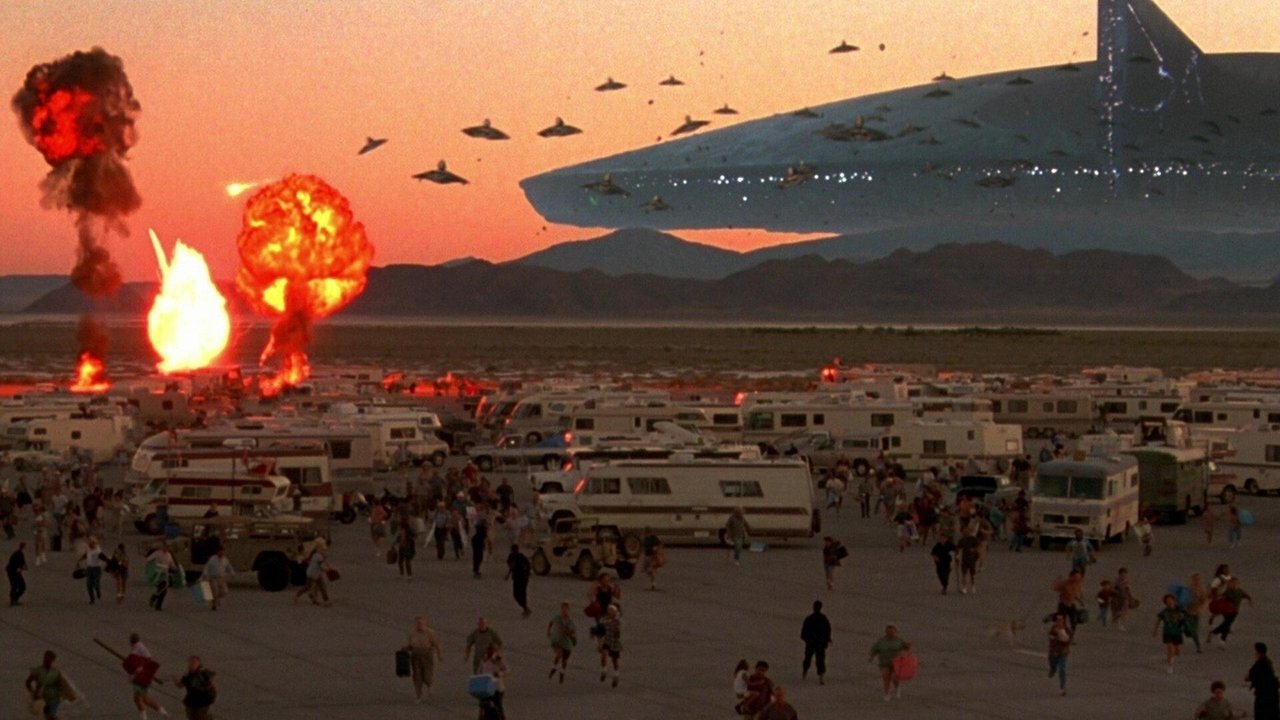
Independence Day was a monster hit, raking in over $817 million worldwide against a $75 million budget – a staggering success that redefined summer blockbusters. A huge part of its appeal was the groundbreaking (for the time) visual effects. While there's early CGI, much of the jaw-dropping destruction relied on meticulous practical effects and miniature work. The production team reportedly built more miniatures than any film since the 1970s! The famous White House explosion involved a highly detailed 1/12th scale model that was blown to smithereens – a shot that cost a pretty penny but became the film's undeniable money shot, plastered across posters and trailers.
The marketing campaign was also revolutionary. That Super Bowl spot showing the White House destruction, months before release, generated unprecedented buzz. The simple, powerful title and the perfect July 4th release date created an irresistible package. The tagline alone – "We've always believed we weren't alone. On July 4th, we'll wish we were." – perfectly captured the film's thrilling premise. It’s also fun to remember that the script was reportedly written by Emmerich and Devlin in just a few weeks while promoting Stargate, fueled by the question, "Okay, what if giant aliens actually showed up tomorrow?"
### Cheesy Charm and Enduring Thrills
Look, is Independence Day high art? Not exactly. Does the science make perfect sense? Probably not (uploading a computer virus to an alien mothership still feels gloriously absurd). Is some of the dialogue cheesier than a Wisconsin party platter? Absolutely. But honestly, who cares? The film barrels forward with such relentless energy, spectacle, and genuine heart that its flaws become part of its charm. It’s unabashedly entertaining, designed from the ground up to elicit cheers, gasps, and maybe even a few misty eyes during President Whitmore's big moment.
Watching it again now, maybe on a worn-out VHS tape if you're lucky enough to still have one, is like revisiting an old friend. You know the beats, you know the lines, but the sheer fun of the ride remains infectious. It captures a certain optimistic, can-do American spirit wrapped in an apocalyptic package, a feeling perhaps unique to its mid-90s moment. The less said about the belated 2016 sequel, Independence Day: Resurgence, the better – it mostly served to highlight how perfectly the original captured lightning in a bottle.
### The Verdict
Independence Day is quintessential 90s blockbuster filmmaking. It’s big, loud, unapologetically patriotic, and filled with moments that burned themselves into pop culture memory. It delivered spectacle on a scale rarely seen before, launched careers, and gave us heroes we could root for against overwhelming odds. Sure, it has its share of silliness, but it delivers pure, unadulterated entertainment with infectious enthusiasm.

Rating: 9/10
This score reflects its near-perfect execution as a crowd-pleasing sci-fi action spectacle. It knew exactly what it wanted to be and delivered with explosive confidence, iconic characters, and visuals that defined an era. It’s pure blockbuster joy, flaws and all.