It often begins with a certain kind of restlessness, doesn't it? That feeling of having conquered the world, only to find the view from the summit strangely unsatisfying. This peculiar ennui of the ultra-successful hums beneath the polished surface of John McTiernan's 1999 reimagining of The Thomas Crown Affair, a film less about the mechanics of a heist and more about the intricate, dangerous game played between two people who recognize a similar spark – or perhaps emptiness – in each other. It arrived near the turn of the millennium, a slick, sophisticated piece of entertainment that felt both luxurious and knowingly adult.
A Different Kind of Heist
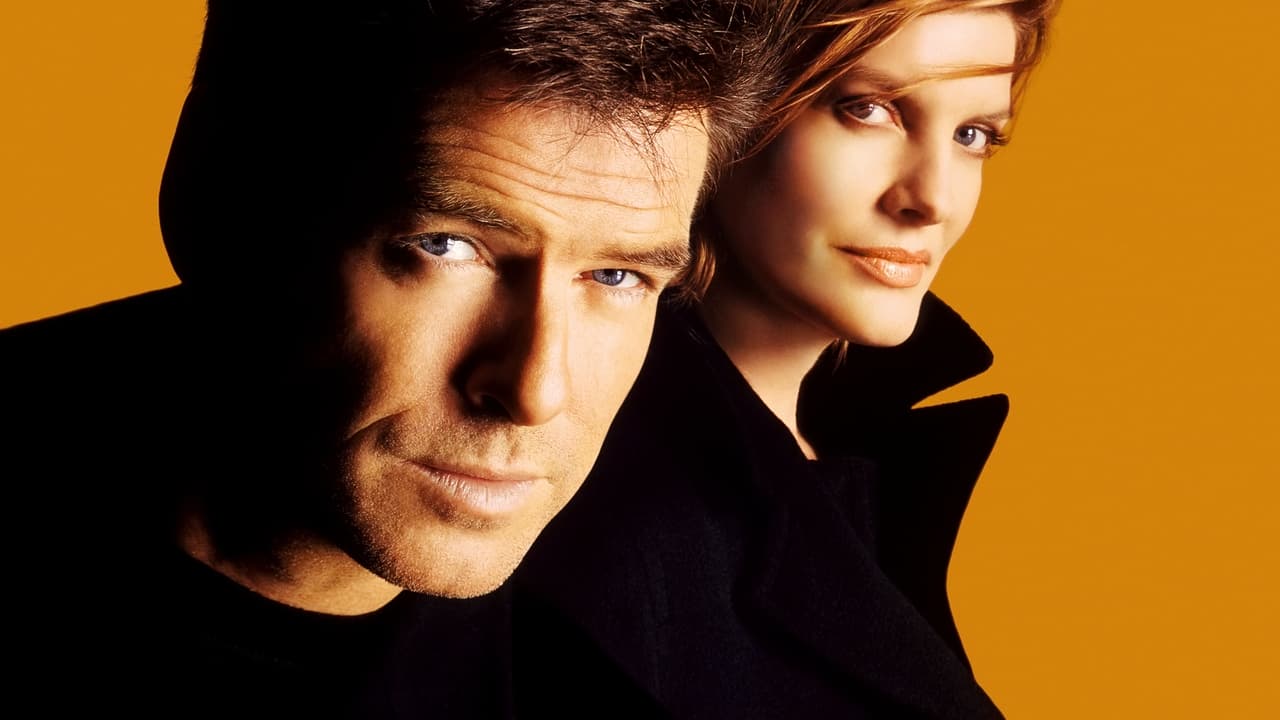
Forget brute force or desperate grabs; Thomas Crown (Pierce Brosnan, radiating smooth confidence honed during his Bond tenure) steals not out of need, but boredom. His theft of a priceless Monet from a bustling New York museum is an act of intellectual and logistical artistry, a middle finger to a world he’s already mastered financially. The thrill isn't in possession, but in the execution, the ripple effect, the challenge. Watching it unfold, choreographed with McTiernan’s unexpected but welcome visual flair – more elegant dance than his usual explosive action – you understand Crown’s motivation isn't greed, but a profound desire to feel something.
Enter Catherine Banning (Rene Russo), an insurance investigator as sharp, stylish, and morally flexible as Crown himself. She sees through the smokescreens immediately, recognizing a fellow player. Their ensuing relationship isn't just cat-and-mouse; it’s a complex negotiation of trust, attraction, and mutual assessment, played out against backdrop of high art, high finance, and simmering sensuality.
Chemistry That Ignites the Screen
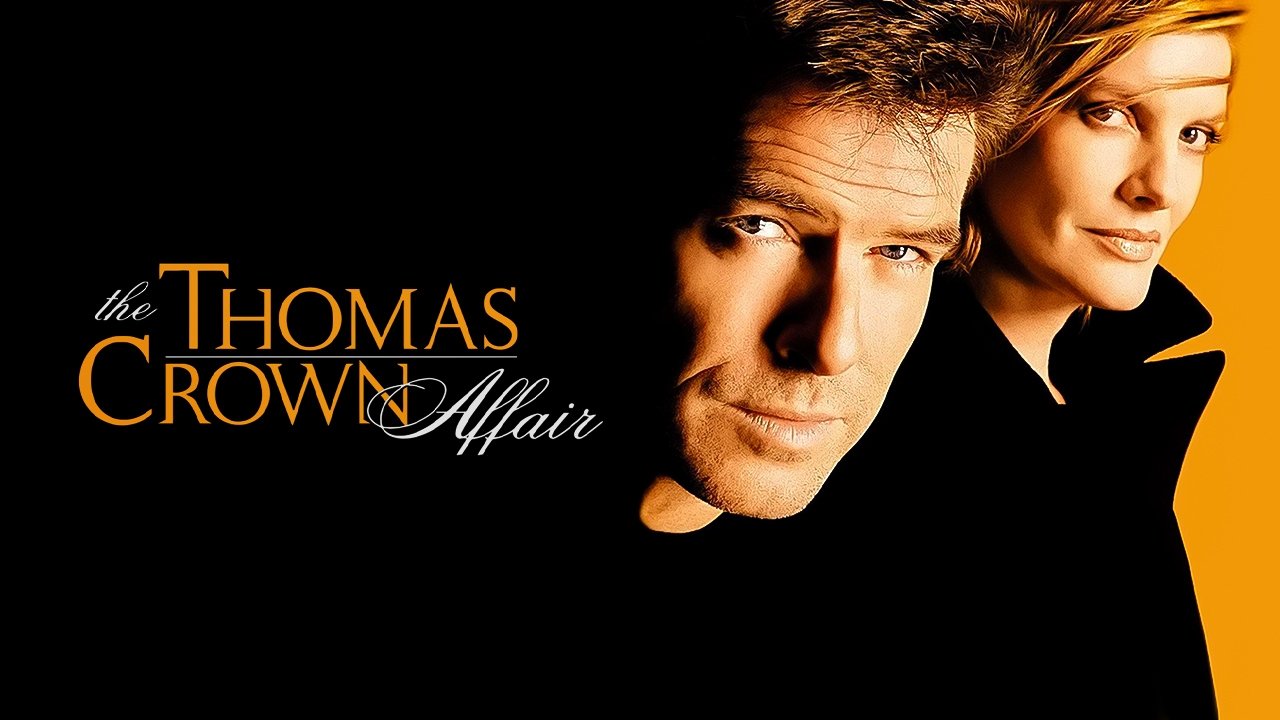
What truly elevates this remake beyond mere stylish competence is the undeniable chemistry between Brosnan and Russo. Brosnan, stepping slightly away from 007 but retaining the charm, embodies Crown’s weariness and calculated risk-taking perfectly. He lets you see the vulnerability beneath the bespoke suits. But it's Russo who often steals the show. Her Catherine Banning is nobody’s pawn. She’s intelligent, fiercely independent, overtly sexual, and driven by her own complex motives. Russo makes Banning more than just an investigator; she's Crown's equal, perhaps even his superior in emotional gamesmanship. Their scenes together crackle with unspoken challenges and magnetic pull – the famous, daringly revealing dance scene is less about titillation and more about the raw power dynamics shifting between them.
Retro Fun Facts: Behind the Polished Veneer
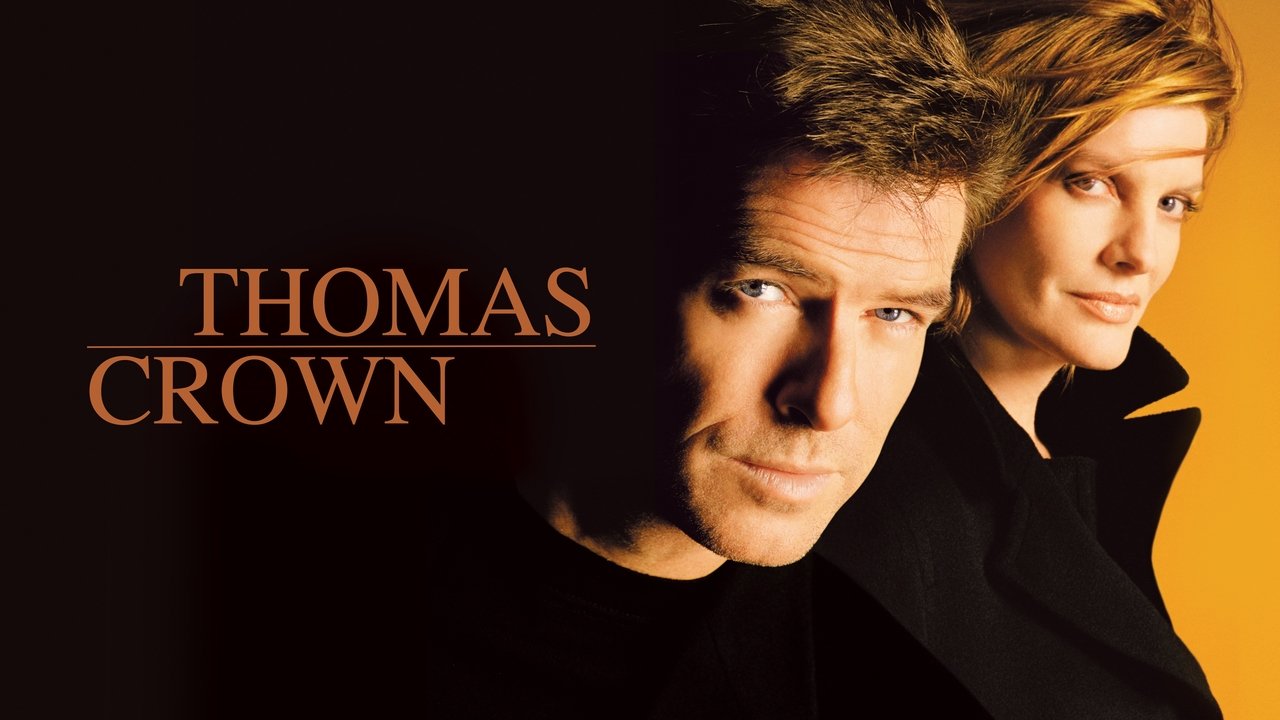
- This wasn't just another paycheck for Brosnan. The remake was actually spearheaded by his own production company, Irish DreamTime. He was passionate about capturing the suave essence of the McQueen original but updating it for a contemporary audience, making Crown a self-made billionaire rather than old money.
- Director John McTiernan, famed for action classics like Die Hard and Predator, consciously aimed for a different feel here. He reportedly wanted to make a truly "grown-up" film, focusing on psychological tension and visual elegance over pyrotechnics. His collaboration with cinematographer Tom Priestley Jr. resulted in the film's distinctively sleek, cool aesthetic.
- Remember that breathtaking glider sequence? While stunt pilots handled the most dangerous parts, Brosnan actually did some of the flying himself in the two-seater Schempp-Hirth Duo Discus, adding a layer of authenticity to Crown's thrill-seeking pursuits.
- The casting of Faye Dunaway, the original film's female lead, as Crown's psychiatrist was a masterstroke. It’s more than just a cameo; it’s a witty, meta-textual nod that bridges the two versions and adds a knowing wink for cinephiles. Dunaway reportedly loved the idea, seeing it as passing the torch while still being part of the legacy.
More Than Just Style?
While the film revels in its sophistication – the art, the clothes (Catherine's wardrobe, designed by Kate Harrington, is a statement in itself), the luxurious settings – it doesn't entirely shy away from thematic depth. It probes questions about what truly motivates us when material needs are met. Is it love? Risk? The validation of outsmarting others? The film suggests it's a potent cocktail of all three. The presence of Denis Leary as the grounded, increasingly exasperated Detective McCann provides a necessary counterpoint – the working-class cop baffled and irritated by the games of the ultra-rich. He’s the audience surrogate, reminding us how detached Crown’s world truly is.
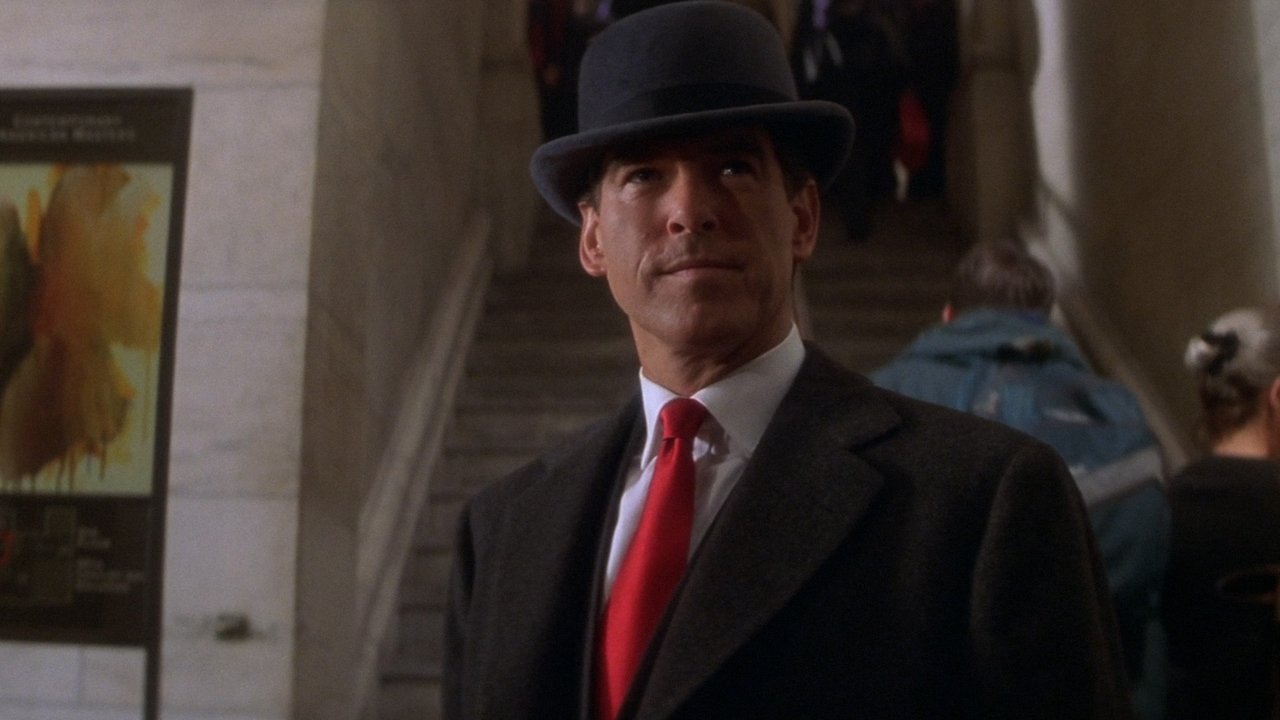
Does it possess the raw, existential cool of the 1968 original? Perhaps not quite. That film, with Steve McQueen's icy charisma and Michel Legrand's iconic score, captured a specific late-60s ennui. This version is warmer, arguably more romantic, and certainly more overtly playful. The elaborate multi-Bowler-hat feint during the climax feels emblematic of this difference – clever, crowd-pleasing, but maybe lacking the original's sharper edge.
Final Reckoning
The Thomas Crown Affair (1999) stands as a superb example of how to remake a classic respectfully while forging its own identity. It's intelligent escapism, crafted with skill and confidence, and anchored by two stars operating at the peak of their charisma. It understands that the greatest heists are often those played with hearts, not just objects.

Rating: 8/10
Justification: The film earns this strong score through its electric lead performances and palpable chemistry, McTiernan's stylish and assured direction (a successful departure from his action roots), and its intelligent blend of heist thrills and sophisticated romance. It successfully updates the premise for a new era. While it might lack the iconic edge of the original for some, its clever plotting, engaging character dynamics, and sheer entertainment value make it a standout adult thriller from the late 90s. The seamless integration of thoughtful details, from the production design to the knowing Dunaway cameo, elevates it beyond a simple retread.
Final Thought: More than just a caper, this Thomas Crown Affair lingers as a reminder that sometimes the most valuable prize isn't the one you steal, but the connection you forge in the midst of the game.