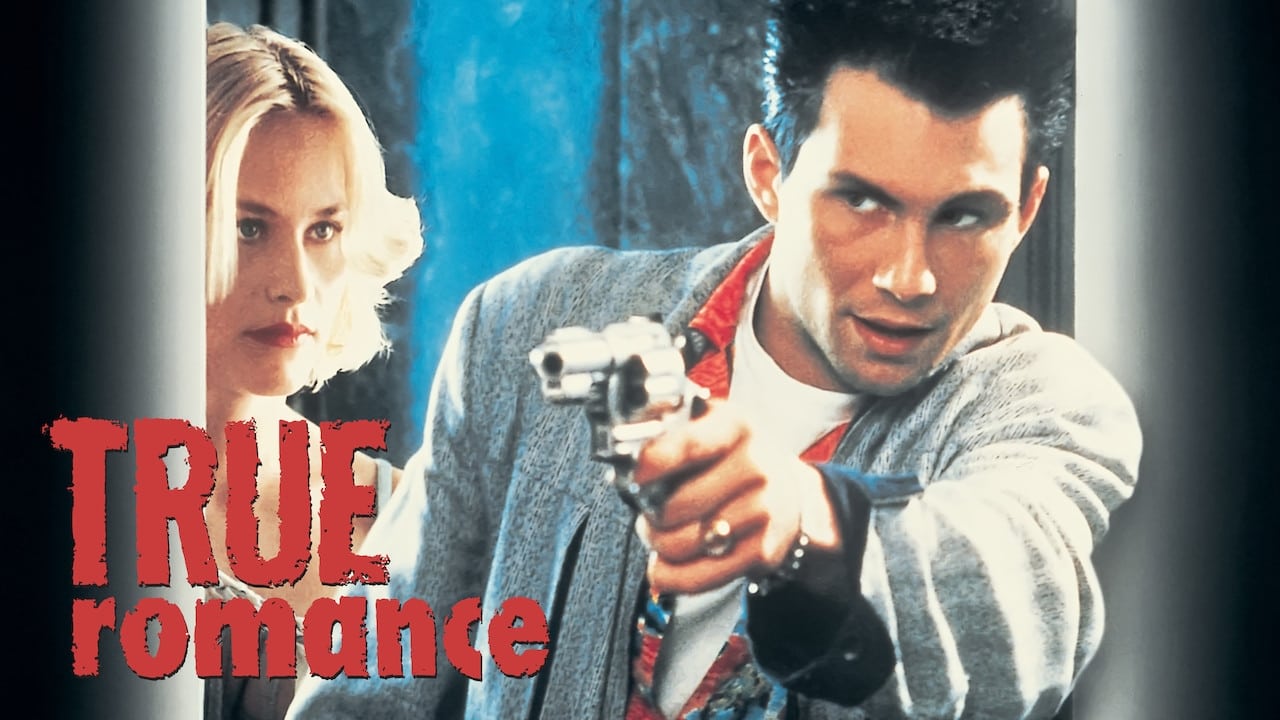
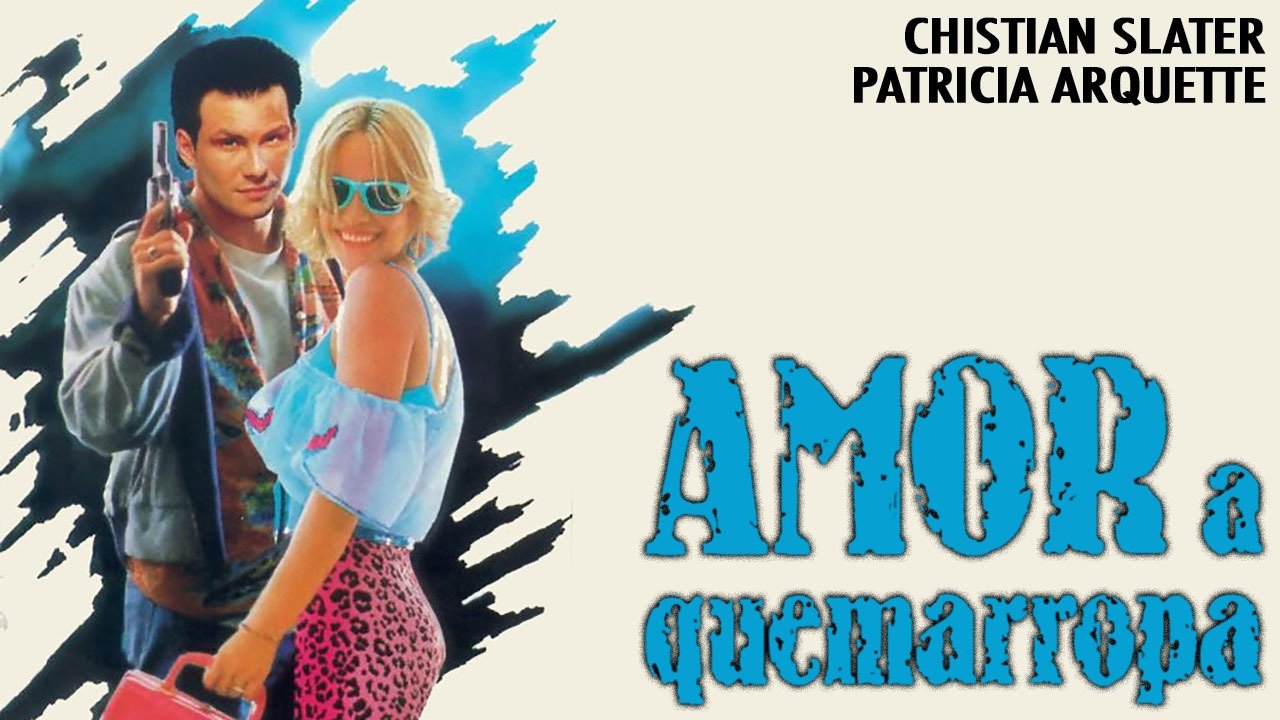
Alright, rewind time. Settle back into that worn spot on the couch, maybe grab a can of something cold. Remember sliding that chunky cassette into the VCR, hearing the satisfying clunk and the whirring start? Some tapes just felt different, heavier with promise. And the Warners clamshell for True Romance (1993)? Man, that cover art screamed cool, didn’t it? A hint of danger, a splash of neon romance… it promised a ride, and holy smokes, did it deliver. This wasn't just another rental; this felt like discovering lightning in a bottle, a secret handshake among film lovers.

### You're So Cool, You're So Cool...
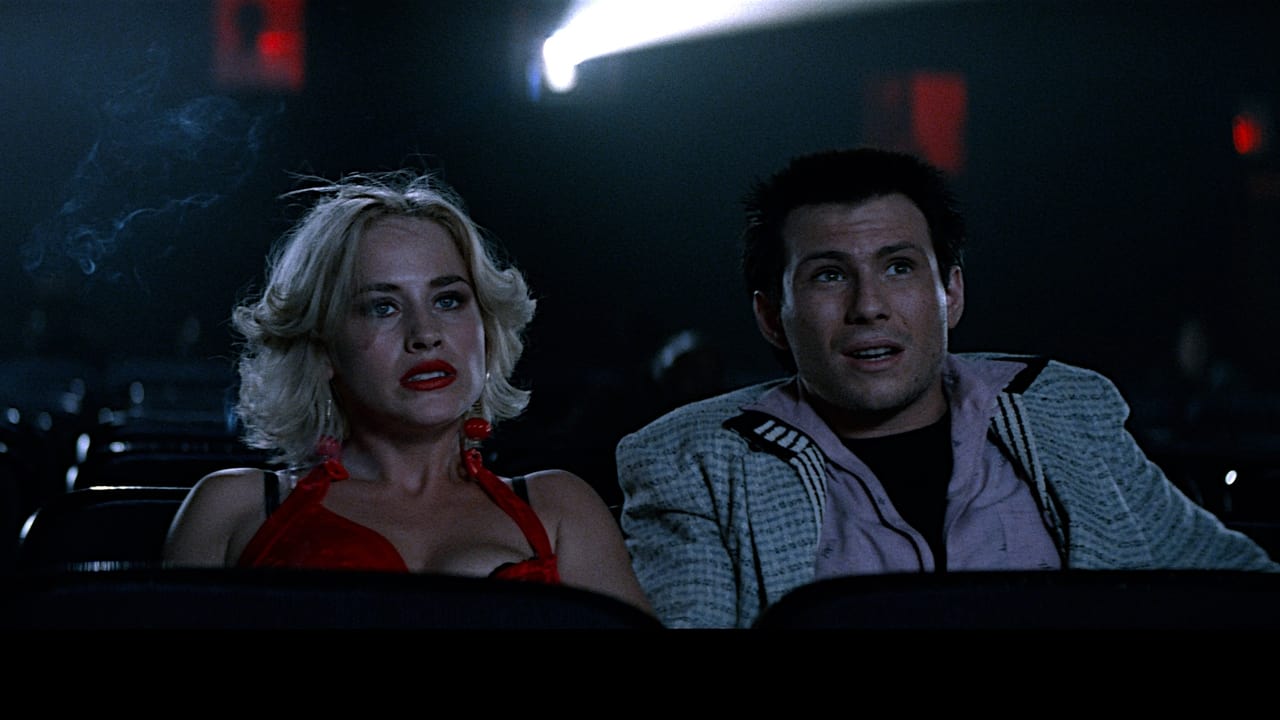
At its heart, True Romance is a twisted fairy tale dipped in gasoline and set ablaze. We meet Clarence Worley (Christian Slater, hitting peak rebellious charm), a comic book store clerk obsessed with Elvis and kung-fu flicks. Then comes Alabama Whitman (Patricia Arquette, incandescent and fierce), the call girl with a heart of gold who falls for him practically overnight. Their whirlwind romance feels impossibly sweet, almost dreamlike, captured perfectly by Arquette’s ethereal narration. But this ain't Disney. Their path to happiness involves Clarence confronting Alabama's psychotic pimp, Drexl Spivey (an almost unrecognizable and utterly terrifying Gary Oldman), and accidentally walking away with a suitcase full of uncut cocaine. Suddenly, our lovers are on the run, hurtling towards California with the mob and the cops hot on their trail.
### Tarantino Unfiltered, Scott Unleashed
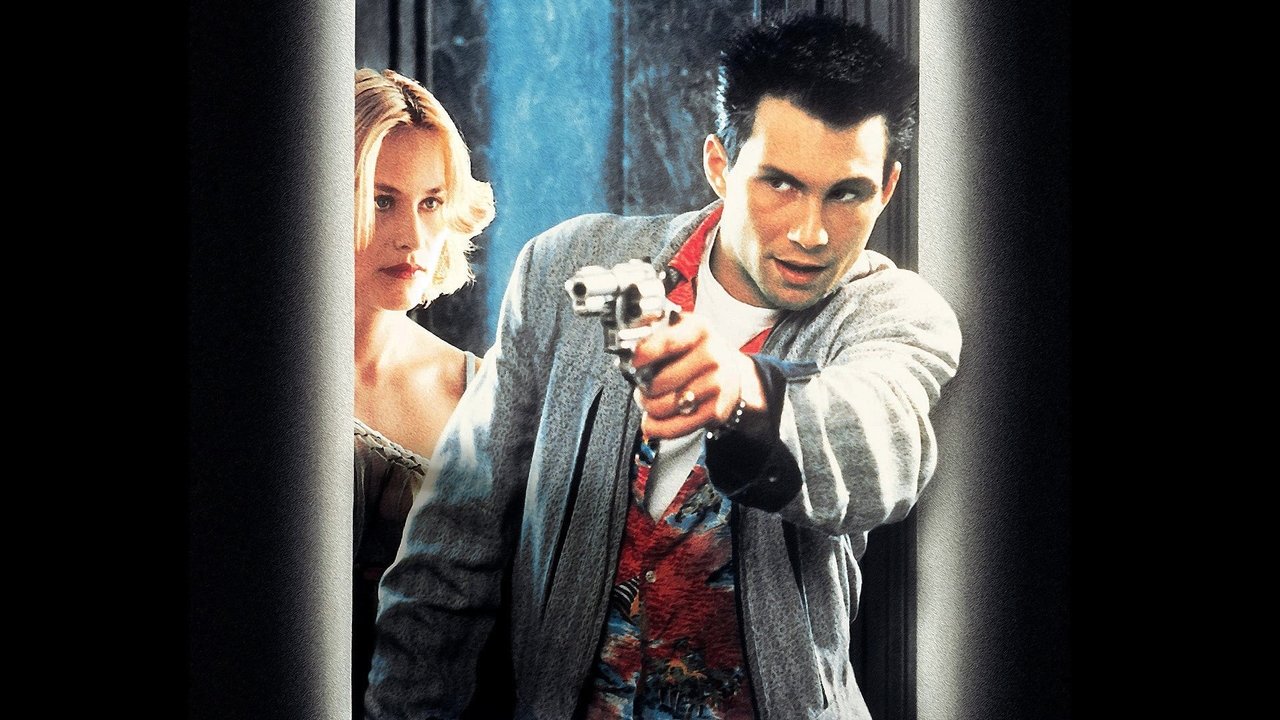
The script crackles with that unmistakable early Quentin Tarantino energy. It was actually one of his first major sales, penned before Reservoir Dogs (1992) truly exploded onto the scene. In fact, True Romance and Natural Born Killers (1994) were originally part of the same sprawling manuscript! You can feel his fingerprints all over it: the whip-smart, pop-culture-drenched dialogue, the non-linear flashes (though director Tony Scott streamlined much of this), the sudden bursts of brutal violence juxtaposed with moments of surprising tenderness.
But here’s where it gets fascinating. Handing this raw, edgy script to Tony Scott, the master visual stylist behind glossy blockbusters like Top Gun (1986) and Beverly Hills Cop II (1987), was an inspired move. Scott didn't just film Tarantino's script; he drenched it in his signature style – saturated colours, smoky rooms, restless camera work, and an almost operatic sense of cool. It’s slicker, more visually dynamic than maybe Tarantino himself would have made it at the time, giving the film a unique hyper-real quality that’s pure adrenaline rush. Scott famously changed Tarantino's bleaker ending, a point of contention for QT initially, but arguably one that cemented the film's bizarrely optimistic, ride-or-die romantic core.
### That Scene. You Know the One.
Let's be honest, you can't talk True Romance without dedicating a moment to the legendary "Sicilian scene." Clarence's estranged father, Clifford (Dennis Hopper in a career-highlight cameo), faces off against Vincenzo Coccotti (Christopher Walken, oozing quiet menace). The tension is unbearable, built almost entirely on dialogue. Hopper, knowing he's doomed, delivers that instantly iconic, historically dubious monologue about Sicilian ancestry with a chilling blend of defiance and resignation. Retro Fun Fact: Legend has it that Hopper, a consummate professional, nailed this incredibly intense and lengthy scene in just a few takes, while Walken was reportedly more visibly unnerved by the dark material. It’s a masterclass in screen acting, a scene burned into the memory of anyone who saw it back in the day. Remember how the air just crackled watching that unfold on a fuzzy CRT?
### A Gallery of Glorious Weirdos
Beyond the leads and that unforgettable Hopper/Walken exchange, the film is populated by an astonishing ensemble cast, many just on the cusp of stardom or delivering incredibly memorable bit parts. Brad Pitt steals every scene he’s in as the perpetually stoned Floyd, offering hilarious nonchalance amidst the escalating chaos. Retro Fun Fact: Much of Pitt's hazy dialogue and mannerisms were apparently ad-libbed, adding to the character's authentic slacker vibe. Then there's James Gandolfini (years before Tony Soprano) as Virgil, a mob hitter whose brutal fight scene with Alabama is genuinely shocking and visceral. Add in Michael Rapaport, Bronson Pinchot, Saul Rubinek, Chris Penn, Tom Sizemore, and even Val Kilmer as Clarence’s "Mentor" (Elvis), and you have a murderer's row of talent bringing this dangerous world to life.
### Action, 90s Style: Raw and Real
The action in True Romance hits differently than today's slick, CG-heavy sequences. When bullets fly here, they feel dangerous. Think about the motel room shootout or the final explosive confrontation at the Beverly Ambassador Hotel. Scott orchestrates mayhem with a visceral, practical edge. We're talking squibs – oh, those gloriously messy blood squibs! – real stunt performers taking hard falls, shattering glass, and gunfire that feels loud and chaotic, not perfectly choreographed. It’s messy, brutal, and feels grounded in a way that often gets lost now. There’s a weight, a physical impact to the violence that Scott captures brilliantly, making the stakes feel terrifyingly real for Clarence and Alabama. Retro Fun Fact: The final shootout was a complex sequence involving numerous actors and stunt performers, meticulously planned by Scott to maximize the kinetic energy and feeling of barely controlled chaos.
### The Sound of Danger and Whimsy
We absolutely have to mention the score by Hans Zimmer. That instantly recognizable main theme, driven by xylophone-like percussion (actually a marimba), is pure genius. It's playful, almost childlike, yet carries an undercurrent of tension and impending doom. It perfectly encapsulates the film's tonal tightrope walk between sweet romance and brutal crime, becoming as iconic as any visual element.
### Legacy on Magnetic Tape
Upon release, True Romance wasn't a massive box office smash ($12.3 million domestic against a reported $12.5 million budget – a tight squeeze!). Critics were somewhat divided, some loving the energy, others put off by the violence and dialogue. But oh boy, did it find its audience on VHS. It became the definition of a cult classic, passed around between friends, endlessly quoted, revered for its style, its unforgettable characters, and its sheer, ballsy attitude. It cemented Tarantino's voice (even filtered through Scott) and remains a high-water mark for both filmmakers.
Rating: 9/10
This score reflects the near-perfect storm of script, direction, performances, and unforgettable moments. It’s a hyper-stylized, ultra-violent, darkly funny, and strangely romantic masterpiece of 90s cinema. Minor pacing quibbles or the sheer intensity possibly being too much for some keeps it just shy of perfect, but its impact and rewatchability are undeniable.
Final Take: True Romance is pure cinematic adrenaline, bottled sunshine cut with razor blades. It’s a time capsule of 90s cool that still feels dangerously alive, a reminder of when crime movies could be wildly romantic and practical effects made shootouts feel terrifyingly real. Fire up the VCR in your mind – this one’s still absolutely worth the late fee.