Okay, settle in. Sometimes, digging through the stacks—virtual or otherwise—unearths a film that doesn't just entertain or evoke cozy nostalgia, but grabs you by the collar and demands you look at something harsh, something uncomfortable. Barbet Schroeder's Our Lady of the Assassins (La Virgen de los Sicarios, 2000) is precisely that kind of film. Released right at the cusp of the new millennium, it feels less like a product of the VHS boom and more like a raw, digital scream from its dying embers, captured on the then-nascent format of Digital Video. It’s a film that lingers, not with warmth, but with a chilling echo.
### A Return to the Abyss
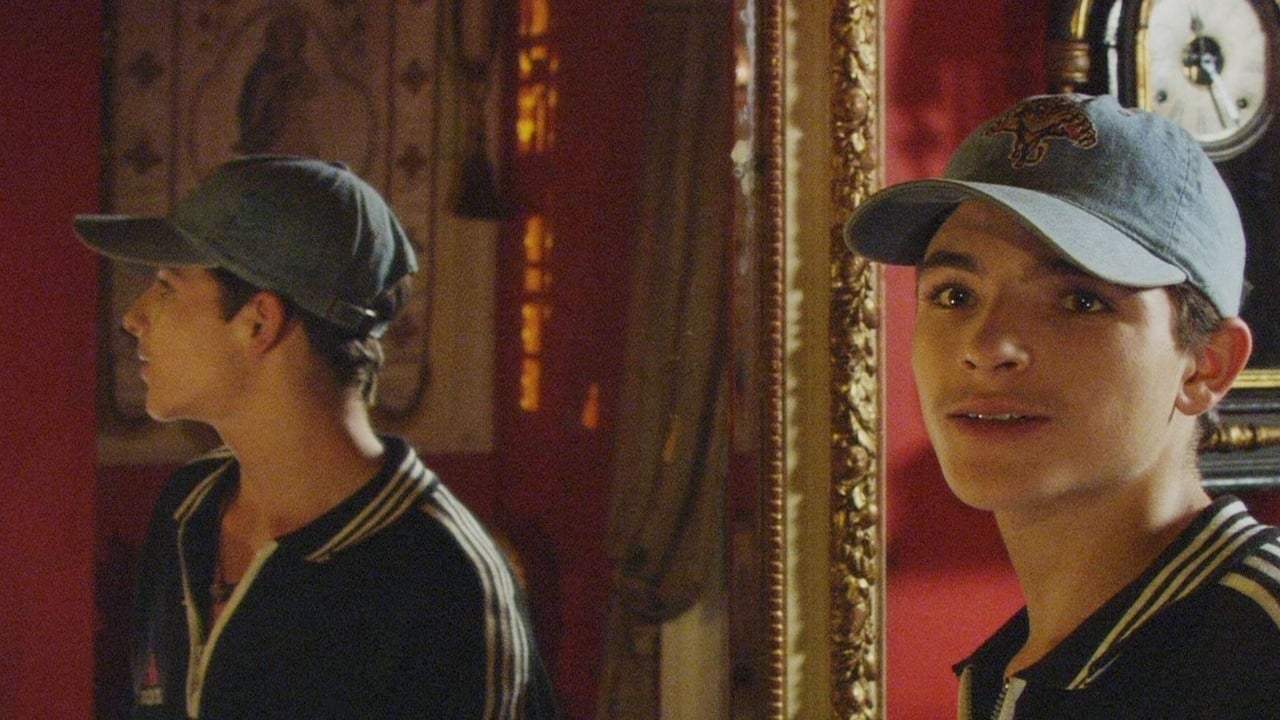
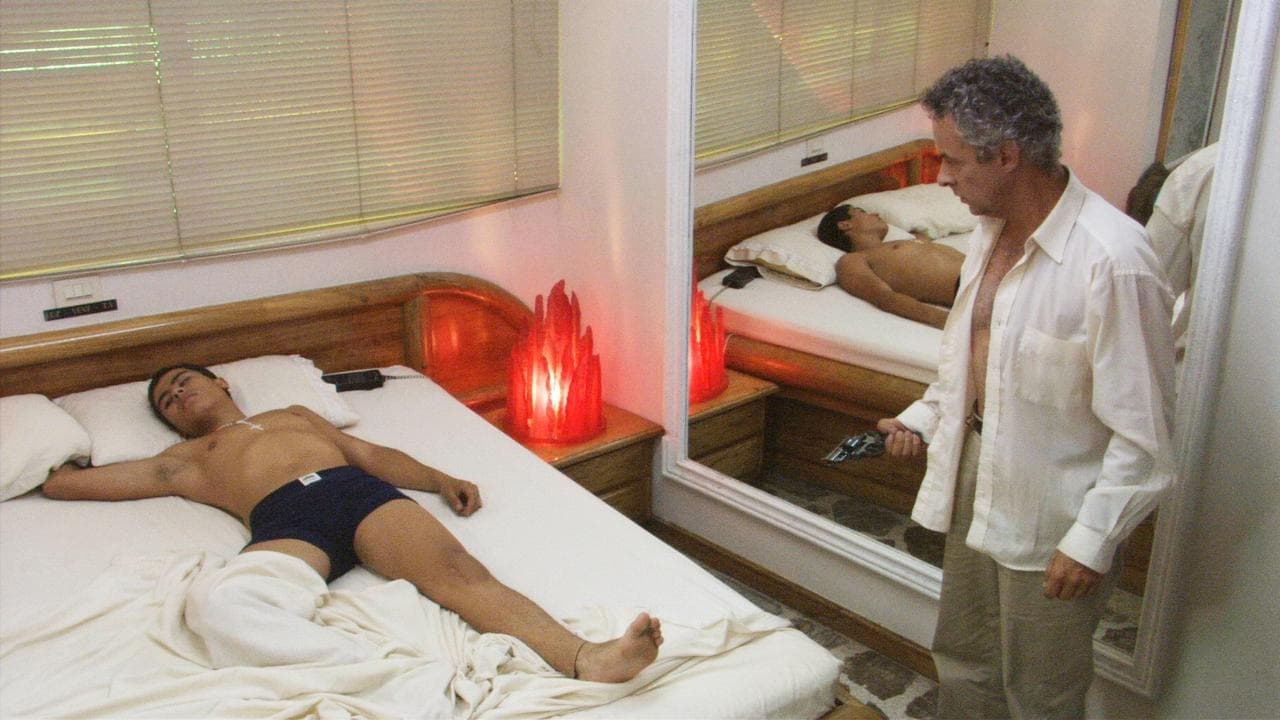
The premise is deceptively simple: Fernando (a mesmerizingly weary Germán Jaramillo), an older, disillusioned writer, returns to his hometown of Medellín, Colombia, after decades away. He’s not seeking reconciliation or peace; he seems to be seeking an end, surrounded by the chaos he remembers, now amplified. Medellín, depicted here, isn't just a city; it's a crucible of violence, poverty, and casual death, populated by sicarios – teenage hitmen – who kill with chilling impunity. Fernando quickly falls into a relationship with Alexis (Anderson Ballesteros), one such youth, initiating a spiral into a world where life is cheap, loyalty is fleeting, and love is inextricably tangled with violence.
What strikes you immediately is the film's unflinching gaze. Shot entirely on location in Medellín using early high-definition digital cameras, it possesses a stark, almost documentary-like immediacy. This wasn't just an aesthetic choice; it was a necessity. Filming guerilla-style allowed Schroeder, a director known for exploring dark edges of humanity in films like Barfly (1987) and the documentary General Idi Amin Dada (1974), to capture the city's volatile energy without drawing excessive attention, a significant risk given the subject matter and the very real dangers present at the time. The slightly grainy, sometimes harsh look of early DV perfectly complements the grim reality on screen, stripping away any potential Hollywood gloss.
### Love and Death in Medellín
At the heart of the film is Germán Jaramillo's performance as Fernando. He portrays the writer not as a sympathetic figure, but as a complex, deeply cynical man, often passive yet capable of shocking coldness. His narration, lifted directly from Fernando Vallejo’s controversial autobiographical novel upon which the film is based (Vallejo himself adapted the screenplay), is a torrent of misanthropy, railing against the church, the government, the decay of his city, and life itself. Yet, within this bleakness, his affection for Alexis feels strangely genuine, albeit deeply problematic. Is it love, exploitation, or simply a shared nihilism? The film refuses easy answers.
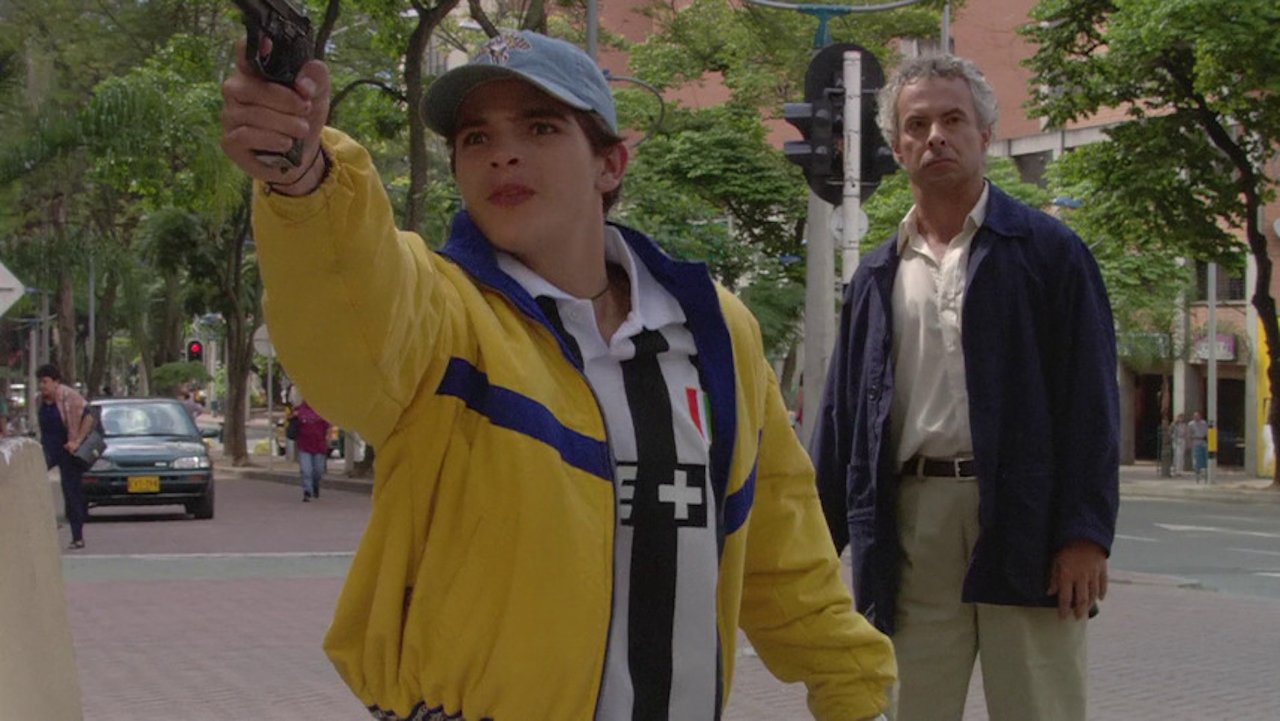
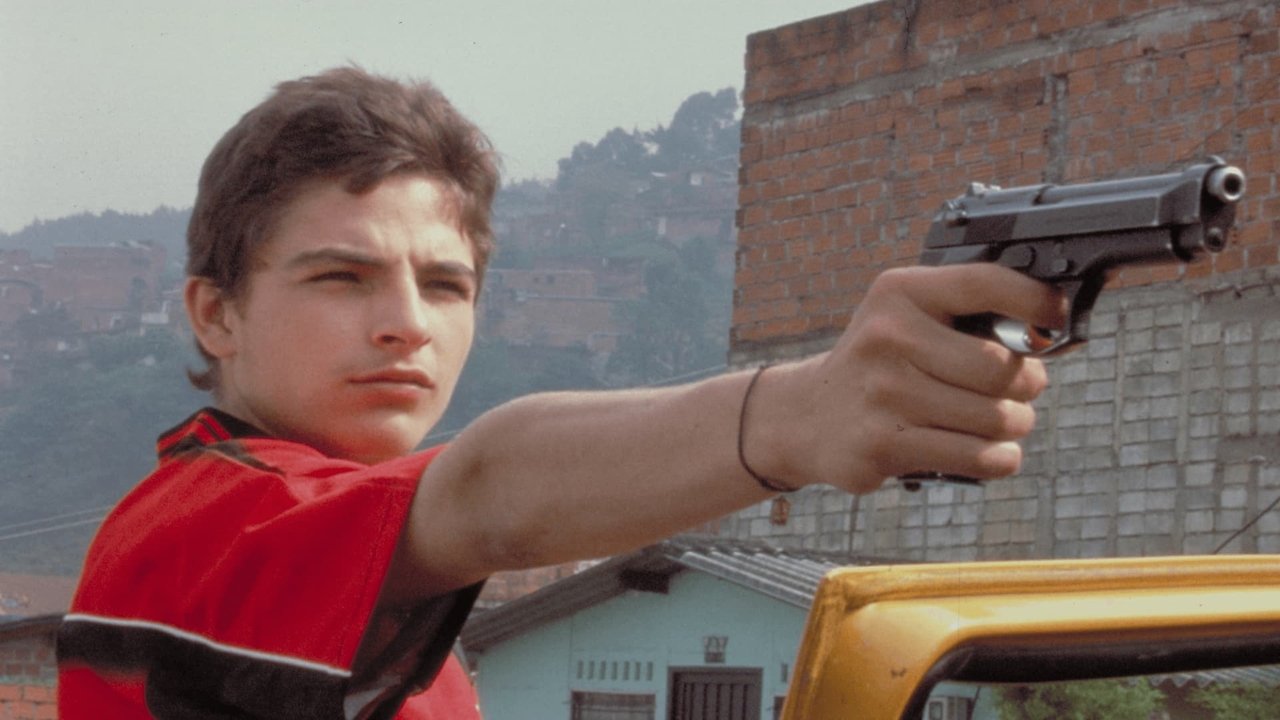
The young actors, Anderson Ballesteros as the volatile Alexis and later Juan David Restrepo as Wilmar (another young sicario Fernando tragically connects with), are utterly convincing. They embody the chilling reality of boys forced into manhood by violence, their innocence lost somewhere between poverty and the pull of a trigger. There's a heartbreaking authenticity to their portrayals – reportedly, some non-professional actors with real-life proximity to this world were cast, adding another layer of unsettling realism. Their casual relationship with murder is perhaps the film's most disturbing element. A grievance, a slight, even just a perceived annoyance – any can be justification for immediate execution, often accompanied by a disturbingly casual sign of the cross.
### Art Amidst the Carnage
Schroeder doesn't shy away from the brutality, but he also doesn't sensationalize it. The violence is abrupt, shocking, and often occurs with little fanfare, mirroring the bleak reality it depicts. It’s interwoven with moments of surprising tenderness between Fernando and his young lovers, set against the constant thrum of the city – the music, the gunfire, the prayers. The film constantly juxtaposes the sacred and the profane, most pointedly in its title, linking the Virgin Mary to the young assassins who often wear her image while committing murder. What does faith mean in a place seemingly abandoned by grace?
Interestingly, the film’s production itself was fraught. Beyond the dangers of shooting in active gang territories, Schroeder had to navigate the ethical complexities of portraying such a raw and specific reality. The use of digital video, while budget-friendly ($1.5 million budget, a modest figure even then) and facilitating a low profile, also marked it as one of the earliest features shot entirely digitally, placing it technically ahead of its time, even if the visual texture feels distinctly of that transitional period between film and digital dominance. This technical footnote adds another layer to its identity as a film caught between eras, much like its protagonist is caught between his past and a hopeless present.
### Lingering Questions
Our Lady of the Assassins is not a film you "enjoy" in the conventional sense. It's challenging, provocative, and deeply unsettling. It forces you to confront uncomfortable truths about poverty, violence, exploitation, and the strange ways love can manifest in the darkest corners. It's the kind of film that might have been a hidden gem at the back of the video store, rented perhaps out of curiosity sparked by its provocative title or Schroeder's name, leaving you profoundly affected long after the tape stopped whirring (or the early DVD finished spinning).
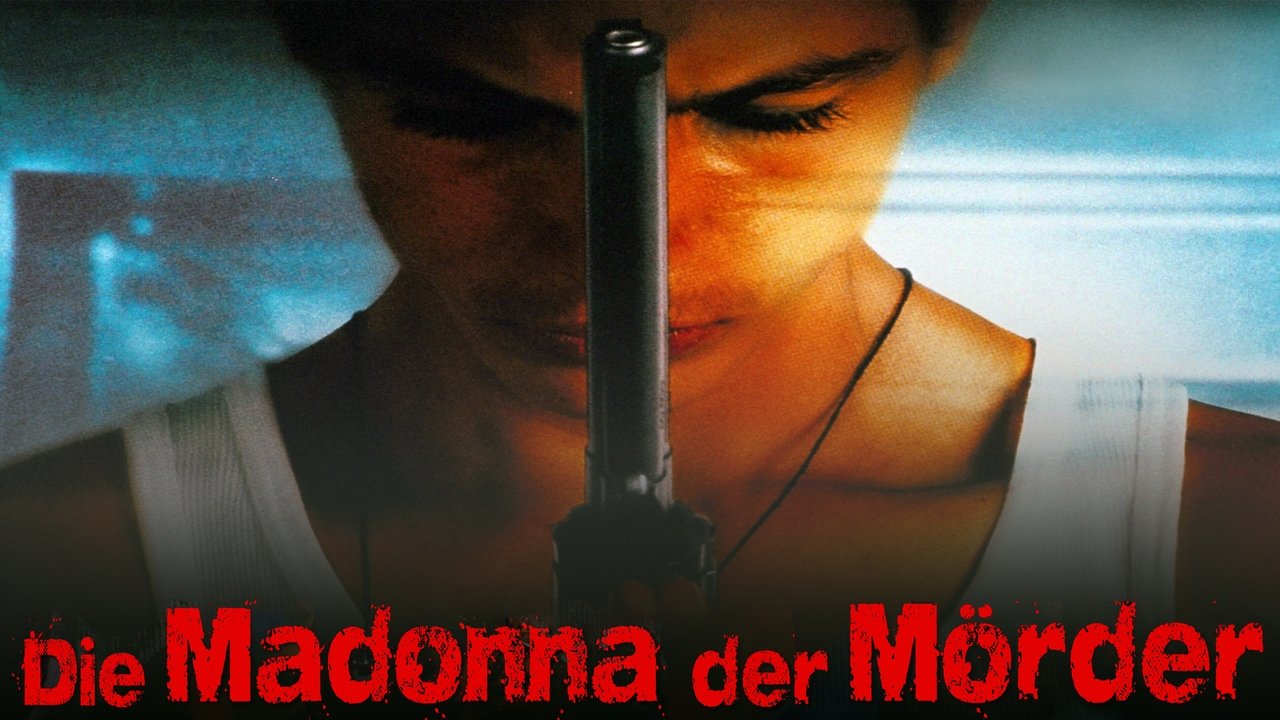
Does Fernando find any redemption? Does the cycle of violence offer any escape? The film offers no solace, only a stark, unflinching portrait of a specific time and place, rendered with a raw immediacy that digital video uniquely enabled. It’s a powerful, difficult piece of cinema that refuses to look away.
Rating: 8/10 - This score reflects the film's undeniable power, fearless direction, and compelling, albeit disturbing, performances. It's a significant work for its unflinching portrayal of a brutal reality and its early adoption of digital filmmaking. However, its extreme bleakness, challenging protagonist, and graphic content make it a difficult watch that won't resonate with everyone, preventing a higher score purely based on universal appeal or rewatchability.
Final Thought: More than two decades later, the questions Our Lady of the Assassins raises about cycles of violence and despair in forgotten communities feel tragically relevant, a stark reminder captured with the raw urgency of a new technology meeting an old, intractable reality.