Here we are, back in the glow of the screen, but perhaps with a slightly different kind of chill running down the spine than usual for VHS Heaven. We're nudging just past our beloved decades into the year 2000, but for a film that feels timeless in its unease, directed by a master craftsman whose career spanned eras: Claude Chabrol. His film Nightcap (or Merci pour le chocolat, its arguably more evocative French title) doesn't burst onto the screen with explosions or synth scores. Instead, it settles over you like a fine, cool mist, slowly revealing the disturbing contours of what lies beneath a placid surface. It arrived perhaps as VHS was beginning its slow fade, a swan song for a certain kind of deliberate, unnerving storytelling perfect for a quiet, contemplative viewing.
A Swiss Chill
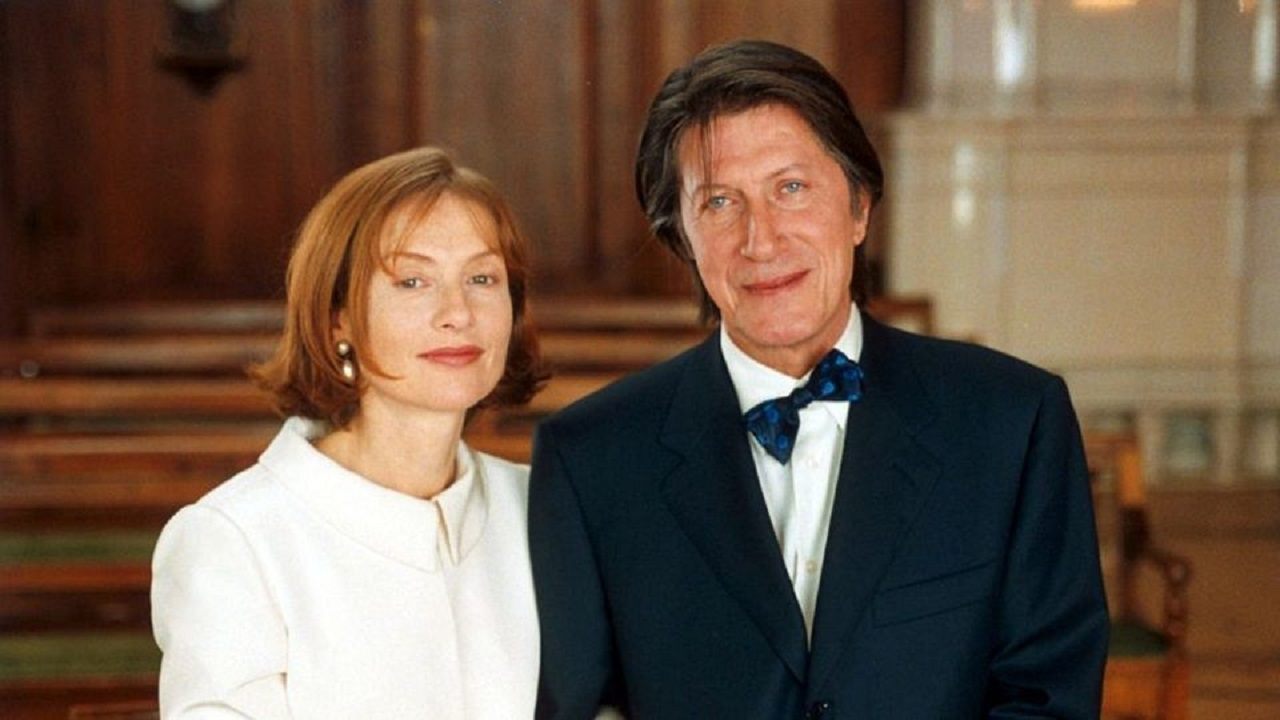
The setting is Switzerland, amongst the discreetly wealthy. André Polonski (Jacques Dutronc, the effortlessly cool French singer and actor), a renowned concert pianist, remarries his first wife, Mika Muller (Isabelle Huppert), the heiress to a chocolate fortune, years after his second wife died in a car crash. Living with them is Guillaume (Rodolphe Pauly), André’s son from his second marriage. Into this seemingly ordered, affluent world steps Jeanne Pollet (Anna Mouglalis), a young, talented pianist who suspects she might have been switched at birth with Guillaume in the hospital. This catalyst gently pries open the lid on a Pandora's box of suppressed history, quiet manipulations, and potentially lethal secrets, all centered around the enigmatic figure of Mika.
The Chabrolian Gaze
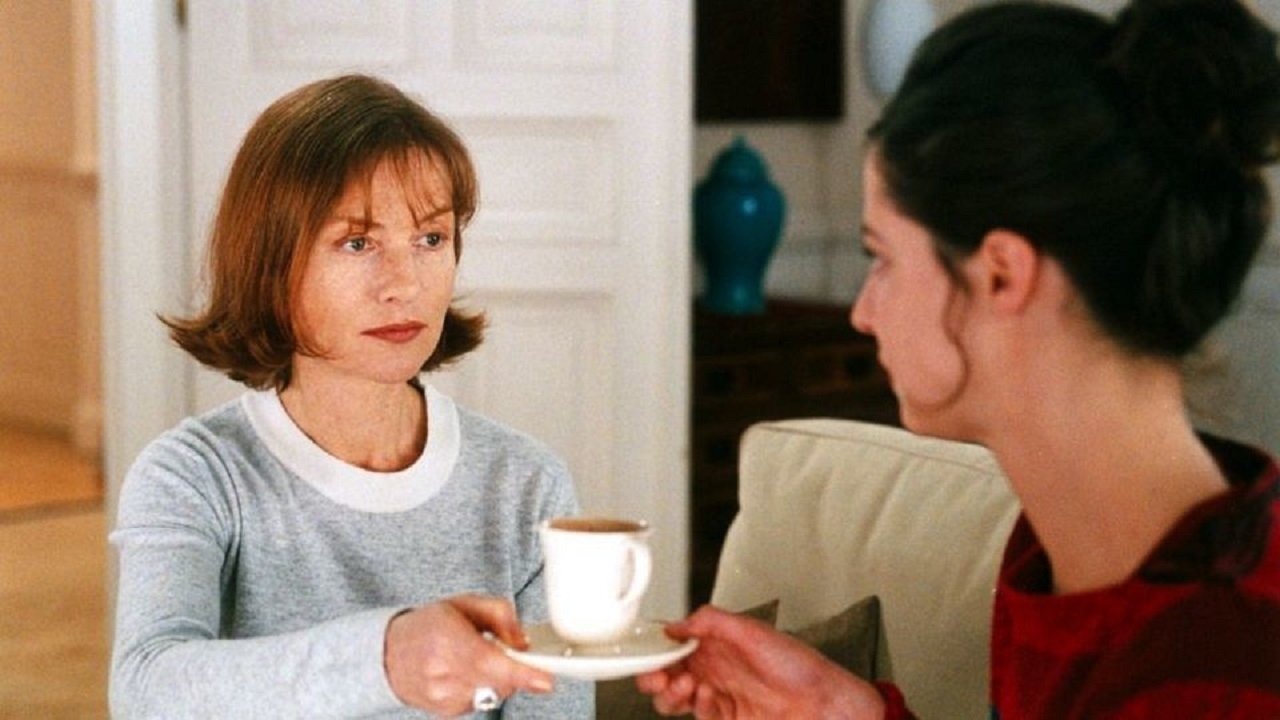
This is pure Claude Chabrol, often dubbed the "French Hitchcock," but his style here is less about overt suspense mechanics and more about meticulous observation. He places his camera with an unnerving precision, often holding shots slightly longer than comfortable, forcing us to scrutinize the elegant interiors and the carefully composed faces within them. There's a distinct lack of melodrama; the tension simmers beneath polite conversation and domestic routines. The film builds its power not through jump scares or chases, but through the slow accretion of details, ambiguous gestures, and conversations heavy with unspoken meaning. Remember watching films like this, where the quiet moments felt louder than any action sequence? Chabrol masterfully uses the stillness of the Swiss lakeside setting to amplify the internal turmoil.
Huppert: An Ice Queen's Masterclass
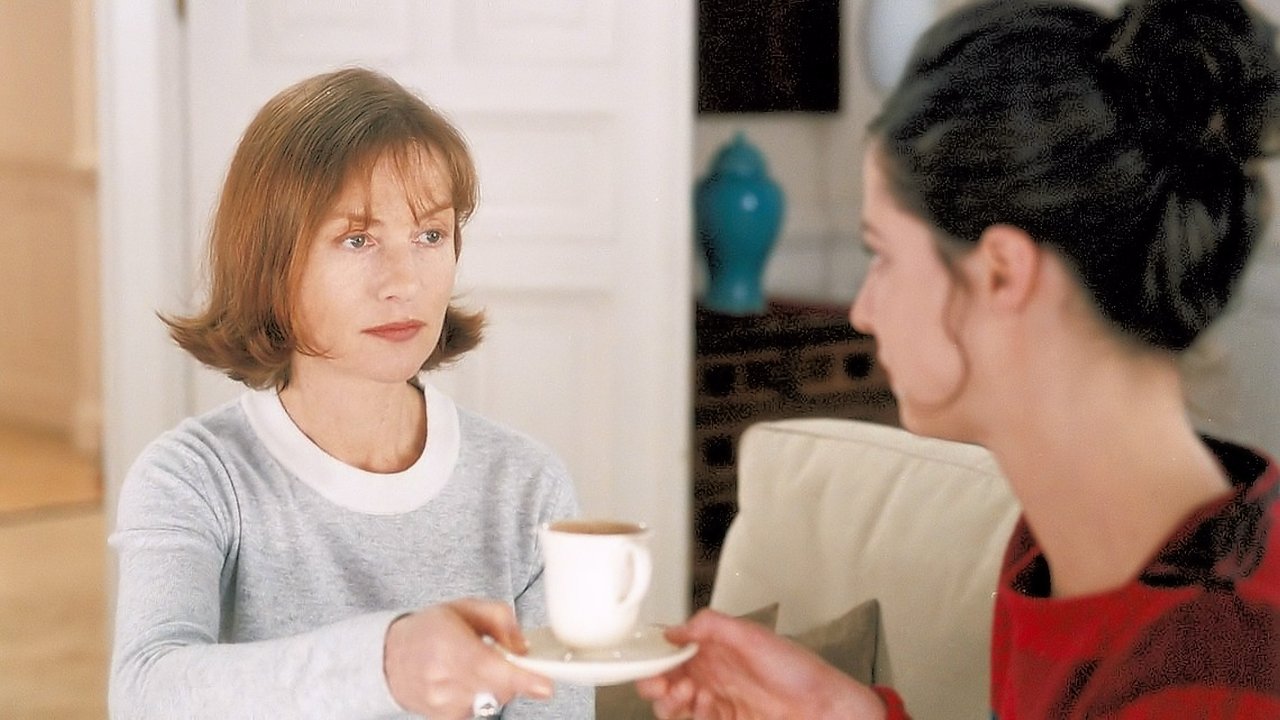
At the absolute core of Nightcap is Isabelle Huppert. Her collaboration with Chabrol yielded some of French cinema's most indelible portraits of complex, often dangerous women (Violette Nozière (1978), La Cérémonie (1995)), and Mika Muller is another chilling addition to that gallery. Huppert doesn't play Mika as a mustache-twirling villain. Instead, she presents a façade of perfect bourgeois control – gracious hostess, supportive wife, astute businesswoman running the chocolate empire. Yet, beneath this glacial composure, Huppert subtly reveals flickers of something deeply unsettling. A slight tightening around the eyes, a pause that lasts a fraction too long, the unnerving diligence with which she prepares nightly cups of hot chocolate… it’s a masterclass in conveying profound psychological disturbance through minimalist means. You find yourself leaning in, trying to decipher the truth behind her placid mask. What truly motivates Mika? Is it love, jealousy, control, or something far more ingrained and pathological? Huppert ensures the answer remains tantalizingly ambiguous.
Beyond the Surface
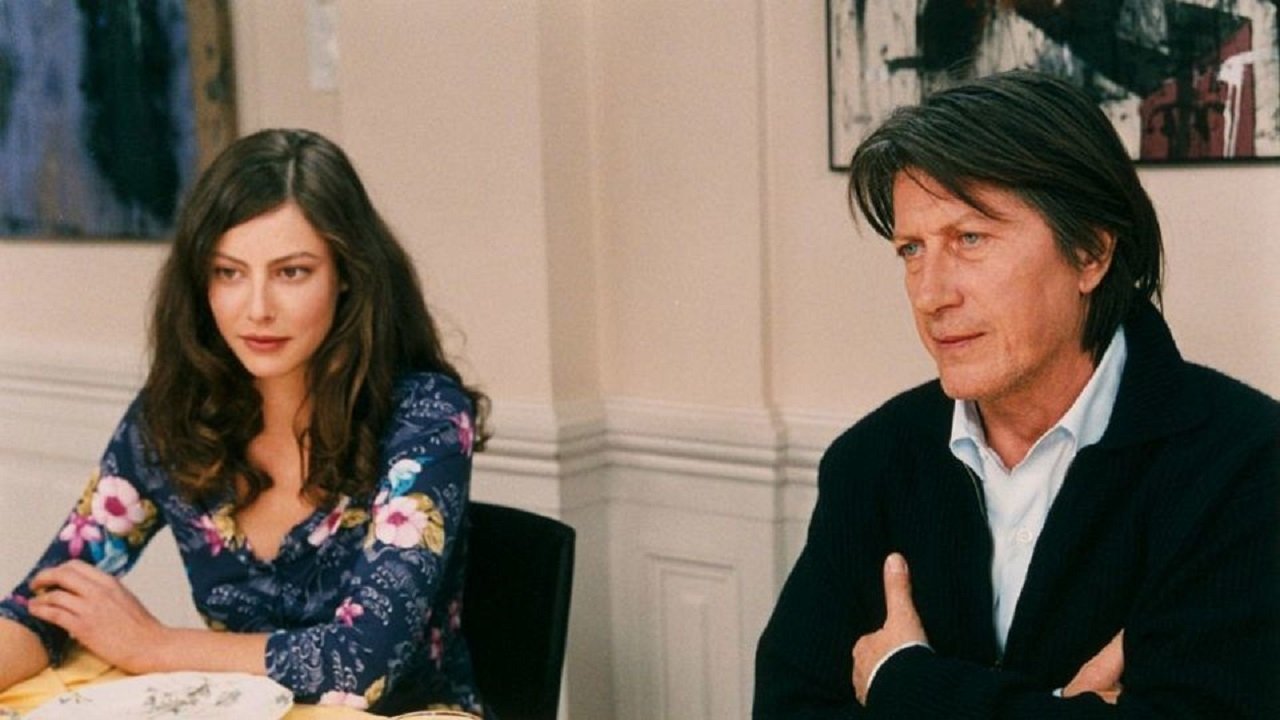
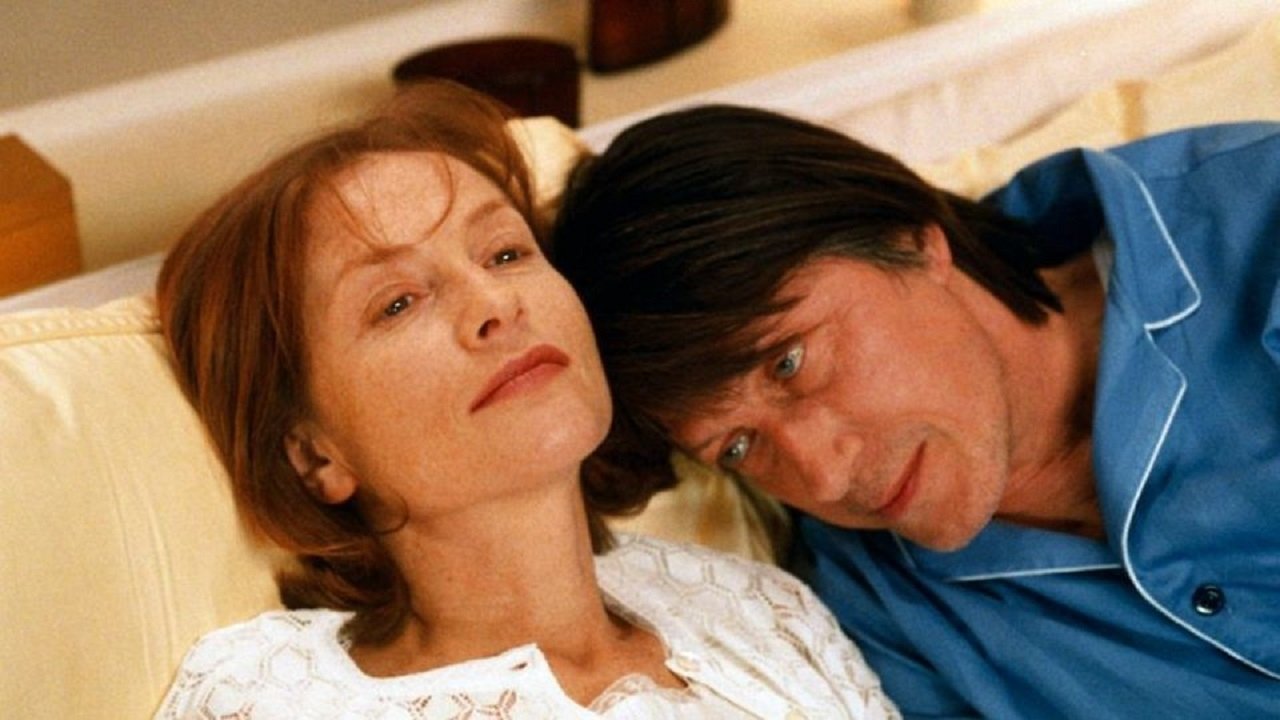
The supporting cast is excellent, serving as crucial counterpoints. Jacques Dutronc embodies André with a weary charm, a man perhaps willfully blind to the undercurrents in his own home, lost in his music. Anna Mouglalis, in one of her early major roles, brings a youthful directness and curiosity as Jeanne, the outsider whose arrival disrupts the fragile equilibrium. Her interactions with Huppert are particularly charged, a fascinating dance between suspicion and politesse.
The film itself is adapted from Charlotte Armstrong's 1948 novel The Chocolate Cobweb, but Chabrol, along with co-writer Caroline Eliacheff, strips away some of the novel's more explicit pulp elements, refining it into this cooler, more observational study of hidden darkness. It’s a testament to Chabrol’s skill that he can make the simple act of preparing hot chocolate feel freighted with menace. It's worth noting the film was highly regarded critically, even winning France's prestigious Louis Delluc Prize for Best Film – a sign that its quiet power resonated deeply. Though its box office was modest (around $4.6 million worldwide on a $3.6 million budget), its reputation as a key work in Chabrol's later period, and another stunning showcase for Huppert, is secure.
A Quiet Unsettling
Nightcap isn't a film that shouts its intentions. It whispers them, trusting the viewer to piece together the unsettling puzzle. It explores the suffocating nature of bourgeois propriety, the secrets families keep, and the subtle ways control can be exerted. It might lack the immediate genre thrills some crave, but its power lies in its insidious atmosphere and the unforgettable portrayal of its central character. It’s the kind of film that rewards patience, drawing you into its meticulously crafted world until you feel the chill seep into your bones. It asks us to consider what lies beneath the perfect surfaces we encounter, both in others and perhaps, unsettlingly, in ourselves.
Rating: 8/10
This score reflects a master filmmaker and a brilliant lead actress working in perfect synchronicity. The deliberate pacing and cool detachment might distance some viewers expecting more overt thrills, but for those who appreciate psychological nuance and atmospheric tension, Nightcap is superb. Its strength lies in its subtlety, its controlled direction, and Huppert's absolutely magnetic, chilling performance which elevates the material significantly.
It might have arrived at the dawn of a new millennium, but Nightcap feels like a perfect, dark gem to discover (or rediscover) – a potent reminder that sometimes the most terrifying things are hidden in plain sight, perhaps even in a comforting cup of chocolate.