Some conflicts simmer beneath the surface, others rage like a cold, relentless North Sea wind. In Mike van Diem's Character (Dutch: Karakter), the battle between father and son isn't just familial discord; it's an elemental struggle etched against the grimy, imposing backdrop of 1920s Rotterdam. Released in 1997 and surprising many by clinching the Academy Award for Best Foreign Language Film, this Dutch powerhouse wasn't your typical video store discovery nestled between the latest action flicks. Yet, finding this tape felt like uncovering something substantial, a film with the weight and texture of the industrial age it so vividly portrays. It stays with you, gnawing at the edges of your thoughts long after the VCR whirred to a stop.
A City Forged in Steel and Spite
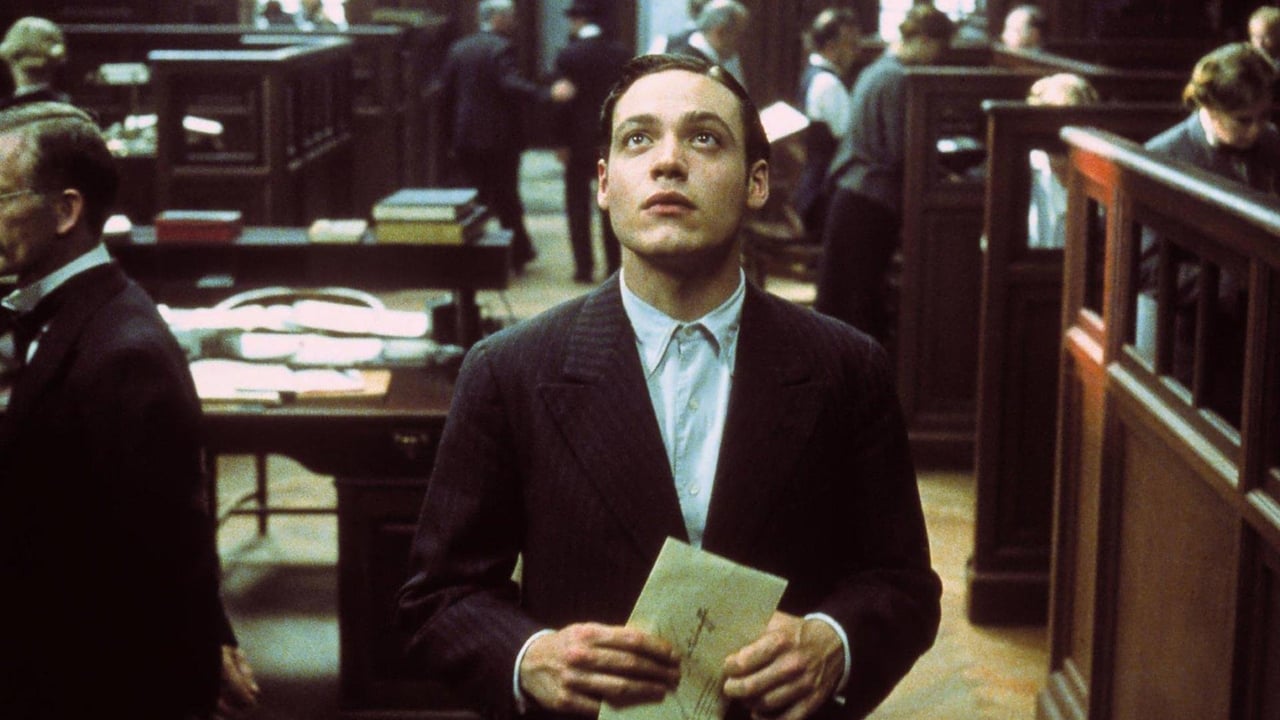
The story opens with Jacob Willem Katadreuffe (Fedja van Huêt) being arrested for the suspected murder of Arend Barent Dreverhaven (Jan Decleir), a feared and ruthless bailiff. As Katadreuffe recounts his life story to the police inspector, the film flashes back, revealing Dreverhaven is not only his alleged victim but also his illegitimate father – a man who has systematically, almost silently, obstructed his son's every attempt to rise above his impoverished circumstances. Katadreuffe, fueled by a fierce, almost obsessive ambition to become a lawyer, sees his father as the ultimate obstacle, a monolithic embodiment of the forces holding him down. Their interactions are sparse, charged with unspoken animosity, each encounter a tactical move in a lifelong war of wills.
What immediately strikes you about Character is its oppressive, yet captivating atmosphere. Director Mike van Diem, adapting the revered 1938 novel by Ferdinand Bordewijk, doesn't just film Rotterdam; he conjures a living, breathing entity out of brick, smoke, and perpetual damp. The cinematography by Rogier Stoffers (who would later lens films as diverse as School of Rock and Disturbia) is exceptional, painting the city in stark, desaturated tones. Towering bridges, bustling docks, and shadowy back alleys become more than just locations; they are extensions of the characters' internal struggles, reflecting the crushing weight of poverty and the sheer industrial scale against which Katadreuffe pits his individual determination. You can almost smell the coal dust and the harbour chill. Recreating this period on what was, for the Netherlands, a fairly substantial budget (around 8 million Dutch guilders, roughly $4 million USD at the time) was clearly a labour of love, and it pays off immensely in immersing the viewer.
The Unmovable Object, The Irresistible Force
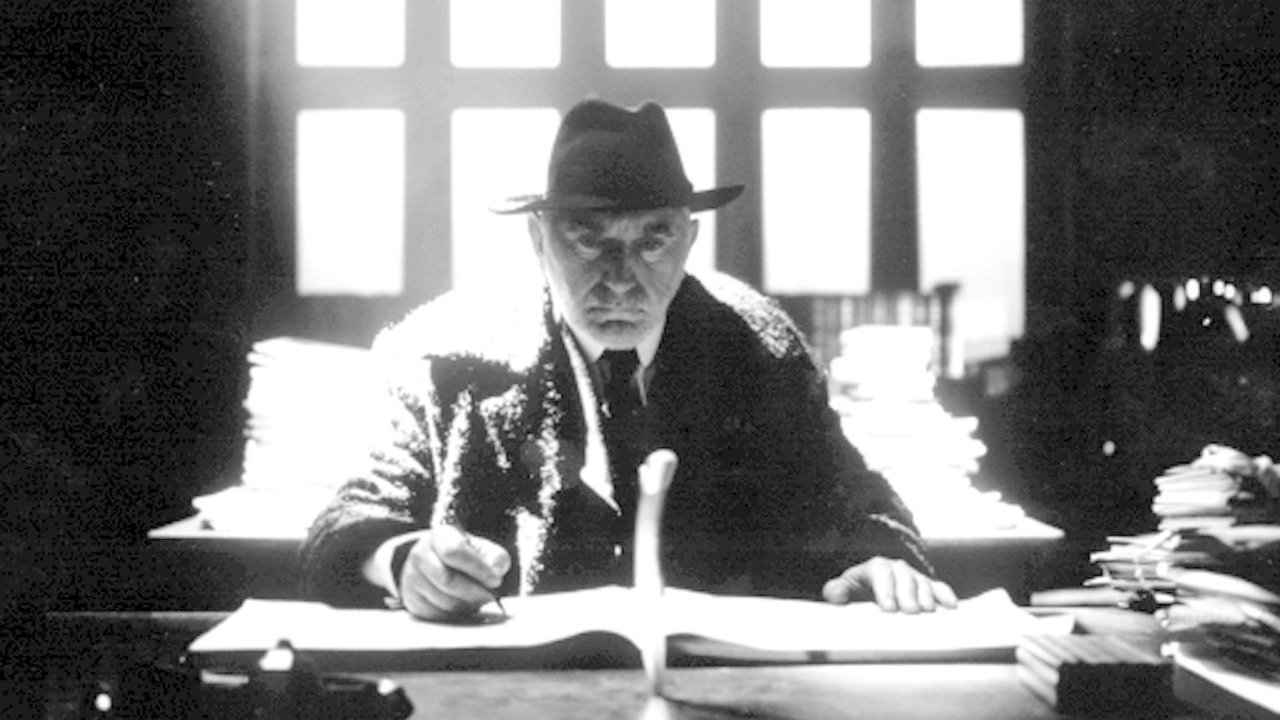
At the core of the film's enduring power are the performances, particularly the central duo. Jan Decleir as Dreverhaven is terrifying. He is a figure of almost mythic cruelty, yet Decleir plays him with an unnerving stillness. His power isn't in explosive rage, but in calculated silence, a chillingly blank stare, and the precise, methodical way he tightens the screws on his son's life. There's a profound lack of overt malice; it's presented almost as an impersonal force, like gravity or relentless decay. It’s a performance built on presence and unnerving restraint, making Dreverhaven one of European cinema’s most formidable antagonists. Decleir was already a titan of Belgian and Dutch film, known for roles like the lead in the Oscar-nominated Daens (1992), and his work here is a masterclass.
Matching him is Fedja van Huêt as Katadreuffe. In a demanding role that requires him to convey burning ambition, simmering resentment, and desperate vulnerability often without dialogue, van Huêt is remarkable. He embodies the "character" of the title – not just personality, but sheer, unyielding willpower forged in adversity. You see the toll this relentless climb takes on him, the way his ambition isolates him, making his infrequent moments of connection, particularly with his gentle, long-suffering mother Joba (Betty Schuurman, delivering a quietly heartbreaking performance), all the more poignant. The dynamic between father and son is electric precisely because it's so repressed; their war is fought in legal documents, financial ruin, and charged glances across crowded rooms.
Echoes of Obsession
Character delves into complex themes: the crushing influence of social class, the nature of ambition, the question of whether we are products of our environment or masters of our fate. Is Dreverhaven deliberately trying to destroy his son, or is he, in some twisted way, testing and forging his character through relentless opposition? The film wisely leaves room for interpretation. It avoids easy answers, forcing us to confront the bleakness of Katadreuffe's struggle and the ambiguity of his father's motives.
Interestingly, the film streamlines some of the novel's subplots, focusing intently on the central conflict. This decision sharpens the narrative drive, making it a more accessible, albeit still challenging, cinematic experience. Its Oscar win felt significant, a recognition of powerful, character-driven filmmaking that stood apart from more conventional fare. It wasn’t necessarily the kind of movie you'd casually rent for a Friday night pizza party, but for those who stumbled upon it, perhaps drawn by the Academy Award seal on the VHS box, it offered a profound and unsettling journey. I remember finding it in the 'Foreign Films' section of my local rental store, a stark contrast to the colourful action movie covers surrounding it, and feeling like I’d unearthed something special, something darker and more demanding.
Rating: 9/10
This score reflects the film's exceptional craft, its powerhouse performances (especially Decleir and van Huêt), and its deeply resonant, albeit grim, exploration of ambition and paternal conflict. The direction is assured, the atmosphere is unforgettable, and the story possesses a stark, haunting power. It masterfully adapts its source material into a compelling cinematic experience that avoids easy moralizing. It might not be a feel-good film, but its artistry and intensity are undeniable.
Character lingers not as a simple story, but as a mood, an atmosphere – the taste of grit, the chill of unspoken hatred, the towering shadow of a father against the relentless ambition of a son. It asks us: what truly shapes us – our blood, our will, or the unforgiving world we strive against?