The air hangs thick and heavy, doesn't it? Not just with the literal, oppressive humidity of New York City in the summer of '77, but with something heavier: fear, suspicion, a simmering tension ready to boil over. Watching Spike Lee's Summer of Sam (1999) again after all these years, that feeling rushes back – the sweat on your brow, the unease in your gut. It’s less a whodunit about the infamous ".44 Caliber Killer" David Berkowitz, and more a pressure cooker study of how terror frays the bonds of a community, turning neighbors into suspects and amplifying every existing prejudice and personal failing. It landed towards the tail end of the VHS era, a stark, challenging film that felt worlds away from the usual blockbuster fare cluttering the New Rental shelves.
Under the Shadow of Son of Sam
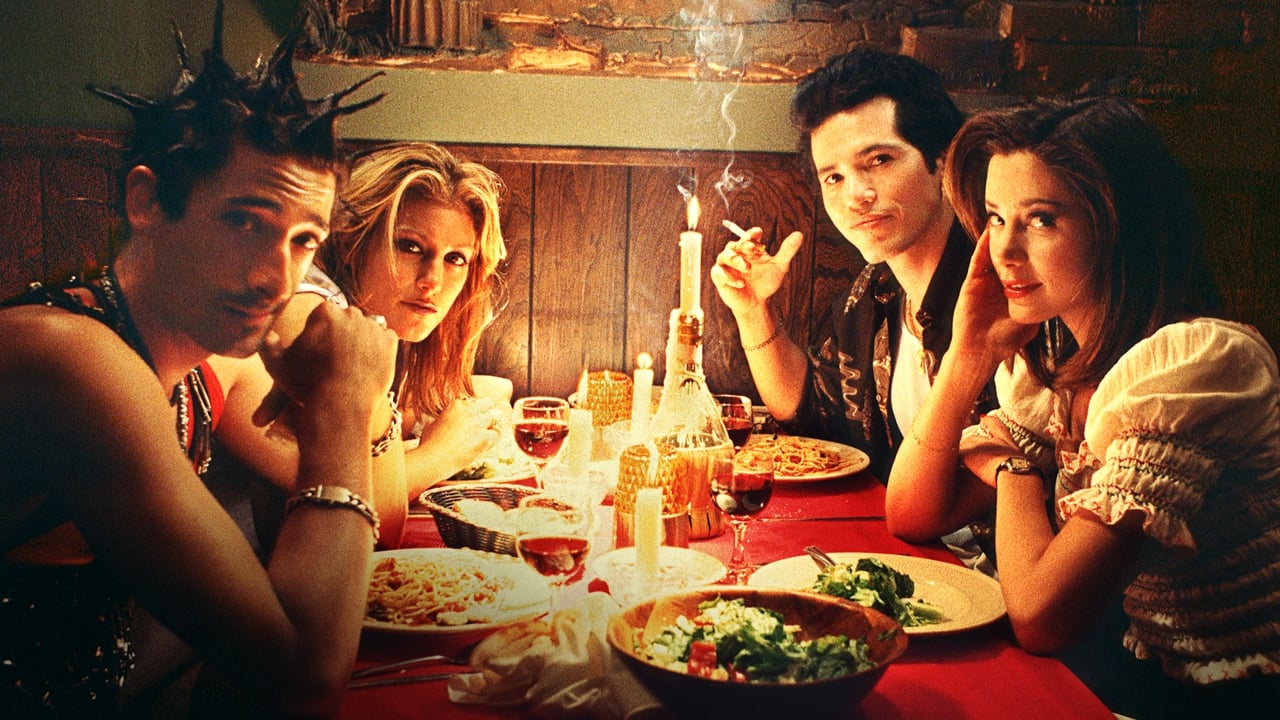
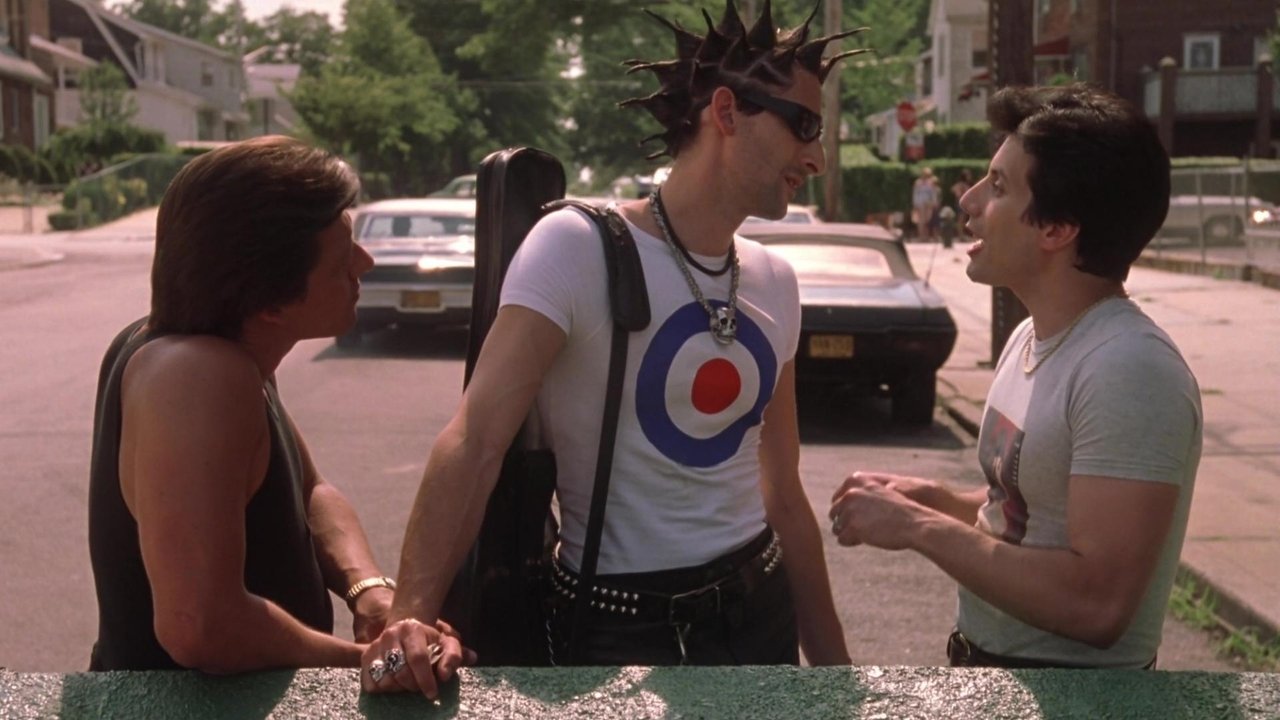
Set primarily in an Italian-American enclave in the Bronx during that terrifying summer, the film orbits a group of friends whose lives unravel against the backdrop of random violence. At the center are Vinny (a volatile, magnetic John Leguizamo), a hairdresser grappling with his compulsive infidelity despite his love for his wife Dionna (an incredibly nuanced Mira Sorvino), and Ritchie ( Adrien Brody), Vinny’s childhood friend who has embraced the burgeoning punk scene, complete with spiky hair and a British accent, making him an immediate outsider. The serial killer stalking the city acts as a catalyst, forcing secrets to the surface and paranoia to run rampant. Who is the killer? The fear twists rational thought, leading the local toughs, spurred on by mob figure Luigi (Ben Gazzara), to compile their own list of suspects, inevitably targeting anyone who doesn’t fit their narrow definition of normal – Ritchie chief among them.
Spike Lee's Incendiary Vision
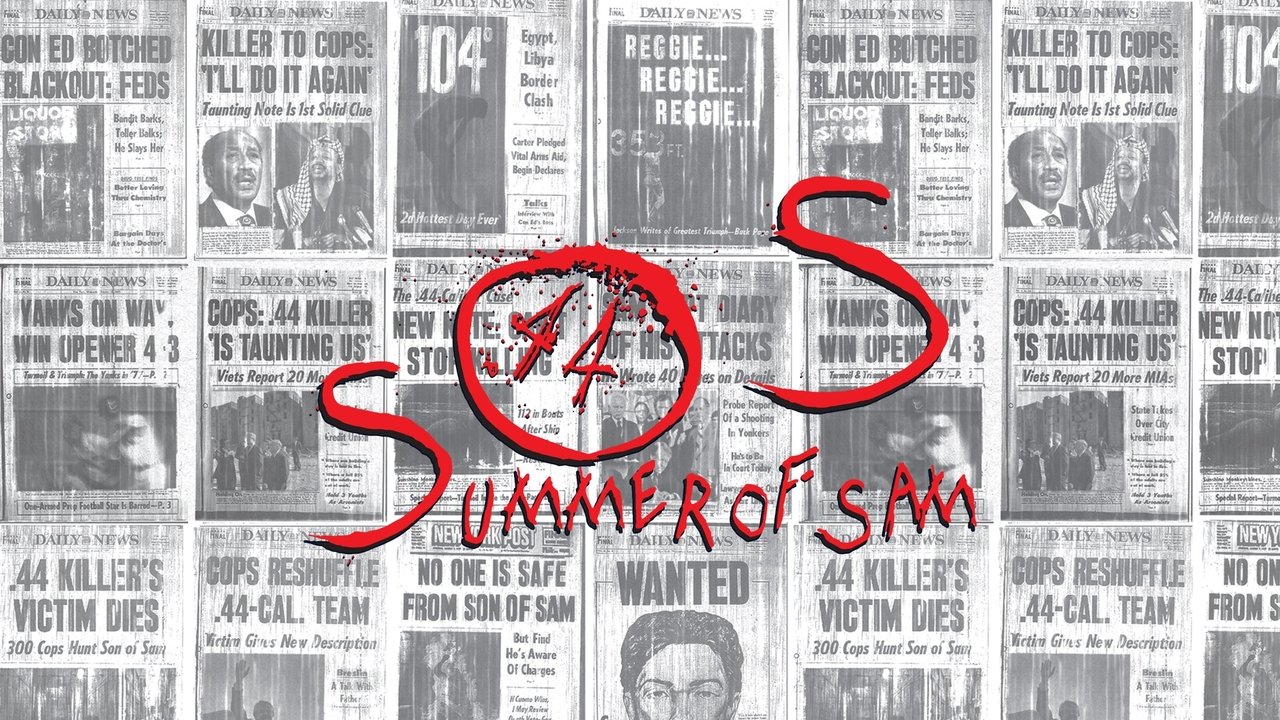
This isn't your standard thriller narrative. Spike Lee, working from a script he co-wrote with actors Victor Colicchio and Michael Imperioli (both of whom appear in the film – Imperioli memorably as the ill-fated Midway), uses the Son of Sam killings as a lens to dissect the social fabric. Much like he weaponized the summer heat to expose racial tensions in Do the Right Thing (1989), here the external threat peels back layers of machismo, misogyny, homophobia, and simmering resentment within this specific community. Lee’s direction is typically energetic and confrontational. He employs jarring cuts, direct-to-camera addresses (most chillingly from the killer himself, played by Michael Badalucco), and a killer soundtrack that brilliantly juxtaposes the hedonistic escape of disco with the nihilistic fury of punk – mirroring the internal conflicts of the characters.
Performances Forged in Fire
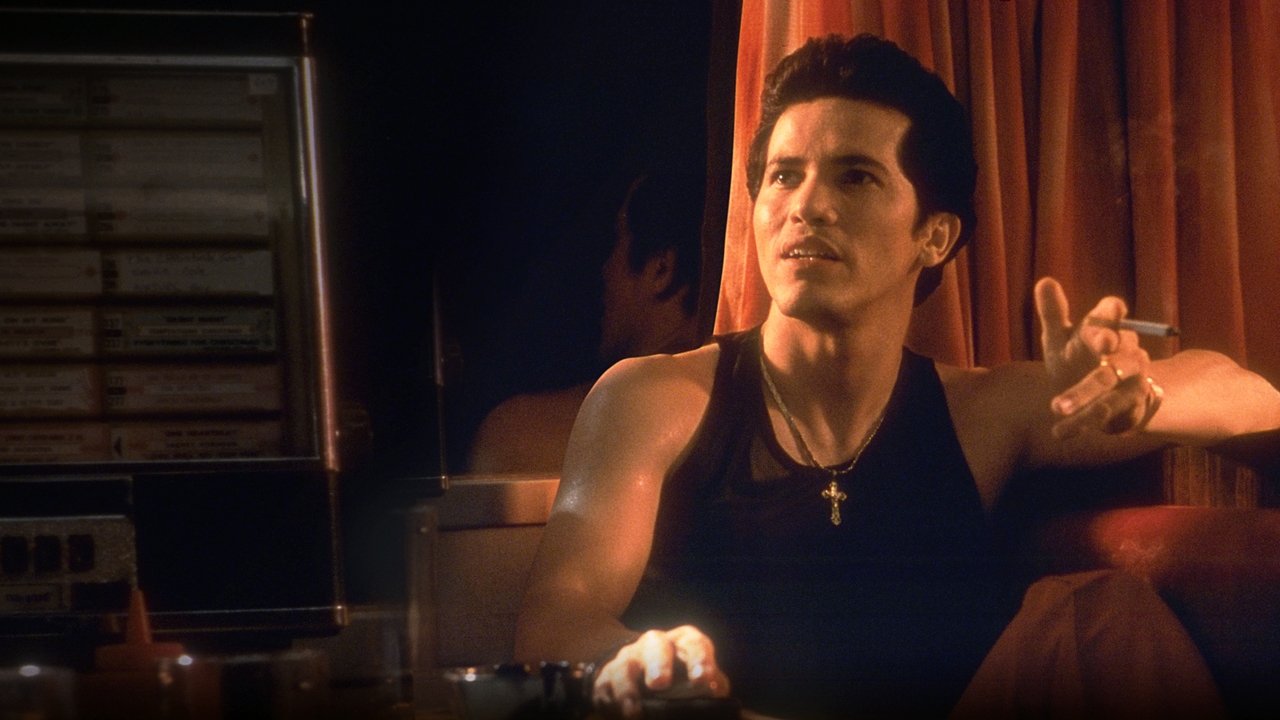
The acting here is uniformly potent, feeling raw and lived-in. John Leguizamo embodies Vinny’s contradictions – the swagger, the charm, the desperate insecurity fueling his destructive behavior. You see the struggle within him, the self-loathing beneath the bravado. Mira Sorvino, fresh off her Oscar win for Mighty Aphrodite (1995), is devastating as Dionna. She navigates Dionna’s journey from hurt and confusion to a quiet exploration of her own desires with heartbreaking authenticity. But it’s perhaps Adrien Brody who leaves the most indelible mark. His Ritchie is fascinating – a kid seeking identity in rebellion, whose punk persona becomes both armor and target. Brody captures the vulnerability beneath the spikes and safety pins, making the community’s turn against him all the more disturbing. His commitment is total; you believe his alienation. It’s a performance that hinted strongly at the powerhouse talent he would soon fully unleash (The Pianist arrived just three years later).
More Than Just Headlines
What lingers about Summer of Sam isn't just the historical context, but how accurately it captures the feeling of collective panic. Lee isn't interested in lionizing the victims or solely demonizing the killer; he's interested in the ripple effect, the social pathology that fear breeds. The film sparked some controversy upon release, with criticisms leveled at its graphic nature and its portrayal of the Italian-American community. Yet, Lee’s focus feels less like an indictment of a specific group and more an examination of universal human frailties under extreme duress. How quickly does "us" turn against "them" when fear takes hold? Doesn't that question still resonate profoundly today?
Interestingly, the initial script, penned by Colicchio and Imperioli, focused more tightly on the neighborhood characters before Lee came aboard and expanded the scope to more explicitly include the Son of Sam elements and his signature thematic concerns. While not a box office smash (grossing around $19.3 million against a $22 million budget), its reputation as a complex, unsettling piece of late-90s cinema has only grown. I remember renting this double-VHS set – yes, it was one of those – and being struck by its intensity, its refusal to offer easy answers or comforting resolutions. It felt dangerous, necessary.
The Verdict

Summer of Sam is a challenging, often uncomfortable watch, but a deeply rewarding one. It’s a potent cocktail of historical drama, character study, and social commentary, fired by Spike Lee’s unmistakable cinematic energy and anchored by searing performances. It captures a specific moment in time with unnerving accuracy while exploring timeless questions about fear, identity, and the darkness that can lurk beneath the surface of any community.
Rating: 8.5/10 - The score reflects the film's powerful direction, unforgettable performances, and ambitious thematic scope. It masterfully blends period detail with urgent social commentary, creating an atmosphere that's both specific to '77 NYC and hauntingly universal. While its intensity and graphic moments might not be for everyone, its artistic merit and thought-provoking nature are undeniable. It earns its place as a significant, if sometimes overlooked, entry in Spike Lee's filmography and a standout drama from the late VHS era.
What truly sticks with you isn't the violence of the killer, but the casual cruelty born from fear among friends and neighbors. That's the chill that lingers long after the tape rewinds.