Sometimes, a performance burns itself onto your memory not through grand gestures, but through a chilling, almost hypnotic stillness. Watching Adrien Brody in 1999's Oxygen is precisely that kind of experience. Long before his Oscar win for The Pianist, Brody delivered a turn here that’s so unnervingly charismatic, so deeply unsettling, it forms the dark, magnetic core around which this tightly wound thriller constricts. How does an actor convey such calculated menace with seemingly so little overt effort? That's the question that kept echoing long after the tape stopped whirring.

### A Race Against the Clock, Buried Alive
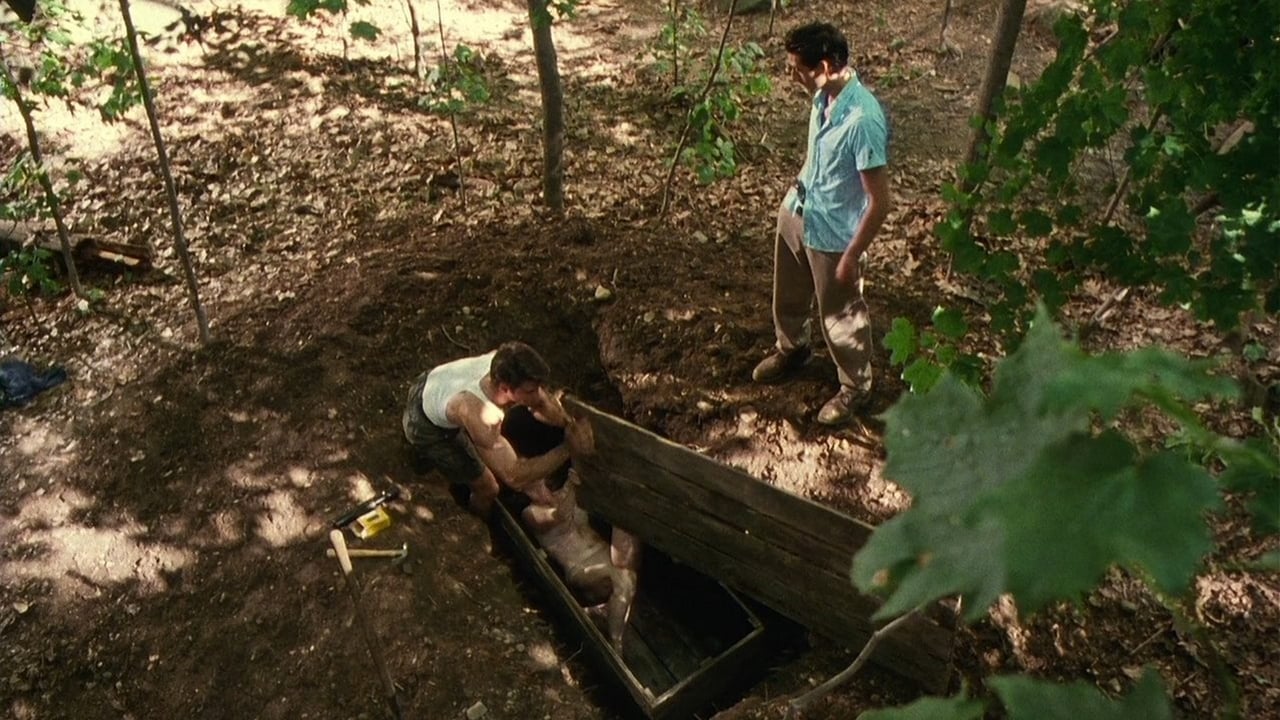
The premise of Oxygen taps into a primal fear with brutal efficiency: a wealthy woman is abducted and buried alive in a coffin-like box somewhere in New York City, equipped with only 24 hours of air. The kidnapper, calling himself Harry, is apprehended almost immediately, but refuses to reveal her location. Enter Detective Madeline Foster (Maura Tierney), a cop wrestling with her own demons, tasked with extracting the information from the coolly manipulative Harry before time runs out. What unfolds isn't just a rescue mission; it's a tense psychological battle confined largely to the stark walls of an interrogation room.
Richard Shepard, who both wrote and directed, crafts a film that feels lean and purposeful. There's little fat here. The ticking clock isn't just a plot device; it's felt in the pacing, the increasingly desperate glances exchanged, the mounting frustration in Tierney's performance. The film understands that true suspense often lies not in frantic action, but in the unbearable weight of waiting, the agonizing crawl of minutes when a life hangs in the balance. Doesn't that focus on psychological pressure feel distinctly different from the more bombastic thrillers common at the time?
### The Captor and the Detective
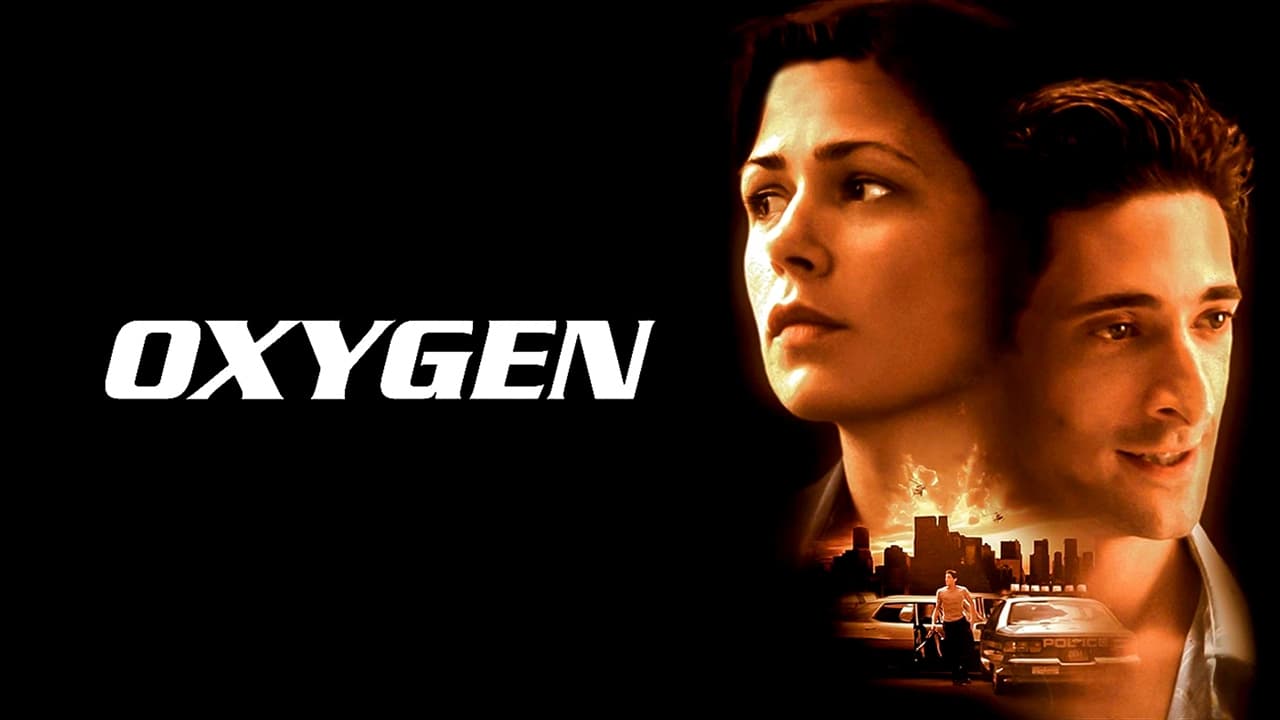
The film truly ignites in the scenes between Brody and Tierney. Maura Tierney, fresh off her NewsRadio run and really hitting her dramatic stride, provides the grounded, increasingly frayed emotional anchor. You see the toll the case takes on Detective Foster, the professional mask cracking under the strain of Harry's mind games and the horrifying reality of the victim's plight. Her performance is a study in controlled desperation, a perfect counterpoint to Brody's disturbing calm.
But it’s Adrien Brody’s Harry who dominates. He portrays the kidnapper not as a raving lunatic, but as an intelligent, articulate, almost playfully cruel individual seemingly deriving immense satisfaction from the control he wields. There's a disturbing charisma there, a way he uses language and subtle shifts in expression to manipulate and provoke. It’s a performance that foreshadows the incredible range he’d later display, proving his ability to command the screen with quiet intensity. Was there ever a more chillingly polite psychopath captured on late-90s video?
### Retro Fun Facts: Breathing Life into the Production
- Brody's Method: To fully inhabit the manipulative Harry, Adrien Brody reportedly isolated himself during the shoot, ensuring his interactions with Maura Tierney on screen carried an authentic tension and unfamiliarity. This dedication helps explain the genuine friction and psychological sparring we see.
- Budgetary Constraints, Creative Gains: Oxygen was produced on a relatively modest budget (around $3 million). This limitation likely influenced the film's focus on contained settings, particularly the interrogation room, forcing Richard Shepard to rely on performance, dialogue, and editing to generate suspense rather than elaborate set pieces – a choice that ultimately serves the story's claustrophobic nature well.
- HBO Premiere & VHS Life: While it had some festival play, Oxygen primarily found its audience through its HBO premiere and subsequent life on VHS and DVD shelves. It became one of those word-of-mouth discoveries for thriller fans browsing the video store aisles, a hidden gem often overshadowed by bigger studio releases of '99 like The Bone Collector or The Sixth Sense. Did you first stumble across this one late at night on cable, or tucked away in the 'Thriller' section?
- Shepard's Stepping Stone: This film was an important early feature for writer-director Richard Shepard, showcasing his knack for sharp dialogue and tense character dynamics. He'd later go on to direct films like The Matador (2005) and Dom Hemingway (2013), often exploring similarly complex and morally ambiguous characters.
### Claustrophobia and Mind Games
Shepard uses the limited locations effectively. The stark interrogation room becomes an arena, the camera often tight on the actors' faces, capturing every flicker of doubt, anger, or calculation. The cuts back to the buried victim serve as visceral reminders of the stakes, amplifying the urgency of Foster's task. While some plot elements might stretch credulity upon close inspection (a common trait in thrillers of this era, perhaps?), the core psychological duel remains compelling throughout. The film doesn't rely heavily on visual effects; its power comes from the actors and the tightening knot of suspense created through editing and Shepard's focused direction. It’s a reminder that sometimes the most effective scares are the ones playing out in the mind.
### Final Thoughts: A Breath of Tense Air
Oxygen is a prime example of a late-90s thriller that punches above its weight, largely thanks to the mesmerizing central performances and a premise that grabs you by the throat. It might not have the polish or budget of its mainstream contemporaries, but its raw intensity and focus on psychological warfare make it a memorable and deeply unsettling watch. The cat-and-mouse game between Tierney and Brody is electric, and Brody's portrayal of Harry is genuinely chilling, lingering long after the credits. While certain plot mechanics feel a bit convenient, the core tension is expertly maintained.
Rating: 7.5/10
Justification: The score reflects the film's significant strengths – primarily the outstanding, career-making-level performance from Adrien Brody and the compelling dynamic with Maura Tierney. The direction effectively builds suspense within its constraints, and the core premise is inherently gripping. It loses a few points for some predictable thriller tropes and plot conveniences that slightly undercut the realism, but the sheer power of the central performances and the sustained tension make it a strong recommendation for fans of the genre.
What Oxygen leaves you with is not just the memory of a tense thriller plot, but the quiet, unnerving echo of Harry's manipulative intelligence, a testament to how a single, perfectly calibrated performance can elevate a film into something truly worth digging up from the video vaults.