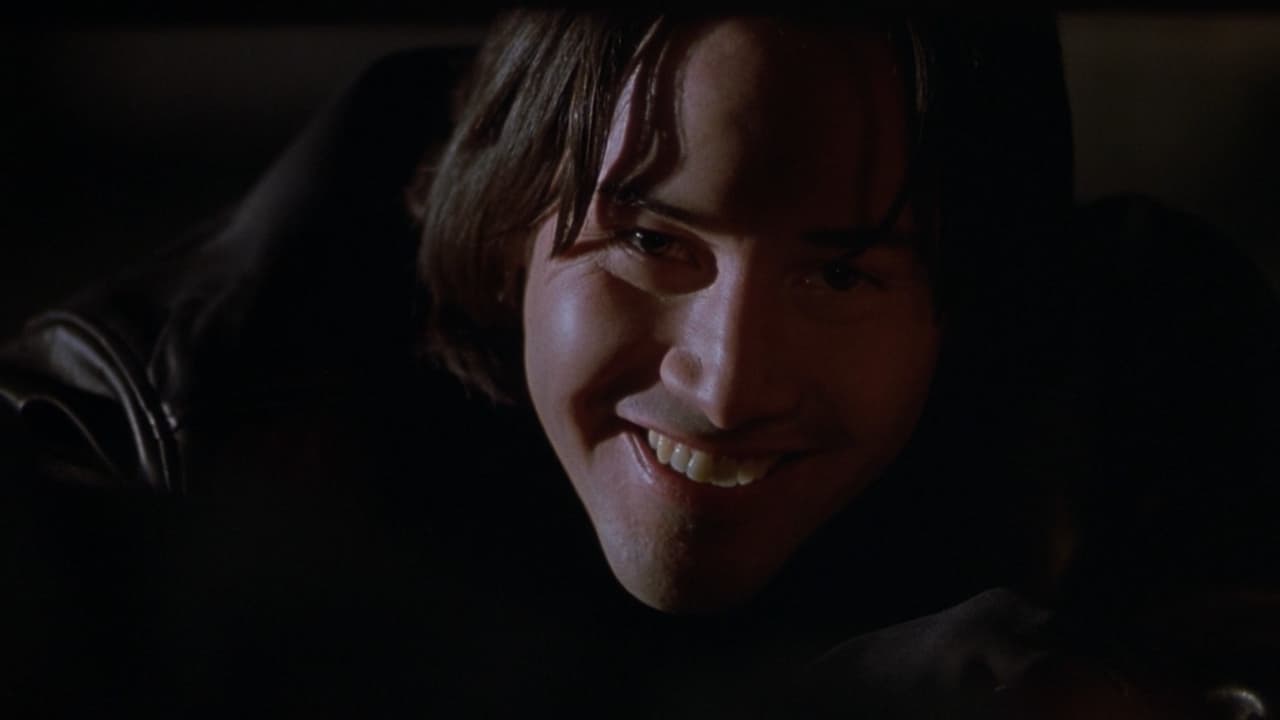
The face is familiar, almost jarringly so. It’s the hero, the chosen one, the guy who dodged bullets in slow motion just a year prior. But here, in the grimy alleys and rain-slicked streets of The Watcher (2000), that same face – Keanu Reeves’ – belongs to the monster. There’s an immediate, uncomfortable friction watching him play David Allen Griffin, a meticulous, taunting serial killer. It feels wrong, and that dissonance becomes the strange, troubled heartbeat of a thriller that arrived just as the VHS era was flickering towards its end credits. Perhaps the most chilling story connected to The Watcher isn't entirely fictional; Reeves himself has spoken about feeling coerced into the role after preliminary involvement, leading to a participation shrouded in reluctance and a refusal to do any press. Knowing that adds a layer of genuine unease that the film itself sometimes struggles to sustain.
A Shadow Over Chicago
Burned-out FBI agent Joel Campbell (James Spader) has fled Los Angeles and its ghosts, seeking anonymity and quiet torment in Chicago. Haunted by his failure to capture Griffin years earlier, Campbell is a wreck – plagued by migraines, reliant on medication, attempting therapy with Dr. Polly Beilman (Marisa Tomei), and living in self-imposed exile. But Griffin hasn't forgotten him. The killer follows, bringing his deadly game to Campbell's new city. He sends Campbell photos of his next intended victim, giving him just 24 hours to find her before she dies, forcing the agent back into the hunt he desperately tried to escape. It’s a classic cat-and-mouse setup, steeped in the kind of urban decay and psychological gloom that became fashionable after Seven (1995) rewrote the rulebook for serial killer flicks.
The Reluctant Predator
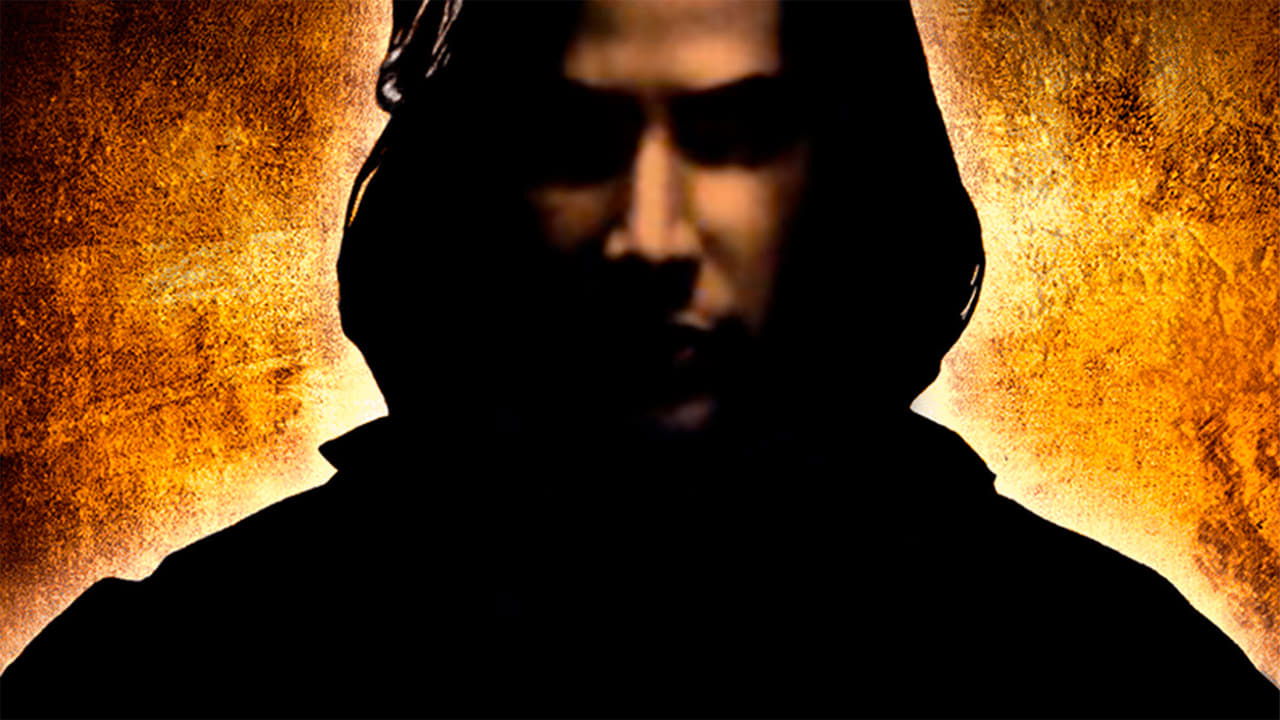
The dynamic between hunter and hunted is the core here. James Spader, even then perfecting his unique brand of intense, slightly eccentric weariness, is compelling as Campbell. He conveys the physical and mental toll of the pursuit; you feel the throbbing migraines, the exhaustion, the crushing weight of responsibility. His performance anchors the film, giving it a gravity it desperately needs. Opposite him, Keanu Reeves is… an enigma. Stripped of his usual charisma, he attempts a cold, calculating menace. He dances alone in his apartment, meticulously plans his kills, and delivers his taunts with a detached air. Does it work? Partially. There are moments where his blankness feels genuinely unsettling. But knowing the behind-the-scenes story casts a long shadow. Was this detached performance a deliberate acting choice, or the result of an actor deeply unhappy with the project? Reeves reportedly felt his role was significantly expanded from what he initially agreed to and claimed his signature was forged on a contract, settling out of court to avoid a prolonged fight but agreeing to make the film under duress. It makes watching his performance a strange, almost voyeuristic experience – are we seeing Griffin, or an echo of Reeves' own discomfort?
Style and Substance Running Parallel
Director Joe Charbanic, making his feature debut after a career primarily in music videos (including work with Reeves' band, Dogstar, which perhaps explains the initial connection), brings a certain visual slickness to the proceedings. There are attempts at stylish framing, moody lighting, and quick cuts meant to amplify tension. The score by Marco Beltrami, already making waves with his work on the Scream franchise, effectively underscores the dread. Yet, the film often feels like it’s hitting familiar beats rather than carving out its own identity. The plot mechanics, while functional, rely heavily on genre conventions established in the 90s. The deadline-driven structure generates some suspense, but the twists and turns rarely feel surprising. Marisa Tomei does her best with a somewhat underwritten role as the concerned psychologist, largely serving as an exposition device and potential damsel.
Echoes in the Static
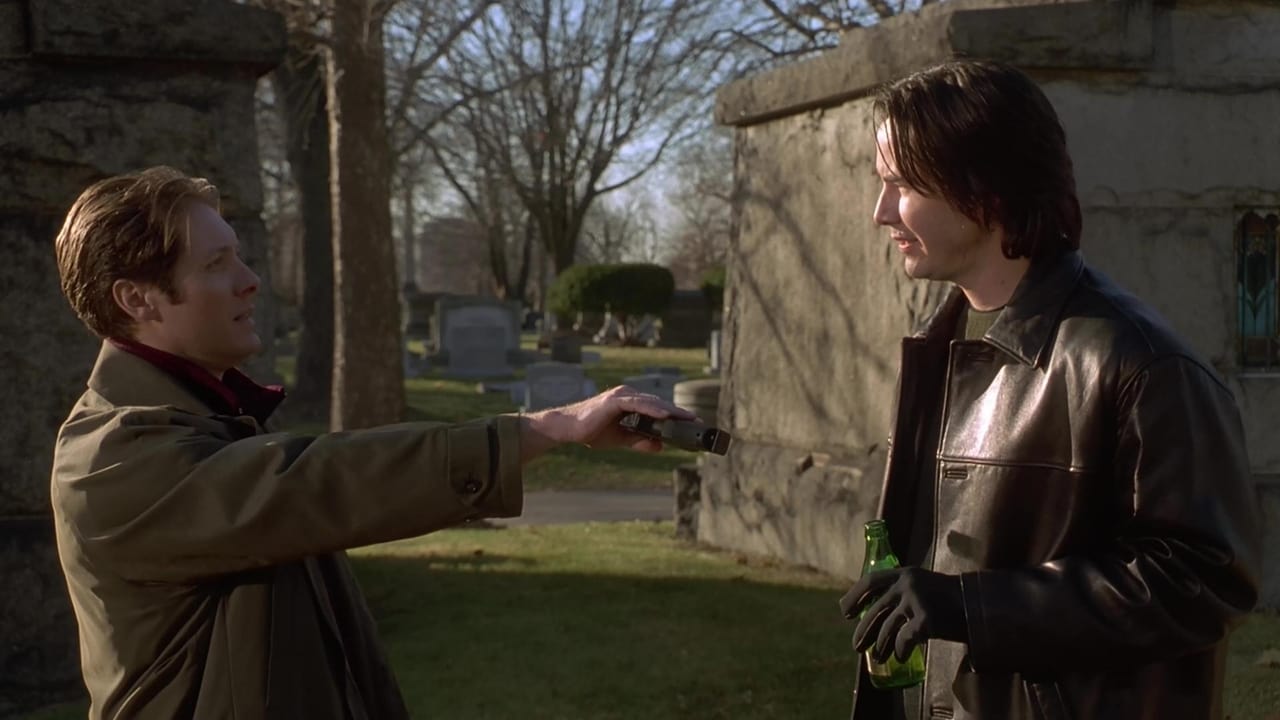
The Watcher landed with a bit of a thud critically and commercially (grossing around $47 million worldwide on a $30 million budget – respectable, but hardly a smash). Shot primarily on location in Chicago and Oak Park, Illinois, it captures a specific turn-of-the-millennium urban bleakness. Watching it now, on the other side of countless forensic procedural shows and more sophisticated thrillers, its plot points can feel almost quaint. The reliance on mailed photographs and landline phone calls firmly roots it in its time. Still, there's an undeniable pull, especially for fans of the era's thrillers. It’s a fascinating time capsule, not just for its familiar tropes, but for the unusual casting and the "dark legend" surrounding Reeves' participation. I remember renting this one, probably on DVD by then, drawn in entirely by the cast. Did it deliver the shockwaves of Seven? No. But did it offer a couple of hours of moody, Spader-fueled tension? Absolutely.
---
VHS Heaven Rating: 5/10
Justification: The Watcher earns points for James Spader's typically strong performance and a premise that offers inherent tension. The atmosphere aims for gritty realism, and there are flashes of effective suspense. However, it's hampered by a derivative script that leans too heavily on genre clichés and a central antagonistic performance from Keanu Reeves clouded by his documented reluctance and dissatisfaction with the project, making it difficult to fully engage with the character as intended. The direction feels more functional than inspired, echoing superior 90s thrillers without adding much new.
Final Thought: More a morbid curiosity than a forgotten classic, The Watcher remains notable primarily for its against-type casting of Reeves and the troubled production story behind it. It’s a serviceable, if unremarkable, entry in the late-90s/early-2000s serial killer boom, worth revisiting mainly for Spader and the sheer oddity of its existence.