The suffocating darkness inside that sedan stretches for miles, punctuated only by the sterile glow of dashboard lights and the intermittent flare of headlights slicing through the Texas night. Forget scenic routes; this is a road trip fueled by grim obligation and simmering hostility, a one-way journey into a pressure cooker on wheels. Cohen and Tate (1989) doesn't waste time with pleasantries. It grabs you by the collar from the opening frames, locks you in the back seat with terrified young Travis, and forces you to bear witness to the slow-motion disintegration of two very different, very dangerous men.
Highway to Hades
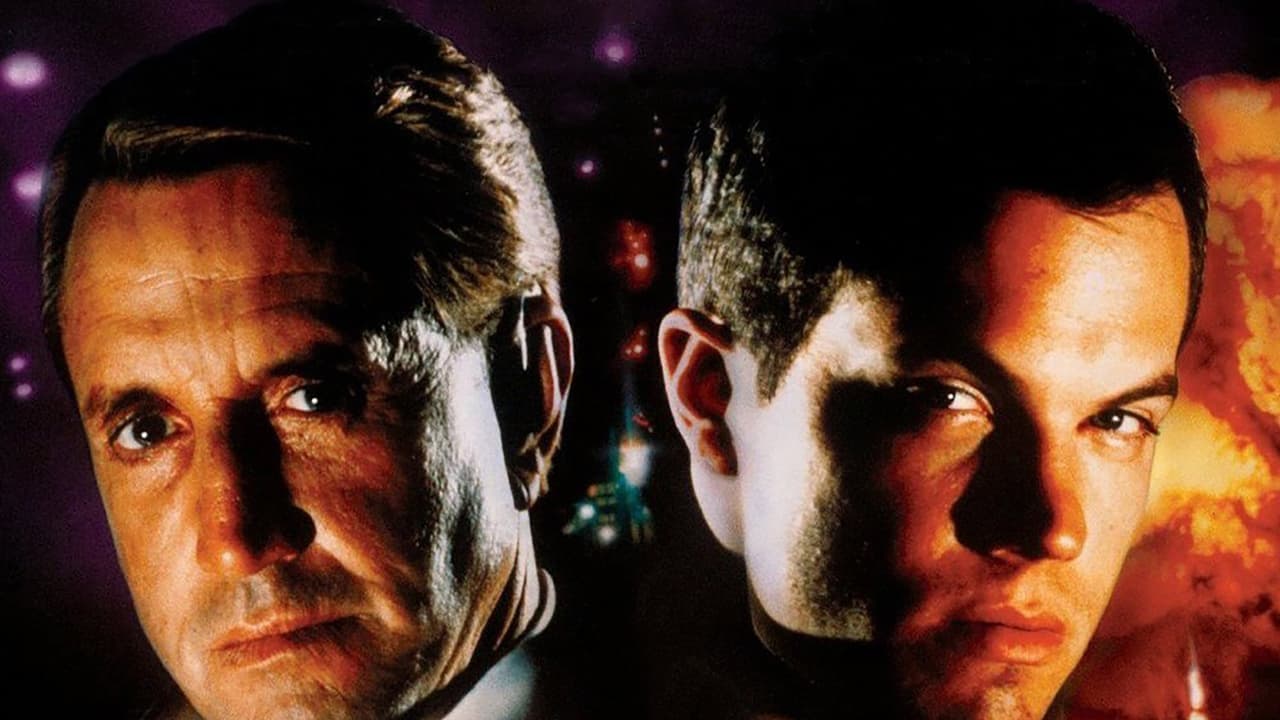
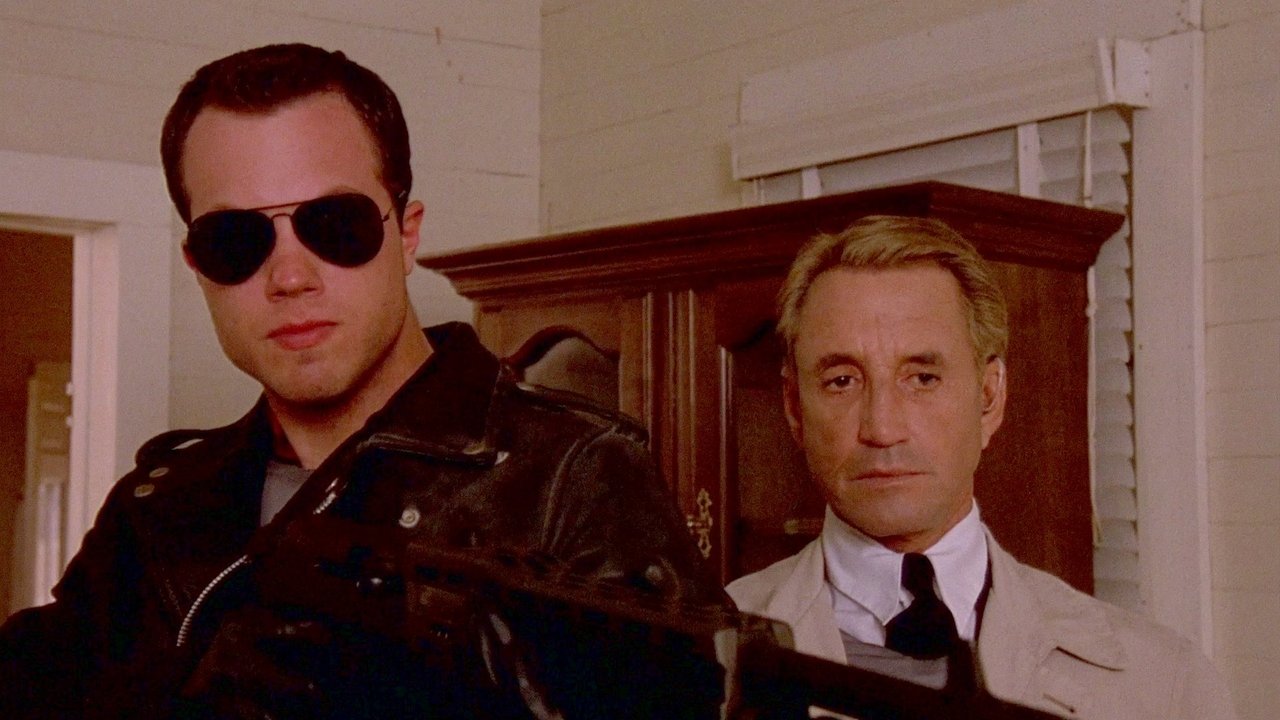
The premise, penned and directed by Eric Red – the mind that gave us the terrifying nihilism of The Hitcher (1986) and the blood-soaked poetry of Near Dark (1987) – is brutally simple. Following the massacre of his family and the FBI agents protecting them, nine-year-old Travis (a convincingly frightened Harley Cross) is abducted by two mismatched mob assassins. Their mission: deliver the boy alive to Houston. The senior partner is Cohen (Roy Scheider), a seasoned professional, weary but meticulous, operating by a code that feels archaic even in the harsh landscape of late-80s crime. His volatile counterpart is Tate (Adam Baldwin), a younger, impulsive brute simmering with resentment and fueled by psychotic rage. Their clashing personalities, trapped within the confines of a moving vehicle hurtling through an unforgiving landscape, form the film's ticking time bomb. Red masterfully uses the claustrophobic setting, turning the car into a microcosm of hell, where the only scenery is the endless blacktop and the only soundtrack is the drone of the engine and the escalating tension between the captors.
Oil and Water with Guns
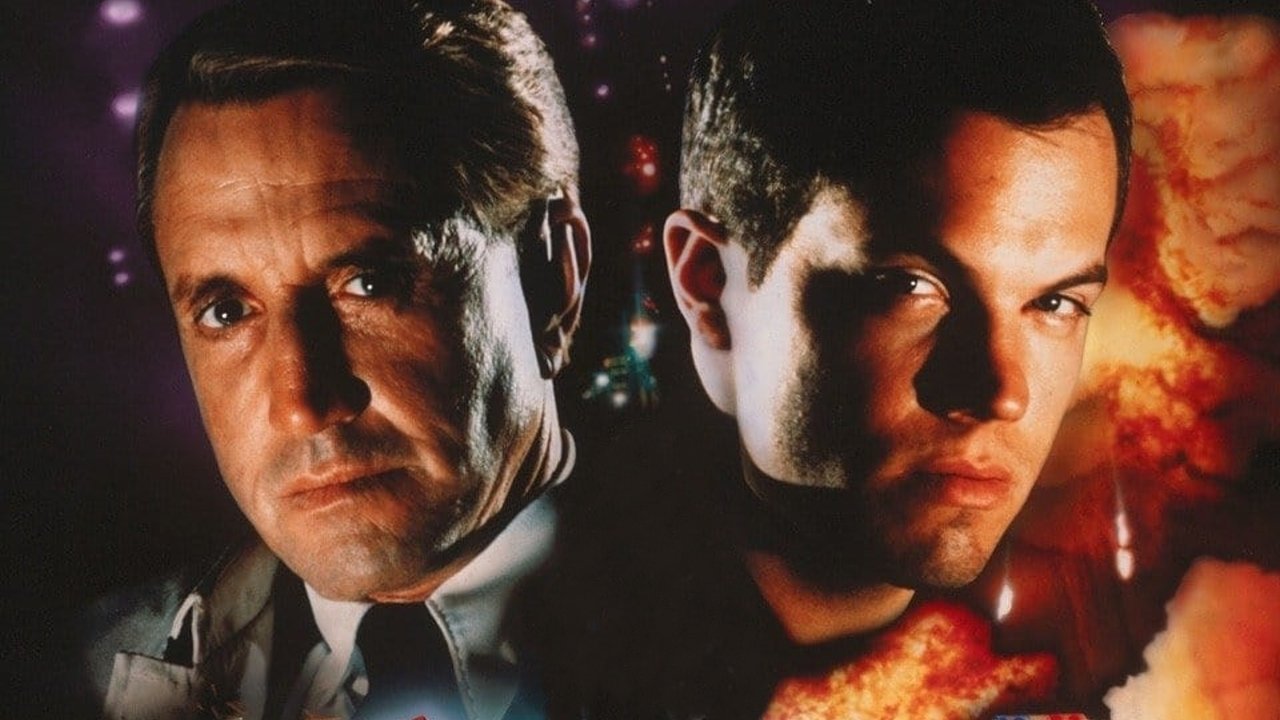
The genius of Cohen and Tate lies squarely in the performances of its leads. Roy Scheider, an actor who always carried an innate sense of world-weary integrity (think Chief Brody in Jaws or his Oscar-nominated turn in All That Jazz), is perfectly cast as Cohen. He embodies the dying breed of hitman – focused, pragmatic, almost paternal in his grim instructions to Travis, yet capable of chilling violence when necessary. There's a profound sadness in his eyes, a sense that this job, this life, has ground him down to his last nerve. It's a quiet, powerful performance that anchors the film.
Against Scheider’s measured control, Adam Baldwin unleashes pure chaotic energy as Tate. Known then for roles like the menacing outsider in My Bodyguard or Animal Mother in Full Metal Jacket, Baldwin here is a force of unchecked aggression. Tate is impatient, sadistic, and utterly unpredictable, viewing Cohen’s professionalism with contempt. The friction between them is palpable, sparking with every shared glance, every curt exchange. It’s not just a clash of methods; it’s a generational war fought with bullets and psychological barbs in the dead of night. You spend the entire film waiting for the inevitable explosion, and the suspense is almost unbearable.
Low Budget, High Tension
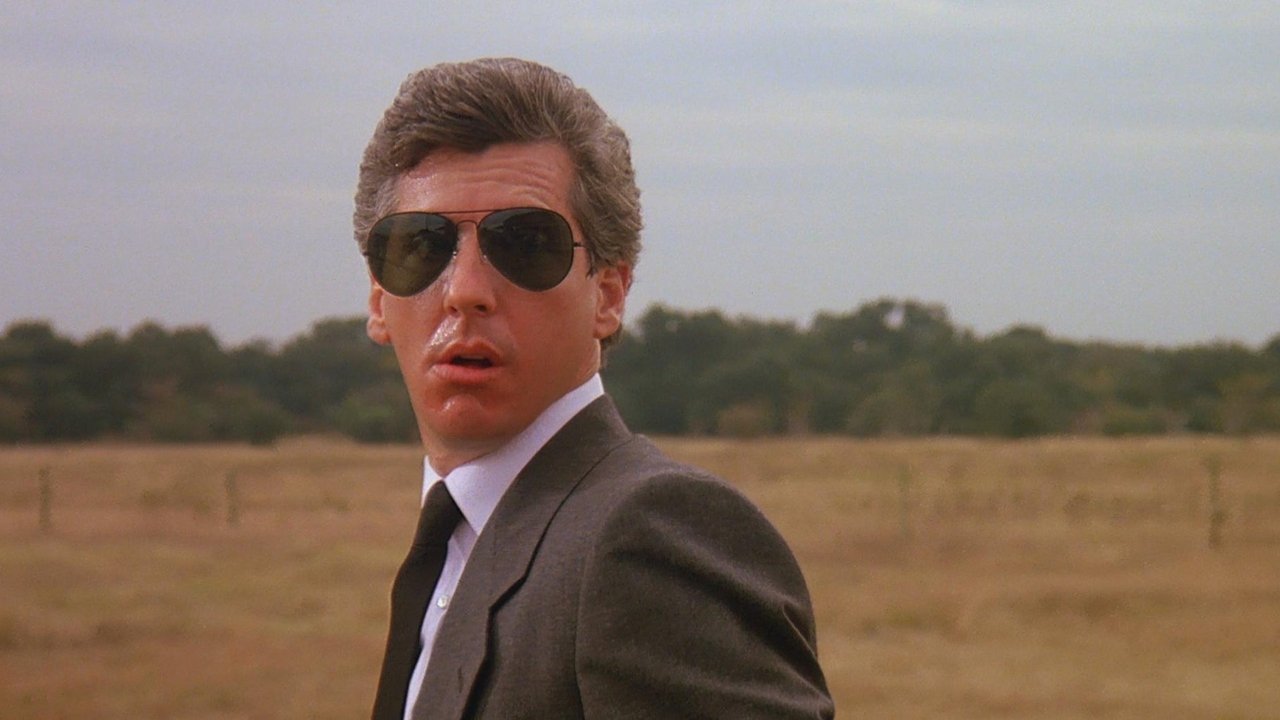
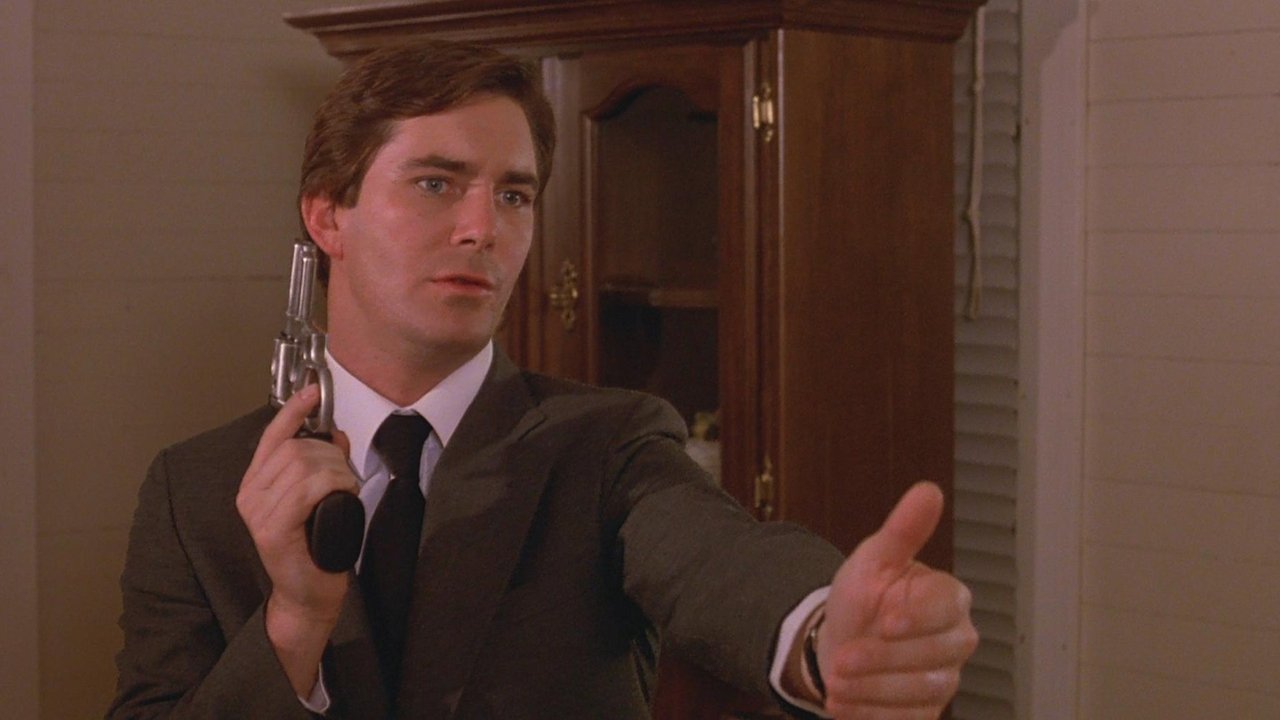
Reportedly made for around $5 million – a modest sum even then – Cohen and Tate makes a virtue of its limitations. Eric Red, in his directorial debut, proves adept at wringing maximum tension from minimal elements. The film eschews elaborate set pieces for sustained psychological dread. The violence, when it erupts, is sudden, nasty, and devoid of Hollywood sheen, feeling all the more impactful for its brutal economy. The stark Texas locations, often just lonely gas stations or desolate stretches of highway filmed around Houston and Austin, contribute immensely to the bleak, isolated atmosphere. It’s easy to see why this film might have struggled to find a wide audience theatrically; its grim intensity and downbeat tone weren’t exactly blockbuster material. But on VHS? Rented late at night from a flickering video store shelf? That's where Cohen and Tate likely found its devotees, becoming one of those half-forgotten gems whispered about among thriller fans. I distinctly remember the stark cover art beckoning from the shelf, promising something intense and unforgiving – a promise the film absolutely delivered on.
The production wasn't without its challenges, particularly filming extensively within the confines of the car, demanding tight choreography and relying heavily on the actors' ability to convey escalating animosity in close quarters. Young Harley Cross, often caught literally between the warring hitmen, deserves credit for portraying Travis's terror and eventual resourcefulness without becoming overwrought. His silent observation, his dawning understanding of the deadly dynamic he's trapped in, becomes the audience's lens. Doesn't the way he slowly turns the tables still feel satisfyingly chilling?
A Relentless Ride
Cohen and Tate isn't a complex film, but its power lies in its relentless focus and unwavering commitment to its grim premise. It’s a tightly constructed exercise in suspense, driven by two perfectly pitched performances and a palpable sense of claustrophobic dread. It might lack the iconic status of The Hitcher, but it shares that film’s bleak worldview and fascination with violence erupting in mundane settings. It’s a stripped-down, nasty piece of work that exemplifies the kind of hard-edged thriller that thrived in the rental era – uncompromising and unforgettable.
Rating: 8/10
Justification: The score reflects the film's powerhouse performances from Scheider and Baldwin, its masterful build-up of claustrophobic tension, and Eric Red's lean, effective direction. It perfectly executes its simple, brutal premise. While its unrelenting bleakness and limited scope might not appeal to everyone, for fans of gritty 80s thrillers, it's a masterclass in sustained suspense.
Cohen and Tate remains a potent reminder that sometimes the most terrifying journeys happen in the smallest spaces, leaving a chill that lingers long after the engine cuts out and the screen fades to black. A true VHS treasure for those who appreciate their thrillers dark, mean, and unforgettable.