There's a certain kind of heat that radiates off the screen in some films – not just the Arizona sun baking the asphalt, but the friction between characters, the simmering tension of desperation. Roger Donaldson's 1994 version of The Getaway practically sweats desperation, amplified by the unavoidable real-life drama swirling around its leads, Alec Baldwin and Kim Basinger. Seeing this on the shelf back in the day, maybe nestled between slicker action flicks, you knew you weren't just renting a heist movie; you were renting a front-row seat to Hollywood's most talked-about, and notoriously combustible, couple. Did that unavoidable subtext help or hinder the final product? That’s a question that still lingers, much like the desert dust kicked up by Doc McCoy's speeding car.

Echoes of Peckinpah, Shades of the 90s
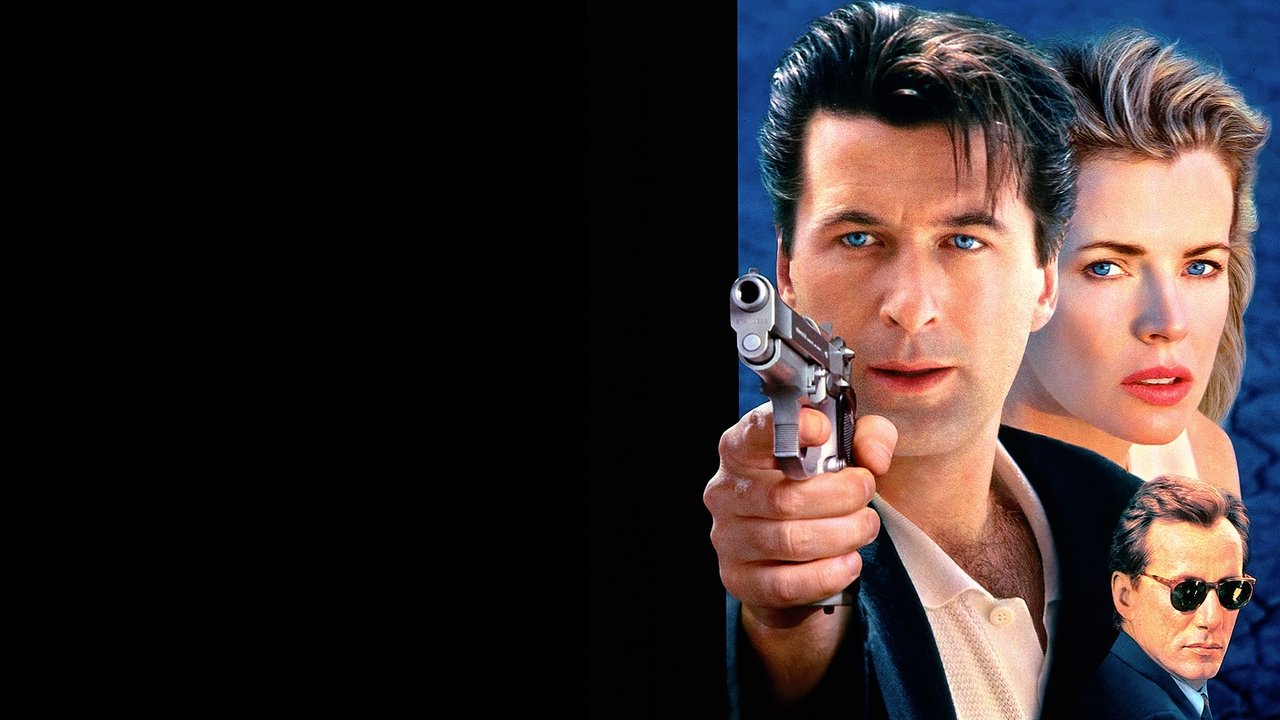
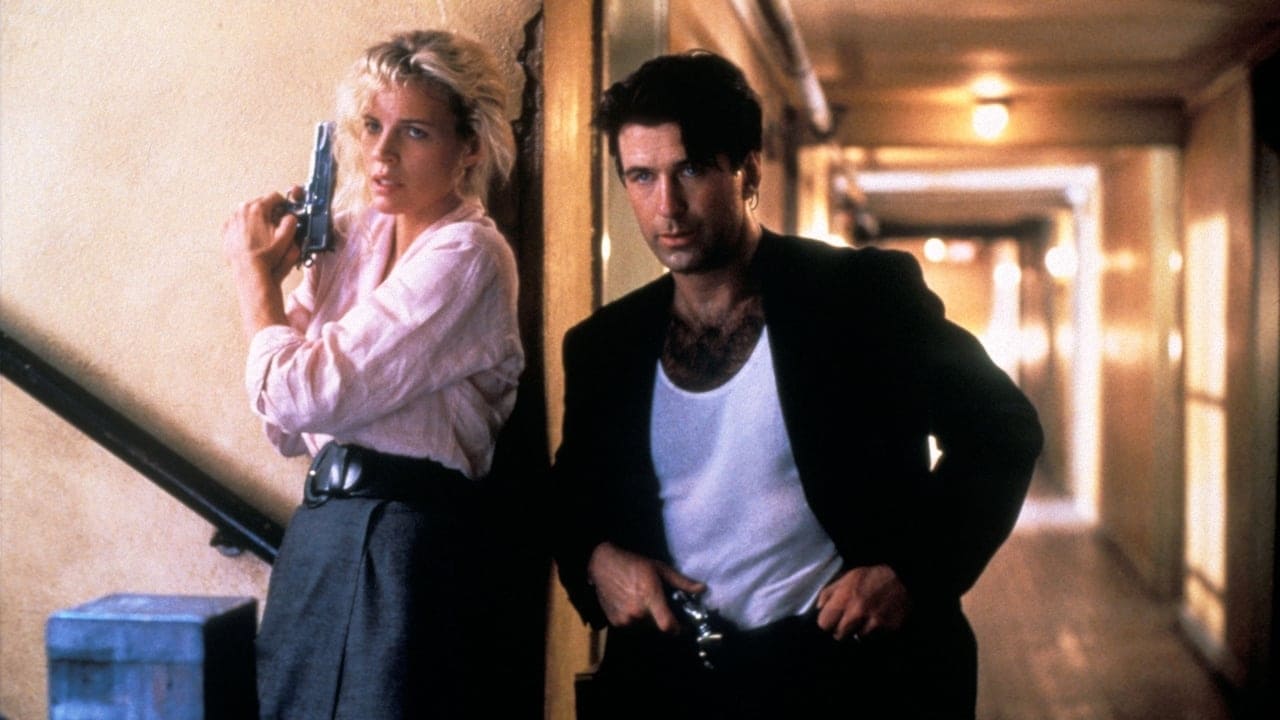
Let's be upfront: stepping into the boots filled by Steve McQueen and Ali MacGraw in Sam Peckinpah’s gritty 1972 original is a monumental task. That film had a raw, almost nihilistic edge that defined its era. This '94 iteration, penned partly by Walter Hill (who, fascinatingly, also co-wrote the original screenplay adapting Jim Thompson’s novel) and Amy Holden Jones, aims for a similar noirish feel but inevitably filters it through a distinctly 90s lens. The story remains largely the same: Mastermind robber Carter "Doc" McCoy (Baldwin) orchestrates his release from a Mexican prison with the help of his wife Carol (Basinger) and shady associate Jack Benyon (James Woods, oozing his signature slime). The deal involves one last big score, but naturally, betrayal is immediate, leaving Doc and Carol on the run with the cash, pursued by Benyon's men and, more terrifyingly, the sadistic former partner Rudy Travis (Michael Madsen).
Donaldson, who previously navigated tension expertly in films like No Way Out (1987), certainly knows how to stage an action sequence. The central bank heist is competent, and the climactic shootout at the border hotel delivers the requisite pyrotechnics that were standard fare for mid-90s action thrillers. Yet, something feels different from the Peckinpah version. Perhaps it's the glossier cinematography, or maybe the slightly more conventional approach to the violence. It lacks the visceral, almost unpleasant intensity of its predecessor, trading some of that grime for a more polished, studio-friendly package.
When Life Imitates Art (Or Vice Versa?)
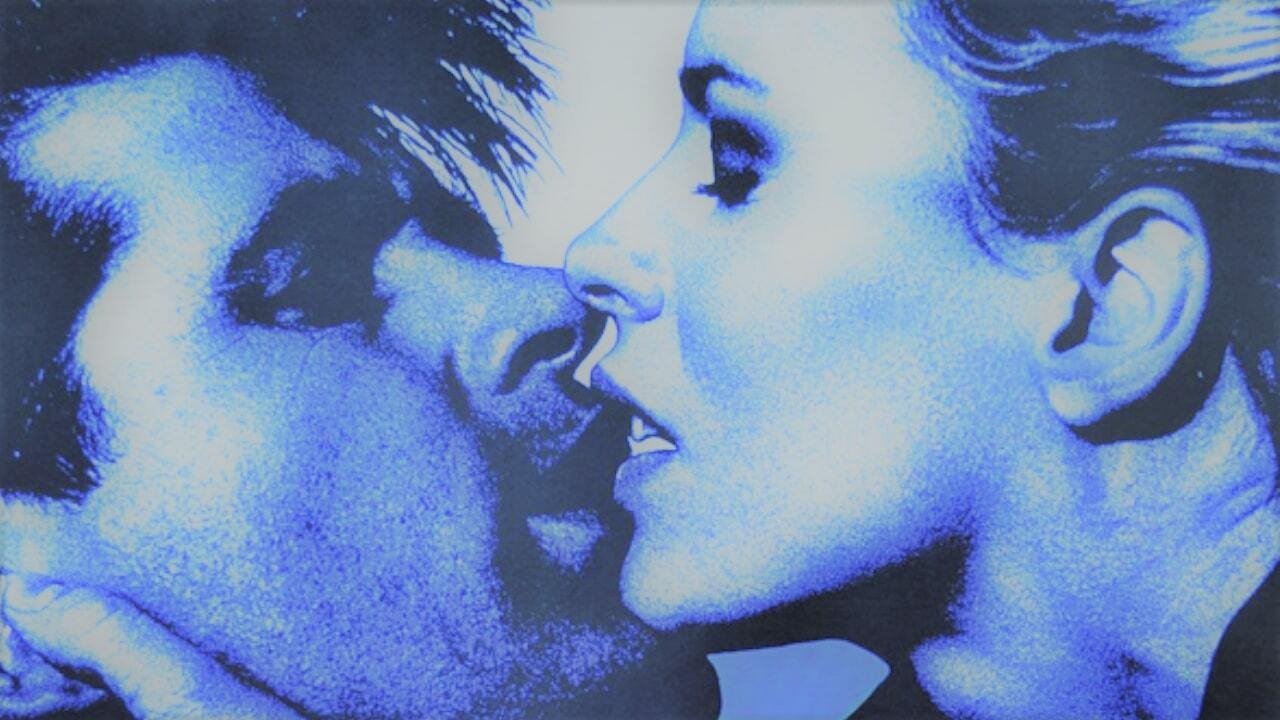
The undeniable center of this film, for better or worse, is the dynamic between Baldwin and Basinger. Married at the time, their on-screen chemistry is charged, certainly, but often feels less like smoldering passion and more like genuine, simmering resentment. Lines about trust and betrayal land with an almost uncomfortable weight. Baldwin brings his characteristic intensity to Doc, a man coiled tight with calculation and suspicion. Basinger, revisiting the femme fatale territory she navigated so well in L.A. Confidential (released three years later, but filmed around the same time), portrays Carol with a mix of vulnerability and steely resolve. Does their real-life baggage elevate the drama or distract from it? I remember watching it back then, the tabloid headlines echoing in my mind, and it was hard to separate the fiction from the perceived reality. It adds a layer, undeniably, but perhaps not always the one the filmmakers intended.
Where the film finds undeniable menace is in Michael Madsen's Rudy. Fresh off his chilling turn as Mr. Blonde in Reservoir Dogs (1992), Madsen embodies pure, unadulterated threat. His Rudy is less complex than the original's, perhaps, but no less dangerous, a force of nature driven by greed and cruelty. His interactions with the kidnapped veterinarian's wife, Fran (Jennifer Tilly, adding her unique spark), are deeply unsettling and provide some of the film's most genuinely tense moments.
Retro Fun Facts: The Remake Road
It's always interesting revisiting these 90s remakes. They often existed in a space trying to honour the original while updating it for a contemporary audience. The Getaway '94 reportedly cost around $30 million but struggled to recoup that domestically, pulling in just under $18 million in the US – a far cry from the original's success. Perhaps audiences weren't ready for this pairing in this context, or maybe the shadow of McQueen and Peckinpah loomed too large. It’s also worth noting Walter Hill's continued involvement; his connection bridges the two eras, though the final product feels distinctly like Donaldson's interpretation. The film's R-rating certainly wasn't shied away from, delivering the expected violence and sensuality of the crime genre at the time, filmed largely on location under the harsh Arizona sun, adding to that sweaty, desperate atmosphere.
Does it Escape Criticism?
Watching The Getaway today feels like unearthing a specific kind of 90s artifact. It's slicker than its namesake, fueled by star power that was both its biggest selling point and, arguably, a source of its complications. The action beats land, Madsen is effectively terrifying, and there’s a certain undeniable watchability to the whole affair, especially if you have a soft spot for neo-noir thrillers from the era. It's the kind of movie that was always on cable late at night, or a reliable pick from the "Action/Thriller" wall at Blockbuster when you wanted something gritty but familiar.
However, it never quite escapes the long shadow of the 1972 film. The raw edges feel sanded down, the central relationship burdened by external context, and the overall impact feels less profound, more perfunctory. It lacks the lean, mean efficiency and the existential dread that made Peckinpah's version a classic.
Rating: 6/10
This score reflects a film that is competently made, features strong antagonistic work from Madsen, and carries the unique, almost voyeuristic charge of the Baldwin-Basinger pairing. It delivers serviceable 90s action-thriller beats. However, it pales significantly in comparison to the original, feeling somewhat bloodless despite the body count, and the central chemistry feels more like friction than fire. It’s a solid enough rental from the era, but not quite the classic it perhaps aimed to be.
Ultimately, The Getaway '94 remains a fascinating time capsule – less for its cinematic achievements, perhaps, and more for the convergence of star power, tabloid drama, and the eternal challenge of remaking a beloved, gritty masterpiece. It's a reminder that sometimes, the story behind the camera can be just as compelling, and complicated, as the one unfolding on screen.