It’s a strange alchemy sometimes, the pairing of a director and a project. When word got out that Sam Raimi, the maestro behind the kinetic energy of The Evil Dead (1981) and the stylish thrills of Darkman (1990), was tackling a baseball romance starring Kevin Costner, more than a few eyebrows likely arched skyward. Yet, watching For Love of the Game (1999) again, perhaps on a worn-out tape pulled from a dusty shelf just like we used to, reveals a surprising gentleness, a film less about home runs and more about the quiet innings of a life nearing its final pitch.
The Loneliness of the Mound
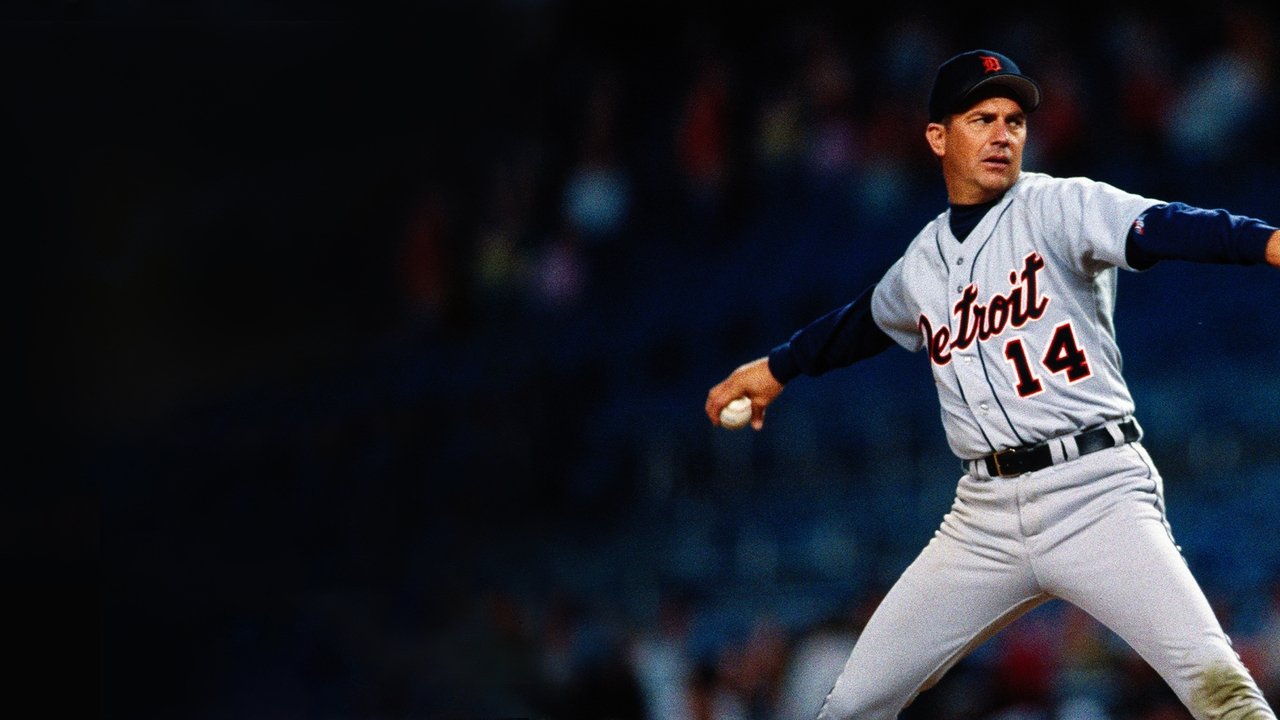
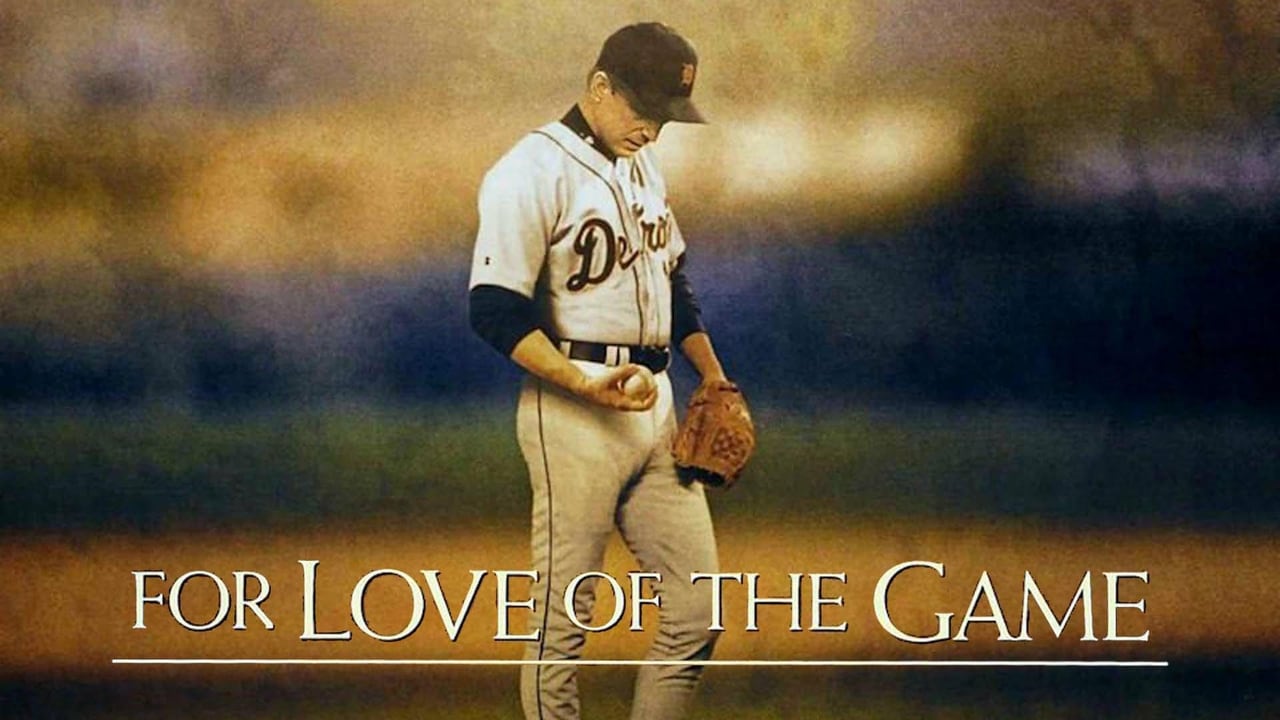
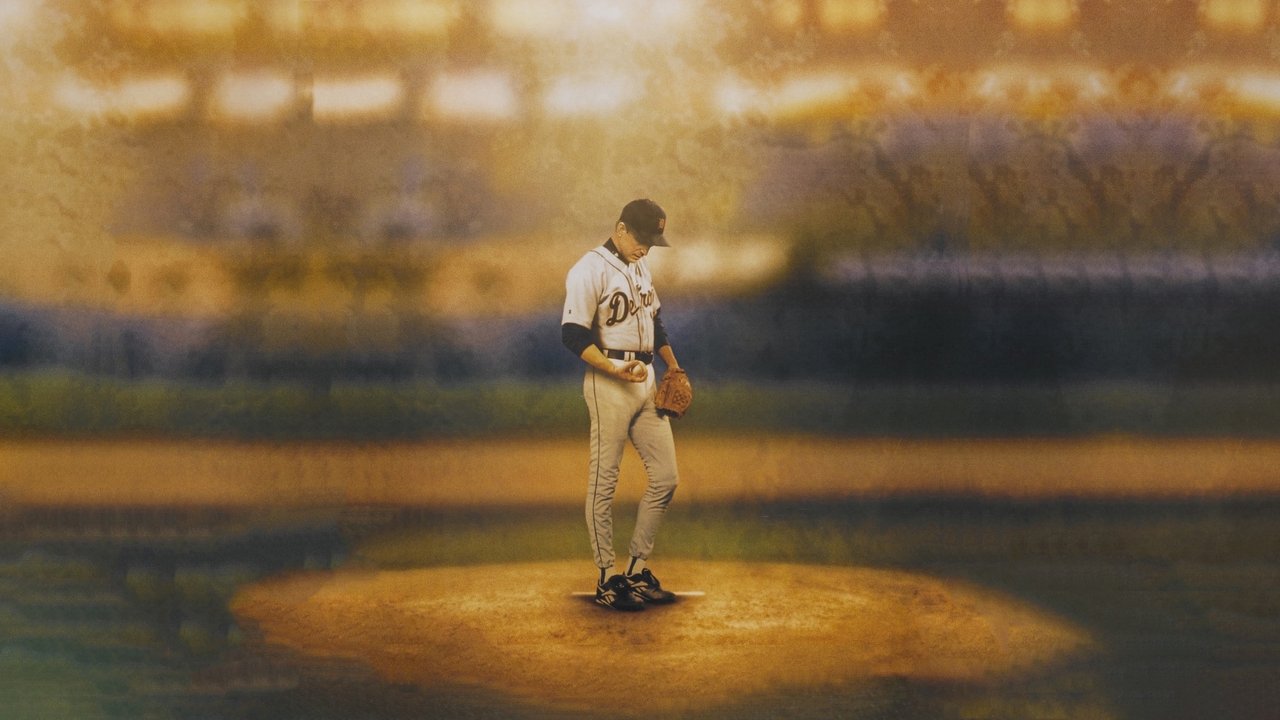
The film hangs its narrative hook on a single, potentially momentous game. Aging Detroit Tigers legend Billy Chapel (Kevin Costner) stands on the mound at Yankee Stadium, knowing this might be his last outing. Not only is the team being sold, potentially signalling the end of his tenure, but his long-time love, Jane Aubrey (Kelly Preston), has just told him she's leaving. As Chapel pitches, fighting through physical pain and the weight of his 40 years, his mind drifts back through the pivotal moments of their relationship – the meet-cute, the struggles with fame and commitment, the slow erosion of connection. It’s a structure that could feel gimmicky, but Raimi and screenwriter Dana Stevens (adapting Michael Shaara's novel) mostly make it work, grounding the flashbacks in the immediate, intense focus required of a pitcher in the zone.
What resonates most profoundly, perhaps now more than when it first flickered across our CRT screens, is Costner's performance. By 1999, Costner was the face of the cinematic baseball hero, thanks to Bull Durham (1988) and Field of Dreams (1989). Here, though, the swagger is tempered with a palpable weariness. Chapel isn't just playing a game; he's confronting the sum total of his choices. Costner embodies this internal battle beautifully – the subtle shifts in his eyes, the set of his jaw, the almost imperceptible slump in his shoulders between pitches. He makes us feel the physical toll of throwing heat for 19 seasons, but more importantly, the emotional weight of a life lived largely for the roar of the crowd, perhaps at the expense of personal happiness. Does a singular focus on greatness inevitably require sacrifices that leave us hollowed out in the end?
More Than Just a Game
While the baseball sequences are expertly filmed – Raimi brings a certain clarity and tension to the innings – the heart of the movie lies in the relationship between Billy and Jane. Kelly Preston, sadly missed, brings intelligence and warmth to Jane. She’s not just “the girlfriend”; she’s a woman with her own life, ambitions, and frustrations, grappling with the complexities of loving a public figure whose world revolves around something other than her. Their arguments feel authentic, touching on the push-and-pull familiar to many long-term relationships: the need for space versus the fear of distance, the demands of a career versus the needs of a partnership. The film doesn’t shy away from showing the less glamorous side of their love story, the moments of doubt and misunderstanding.
It’s interesting to note that the film reportedly underwent some changes. Apparently, early cuts focused even more heavily on the game itself, with more screen time for supporting players like John C. Reilly as Gus Sinski, Chapel’s loyal catcher and confidante. While Reilly is reliably excellent, providing grounding humor and unwavering support, the final cut leans more into the romance. This shift might explain why some baseball purists found the film wanting, but it arguably strengthens its core theme: the realization that love, like baseball, requires showing up, playing through the pain, and sometimes, making a difficult choice in the ninth inning. The film wasn't a massive box office success – earning back roughly $46 million on a $50 million budget – perhaps indicating audiences weren't quite sure what to make of this blend of sports drama and contemplative romance from an unlikely director/star pairing.
Echoes of the Past, Questions for the Present
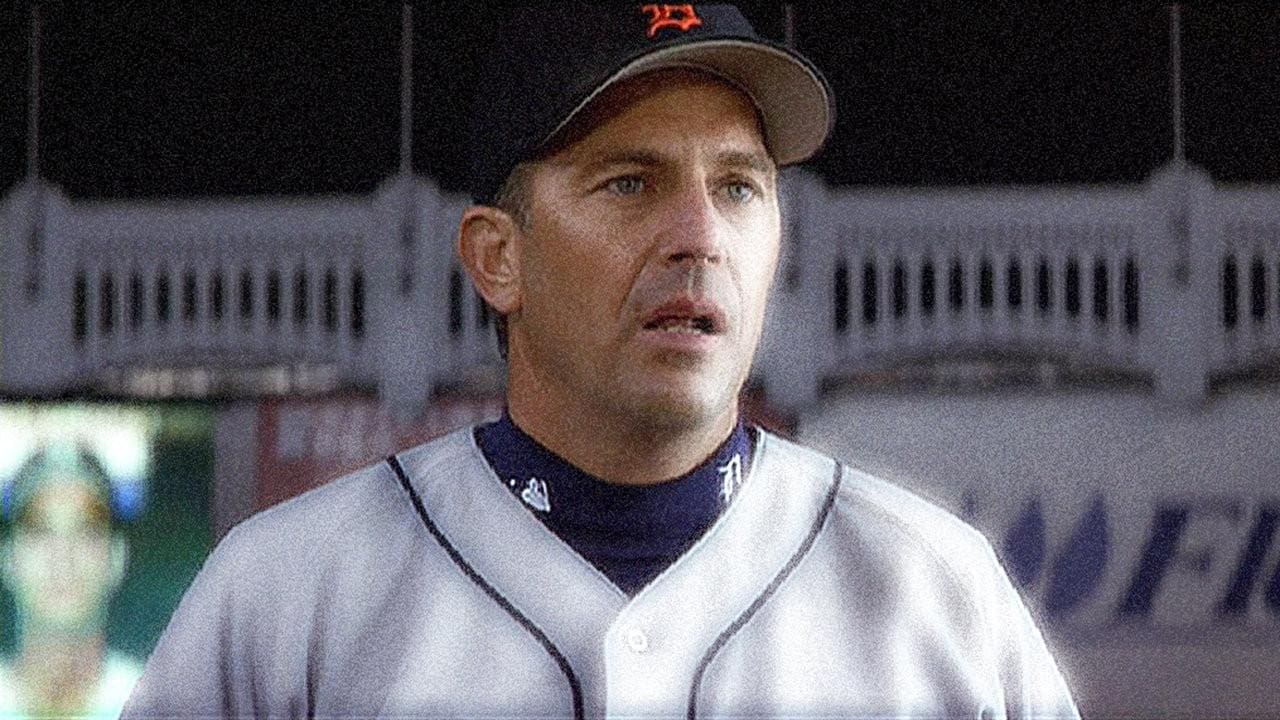
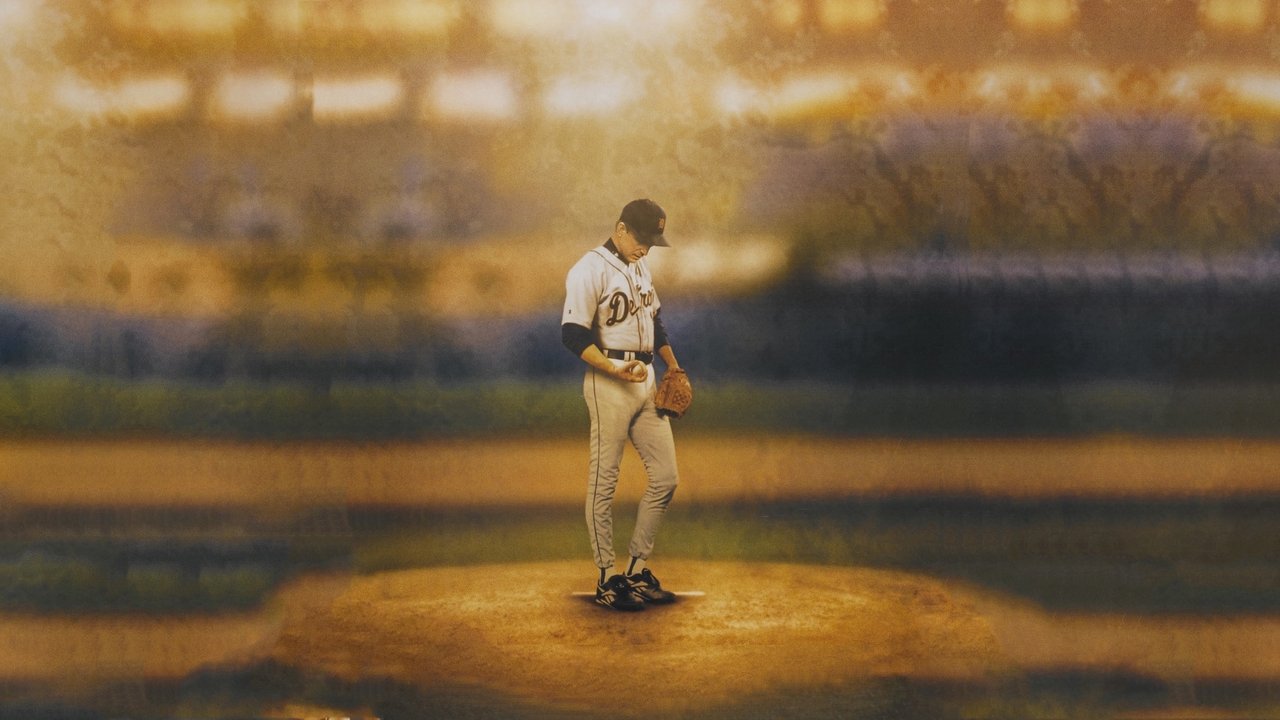
Watching For Love of the Game today evokes a certain late-90s wistfulness. It feels like perhaps the last gasp of a particular kind of earnest, star-driven studio drama before the turn of the millennium shifted cinematic landscapes. There’s a sincerity here, an unironic exploration of themes like aging, regret, and the courage it takes to change course, even when the game seems lost. Raimi’s direction, while restrained compared to his genre work, still possesses a subtle visual flair, particularly in capturing the cathedral-like atmosphere of Yankee Stadium and the intimate moments between Chapel and Jane. He uses the camera not just to follow the ball, but to delve into Chapel's psyche, using slow zooms and focused close-ups to heighten the internal drama.
Does Chapel pitch a perfect game? Does he win Jane back? The answers are less important than the journey the film takes us on. It asks us to consider what truly defines a life well-lived – is it the public accolades or the private connections? The roar of the crowd or the quiet understanding of a loved one? These aren't questions with easy answers, and the film respects that ambiguity.
### Final Score & Thoughts
Rating: 7/10
This rating reflects a film that achieves more emotional depth than its surface might suggest. Costner delivers one of his most nuanced performances, perfectly capturing the twilight of a sports icon facing personal and professional crossroads. Preston provides a strong counterpoint, and Raimi directs with surprising sensitivity. While the pacing occasionally drags between the flashbacks and the game, and some baseball elements feel secondary, the core emotional narrative resonates. It justifies its score through its heartfelt performances, mature themes, and the effective, if unconventional, blend of sports tension and romantic reflection. It’s a film that rewards patience, a thoughtful character study wrapped in the familiar comfort of America’s pastime.
For Love of the Game might not have the iconic status of Costner’s earlier baseball ventures, but it lingers in the mind precisely because of its quiet melancholy and earnest heart – a reminder that sometimes the most important plays happen not on the field, but within the complex innings of our own lives.