Okay, let's dim the lights, press play, and settle in. Tonight's feature on VHS Heaven takes us back to 1994, a time when glossy adult dramas filled with big stars tackling complex emotional territory were a common sight on the New Release shelf. And few felt quite as poised for prestige, yet landed with such a curious thud, as Mark Rydell's Intersection.
A Road Paved with Indecision
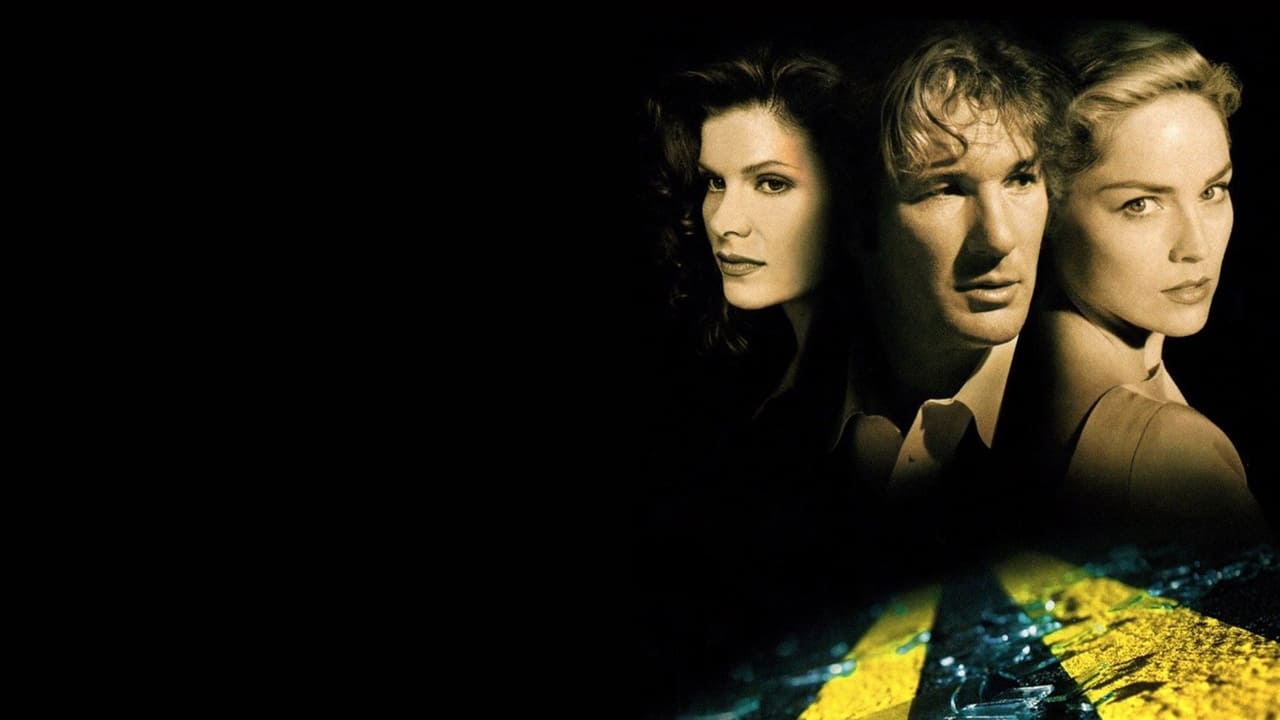
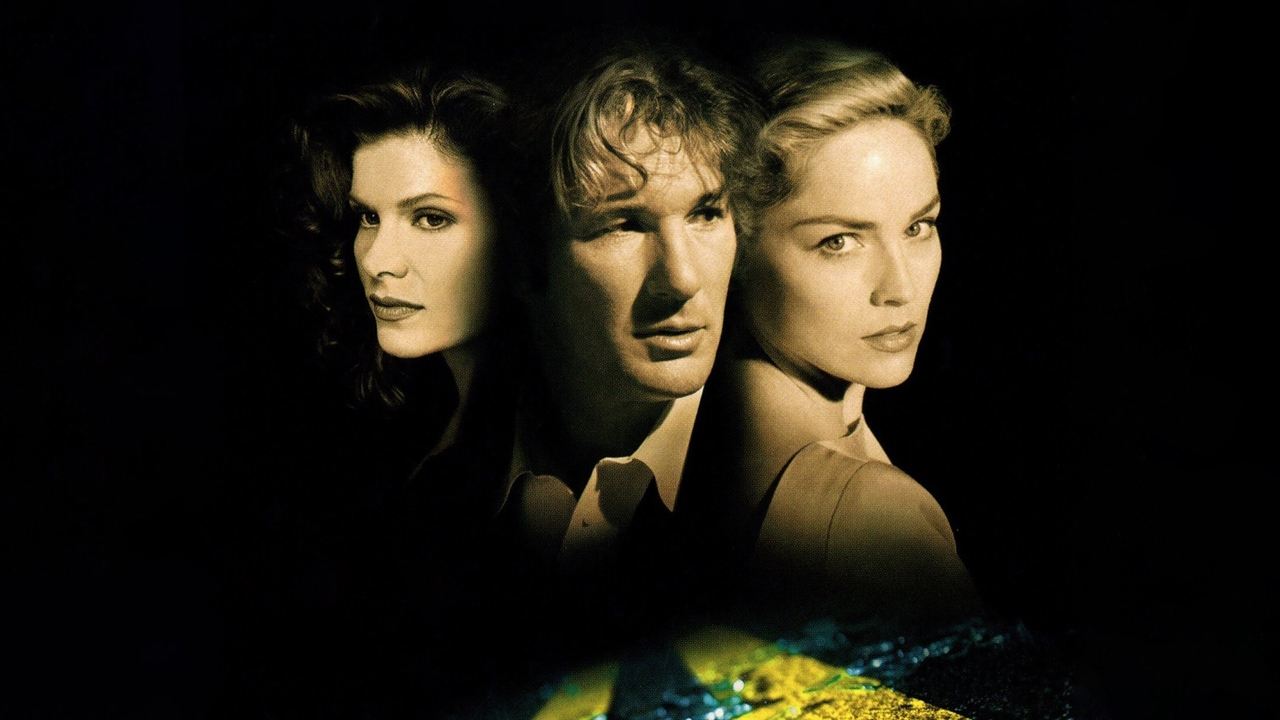
Remember those films that felt... important? The ones tackling infidelity, mid-life ennui, the kind of weighty themes that seemed worlds away when we first saw them, perhaps rented on a whim? Intersection is one of those. It centers on Vincent Eastman (Richard Gere), a successful Vancouver architect standing at a literal and metaphorical crossroads. He's torn between his elegant, accomplished, but emotionally distant wife, Sally (Sharon Stone), and his vibrant, passionate, seemingly uncomplicated mistress, Olivia (Lolita Davidovich). The film unfolds non-linearly, flashing back and forth from the moments leading up to, and the immediate aftermath of, a devastating car crash involving Vincent. This structure, borrowed from the acclaimed 1970 French film Les Choses de la vie (The Things of Life) upon which it's based, is meant to mirror the fragmented nature of memory and the sudden, life-altering finality of a single moment.
Star Power Under a Grey Sky
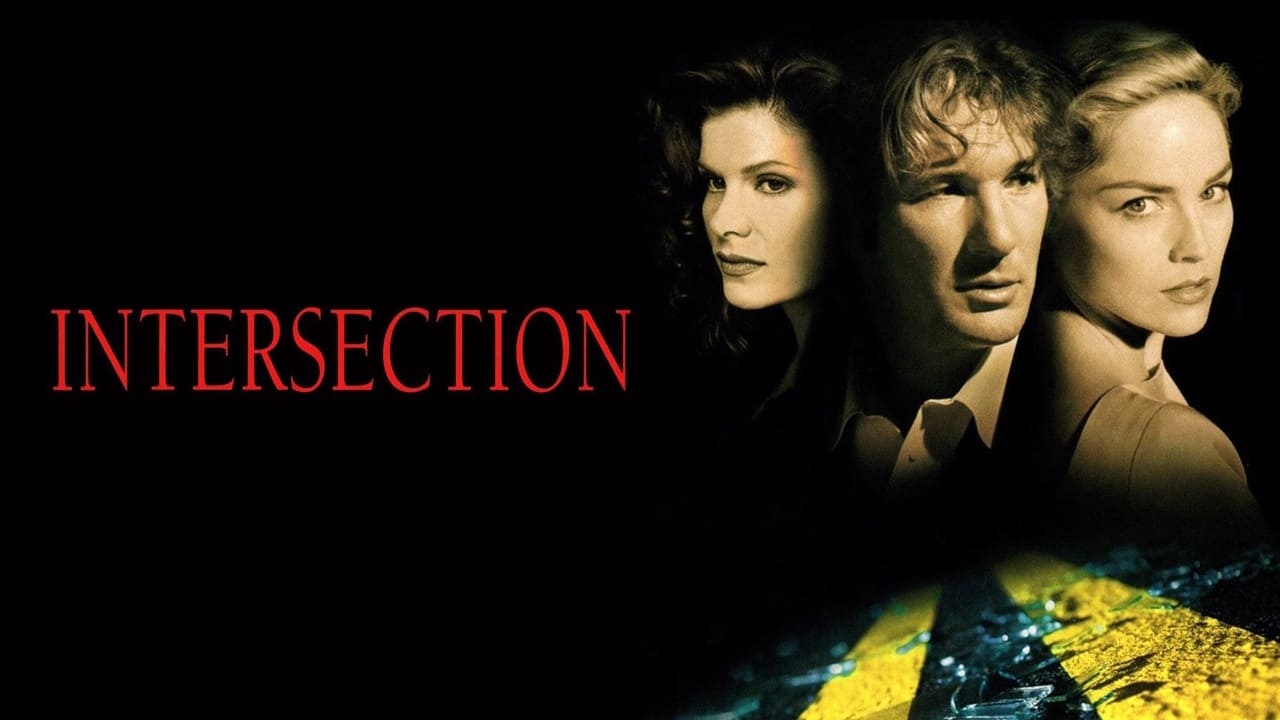
The casting itself felt like an event. Richard Gere, the epitome of 90s leading man charm, playing a character paralyzed by his own desires. And then there was Sharon Stone, just two years removed from the supernova success of Basic Instinct (1992). Seeing her here, as the cool, impeccably dressed, but brittle Sally, felt like a conscious move away from the femme fatale image. Was she trying to prove her dramatic range? Perhaps. The press certainly focused on it. Lolita Davidovich, who had made waves in films like Blaze (1989), provides the necessary counterpoint – earthy, expressive, embodying the warmth Vincent seemingly craves.
Yet, something feels curiously muted. Gere portrays Vincent's indecision effectively, but it often tips into frustrating passivity. You understand his conflict, but it's hard to fully invest in his plight. Stone delivers a performance of controlled chilliness that certainly fits Sally's character description, but it sometimes borders on inaccessible, keeping the audience at arm's length. It was a performance that drew mixed reactions, even landing her a Razzie nomination for Worst Actress – perhaps unfairly, as the chilliness feels partly inherent to the role, though a certain spark seems missing. Davidovich arguably fares best, bringing a genuine emotional heat that feels like a welcome contrast to the film's often overcast mood. Interestingly, whispers of on-set friction between Gere and Stone circulated at the time; whether true or not, a palpable lack of deep connection sometimes translates onto the screen between their characters, which, ironically, might even serve the story of a marriage faltering.
Gloss and Emptiness
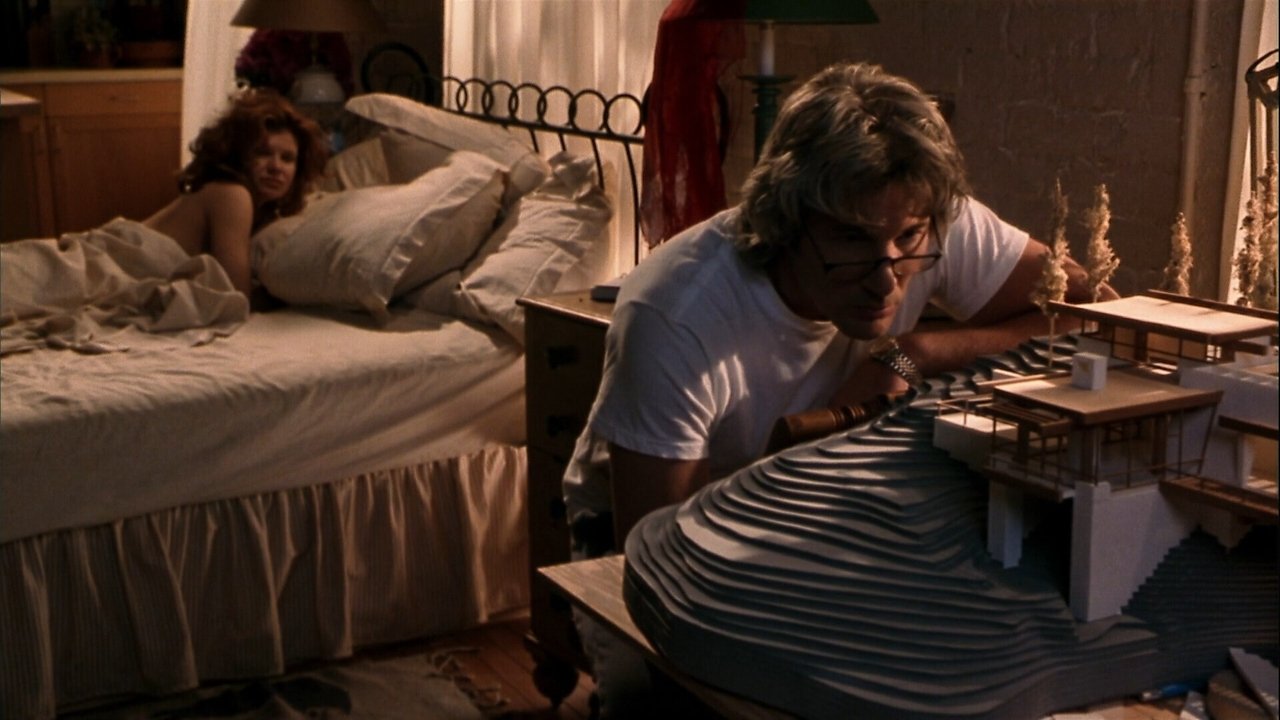
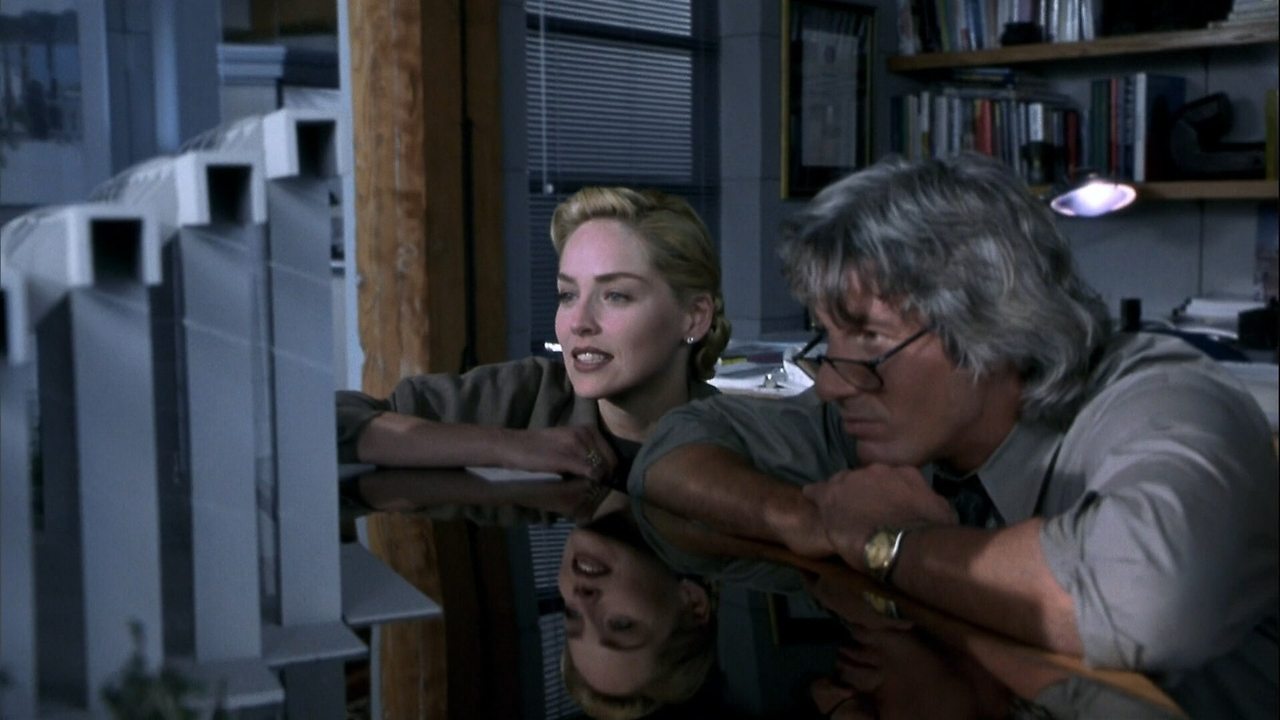
Directed by Mark Rydell, a filmmaker capable of great sensitivity (On Golden Pond from 1981 remains a classic), Intersection looks expensive. Shot beautifully amidst the distinctive architecture and often grey, rain-slicked streets of Vancouver, BC (standing in for an unnamed North American city), it has the visual polish of a high-end production. The film certainly had financial backing, with a budget reported around $26 million. However, it struggled to find an audience, ultimately grossing only about $21 million domestically – a disappointment given the star power involved.
The non-linear storytelling, while ambitious, occasionally feels more confusing than illuminating. Instead of building emotional momentum, it sometimes dissipates it, keeping us slightly detached as we piece together Vincent's fractured life. We see the allure of Olivia's bohemian freedom and the comfortable, albeit sterile, stability Sally represents, but the 'why' behind Vincent's profound inability to commit to either path, or to himself, remains somewhat elusive. What does he truly want, beyond escaping the discomfort of the present moment? The film poses the question but shies away from a truly deep exploration.
Retro Fun Facts
- The film's source, Les Choses de la vie, directed by Claude Sautet and starring Michel Piccoli and Romy Schneider, is considered a masterpiece of French cinema. Comparing the two offers a fascinating study in cultural adaptation and directorial approach.
- The dramatic car crash sequence, the event around which the narrative pivots, was a complex piece of practical stunt work, meticulously planned and executed to capture the sudden, brutal violence of the impact. Seeing it again now, in an era dominated by CGI, there's a tangible weight to the physical effects.
- The marketing tagline tried to capture the film's core dilemma: "Between the love of your life and the life of your dreams is the place you cannot stay." It hints at the emotional paralysis the film attempts to explore.
Lingering Questions
Watching Intersection today feels like uncovering a time capsule of a specific type of 90s filmmaking. It’s handsomely made, features actors we remember vividly from that era, and tackles adult themes with earnestness. But does it resonate deeply? For me, it remains a curiously detached experience. The performances are professional, the premise intriguing, but the emotional core feels underdeveloped. It raises questions about happiness, commitment, and the consequences of our choices, yet it leaves them largely unanswered, drifting somewhat listlessly like its central character. It makes you ponder: is profound unhappiness simply the price of wanting everything?
Rating: 5/10
The rating reflects a film that is technically proficient and features capable performances from its high-wattage cast, but ultimately feels emotionally distant and less impactful than its premise suggests. The non-linear structure doesn't quite achieve the intended depth, and the central character's motivations remain frustratingly opaque. It’s competently made, certainly watchable as a 90s artifact showcasing its stars, but it lacks the spark or profound insight needed to elevate it beyond a melancholic curiosity.
It remains a glossy, somewhat hollow echo of the deeper, more affecting French film it remade – a film stuck, much like its protagonist, at an intersection between ambition and emotional payoff.