There's a particular kind of darkness that permeates certain films from the late 90s, a cynicism born perhaps from the end-of-millennium anxieties or simply a weariness with polished narratives. It’s a darkness palpable in Claudio Caligari's 1998 Italian crime drama, L'odore della notte (The Scent of the Night). Watching it again, decades later, feels less like revisiting a familiar favourite and more like uncovering a raw nerve, a film that smells of rain-slicked asphalt, cheap cologne, and the metallic tang of fear. It wasn't the kind of tape typically found front-and-centre at Blockbuster, but more likely nestled in the foreign film section, promising something potent and perhaps unsettling.

Rome, Stripped Bare
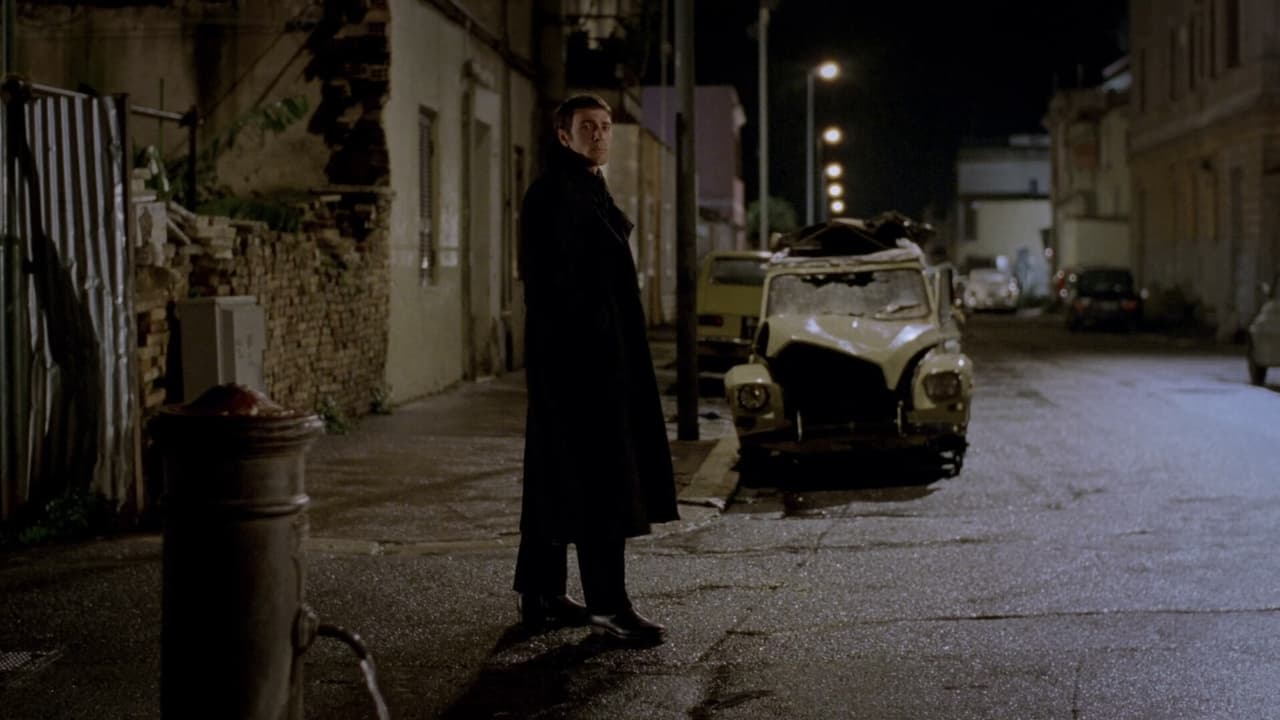
Forget the picturesque Trevi Fountain or the majesty of the Colosseum. Caligari's Rome, captured mostly during the late 70s timeframe the story depicts, is a city of peripheral neighbourhoods, anonymous apartment blocks, and the endless, hypnotic sprawl viewed through a car windshield at night. The film plunges us into the life of Remo Guerra (Valerio Mastandrea), a young man who embodies the era's disillusioned spirit. By day, he's a police officer, supposedly upholding the law; by night, he dons a mask and leads a small, brutal gang—including the volatile Maurizio (Marco Giallini) and the pragmatic Roberto (Giorgio Tirabassi)—on a spree of violent home invasions targeting the city's affluent bourgeoisie.
The film's power stems significantly from its source material. It's adapted from the novel Le notti di arancia meccanica ("Clockwork Orange Nights") by Dido Sacchettoni, who co-wrote the screenplay. Crucially, Sacchettoni based the novel on his own experiences within a similar gang operating in Rome during that period. This grounding in grim reality lends the film an authenticity that’s hard to shake. There's no glamour here, no slick Ocean's Eleven-style capers. The robberies are messy, terrifying, fueled by a desperate energy and a simmering class resentment that feels disturbingly real.
The Scent of Decay
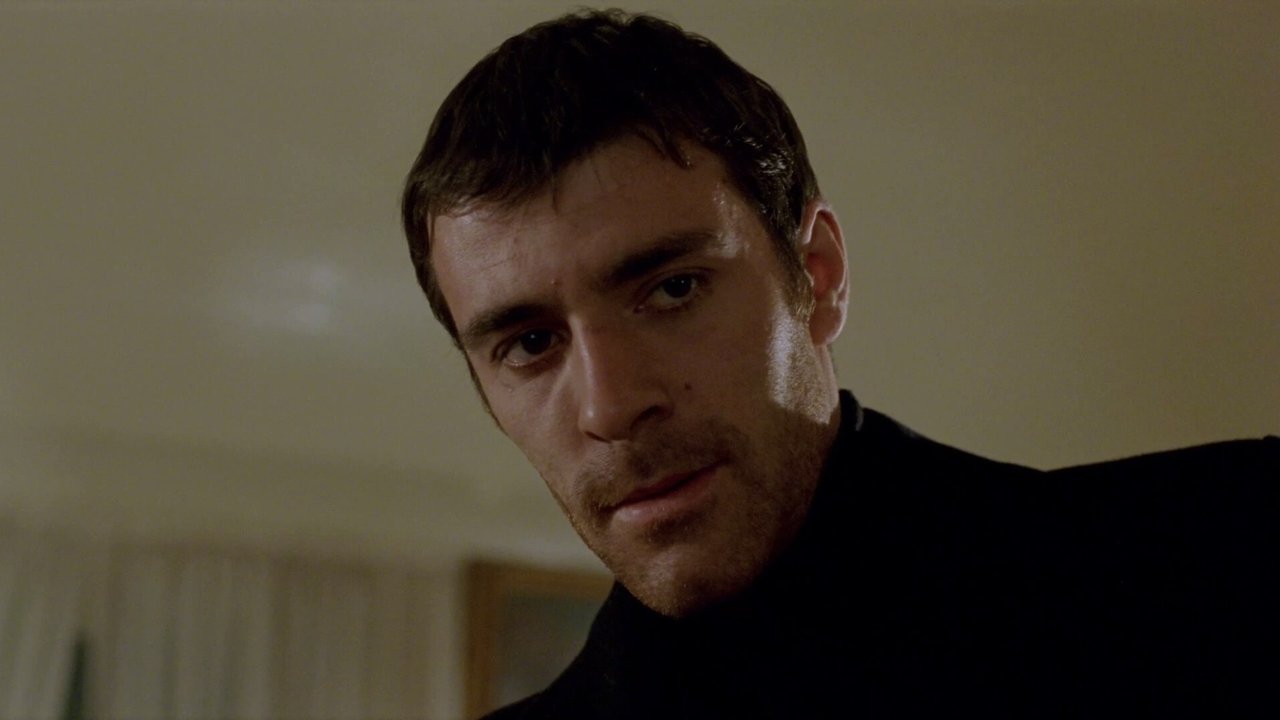
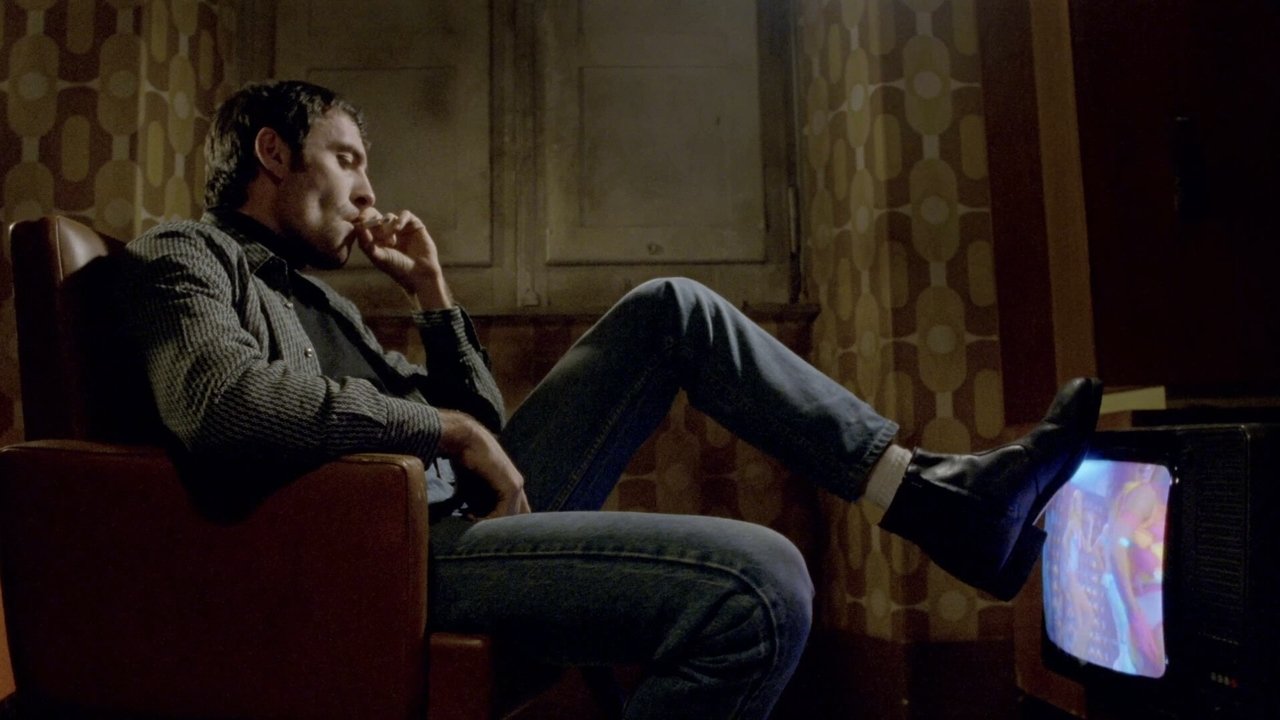
What truly elevates L'odore della notte is its focus on character and atmosphere over intricate plotting. Valerio Mastandrea, in a career-defining performance, is magnetic as Remo. He’s not a simple psychopath; there's a chilling intelligence behind his eyes, a weariness mixed with a dangerous unpredictability. Is he driven by greed? Political frustration? Existential boredom? Mastandrea keeps you guessing, embodying the contradictions of a man who enforces the rules by day and shatters them by night. His transformation isn’t just putting on a mask; it’s shedding a skin, revealing something predatory underneath. The supporting cast, particularly Marco Giallini as the loose cannon Maurizio, pulses with a raw, unvarnished energy that feels utterly believable. These aren't movie stars playing tough; they feel like men scraped from the unforgiving streets Caligari depicts.
Caligari, a director known for his unflinching realism (his debut Amore tossico (1983) explored Rome's heroin scene with similar grit, and his final film, Non essere cattivo (Don't Be Bad), completed posthumously in 2015, continued this legacy), shoots the film with a documentary-like immediacy. The camera often feels intrusive, capturing the panic in the victims' eyes, the claustrophobia of the apartments, the jittery tension within the gang's stolen car. There's little stylistic flourish, just a commitment to showing the ugliness and the desperation without flinching. The 'scent' of the title feels less literal and more symbolic – the pervasive odour of societal decay, moral ambiguity, and the fear that hangs heavy in the Roman night air during a tumultuous period in Italian history (the 'Anni di Piombo' or Years of Lead).
Beyond the Heist
This isn't simply a heist film; it's a portrait of alienation and the breakdown of social order. The gang's targets are the wealthy, living in comfortable isolation, seemingly oblivious to the simmering rage outside their gates. The film doesn't necessarily justify the gang's actions, but it forces us to confront the stark class divisions and the nihilism that can breed in the cracks of society. What happens when the guardians become the predators? When the dream of social mobility curdles into violent resentment? L'odore della notte doesn't offer easy answers, preferring to leave the viewer immersed in its bleak, unsettling world.
One fascinating detail is Caligari's insistence on using the authentic Romanesco dialect throughout the film, further grounding it in its specific time and place. While potentially challenging for non-Italian viewers relying on subtitles, it adds an undeniable layer of realism, pulling you deeper into the world these characters inhabit. It contributes to the feeling that you're not just watching a movie, but eavesdropping on something raw and unfiltered.
Lingering Brutality
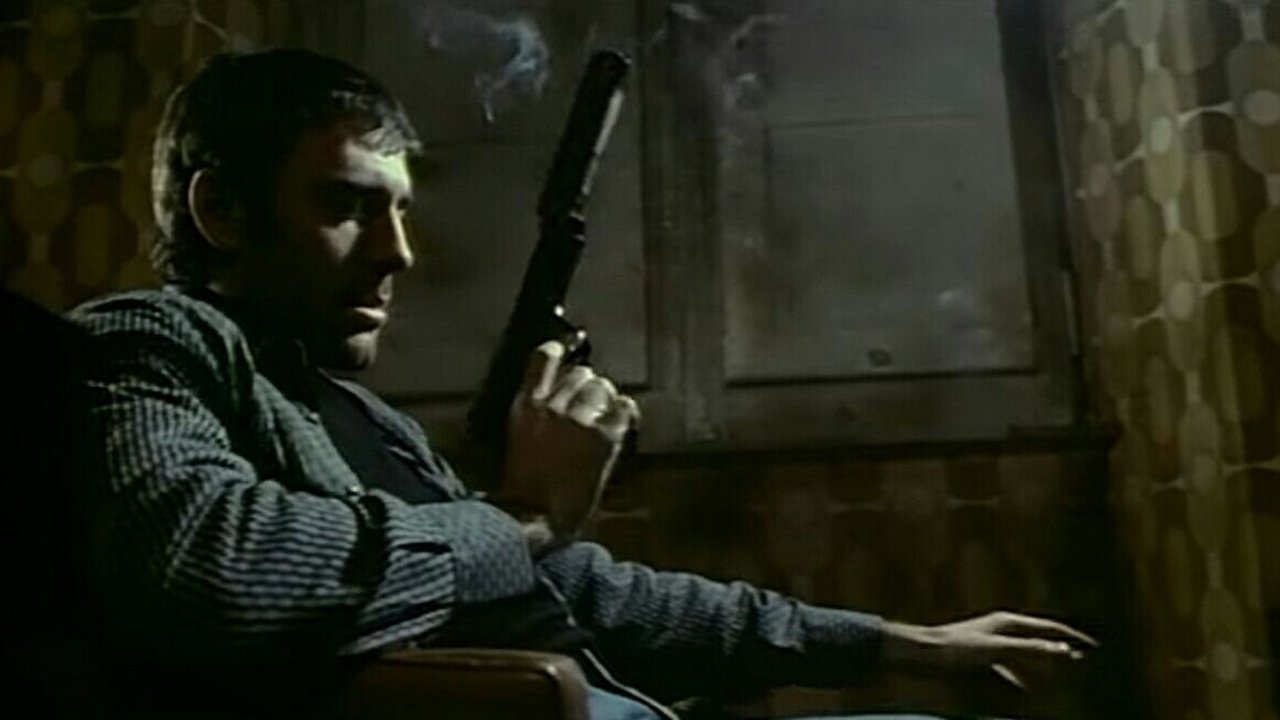
L'odore della notte is a tough watch. Its violence is brutal and sudden, lacking any Hollywood sheen. It’s a film that burrows under your skin, leaving you with a sense of unease rather than exhilaration. It stands as a stark contrast to the more stylized American crime films that dominated video store shelves in the late 90s. It’s a reminder that cinema, even from the relatively recent VHS era, could still deliver potent, uncomfortable truths wrapped in gritty, low-budget realism.
Rating: 8.5/10
This score reflects the film's powerful execution, its unforgettable central performance, and its unflinching commitment to a bleak, authentic vision. Valerio Mastandrea is simply phenomenal, carrying the film's moral weight and ambiguity with chilling precision. Claudio Caligari's direction is confident and purposeful, creating an oppressive atmosphere that perfectly matches the subject matter. The grounding in real events adds a layer of disturbing resonance. It loses a fraction for its relentless grimness, which might be off-putting for some, and perhaps its narrative focus narrows slightly too much on Remo in the latter stages. However, its raw power and lingering impact are undeniable.
It’s a potent dose of Italian neo-noir, a film that truly captures the 'scent' of desperation and violence lurking beneath the surface of a beautiful city. What lingers most isn't the thrill of the crime, but the cold void in Remo's eyes, reflecting a darkness that feels both specific to its time and hauntingly timeless.