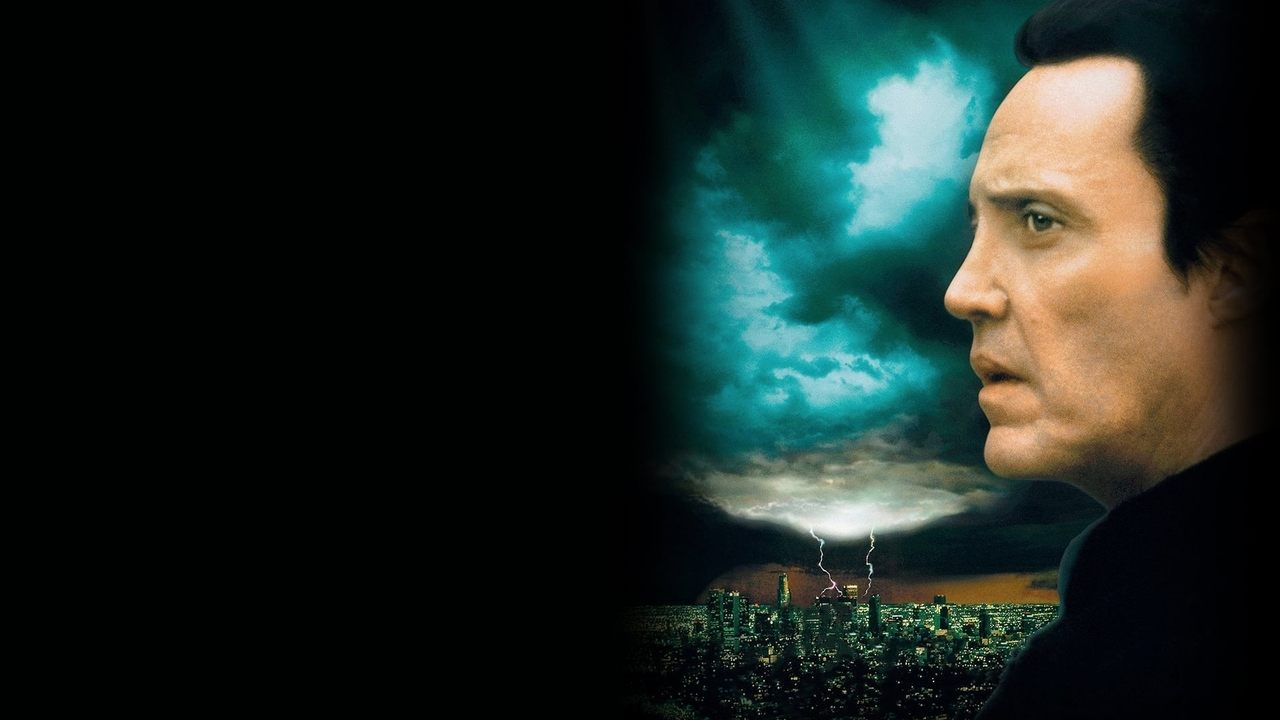
"Even God doesn't have the stomach for this war anymore," Gabriel muses, and the weariness in that statement hangs heavier than any threat. Three years after Christopher Walken first unnerved us as the renegade archangel in The Prophecy (1995), he returned, not to the multiplexes, but straight to the flickering promise of the video store shelves. The Prophecy II landed in 1998, a direct-to-video offering that carried the weight of expectation for anyone captivated by the original’s bleak, theological horror. Finding this tape felt like uncovering a forbidden text, a continuation of a story that felt both grandiose and disturbingly intimate.
The War Rages On, Straight to Tape
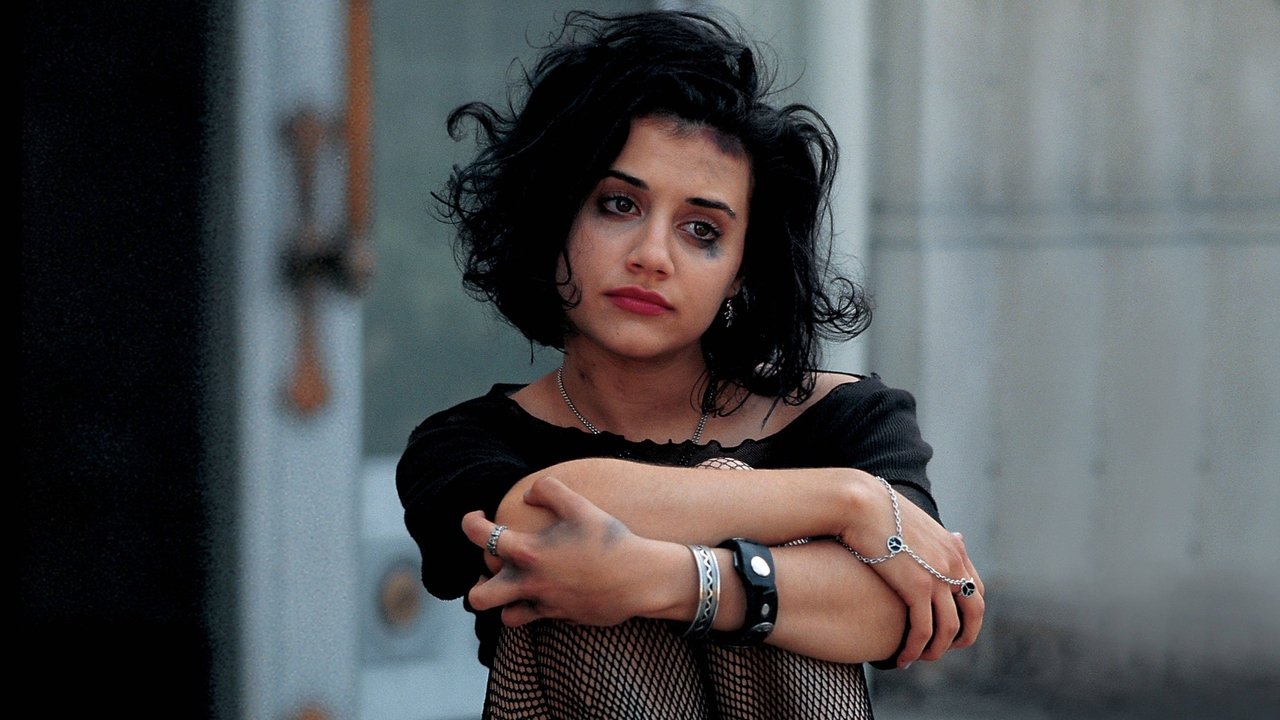
Make no mistake, the shift from theatrical release to the burgeoning DTV market is palpable here. Directed by Greg Spence, who also co-wrote, the ambition feels slightly curtailed, the canvas smaller. Yet, the core darkness remains. The war in Heaven isn’t over; it's just simmering, waiting for the next spark. This time, the conflict centers on Valerie Rosales (Jennifer Beals, bringing a grounded intensity), a nurse who finds herself unexpectedly pregnant with a Nephilim – the child of an angel and a human – prophesied to end the celestial stalemate. Naturally, Gabriel isn't having it. His mission: find the mother, destroy the child, maintain the bitter status quo. Opposing him is Danyael (Russell Wong), another angel with a vested interest in protecting the unborn child.
Walken's Unholy Presence
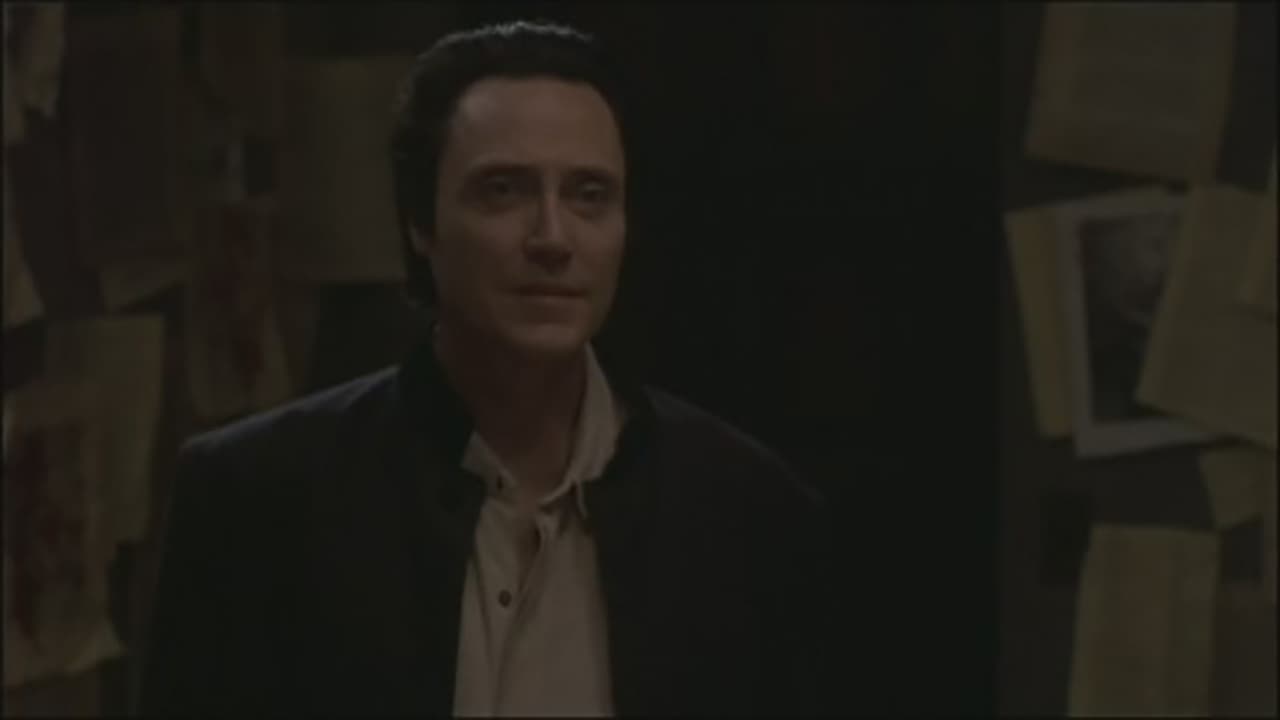
Let's be honest: the main reason to track down this VHS gem was, and remains, Christopher Walken. He slips back into Gabriel's skin with effortless menace, that signature cadence delivering lines dripping with cosmic boredom and chilling resolve. He doesn't chew the scenery; he haunts it. There's a fascinating story that Walken viewed Gabriel not merely as evil, but as deeply loyal to Heaven, albeit with a terrifyingly pragmatic view of the necessary evils to preserve it. This nuanced approach, even amidst the DTV constraints, elevates every scene he's in. His quiet interactions, the unsettling stillness before he acts, generate more genuine dread than any jump scare could. Doesn't his unique blend of otherworldly calm and sudden volatility still feel uniquely disturbing? He’s the dark star around which the rest of the film orbits, a constant source of unease.
Navigating Celestial Conflict on a Budget
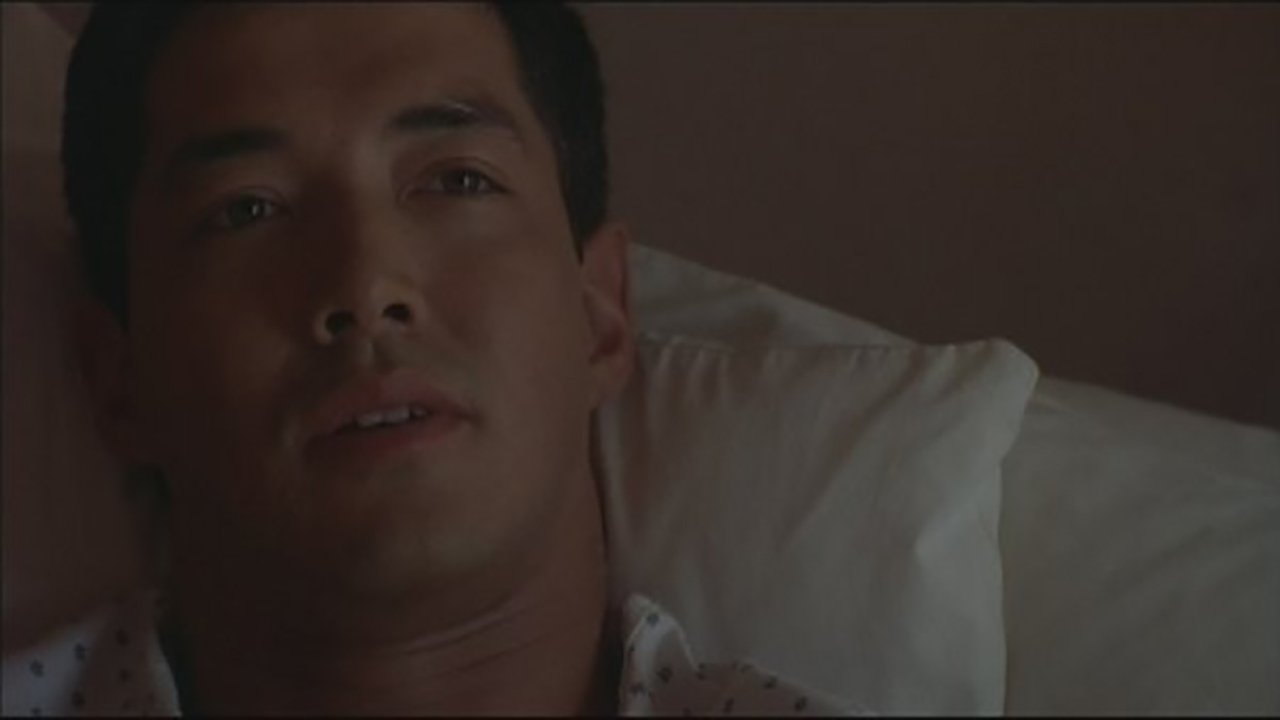
While Walken provides the atmospheric anchor, the rest of the production grapples with its more modest means. Russell Wong as Danyael cuts a suitably stoic figure, the conflicted angel trying to do right in a war where morality is eternally grey. Jennifer Beals lends credibility and emotional weight to Valerie's plight, making her more than just a damsel in distress. The effects, naturally, don't quite have the polish of the original – some of the angelic transformations or moments of divine power feel distinctly late-90s DTV. Yet, there's a certain charm to it, a reminder of an era where practical ingenuity often had to compensate for digital wizardry. Reportedly filmed on a tight schedule, there's an urgency to the filmmaking that sometimes works in its favor, reflecting the desperate chase at the heart of the plot. The reported budget hovering around $2-3 million (a fraction of many theatrical releases then) likely dictated much of the film's grounded, gritty feel.
Expanding the Lore, Diminishing the Returns?
The Prophecy II attempts to build upon the mythology established by Gregory Widen in the first film. We delve deeper into the concept of the Nephilim and the factions within the angelic hosts. While intriguing on paper, the execution sometimes feels less focused than the original's tight, almost noir-ish narrative. The plot becomes more of a straightforward chase thriller, losing some of the philosophical weight that made the first film so compelling. Did the introduction of the Nephilim angle truly enrich the story for you, or did it feel like a convenient sequel hook? It adds layers, certainly, but perhaps at the cost of the original's stark simplicity. The film does deliver moments of effective tension and some memorable, darkly tinged sequences, particularly Gabriel's relentless pursuit.
That Lingering VHS Chill
Watching The Prophecy II today evokes a specific kind of nostalgia – the feel of discovering a darker, slightly rougher-around-the-edges continuation of a story you loved. It lacks the breakout impact and polish of its predecessor, but it retains enough of that unique Prophecy atmosphere, largely thanks to Walken, to make it a worthy entry for fans. It represents that specific late-90s moment when interesting genre concepts could find life directly on video, bypassing theaters entirely. It might not reach the hellish heights of the original, but the shadow it casts is still long and cold.
Final Verdict & Rating
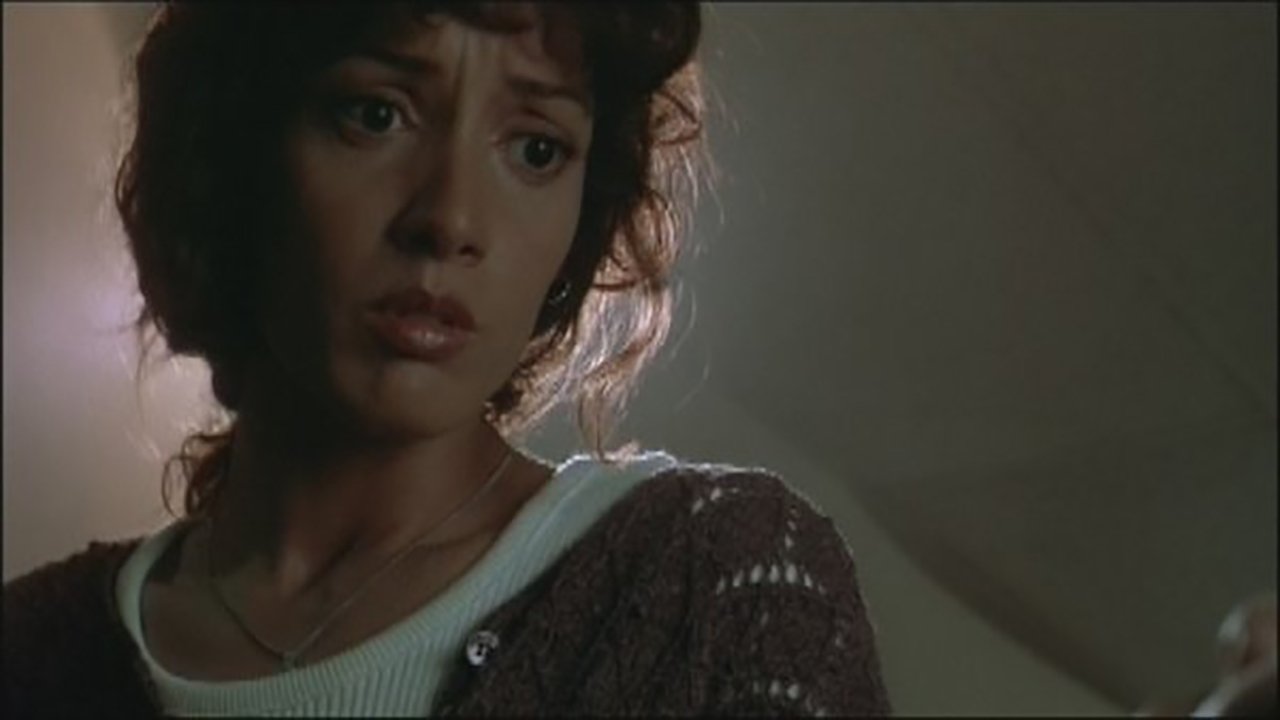
The Prophecy II is undeniably a step down from the original, hampered by its direct-to-video budget and a less focused script. However, Christopher Walken's return as Gabriel is magnetic, single-handedly justifying the price of admission (or rental fee, back in the day). He embodies the film's lingering dread. The continuation of the bleak angelic war mythology remains compelling, and Jennifer Beals provides a strong human anchor. While the execution is rougher, it retains a specific late-90s DTV charm and delivers enough atmospheric chills and Walken-fueled menace to satisfy fans of the original looking for another dose of celestial dread.
Rating: 6/10
It’s a quintessential second-tier discovery from the video store shelf – not the main event, perhaps, but a compelling, darkly atmospheric continuation that reminds you why Walken's Gabriel remains one of the era's most unsettling screen presences.