A Nightmare on Elm Street 5: The Dream Child
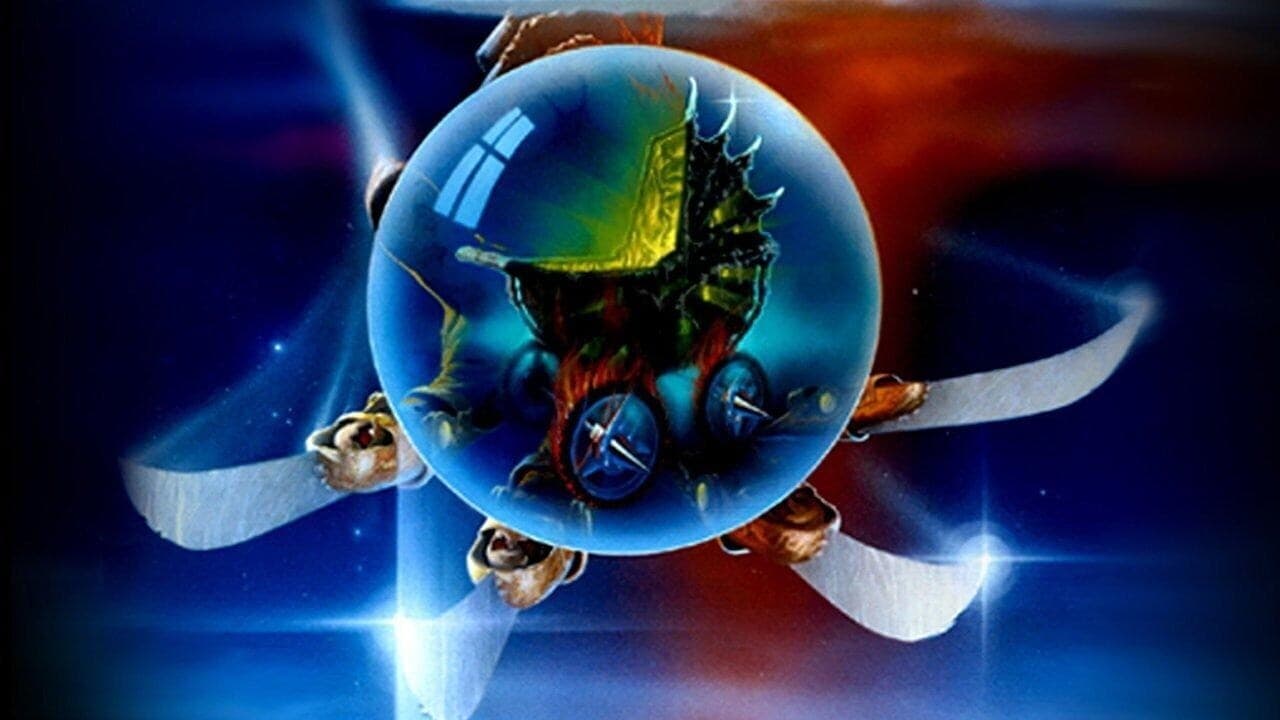
The stained glass casts long, distorted shadows. Within the decaying asylum walls, a hundred maniacs chant in unison, not for freedom, but for rebirth. This isn't the brightly lit suburbia where Freddy Krueger first stalked his prey; this is something colder, stranger, a descent into a particularly European Gothic dread that felt jarringly different spilling from the VCR in 1989. A Nightmare on Elm Street 5: The Dream Child doesn't begin with a jolt, but with a creeping sense of unease, a promise of violation that strikes deeper than mere slashing.
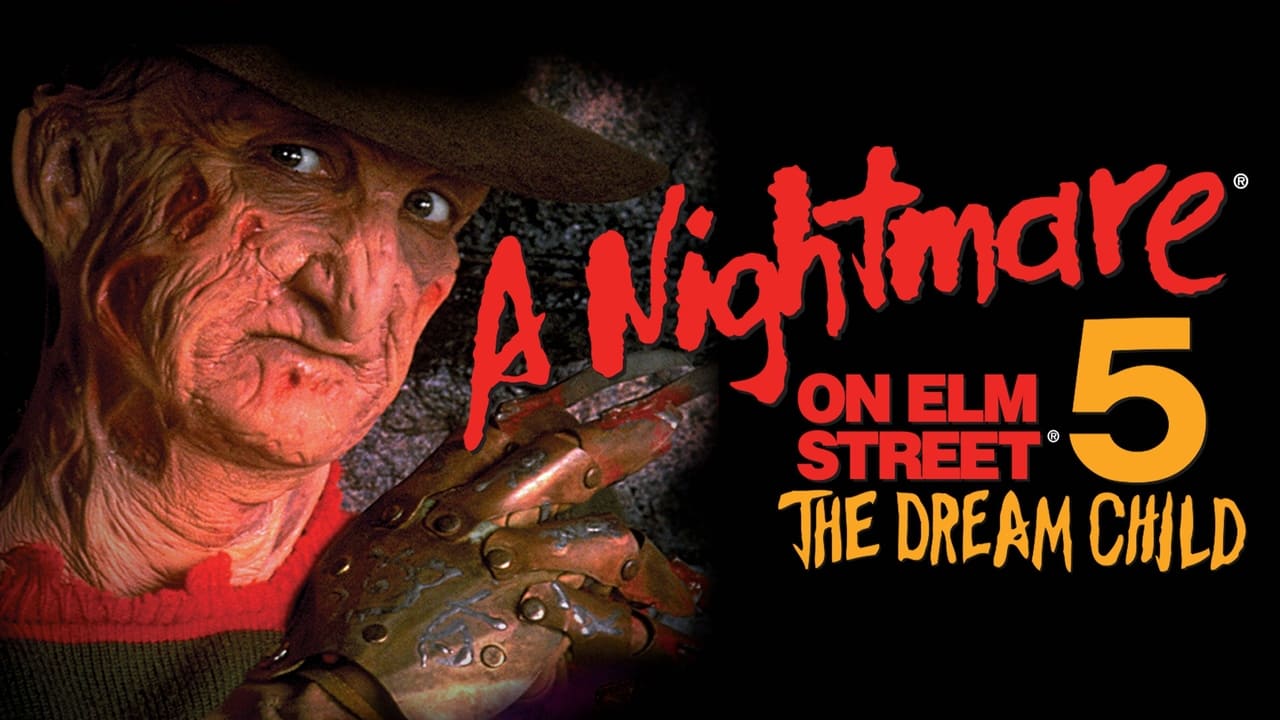
A Mother's Nightmare
Picking up shortly after the events of The Dream Master, we find Alice Johnson (the returning Lisa Wilcox, carrying the film with admirable conviction) trying to piece together a normal life after the horrors she endured. Graduation looms, romance blossoms, but the past refuses to stay buried. When Alice discovers she's pregnant, Freddy Krueger (Robert Englund, ever the malevolent ringmaster) finds his most insidious loophole yet: corrupting the dreams of her unborn child, Jacob, to strike at Alice and her friends from within. It's a genuinely disturbing premise, tapping into primal fears of bodily autonomy and corrupted innocence, pushing the franchise into territory that feels closer to Cronenbergian body horror than the slasher roots it sprang from. Remember the comparatively vibrant, almost pop-art aesthetic of Part 4? The Dream Child trades MTV gloss for a palette of bruised blues, sickly greens, and oppressive shadows.
Gothic Visions and Grotesque Effects
Director Stephen Hopkins, who would later helm the similarly grimy and intense Predator 2 (1990), injects a distinct visual style. The production design leans heavily into a decaying, almost fairy-tale darkness. The asylum sequences, with their impossible architecture seemingly inspired by M.C. Escher, are particularly memorable, creating a tangible sense of disorientation. Hopkins, working under a notoriously tight schedule (reportedly just four weeks of pre-production and four weeks of shooting), pushes the practical effects team to their limits. Some results are undeniably grotesque and nightmarish: the image of Freddy being "reborn," tearing his way back into existence, is pure nightmare fuel. However, ambition sometimes outstrips execution. The infamous sequence where Dan transforms into a fused motorcycle-human hybrid, while conceptually horrific, becomes a blur of screeching metal and unconvincing effects that borders on the unintentionally comical. It’s a testament to the era’s practical effects bravado, even when it slightly misses the mark. Doesn't that blend of the truly unsettling and the occasionally goofy perfectly capture the charm of late 80s horror sequels?
Freddy: Menace or Mascot?
By the fifth installment, the tightrope walk between terrifying dream demon and wisecracking pop culture icon was becoming precarious. Robert Englund is, as always, magnetic, clearly relishing the role. Yet, The Dream Child struggles with Freddy's identity. The film attempts to delve deeper into his origins via the spectral nun Amanda Krueger, aiming for a darker, more tragic figure. But this psychological exploration often feels at odds with the increasingly elaborate and pun-laden kill sequences. The "Super Freddy" persona briefly glimpsed feels like a studio note desperately trying to recapture the zeitgeist, pulling away from the film's otherwise bleaker tone. It reflects a franchise unsure if it wants to truly scare us or just sell lunchboxes.
Secrets from the Cutting Room Floor
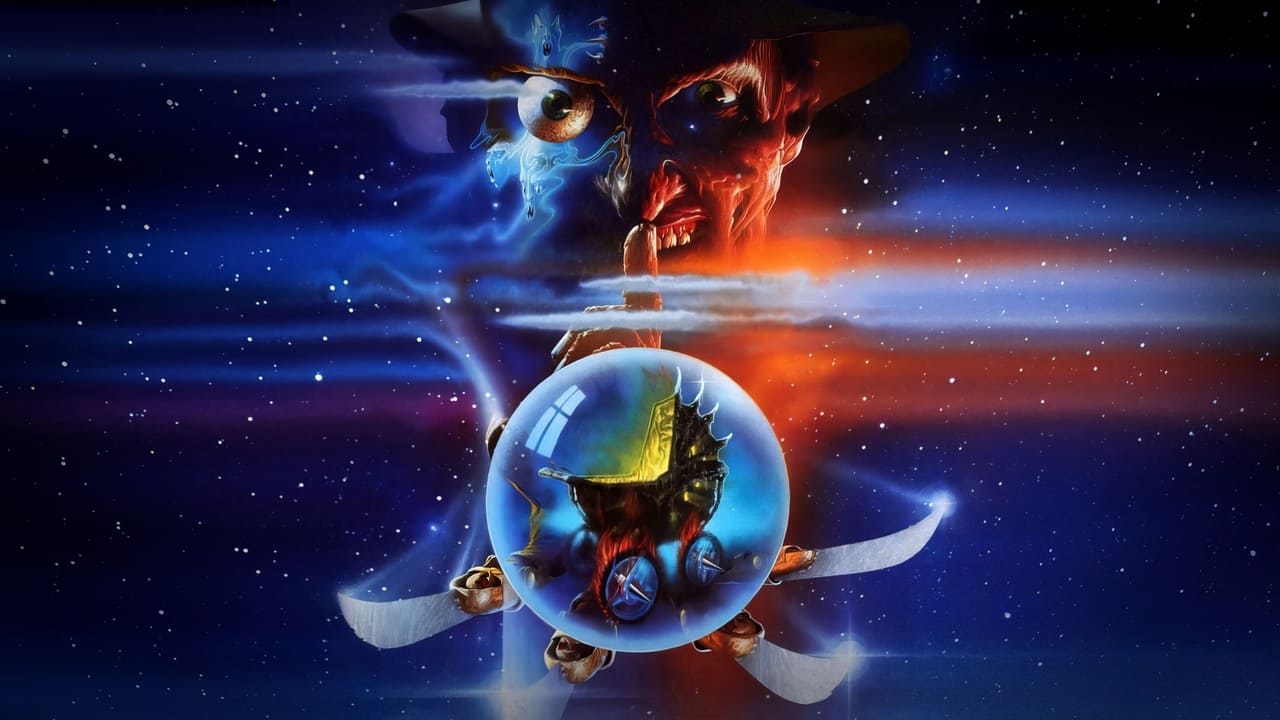
Perhaps the film's pervasive sense of unease stems partly from its troubled production. It’s no secret that The Dream Child faced significant battles with the MPAA. Several key sequences, including the harrowing force-feeding death of Greta and Mark's comic-book transformation demise, were heavily truncated to secure an R-rating. Whispers among fans back in the day, fueled by horror magazines, spoke of much more graphic, disturbing footage left unseen. This knowledge hangs over the film; you can almost feel the phantom edits, the moments where Hopkins likely intended to push the horror further, only to be reined in. Original writers John Skipp and Craig Spector, known for their splatterpunk work, largely disowned the final film due to studio interference altering their reportedly much darker vision. Produced on a budget of around $8 million, its $22.2 million domestic gross was a significant drop from Part 4's $49.4 million haul, signaling perhaps that audiences, too, were sensing the formula wearing thin, or maybe the darker, less crowd-pleasing tone didn't resonate as widely.
A Flawed but Fascinating Descent
While visually distinctive and built on a chilling core concept, The Dream Child suffers from narrative clutter. The new characters supporting Alice, including Yvonne (Kelly Jo Minter, doing her best with limited material), feel underdeveloped compared to the memorable "Dream Warriors" or the ensemble of Part 4. The plot mechanics involving Jacob, Amanda Krueger, and Freddy's resurrection become convoluted, sometimes sacrificing coherence for the sake of the next surreal set piece. The attempt to provide Freddy with a more complex backstory ultimately muddies his terrifying simplicity.
Despite its flaws – the sometimes confusing plot, the visible scars of censorship, the tonal inconsistencies – A Nightmare on Elm Street 5: The Dream Child remains a fascinating entry in the series. It stands out for its bold, gothic aesthetic and its genuinely unsettling central idea. It tried to take Freddy in a different, darker direction, even if it didn't fully succeed. Pulling this tape from the shelf at the video store back then promised something different, something moodier than its predecessor, and in that sense, it delivered a unique, if imperfect, nightmare.
Rating: 6/10
Justification: The score reflects the film's striking visual ambition, its genuinely creepy central premise, and Stephen Hopkins' distinct directorial stamp. However, it's held back by a muddled narrative, underdeveloped supporting characters, and the clear impact of studio interference and MPAA cuts, which dilute the horror and create tonal whiplash. It’s more interesting than truly successful.
Final Thought: The Dream Child remains a gothic outlier in the Elm Street saga, a visually rich but narratively tangled descent that feels like a dark, half-remembered dream itself – unsettling, strange, and ultimately incomplete.