"Grant me one wish..." The voice, sandpaper rough yet sinfully smooth, echoes from a time before digital trickery scrubbed the texture from our nightmares. It’s the promise and the threat coiled at the heart of 1997's Wishmaster, a film that feels less like a story whispered around a campfire and more like a grimoire slammed open on your coffee table, its malevolent ink still wet. It arrived near the tail-end of the practical effects boom, a glorious, gory fireworks display before the dawn of ubiquitous CGI, and watching it again now feels like unearthing a particularly potent artifact.

Unholy Bargains, Unforgettable Villain
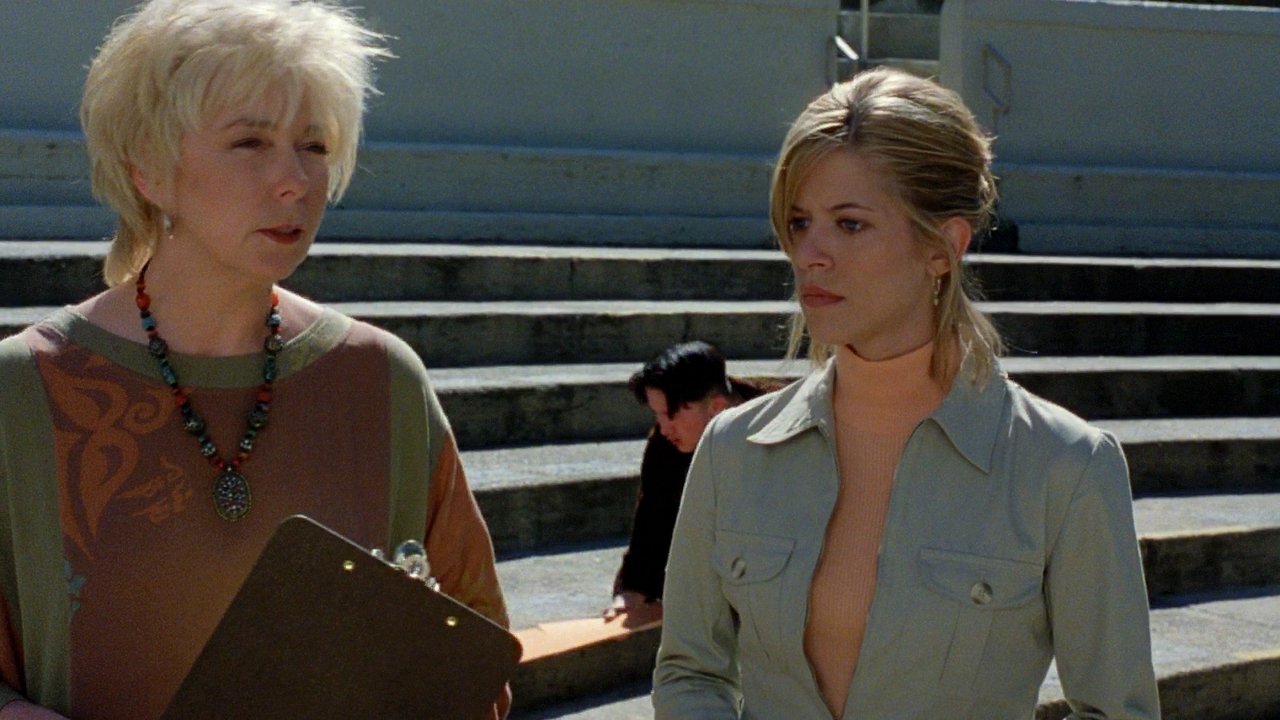
The setup, penned by Peter Atkins (who knew a thing or two about infernal bargains from his work on Hellraiser II, III, and IV), is elegantly simple: an ancient, malevolent Djinn is accidentally unleashed in modern-day America when gemologist Alexandra Amberson (Tammy Lauren) appraises a mysterious fire opal found sealed within an antique statue. This isn't your blue, Robin Williams-voiced genie; this creature grants wishes, yes, but twists them into grotesque mockeries designed purely to harvest souls and unleash hell on Earth. To fully break free, he needs Alexandra – the one who woke him – to make three wishes.
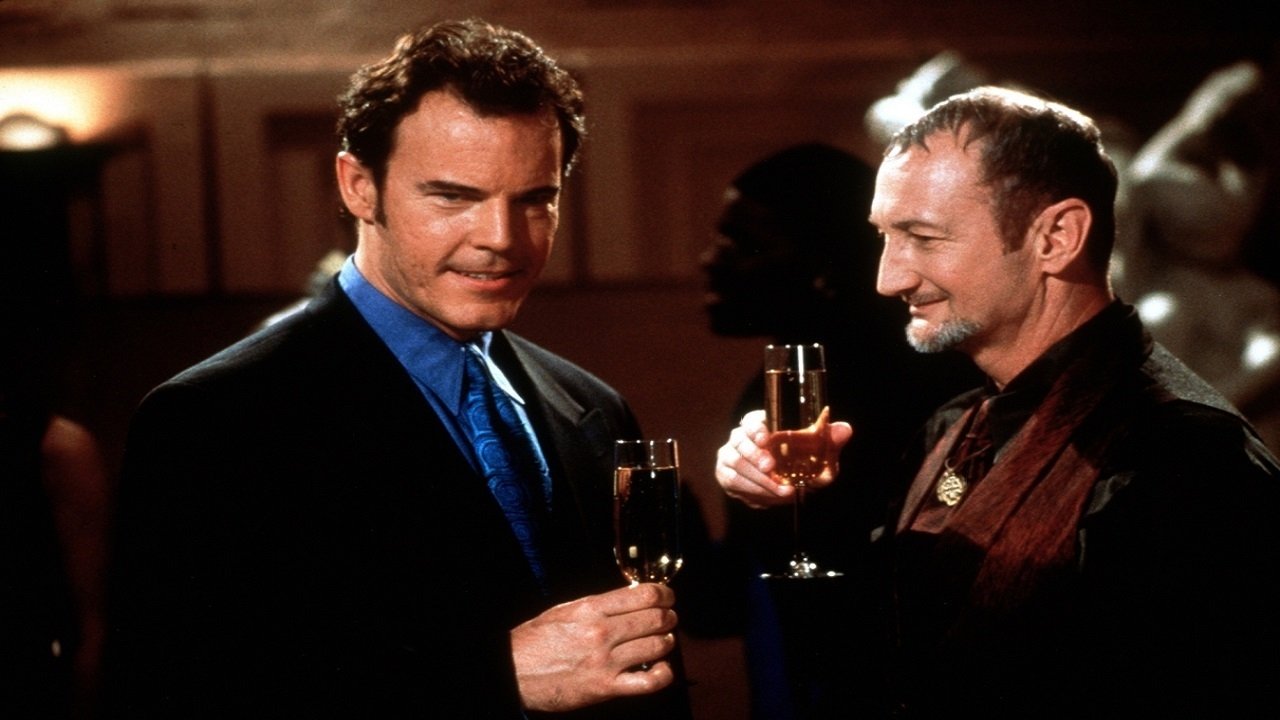
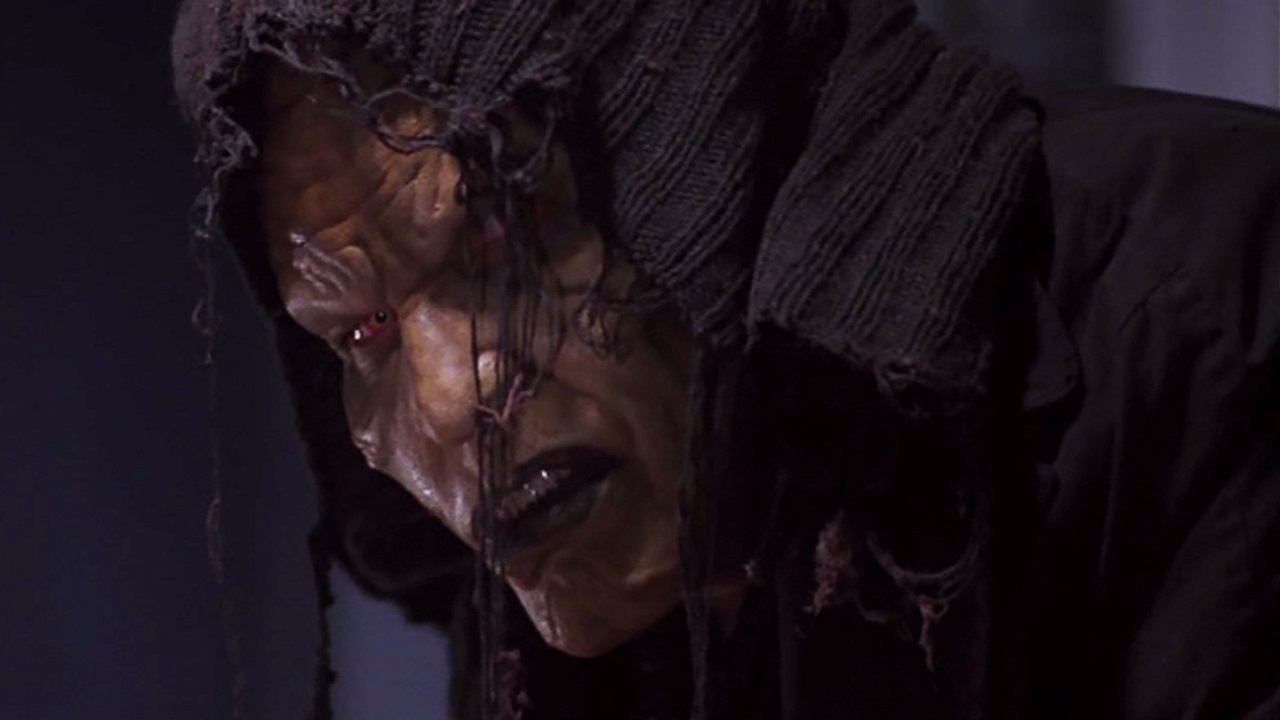
But let's be honest, the dark star here is the Djinn himself, embodied with chilling perfection by Andrew Divoff. Divoff's performance is magnetic. In human guise as Nathaniel Demerest, he's charmingly menacing, his eyes glinting with ancient evil. But when the makeup effects kick in – a masterpiece of prosthetic work revealing the Djinn's true, demonic form – he becomes unforgettable. That voice, that reptilian smile... Divoff owns this role, delivering lines like "Do you have any idea how frustrating it is to have unlimited power, and only be able to use it when some worm asks you for something?" with a palpable sense of cosmic spite. It's said Divoff damaged his vocal cords achieving that iconic rasp – a dark legend perhaps, but one that feels fitting for such a committed portrayal.
A Grand Guignol Guided by Gore Masters
What truly elevates Wishmaster into the pantheon of glorious late-90s schlock is its pedigree behind the camera. Directed by special effects wizard Robert Kurtzman, one of the founders of the legendary KNB EFX Group, the film is an unabashed showcase for practical creature effects and gore. Kurtzman, who cut his teeth creating nightmares for films like From Dusk Till Dawn (1996) and Army of Darkness (1992), uses his directorial debut to let his team run wild. The wish sequences are miniature masterpieces of gruesome creativity: a man literally wishes his debts away (and himself along with them), a fashion designer desires a mannequin to become real flesh (with predictably squishy results), and the climactic party massacre is an explosion of inventive, visceral horror that must have kept the MPAA busy. This wasn't just gore for gore's sake; it felt like a gleeful celebration of what latex, ingenuity, and buckets of Karo syrup could achieve. I distinctly remember renting the unrated version, feeling like I'd stumbled onto something wonderfully forbidden.
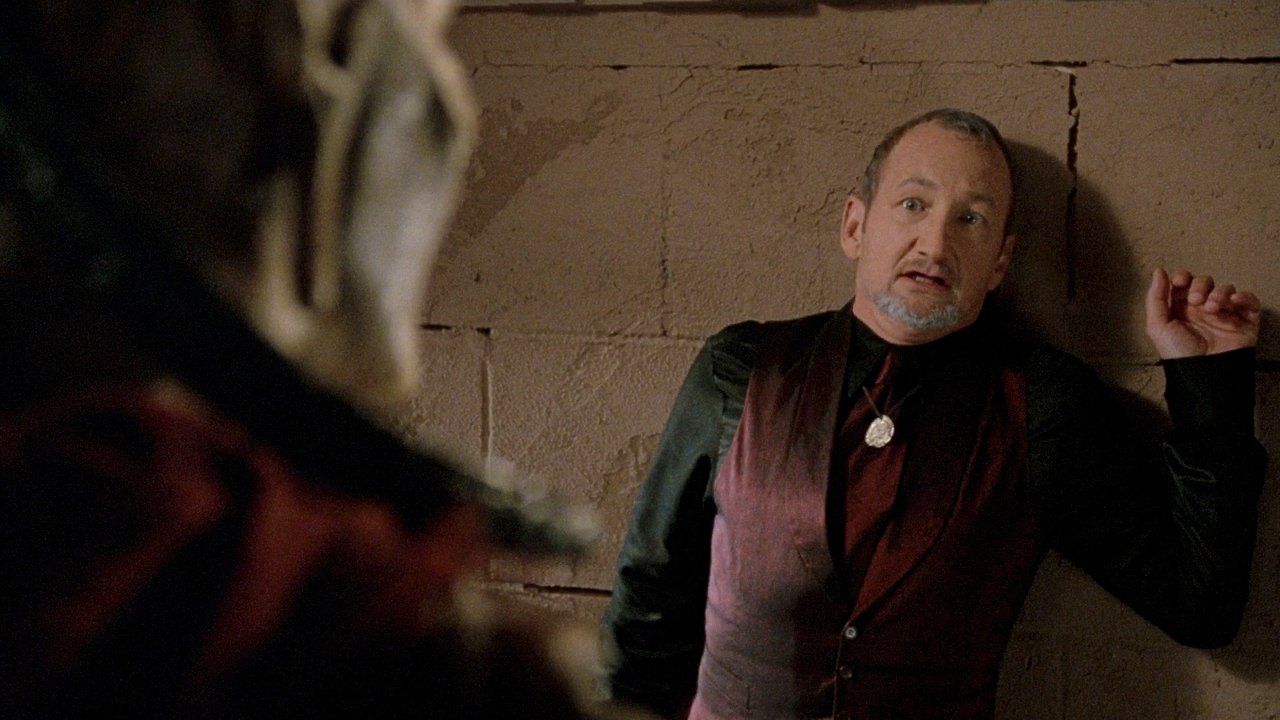
Adding another layer of horror royalty, the film was executive produced by none other than Wes Craven, the maestro behind A Nightmare on Elm Street (1984) and Scream (1996). His name undoubtedly lent the project cachet, but the film's brutal energy feels very much Kurtzman's own. And the cast? It’s a literal convention of horror icons. Keep your eyes peeled for cameos from Robert Englund (Freddy Krueger himself, playing the unfortunate antique collector), Kane Hodder (Jason Voorhees), Tony Todd (Candyman), Ted Raimi (Evil Dead series), Angus Scrimm (The Tall Man from Phantasm), Reggie Bannister (Phantasm), and even Joseph Pilato (Captain Rhodes from Day of the Dead (1985)). Spotting them all is part of the fun, a loving nod to the genre fans who kept video stores humming. Remember trying to point them all out to friends during sleepovers?
Flawed Gem, Enduring Charm
Is Wishmaster a perfect film? Absolutely not. Alexandra, while resourceful, can feel a bit reactive, more plot device than fully fleshed character. The pacing occasionally stumbles between the inventive set pieces. But these feel like minor quibbles when weighed against the film's strengths. It knows exactly what it is: a dark, nasty, effects-driven creature feature with a killer concept and a truly iconic villain. Made for a mere $5 million, it managed to pull in over $15 million at the box office, proving there was still an appetite for this kind of practical horror mayhem. It tapped into that primal fear of unintended consequences, dressing it up in gothic horror trappings and splashing it with viscera.
Its success inevitably led to sequels (Wishmaster 2: Evil Never Dies (1999), Wishmaster 3: Beyond the Gates of Hell (2001), Wishmaster: The Prophecy Fulfilled (2002)), though only the first follow-up saw Divoff return, and none quite captured the nasty magic of the original.
VHS Heaven Rating: 8/10
This score reflects Wishmaster's standing as a top-tier example of late-90s practical effects horror. Andrew Divoff's performance is legendary, the KNB effects work is outstandingly gruesome and creative, and the parade of horror cameos makes it a delight for genre aficionados. While the plotting and protagonist might be secondary to the spectacle, the core concept is strong, and the execution is memorably vicious. It’s a film that delivers exactly what it promises: dark wishes, demonic charm, and delightfully disgusting consequences.
For those of us who haunted the horror aisles of Blockbuster, Wishmaster wasn't just another tape – it was a promise of inventive carnage and a villain for the ages, a grim fairytale twisted into a B-movie nightmare that still holds a nasty, nostalgic power. Doesn't that Djinn makeup still feel unnervingly real?