There's a certain weariness that hangs over Christopher Walken’s Gabriel by the time The Prophecy 3: The Ascent flickers onto the screen. It mirrors, perhaps, the feeling of the angel war itself – an ancient conflict grinding on, leaving celestial beings broken and earthbound. Gone is some of the chilling detachment of the first film; here, Gabriel feels… almost tired. And that weariness, that descent into something more humanly grim, is the strange, unsettling core of this direct-to-video sequel that landed on shelves right as the new millennium dawned.
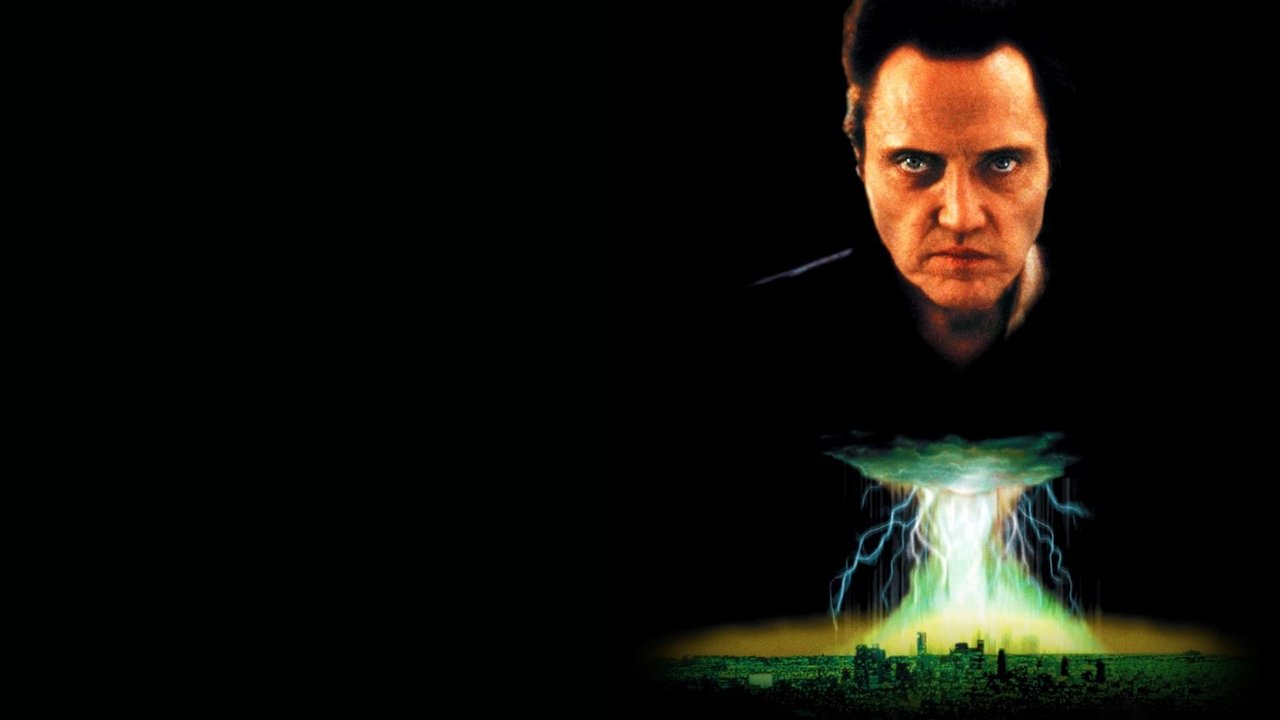
This wasn't a trip back to the multiplex; this was a discovery made browsing the 'New Releases' wall at Blockbuster or Hollywood Video, the distinctive cover art promising another dose of Walken's uniquely unsettling archangel. It arrived five years after the original The Prophecy (1995), a film that genuinely unnerved with its blend of theological horror and detective procedural, anchored by Walken’s instantly iconic performance. This third entry, hitting in 2000, felt like both an extension and an ending, a final Walken-led chapter before the series continued without its charismatic center.
A Nephilim Walks Among Us
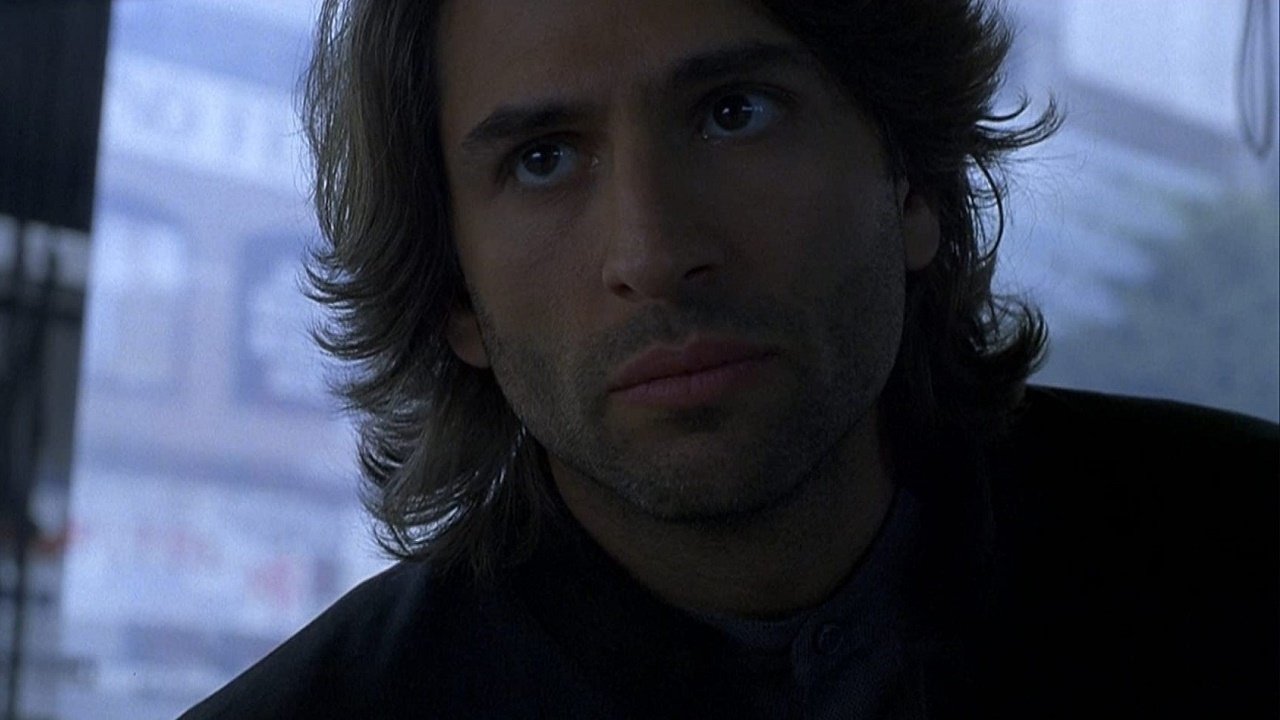
The premise continues the celestial conflict, this time focusing on Danyael Rosales (Dave Buzzotta), a street preacher who is revealed to be a Nephilim – half-human, half-angel – and potentially the key to ending the war in Heaven. Naturally, this makes him a target. Enter Zophael (Vincent Spano), a zealous angel determined to prevent Danyael from fulfilling his destiny, believing it will lead to God forgiving the fallen angels, something Zophael cannot abide. And caught in the middle, initially posing as a guide but with his own complex motives, is Gabriel. It’s a setup ripe for gloomy introspection and supernatural showdowns, staged against gritty, urban landscapes that feel a world away from the sun-drenched Arizona vistas of the first film.
The direction by Patrick Lussier, who came up as a prolific editor (notably cutting Wes Craven's Scream trilogy), gives The Ascent a certain kinetic, if sometimes choppy, energy. You can feel the editor’s hand trying to inject pace and tension, often working against what was likely a modest budget typical of DTV sequels of the era. Lussier reportedly embraced the chance to direct Walken, aiming to capture the intensity the actor brought even to this lower-budgeted follow-up. The practical effects, while perhaps not as polished as the original's, retain that late-90s/early-2000s charm – wings unfurling in shadow, demonic transformations that rely more on makeup and performance than seamless CGI. Remember how startling even slightly "off" practical effects could look on a standard-def TV late at night? This film taps into that specific kind of unease.
Walken's Weary Angel
Let's be honest: the main draw here is Christopher Walken. Even in this third outing, seemingly running on fumes and divine dissatisfaction, he’s utterly magnetic. His Gabriel is less the terrifying enigma of the first film and more a fallen angel grappling with his own fading relevance and perhaps, just perhaps, a flicker of something resembling conscience. His interactions with Joseph (Steve Hytner, returning briefly), the long-suffering coroner's assistant who became Gabriel's reluctant driver in The Prophecy II (1998), offer moments of dark, almost absurd humor. These scenes feel like Walken enjoying the chance to riff, bringing his unique cadence and timing to lines that might fall flat otherwise. It's fascinating to watch an actor of his caliber commit so fully to a role across multiple films, even as the series transitioned to the home video market.
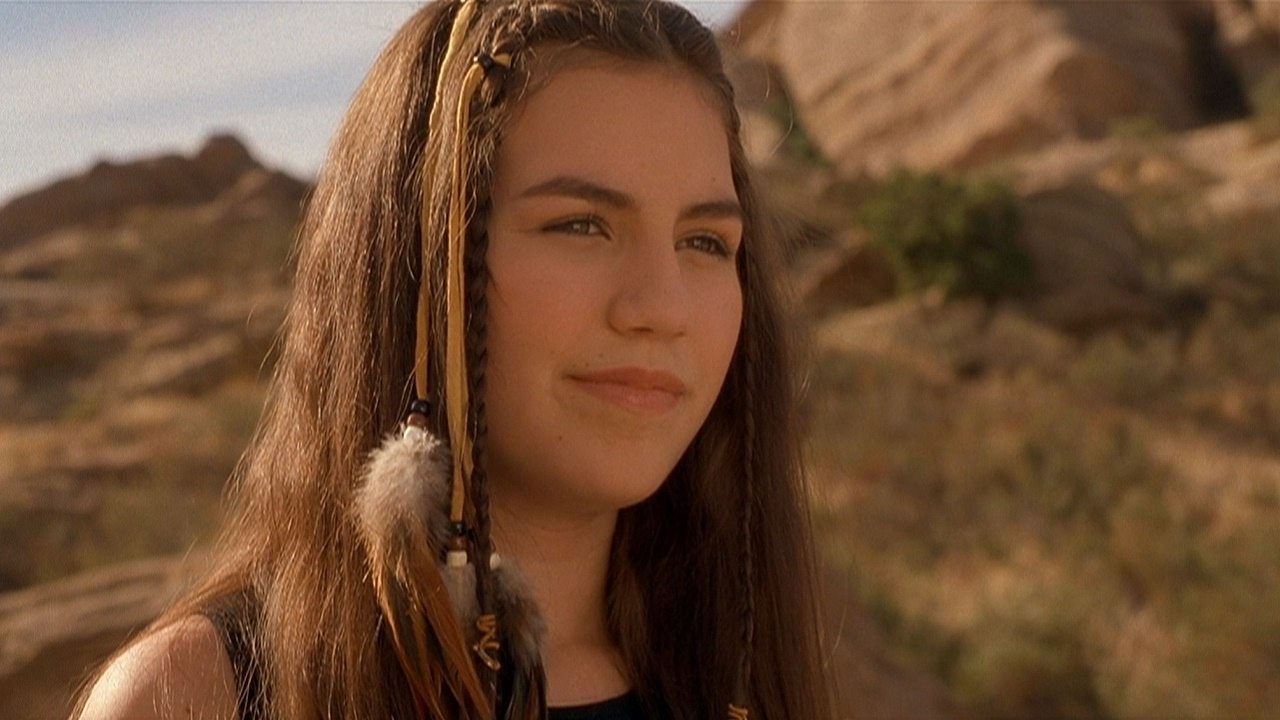
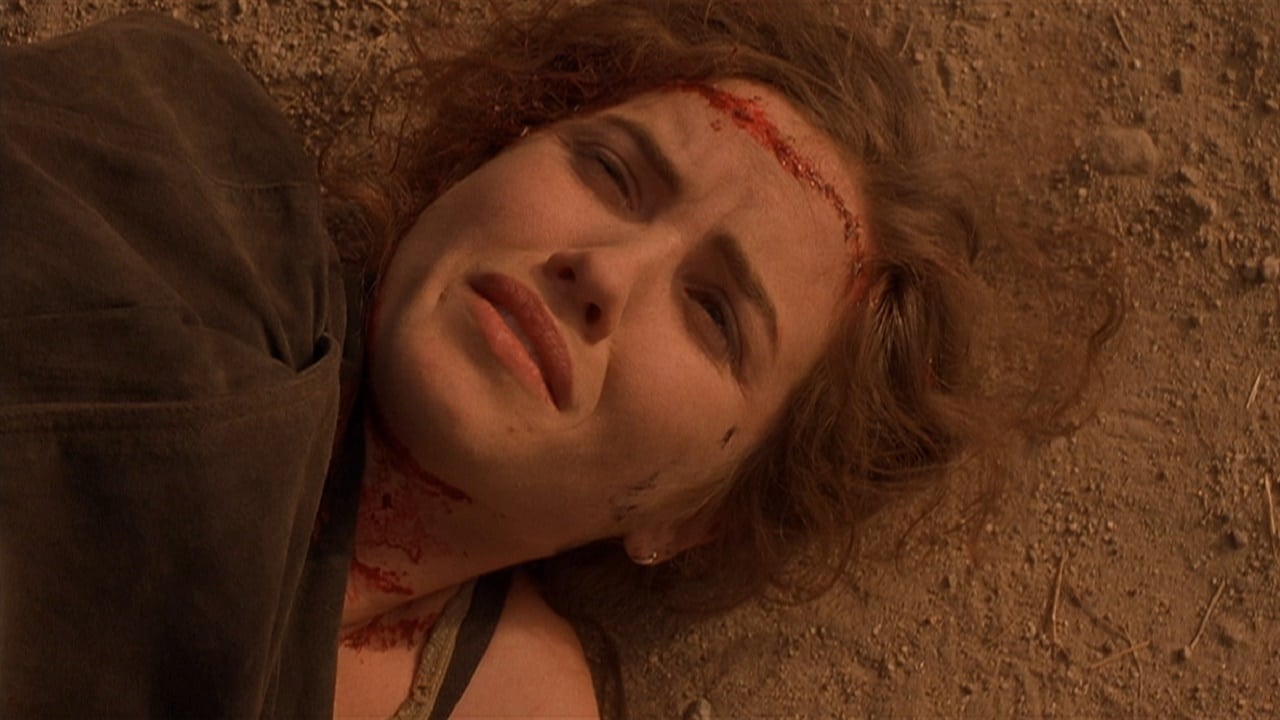
The supporting cast does its best. Dave Buzzotta brings a brooding intensity to Danyael, though the character sometimes feels more like a plot device than a fully fleshed-out individual. Brad Dourif, a genre legend (Child's Play, One Flew Over the Cuckoo's Nest), also appears as a Zealot, adding his signature twitchy menace to the proceedings. His presence, like Walken's, lends a certain cult credibility, a nod to the dedicated horror fans who sought out these kinds of releases. It's these familiar faces that often elevated DTV sequels from mere cash-grabs to something worth tracking down on VHS or DVD.
Theological Gloom on a Budget
While it doesn't quite capture the chilling theological dread of the original, The Prophecy 3 maintains a pervasive sense of gloom. The conflict feels less epic, more personal and desperate. The angels here aren't just otherworldly beings; they're scarred veterans of an endless war, their motivations twisted by dogma and resentment. The film explores themes of destiny, free will, and the possibility of redemption, even for the most fallen. It asks dark questions about the nature of faith and sacrifice, even if the answers are sometimes lost amidst the action beats and budgetary constraints. Did the film's ending, with Gabriel's ambiguous fate, leave you wondering, or did it feel like a fitting, if downbeat, conclusion to his arc?
One interesting tidbit often mentioned is Walken's own approach to Gabriel; he reportedly saw the character not purely as evil, but as an angel fiercely loyal to God who felt betrayed by humanity's elevation. This perspective adds layers to his performance across the trilogy, suggesting a tragic figure beneath the terrifying exterior. Filming reportedly took place largely in Los Angeles, utilizing gritty urban locations to enhance the feeling of celestial conflict spilling onto earthly streets, a common tactic for maximizing atmosphere on a lower budget.
Final Verdict & Rating
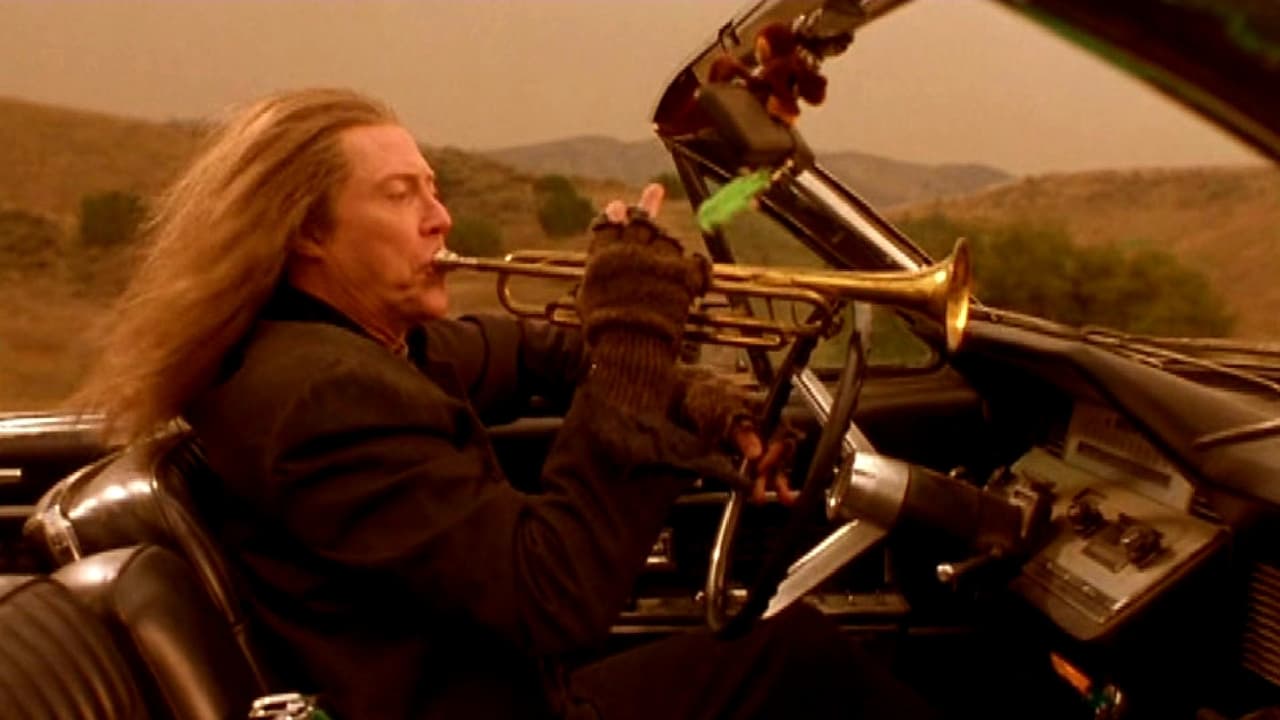
The Prophecy 3: The Ascent is undeniably a product of the direct-to-video sequel boom of the late 90s and early 2000s. It lacks the polish and sustained atmospheric dread of the original, and the plot can feel somewhat rushed. However, anchored by another compelling, albeit wearier, performance from Christopher Walken, and guided by Patrick Lussier's competent hand, it remains a worthwhile watch for fans of the series and Walken completists. It delivers enough theological gloom, gritty action, and Walken-isms to satisfy, even if it doesn't reach the heights of its predecessors. The presence of actors like Brad Dourif adds cult appeal, and the film taps into that specific late-night VHS vibe of discovering a slightly rough-around-the-edges sequel that still holds a strange fascination.
Rating: 6/10
It’s a step down, certainly, but Walken's final turn as Gabriel provides a strangely poignant, darkly compelling reason to seek out this tape. It feels like the end of an era, both for the character and perhaps for this particular brand of ambitious, star-led DTV horror before the landscape shifted again.