It arrives not with a bang, but with the quiet shuffle of worn shoes on pavement, the determined gaze of a young woman shouldering a backpack and an uncertain future. Erick Zonca’s 1998 debut, The Dreamlife of Angels (original French title: La Vie rêvée des anges), doesn’t announce itself loudly. Instead, it draws you into the textured reality of Lille, France, and into the lives of two young women whose brief, intense connection forms the fragile heart of this unforgettable film. Finding this tape nestled amongst the louder action flicks and glossy rom-coms at the video store back in the day felt like uncovering a hidden frequency, a broadcast directly from the soul of late 90s European realism.
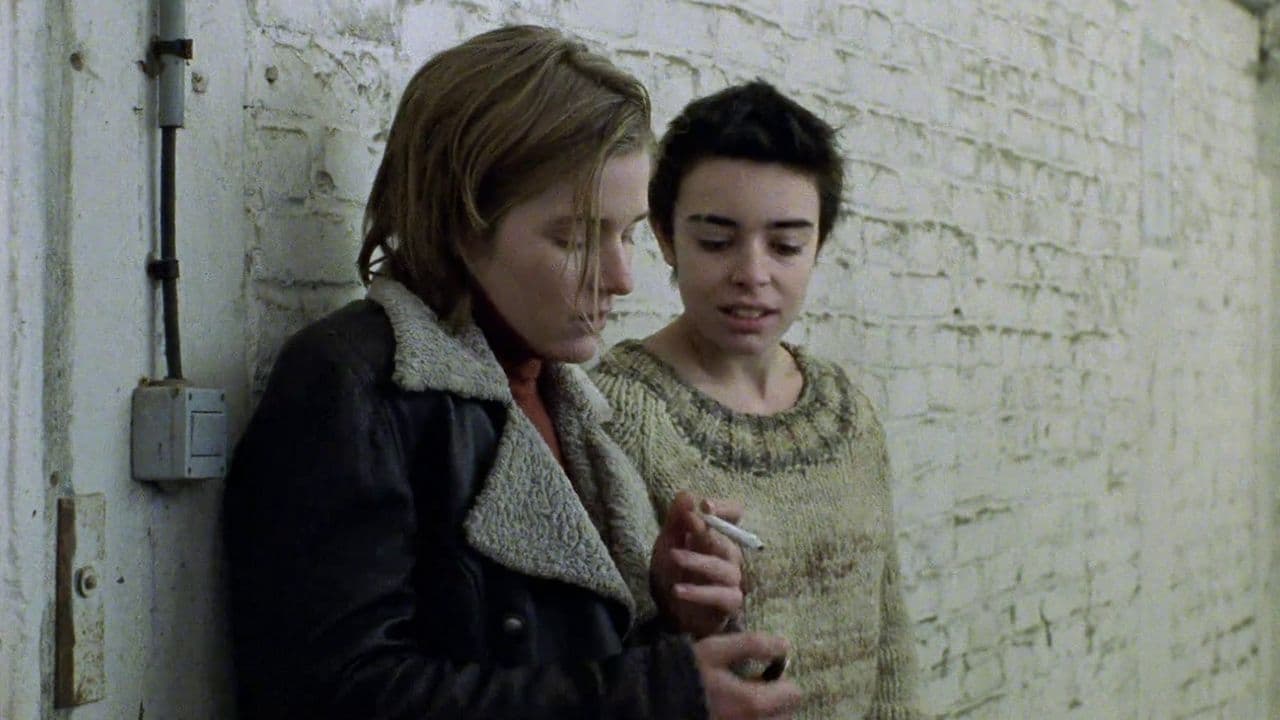
An Encounter on the Margins
The premise is deceptively simple: Isa (Élodie Bouchez), a perpetually drifting, resiliently optimistic young woman, meets Marie (Natacha Régnier), who is more brittle, guarded, and nursing deep emotional wounds while housesitting for a family recovering from a car accident. They connect instantly, sharing cramped living quarters, temporary jobs (like sewing in a grim factory), and tentative dreams. Zonca, working with co-writer Roger Bohbot, crafts a narrative that feels less plotted than observed. There's a documentary-like immediacy here, a sense that we're simply witnessing moments snatched from lives lived just beyond the frame. The grey skies and industrial landscapes of Lille aren’t just scenery; they’re an integral part of the film's texture, reflecting the limited horizons and economic precarity facing the characters.
Two Sides of Survival: Bouchez and Régnier
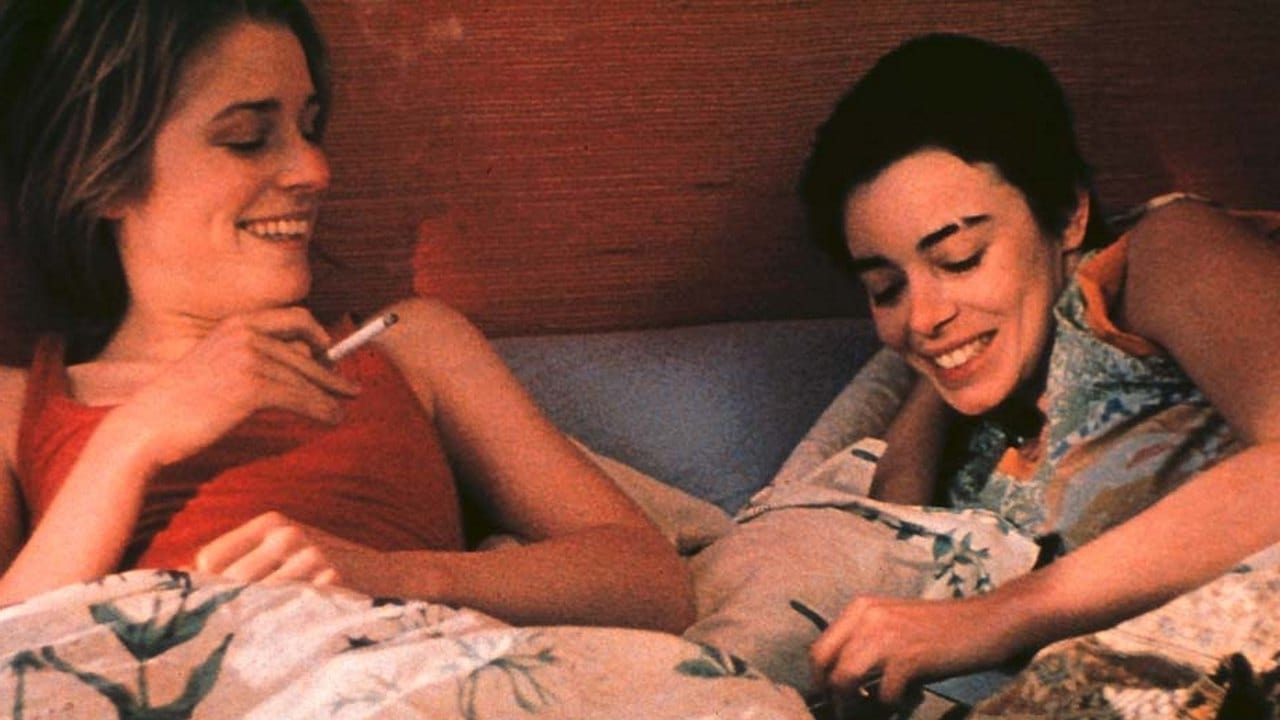
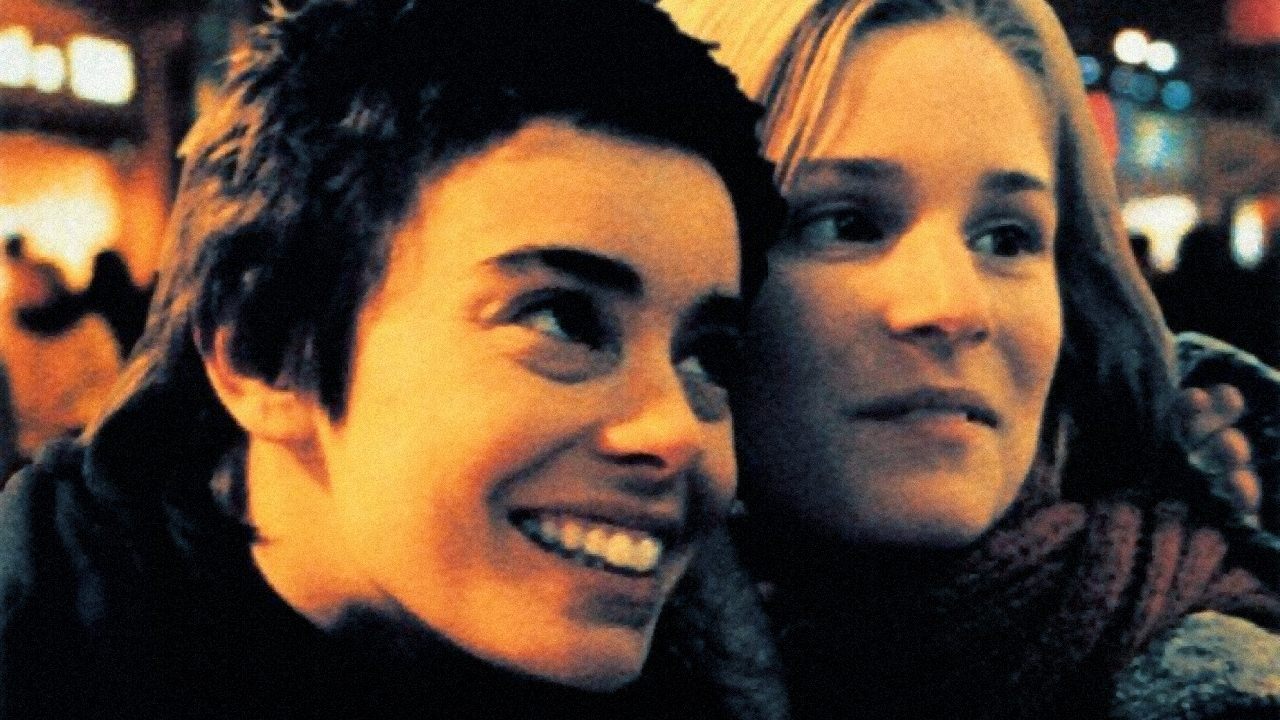
What elevates The Dreamlife of Angels from stark social commentary to deeply moving human drama are the astonishing central performances. Élodie Bouchez embodies Isa with a luminous, almost defiant hopefulness. She finds fleeting moments of joy – a shared laugh, a kindness offered, writing letters that reveal her inner world – with an openness that feels both brave and achingly vulnerable. Her physicality, her way of moving through the world with a backpack that seems to contain her entire existence, speaks volumes. I remember watching her, thinking how much strength resides in that seemingly carefree spirit.
In stark contrast, Natacha Régnier’s Marie is a study in simmering resentment and fragile pride. She’s fiercely protective of her perceived relationship with the wealthy, callous nightclub owner Chriss (Grégoire Colin), seeing him as an escape hatch that Isa intuitively distrusts. Régnier conveys Marie’s deep-seated hurt and growing desperation with haunting precision. Her anger often feels like a shield, deflecting the kindness Isa offers because accepting it might mean acknowledging her own painful reality. The chemistry between Bouchez and Régnier is electric, a volatile mix of genuine affection, shared vulnerability, unspoken rivalry, and diverging paths. It’s little wonder they shared the Best Actress award at the 1998 Cannes Film Festival – their performances are inextricably linked, two halves of a devastating whole. Zonca famously encouraged improvisation between them, a choice that undoubtedly contributes to the raw, authentic feel of their interactions; you believe these women found each other, however briefly.
The Weight of Reality
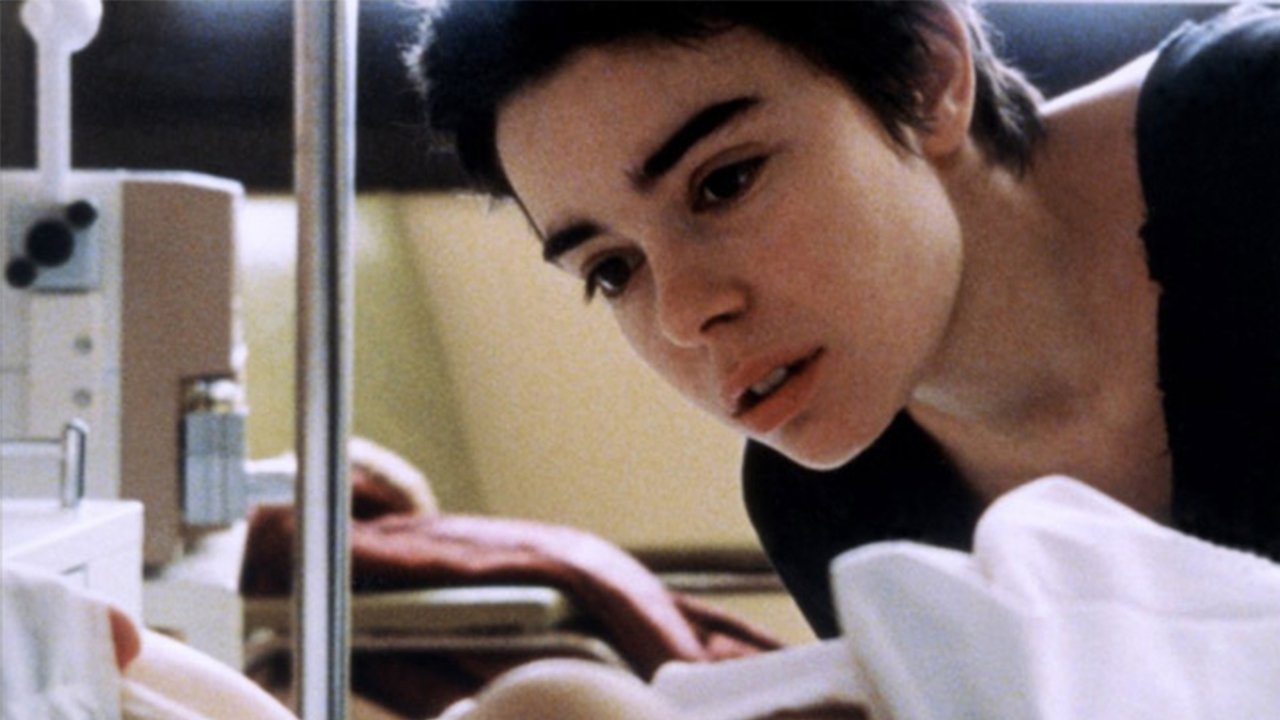
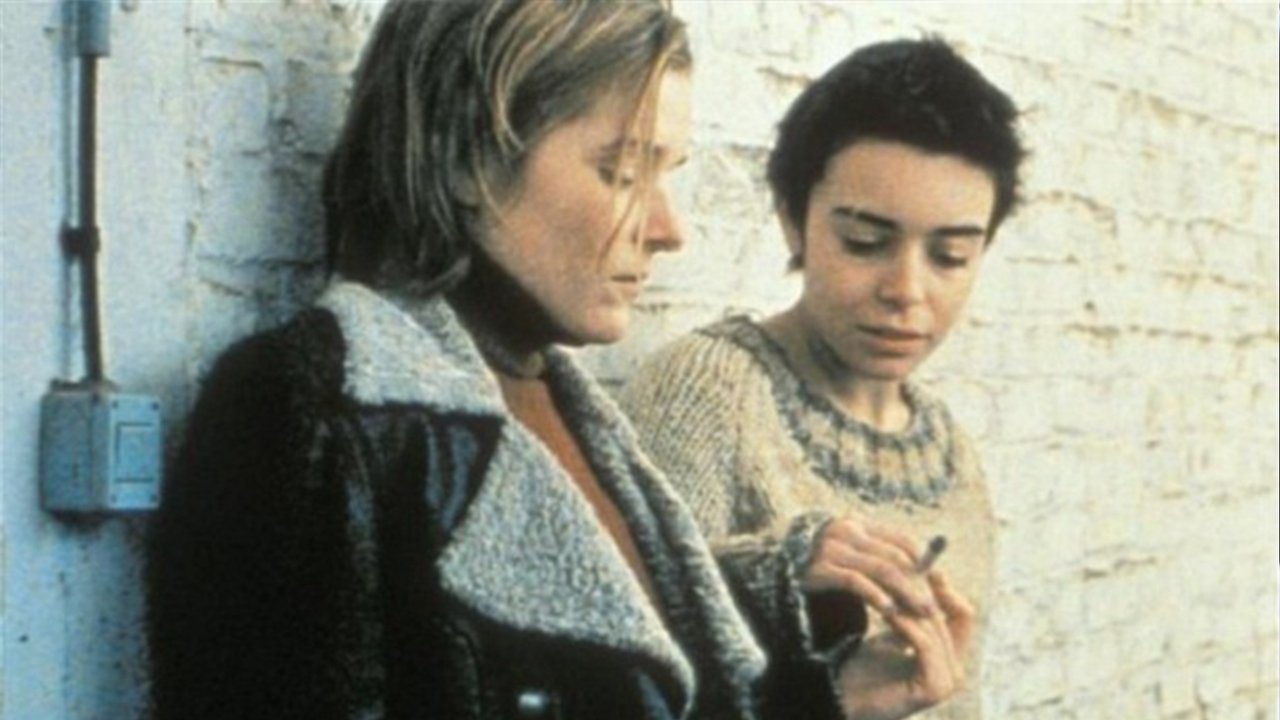
This isn't a film that offers easy answers or Hollywood resolutions. Zonca unflinchingly portrays the harshness of their world: the dehumanizing nature of low-wage work, the casual cruelty of the privileged, the ever-present threat of homelessness and despair. There’s a scene where Isa and Marie try to sell handmade crafts on the street, their hopeful smiles slowly fading under the indifference of passersby – it’s a small moment, but it captures the grinding reality of their struggle with poignant accuracy. Yet, amidst the bleakness, the film finds grace notes. Isa’s connection with a hospitalized young girl, her persistent letter writing, her ability to snatch moments of quiet beauty – these aren’t painted as solutions, but as acts of spiritual survival. What does the title, The Dreamlife of Angels, truly signify? Is it an ironic commentary on their earthbound struggles, or does it point to the resilience of the human spirit, the capacity for empathy and connection even in the darkest corners?
A Quiet Kind of Classic
Watching The Dreamlife of Angels today, it feels like a vital piece of late 90s cinema, a counterpoint to the burgeoning gloss and irony of the era. It sits alongside works by filmmakers like Ken Loach or the Dardenne brothers, sharing a commitment to depicting working-class lives with honesty and compassion. It wasn't a blockbuster, pulling in modest box office returns despite critical acclaim, but its impact resonates far beyond numbers. It earned César Awards (the French equivalent of the Oscars) for Best Film, Best Actress (Bouchez), and Most Promising Actress (Régnier), cementing its place in French cinema history. It’s the kind of film that might have been overlooked on a busy Friday night at the rental store, but for those who took a chance on its unassuming cover, it offered something profound and lasting.
Rating: 9/10
This rating reflects the film's exceptional strengths: the powerhouse, Cannes-winning performances from Élodie Bouchez and Natacha Régnier are utterly compelling and heartbreakingly real. Erick Zonca’s direction achieves a rare authenticity, capturing the grit and occasional grace of marginalized lives without resorting to melodrama or sentimentality. Its unflinching gaze and emotional depth make it a standout example of late 90s social realism. While its bleakness can be challenging, the film's profound humanity and the sheer force of its central performances make it essential viewing.
The Dreamlife of Angels stays with you long after the credits roll, leaving you contemplating the fragility of friendship, the quiet resilience needed to face indifference, and the different ways hope can flicker – or be extinguished – in the face of hardship. It's a film that doesn't shout, but whispers truths that echo deeply.