Okay, settle in. Let's dim the lights, maybe imagine the comforting whir of a VCR rewinding, and talk about a film that lingered long after the tape clicked off: Nell (1994). There’s a quiet power to this one, a film that doesn’t grab you with explosions or high-concept hooks, but rather whispers its questions about humanity, connection, and the very nature of language itself. It asks us to consider what truly makes us who we are, away from the noise of the world.
Whispers in the Wilderness
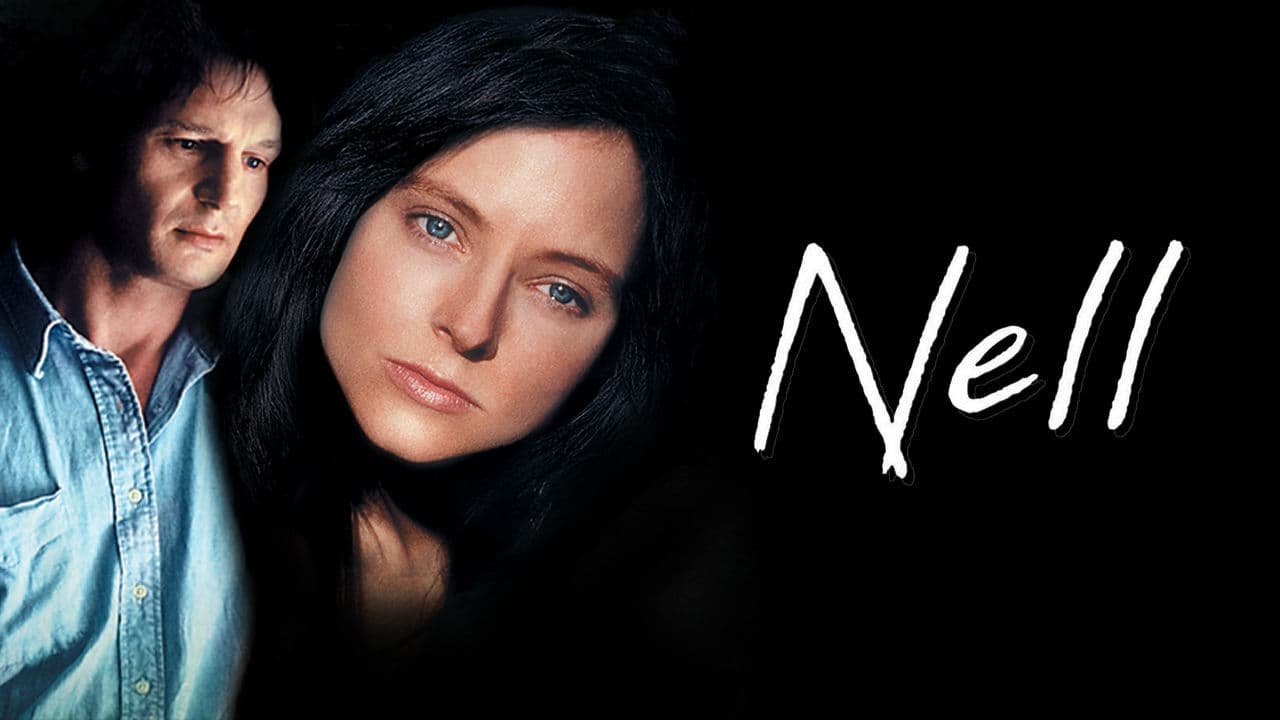
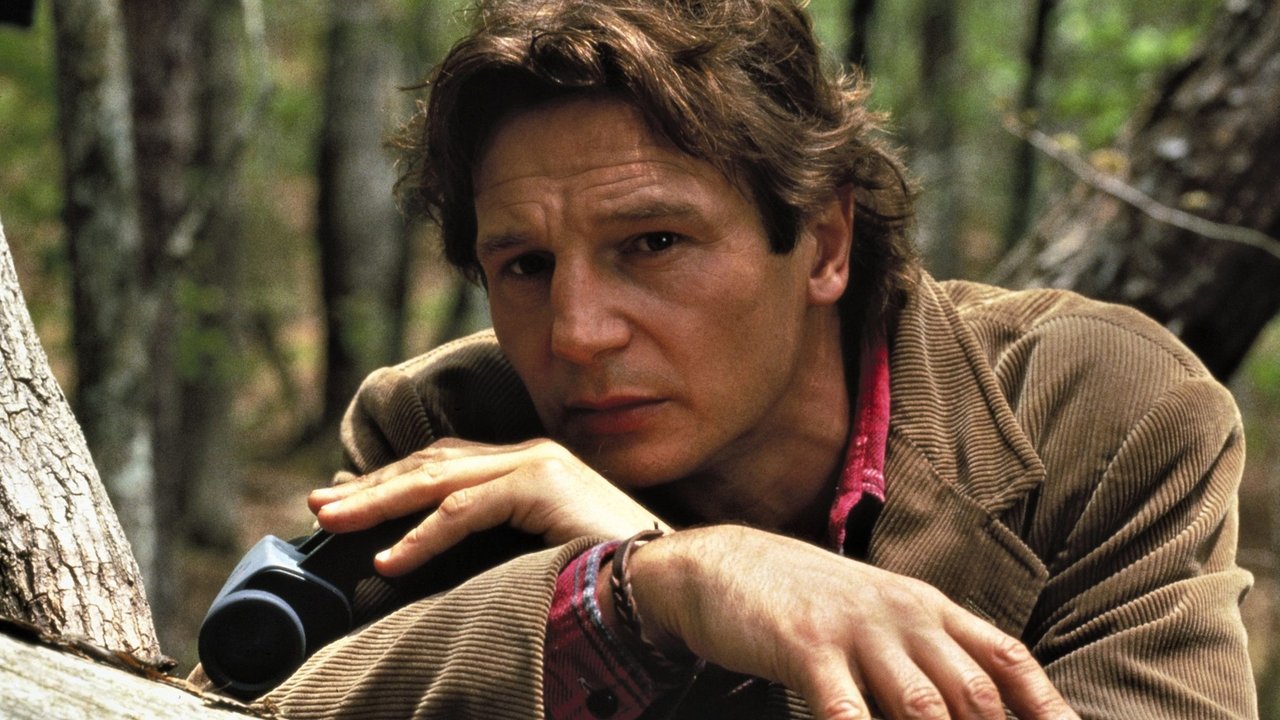
The film unfolds like a discovered secret. We meet Dr. Jerome "Jerry" Lovell, played with gentle gravitas by Liam Neeson (already a commanding presence after Schindler's List the year before), who stumbles upon Nell Kellty (Jodie Foster) living utterly alone in a remote Appalachian cabin following her mother’s death. Nell speaks a language no one understands, moves with a unique physicality born of isolation, and seems terrified yet fiercely connected to her small, self-contained world. What follows isn't a typical plot-driven narrative, but an exploration – of Nell, of the doctors studying her, and ultimately, of ourselves.
A Performance for the Ages
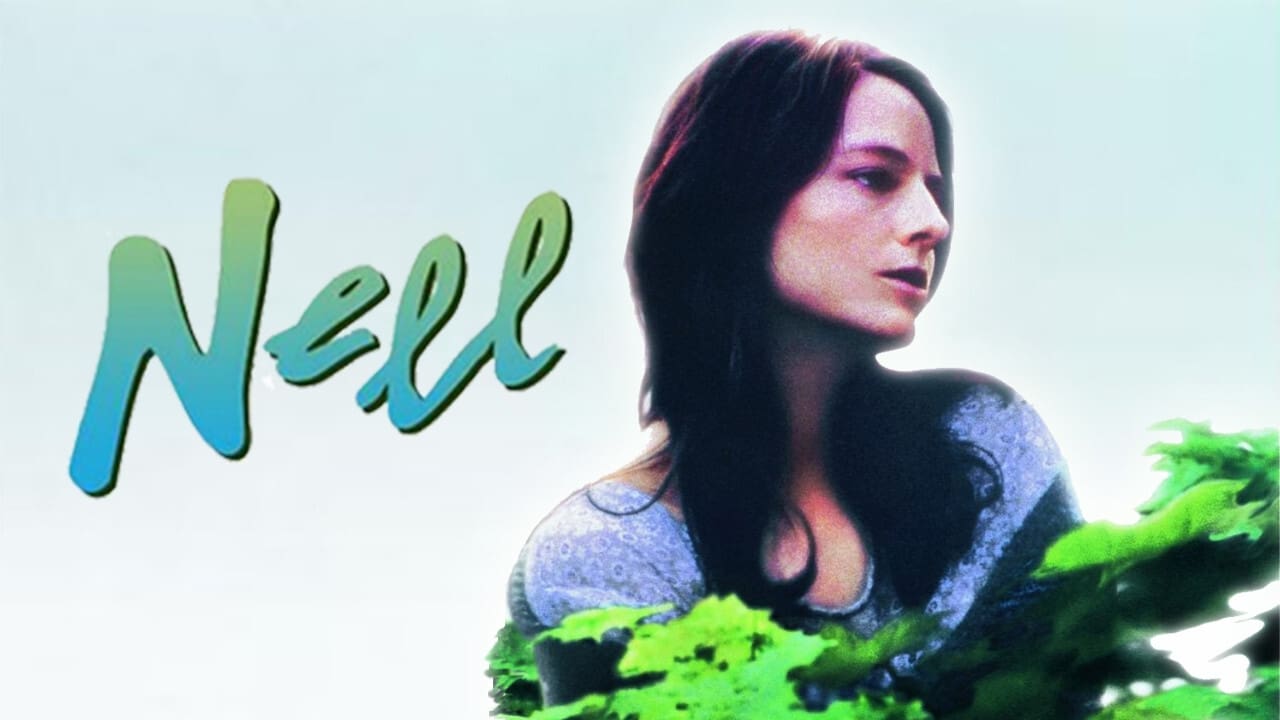
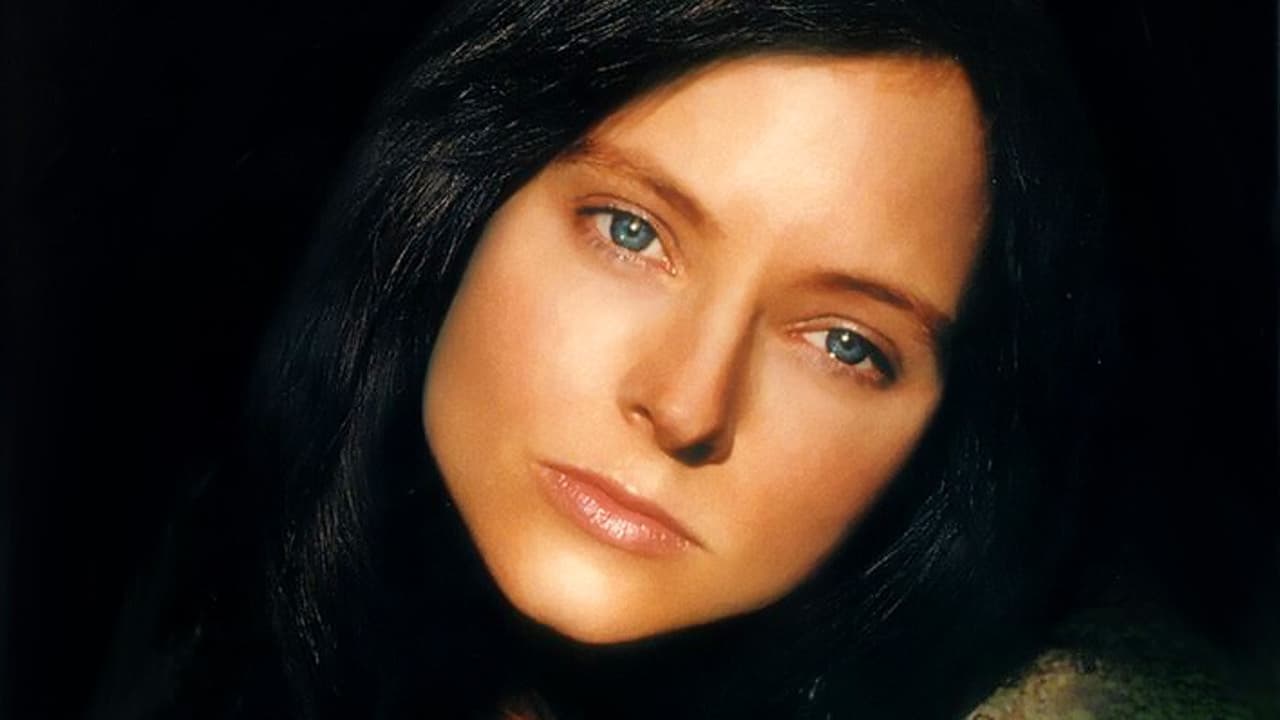
You simply cannot discuss Nell without focusing on Jodie Foster. Coming off her second Oscar win for The Silence of the Lambs (1991), she threw herself into this role with astonishing commitment, not just acting but seemingly inhabiting Nell. Foster, who also co-produced the film through her Egg Pictures banner, reportedly spent significant time developing Nell's unique "twin speech" dialect (based on the concept of idioglossia, where siblings, often twins, develop a private language), drawing from how Nell’s mother, who suffered speech difficulties after a stroke, might have communicated. The result is mesmerizing. It's not just the sounds, but the gestures, the fear in her eyes giving way to cautious trust, the raw vulnerability mixed with an unexpected strength. It earned Foster another well-deserved Oscar nomination. Watching her navigate Nell's interactions – her terror of men ("may-an"), her reverence for the natural world ("wood-sin") – feels intensely personal, almost uncomfortably intimate at times. Was it simply mimicry, or did Foster tap into something deeper about communication beyond conventional words?
Science, Soul, and Intrusion
The conflict arises when the outside world inevitably encroaches. Natasha Richardson brings a sharp intelligence as Dr. Paula Olsen, a researcher initially focused on studying Nell as a linguistic phenomenon. Her clinical approach clashes with Neeson's more protective, empathetic stance. Their evolving relationship, and their differing views on what's best for Nell, forms the film's ethical core. It forces us to ask: is observation benign? When does study become exploitation? When does protection become imprisonment? It’s poignant to note that Neeson and Richardson met on the set of Nell and married shortly after; perhaps some of that burgeoning real-life connection informed the complex warmth that develops between their characters on screen. The film asks us to consider if our societal definitions of 'normal' and 'civilized' are always superior, or if they sometimes trample something precious and unique.
Capturing the Unseen
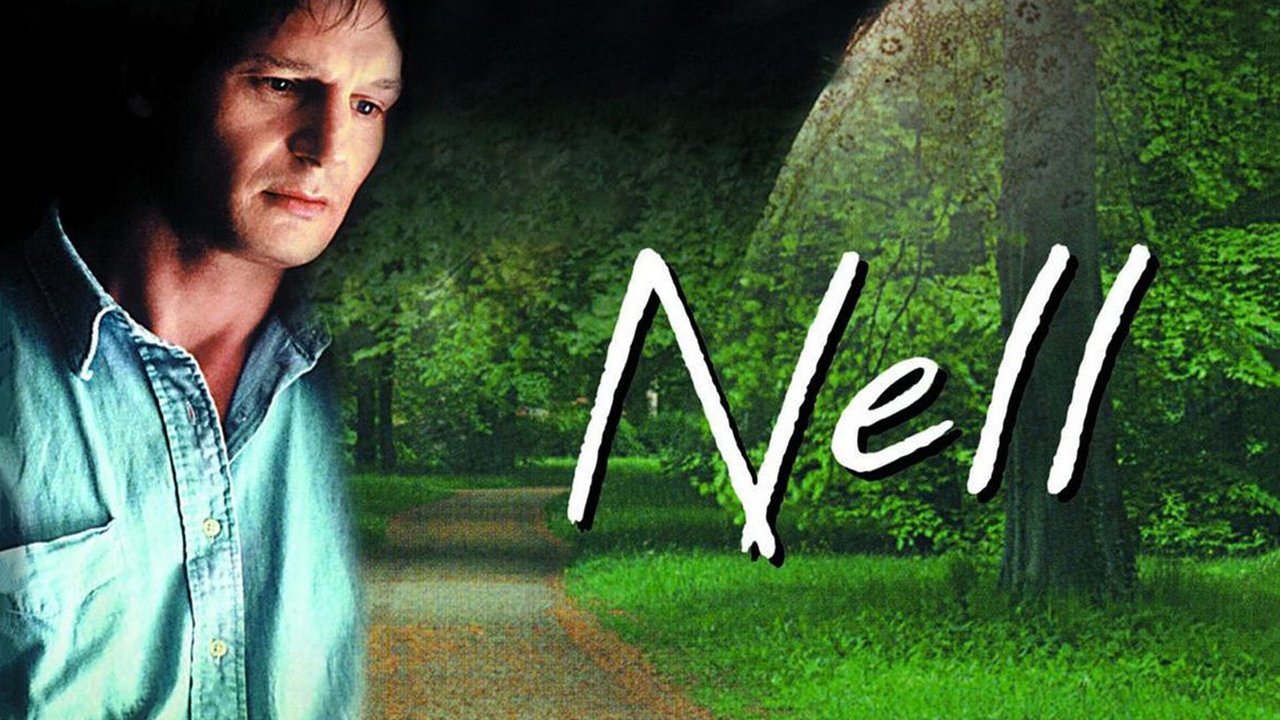
Director Michael Apted, known for his deeply humanistic work on the groundbreaking Up documentary series which followed individuals over decades, was an inspired choice. His lens here feels patient, observational. He doesn't rush Nell's story. Along with cinematographer Dante Spinotti (who would later lens L.A. Confidential), Apted captures the stunning, almost mystical beauty of the North Carolina wilderness (filmed around Fontana Lake and Robbinsville). The light filtering through the trees, the shimmering water – these aren't just backdrops; they are integral parts of Nell's world, her sanctuary. Apted allows the environment to breathe, mirroring Nell’s own deep connection to it. There's a gentleness to the filmmaking that complements the subject matter, even as the narrative introduces necessary tension.
Beyond the Cabin: Retro Reflections
Nell wasn't a loud blockbuster, arriving in theaters amidst flashier fare. Based on the play Idioglossia by Mark Handley, the adaptation successfully opened up the story visually while retaining its intimate focus. It found a receptive audience, grossing over $100 million worldwide against a modest $24.5 million budget – proving there was still room for thoughtful character studies. I remember renting this on VHS, perhaps drawn by Foster's star power, but being surprised by its quiet intensity. It wasn't easily categorized. It wasn't quite a thriller about a 'wild child', nor a straightforward medical drama. It occupied a unique space, prompting reflection rather than easy answers. Some critics at the time found it perhaps a touch sentimental, particularly in its later stages, but the core performances and the ethical questions it raises remain potent.
Does the film offer easy solutions? Not really. The courtroom scenes, while providing narrative resolution, perhaps feel a bit conventional compared to the subtle exploration that precedes them. Yet, the central image of Nell – fiercely independent, uniquely human, defined by her own experiences rather than external labels – stays with you.
Rating: 8/10
This score reflects the film's profound central performance and its willingness to tackle complex themes with sensitivity and grace. Jodie Foster's portrayal is exceptional, carrying the film and elevating it beyond potential sentimentality. The supporting cast is strong, the direction is thoughtful, and the cinematography beautifully captures the atmosphere. While the narrative occasionally dips into more predictable territory, especially towards the end, the core questions about humanity, communication, and the ethics of intervention remain deeply resonant. It's a film that rewards patience and invites empathy, making it a standout drama from the 90s video store shelves.
Nell reminds us that understanding doesn't always require shared words, and that sometimes, the most 'uncivilized' among us possess a wisdom the modern world has forgotten. What does it truly mean to listen? That question echoes long after the credits roll.