Okay, fellow tapeheads, let’s rewind to a time when video store shelves held more than just neon-drenched action and synth-heavy sci-fi. Sometimes, nestled between the blockbusters, you'd find something weightier, something that felt… important. A film like Claude Berri's 1993 epic, Germinal. Pulling this hefty cassette off the shelf (sometimes a double-tape affair, remember those?) felt like committing to an experience, a descent into a world far removed from the everyday. And what a descent it is.
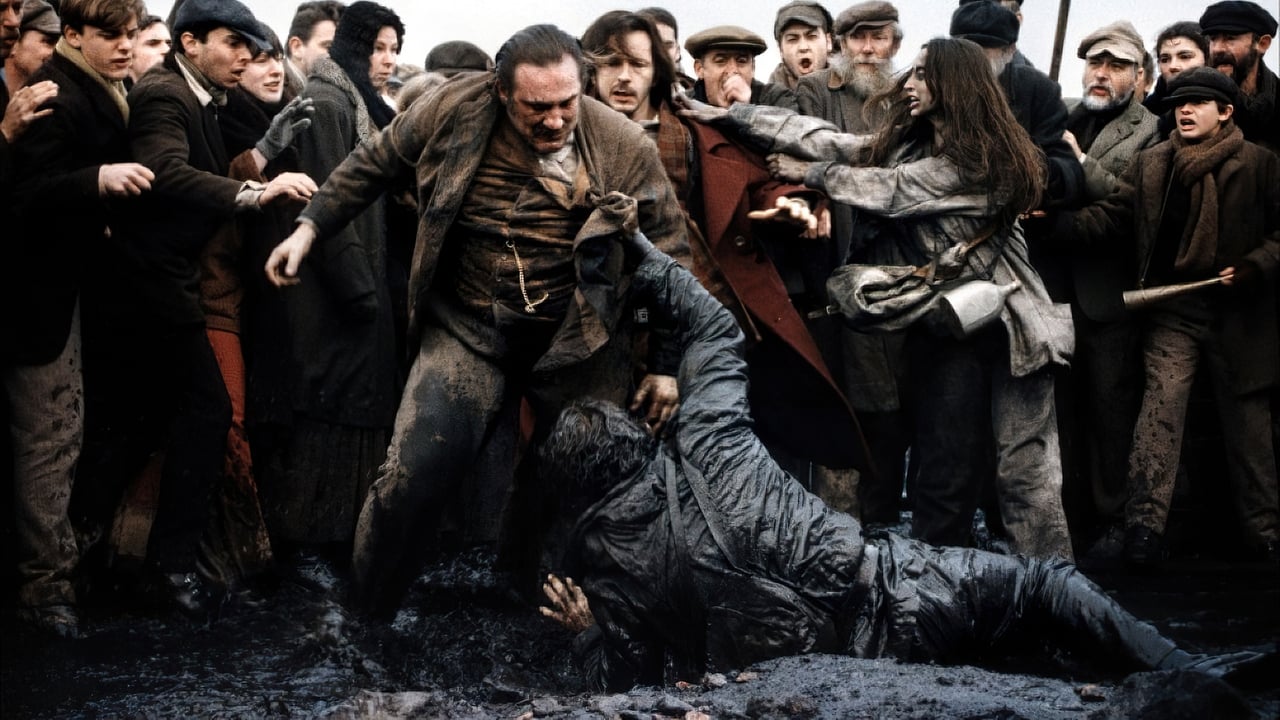
The film opens, and we're plunged almost immediately into the suffocating darkness of the Le Voreux coal mine in Northern France, circa the 1860s. This isn't just a setting; it's a palpable entity – oppressive, dangerous, consuming. It’s here that Etienne Lantier (Renaud), a young, idealistic machinist fleeing trouble elsewhere, finds work and lodging with the Maheu family. Through his eyes, we witness the brutal reality of their existence: soul-crushing labour, starvation wages, constant debt, and the ever-present threat of cave-ins and gas explosions.
Faces in the Coal Dust
What anchors this sprawling, potentially overwhelming narrative are the human faces staring back at us from the grime. Gérard Depardieu, an actor whose sheer screen presence could power a small generator, embodies Toussaint Maheu, the stoic patriarch. Depardieu doesn't just play Maheu; he inhabits his weariness, his simmering resentment, his fierce protective love for his family. There's a weight to his performance, a grounding realism that makes the miners' plight devastatingly tangible. Alongside him, Miou-Miou as La Maheude is simply extraordinary. She portrays the miners' wife and mother with a raw, unsentimental resilience that slowly cracks under unbearable pressure. Her journey from pragmatic endurance to desperate fury is heartbreakingly authentic. And then there's Renaud, the popular French singer making a major dramatic turn. He brings a necessary outsider's perspective as Lantier, initially naive but increasingly radicalized by the injustice he witnesses. His performance captures the fire of youthful idealism colliding with harsh reality.
An Epic Undertaking
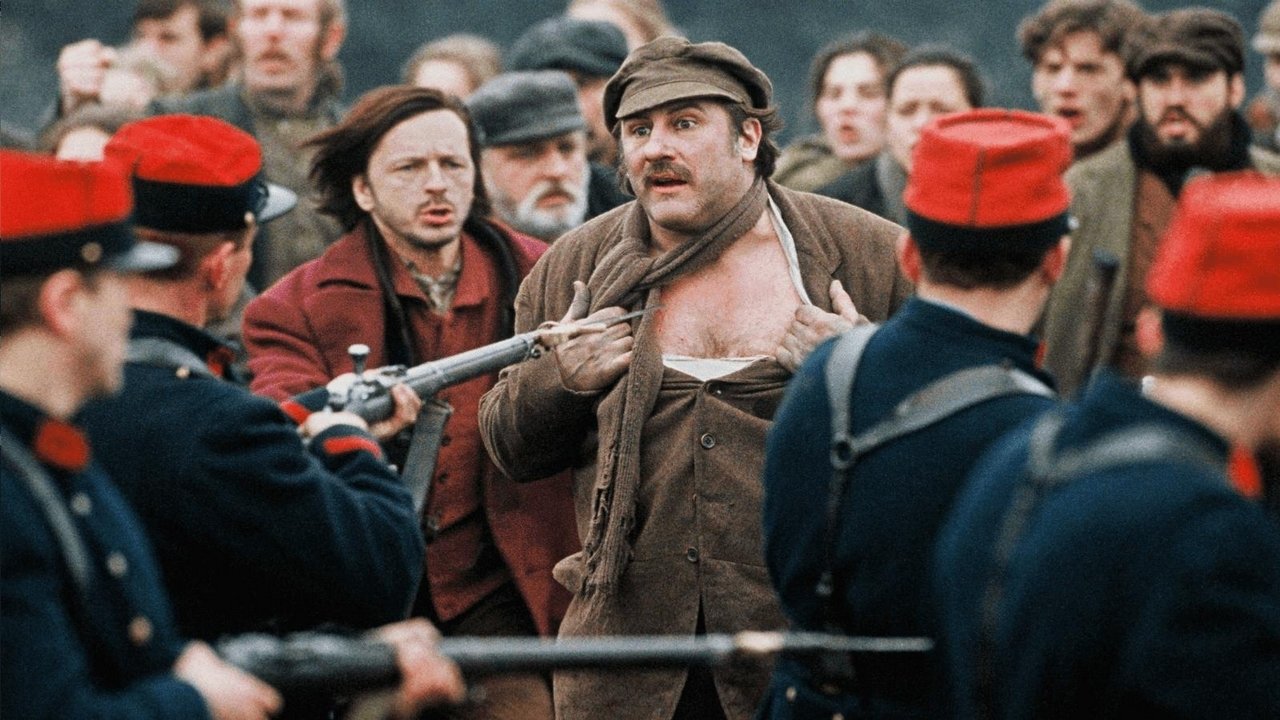
Adapting Émile Zola's monumental novel, a cornerstone of French literature detailing the harsh realities of class struggle, was no small feat. Claude Berri, already lauded for bringing Marcel Pagnol's Provence to life in Jean de Florette (1986) and Manon des Sources (1986), approached Germinal with similar reverence but an even grander scale. This commitment is evident in every frame. The film was, at the time, one of the most expensive French productions ever made – reportedly costing around 165 million Francs (a significant sum then, translating to tens of millions in today's dollars). You see every franc on screen: the meticulously recreated mining town, the terrifyingly convincing underground sets (filmed partly in actual former mining regions), the vast crowds during the strike sequences. Berri doesn’t shy away from the ugliness or the sheer scale of the conflict, orchestrating scenes of protest and suppression with harrowing intensity. There's a rumour that Berri initially wanted Isabelle Adjani for Catherine (played effectively by Judith Henry), but her salary demands were deemed too high even for this mammoth budget – a reminder of the practicalities even behind passion projects.
Sparks of Rebellion, Seeds of Change
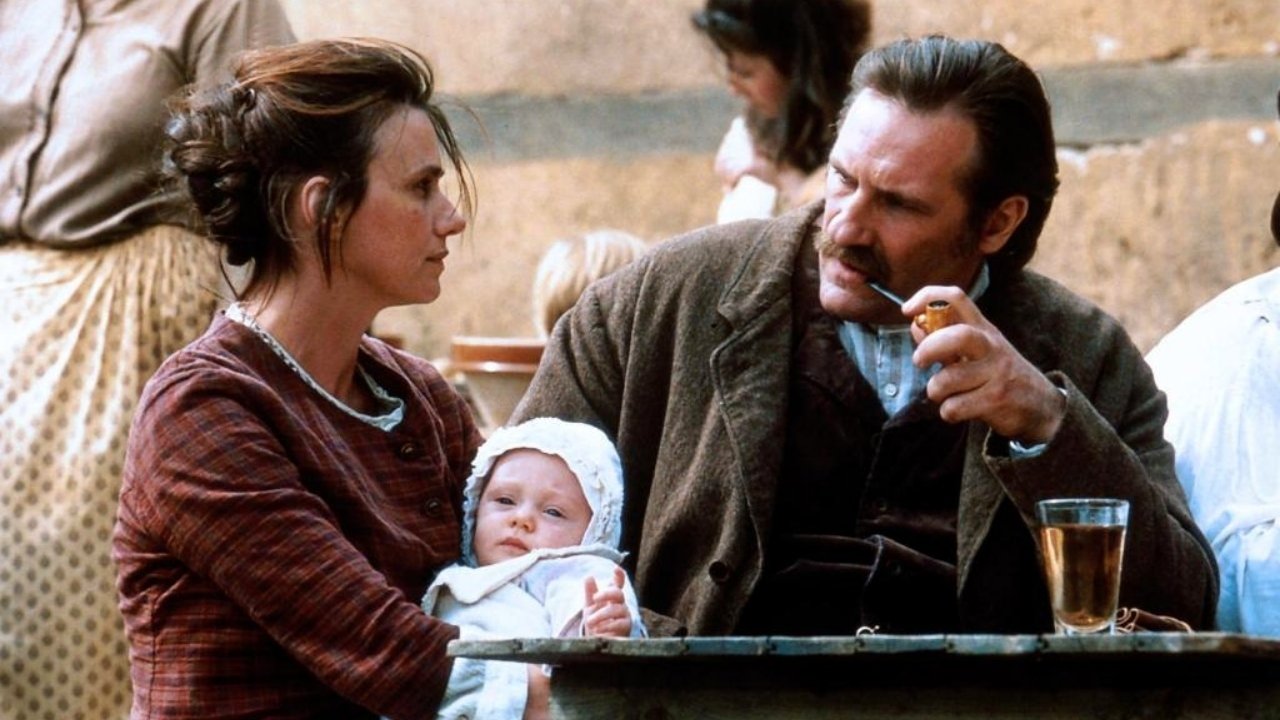
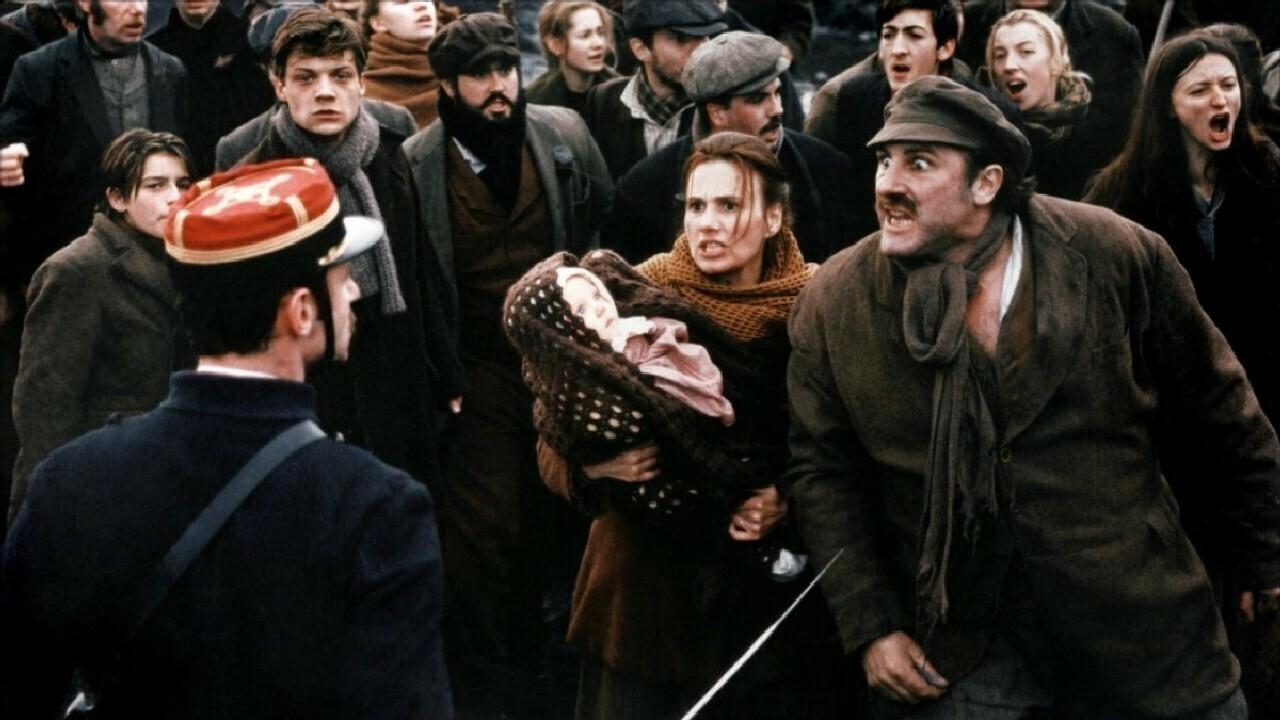
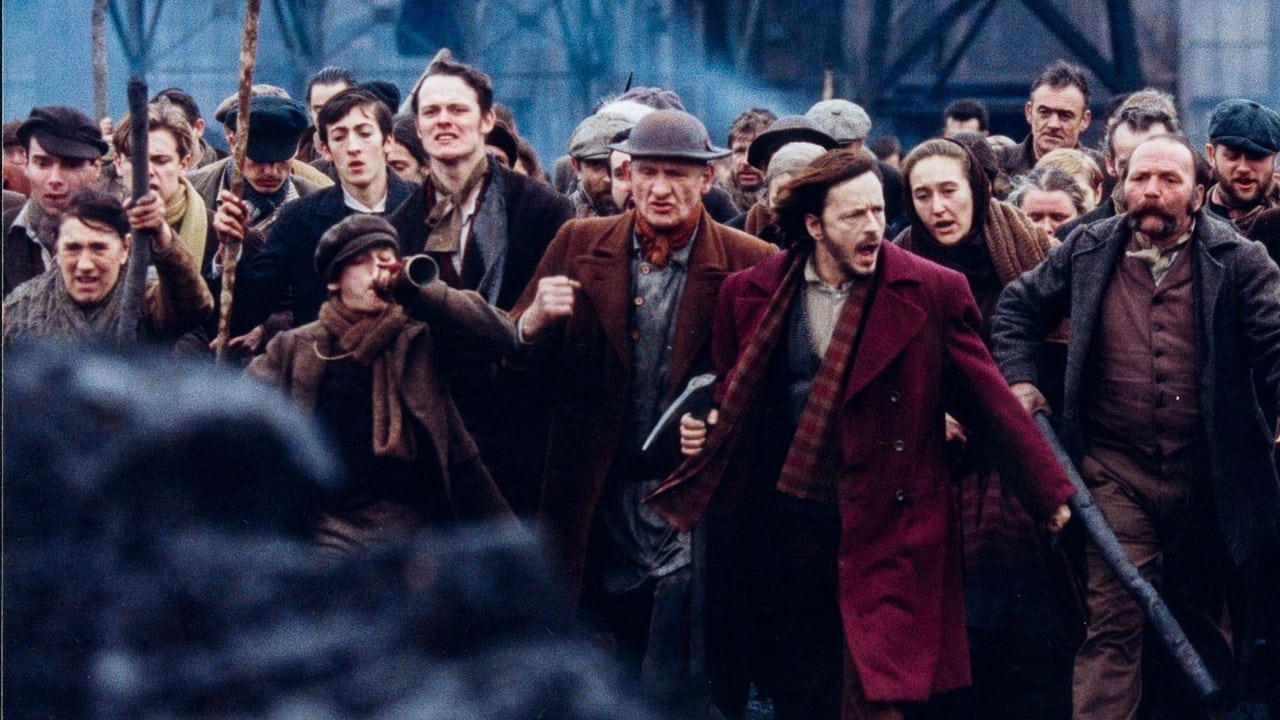
As Lantier’s socialist ideas take root among the desperate miners, the simmering discontent boils over into a strike. Germinal (the title itself refers to the seventh month of the French Republican Calendar, associated with spring and germination – symbolic of burgeoning ideas and revolt) masterfully depicts the complexities of this uprising. It shows the initial hope, the solidarity, the inevitable divisions, the manipulation by outside forces, and the brutal response from the mine owners and authorities. The film doesn't offer easy answers or romanticize the struggle. It portrays the violence, the desperation, and the tragic human cost with unflinching honesty. We see acts of incredible bravery alongside moments of shocking cruelty, forcing us to confront the raw, often ugly, realities of revolution. Doesn’t the desperation driving people to extremes feel disturbingly familiar, even across centuries?
Beyond the Soot: A Lasting Impression
Watching Germinal back in the 90s, perhaps on a fuzzy CRT screen via a slightly worn VHS tape, was an event. It demanded patience and attention, clocking in at nearly three hours. It wasn't escapism in the usual sense; it was an immersion into a stark, challenging world. Yet, its power lay in its unwavering commitment to its subject and its characters. The film doesn't just depict historical events; it explores timeless themes of exploitation, injustice, the fight for dignity, and the enduring strength – and fragility – of the human spirit. The sheer visceral impact of the mining conditions, the claustrophobia, the danger – Berri makes you feel it.
Germinal isn't light viewing. It's bleak, often brutal, and deeply affecting. But it’s also a powerful, exceptionally crafted piece of historical cinema driven by outstanding performances and a director fully committed to the source material's formidable spirit. It stands as a testament to the kind of ambitious, character-driven epics that feel increasingly rare today.
Rating: 9/10
This score reflects the film's monumental achievement in adaptation, its powerful performances (especially from Depardieu and Miou-Miou), its atmospheric direction, and its unflinching portrayal of a harrowing historical reality. It’s a demanding watch, but its thematic depth and sheer cinematic force make it a near-masterpiece of its kind, a significant find on any discerning video shelf back in the day.
It leaves you not with easy comfort, but with a profound sense of the human cost of progress and the echoes of past struggles that still resonate in the foundations of our modern world. A truly unforgettable journey into the dark.