Here we go, another trip down the rabbit hole of 90s cinema, pulling a slightly dustier tape off the mental shelf. This time, it’s Sud (1993), a film that arrived carrying the weight of expectation, following director Gabriele Salvatores’ sunny, Oscar-winning triumph with Mediterraneo (1991). But anyone expecting another whimsical escape was in for a jolt. Sud swaps idyllic Greek islands for the stark, politically charged atmosphere of Southern Italy on a tense election day, and the shift is palpable from the opening frames. It’s a film that maybe didn't get the wide play of its predecessor on UK or US shores back then, often relegated to the 'World Cinema' section of the bigger video stores, but discovering it felt like uncovering something raw and urgent.
Democracy Under Siege
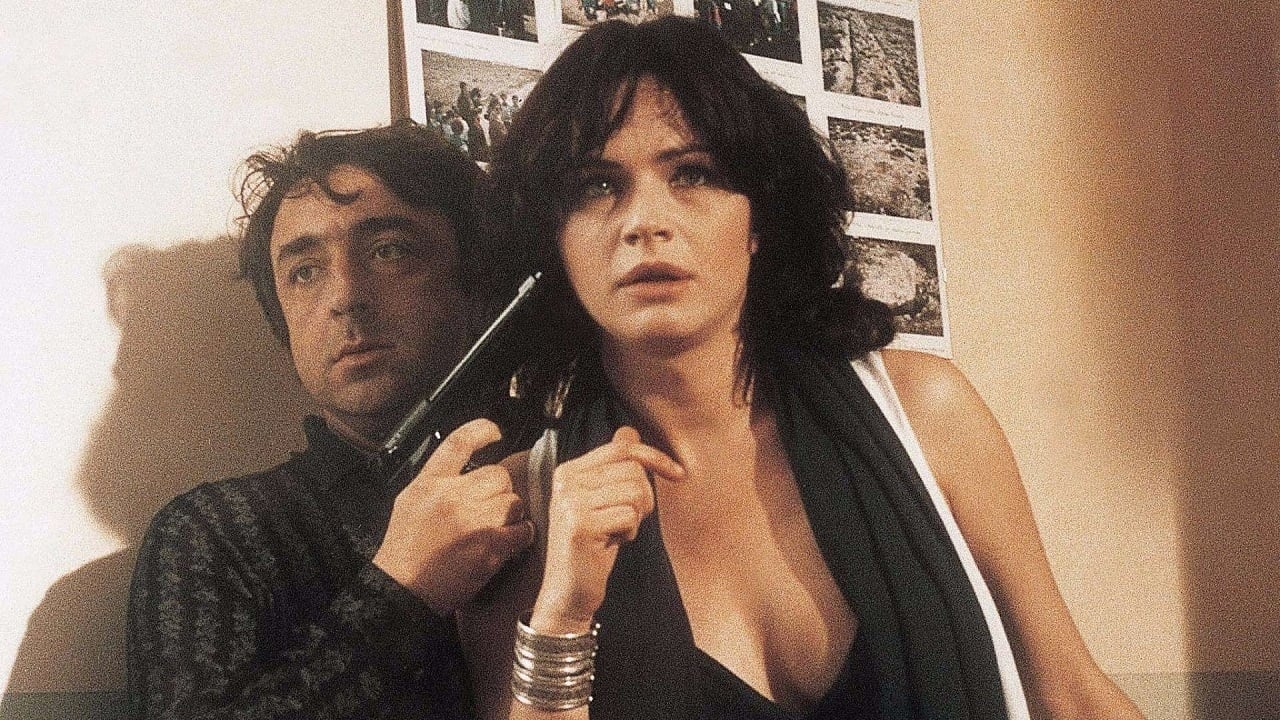
The premise is stark and immediate: a polling station, the very symbol of democratic choice, becomes a pressure cooker. Four unemployed men, pushed to the brink by poverty and a system they feel has utterly abandoned them, decide they’ve had enough. Led by the volatile Ciro, played with a nerve-wracking intensity by Silvio Orlando, they seize the station, taking the poll workers and a handful of voters hostage. What unfolds isn't a slick Hollywood thriller, but a messy, desperate howl of protest from Italy's forgotten South. Watching it now, the anger feels less like a plot device and more like a documented tremor from a specific, troubled time.
It’s impossible to talk about Sud without mentioning the context of its release. Italy in the early 90s was reeling from the Tangentopoli scandals, a massive political corruption crisis that exposed deep-seated bribery and kickbacks, shaking public trust to its core. Sud taps directly into that disillusionment. The characters aren't romanticized revolutionaries; they're ordinary guys – broke, jobless, invisible – resorting to extreme measures because they feel utterly voiceless. Their demands aren't for riches, but for jobs, dignity, attention. Doesn't that cry for basic recognition still echo today in so many corners of the world?
A Powder Keg of Performances
Gabriele Salvatores, fresh off his Academy Award win, could have easily played it safer. Instead, he leaned into the grit. He confines the action largely within the claustrophobic walls of the polling station, letting the tension simmer and occasionally boil over. The camera often feels restless, mirroring the characters' agitation. It’s a far cry from the languid beauty of Mediterraneo, showcasing Salvatores’ versatility. He proves adept at capturing not just escapism, but also the uncomfortable friction of social realism.
At the heart of the storm is Silvio Orlando. Already a frequent collaborator with Salvatores (and later brilliant in the director's ambitious sci-fi Nirvana from 1997), Orlando embodies Ciro's desperation. He’s not a clear hero or villain; he's impulsive, occasionally sympathetic, deeply flawed, and utterly convincing as a man whose frustration has curdled into something dangerous. You see the fear warring with the fury in his eyes. Alongside him, Gigio Alberti provides a more grounded, weary counterpoint, while Francesca Neri, as one of the hostages, brings a sharp intelligence and resilience that prevents her character from becoming a mere victim. The ensemble feels authentic, their interactions crackling with the friction of people trapped in an impossible situation.
Echoes from the South
The film doesn't shy away from the complexities of the North-South divide in Italy, a theme Salvatores explored in different ways across his career. The sense of neglect, of being left behind by the economic progress concentrated elsewhere, fuels the narrative. It asks difficult questions: What happens when the social contract breaks down? When people feel the democratic process offers them nothing? Sud doesn't offer easy answers, which might be why it didn't become a comfortable international hit. Its power lies in its willingness to confront these uncomfortable truths head-on.
While perhaps lacking the polish of some bigger-budget contemporaries, the film's rough edges contribute to its feeling of immediacy. The production reportedly faced challenges capturing the chaotic energy of the siege within the confined location, but Salvatores turns this limitation into a strength, amplifying the feeling of entrapment. The score by Federico De Robertis complements the mood effectively, avoiding melodrama and sticking to a more tense, atmospheric register. One wonders if the film’s direct political commentary, arriving so soon after the feel-good Mediterraneo, might have been seen by some distributors as a harder sell internationally, despite its critical acclaim in Italy.
Final Verdict
Sud is a potent, often uncomfortable watch. It’s a snapshot of a specific national crisis, yet its themes of economic despair, political disillusionment, and the drastic actions people take when hope runs out feel depressingly timeless. It might lack the warm nostalgia factor of some other 90s staples, but its power and the authenticity of its performances, particularly Silvio Orlando's raw portrayal, make it a significant piece of filmmaking from the era. It reminds us that sometimes, the most important stories aren't the easiest ones to watch. This wasn't the tape you'd casually grab for a Friday night pizza party, but it was the kind that stuck with you long after the VCR clicked off.
Rating: 7.5/10 - This score reflects the film's powerful performances, gripping tension, and vital social commentary, acknowledging its rougher edges and perhaps less accessible nature compared to mainstream fare. It’s a strong, challenging piece of 90s European cinema that deserves rediscovery.
Final Thought: Sud serves as a stark reminder that sometimes the loudest cries for help come not from carefully planned manifestos, but from the desperate, chaotic actions of those who feel they have nothing left to lose.