The air hangs thick and heavy, smelling of rain, desperation, and cordite. It’s the smell of Mumbai, or at least the Mumbai that writhes just beneath the surface in Ram Gopal Varma’s 1998 masterpiece, Satya. This wasn't the colourful, escapist Bollywood many of us knew from imported tapes; this was something else entirely. Something raw, jagged, and unsettlingly real that grabbed you by the throat and refused to let go. Finding this gem felt like discovering forbidden knowledge in the dusty aisles of the video store, a stark contrast nestled between brighter, more conventional covers.
Mumbai is King
Forget picturesque landmarks. The city in Satya is a labyrinth of cramped chawls, dimly lit alleys, and rain-slicked streets that seem to actively conspire against its inhabitants. Varma, armed with a relatively modest budget (around ₹2 crore, a pittance even then), turned this limitation into a strength. Shot largely on location, often with hidden cameras (Gerard Hooper's gritty cinematography deserves immense credit), the film possesses an almost documentary-like immediacy. There's no glamour here, only the oppressive weight of survival. The city breathes, coughs, and bleeds, an omnipresent character driving its players towards inevitable collisions. This wasn't just setting; it was destiny rendered in concrete and grime.
The Unflinching Gaze
What truly set Satya apart, especially back then, was its portrayal of violence. It wasn’t the theatrical, slow-motion ballet of bullets common at the time. Here, violence is abrupt, clumsy, and terrifyingly final. Gunshots echo with a flat, ugly report. Death arrives suddenly, often mid-sentence, leaving a vacuum of shock rather than heroic fanfare. Remember the chilling casualness of certain hits? Varma, alongside writers Saurabh Shukla and a then-emerging Anurag Kashyap, stripped away the romanticism often associated with cinematic gangsters. They weren't anti-heroes; they were desperate men caught in a cycle, their humanity flickering precariously amidst the brutality. This commitment to realism reportedly stemmed from Varma's fascination with the real stories behind the headlines, wanting to explore the person behind the criminal label.
Faces in the Underworld
The performances are etched into the memory like scars. J. D. Chakravarthy delivers a remarkably contained performance as the titular Satya, an immigrant drawn inexorably into the underworld's vortex. His silence speaks volumes, his eyes reflecting a chilling emptiness that grows as the film progresses. He's the quiet center of the storm, a man whose identity is forged entirely within this violent landscape.
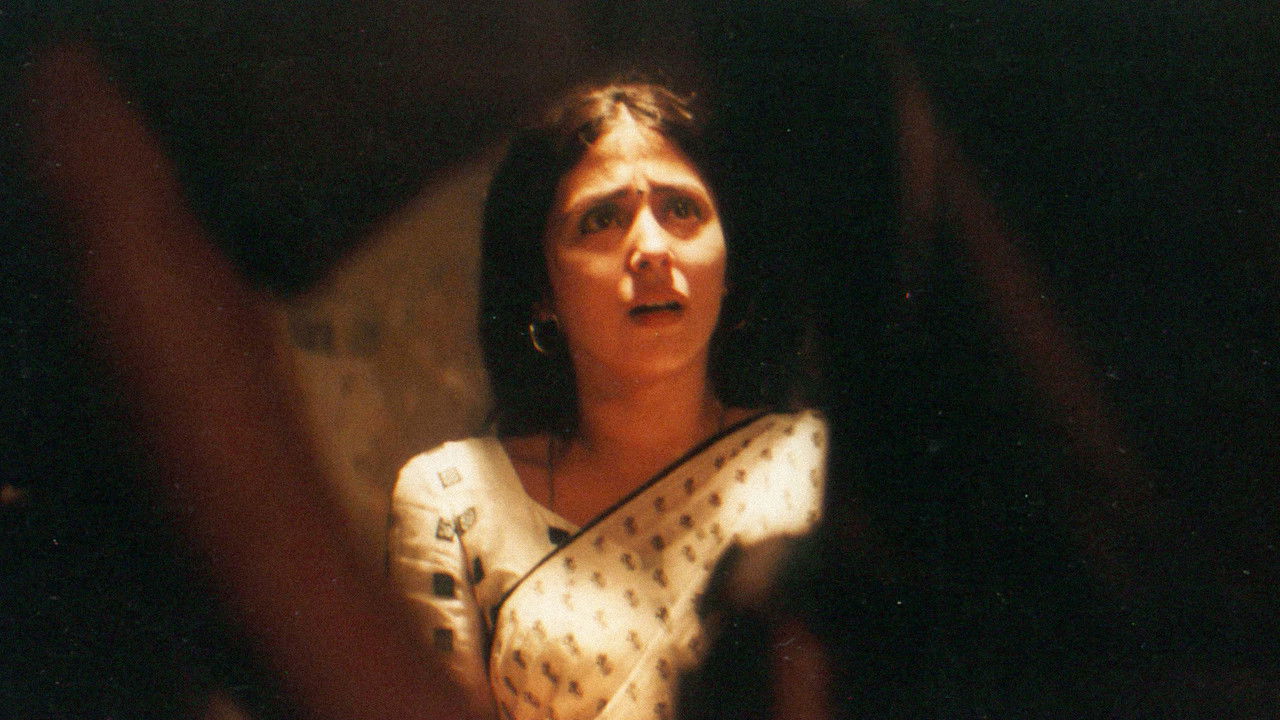
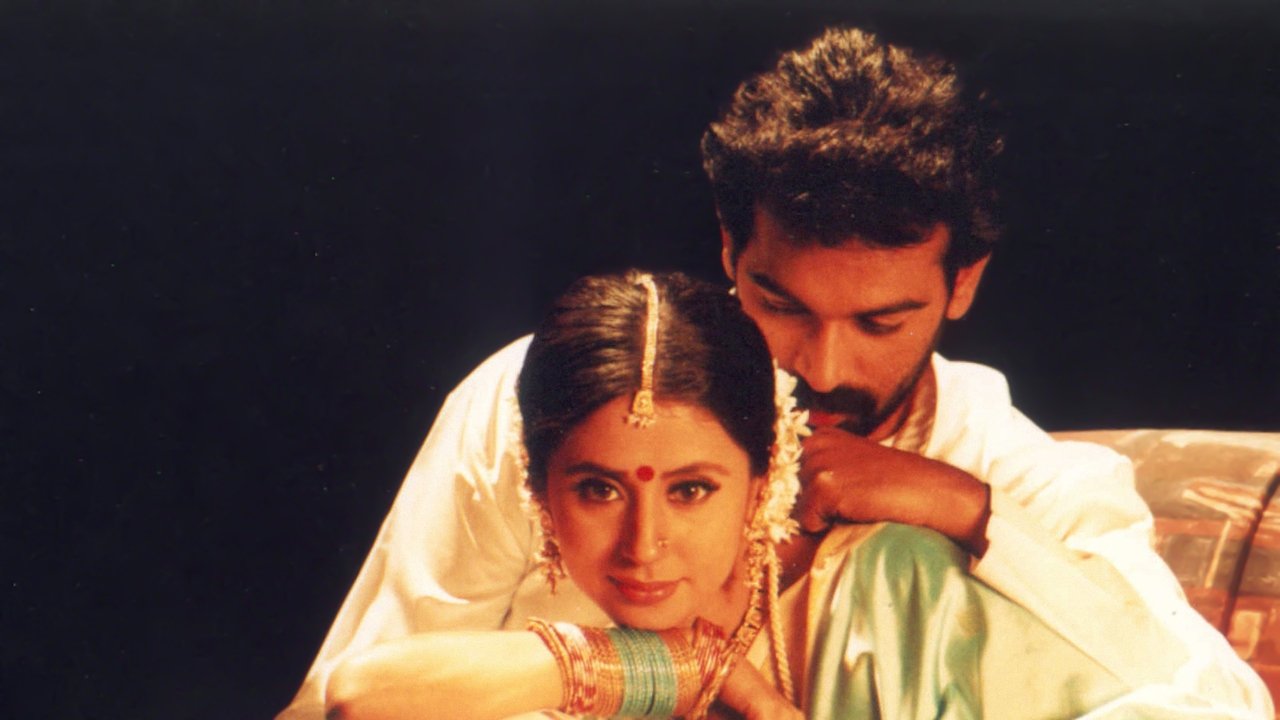
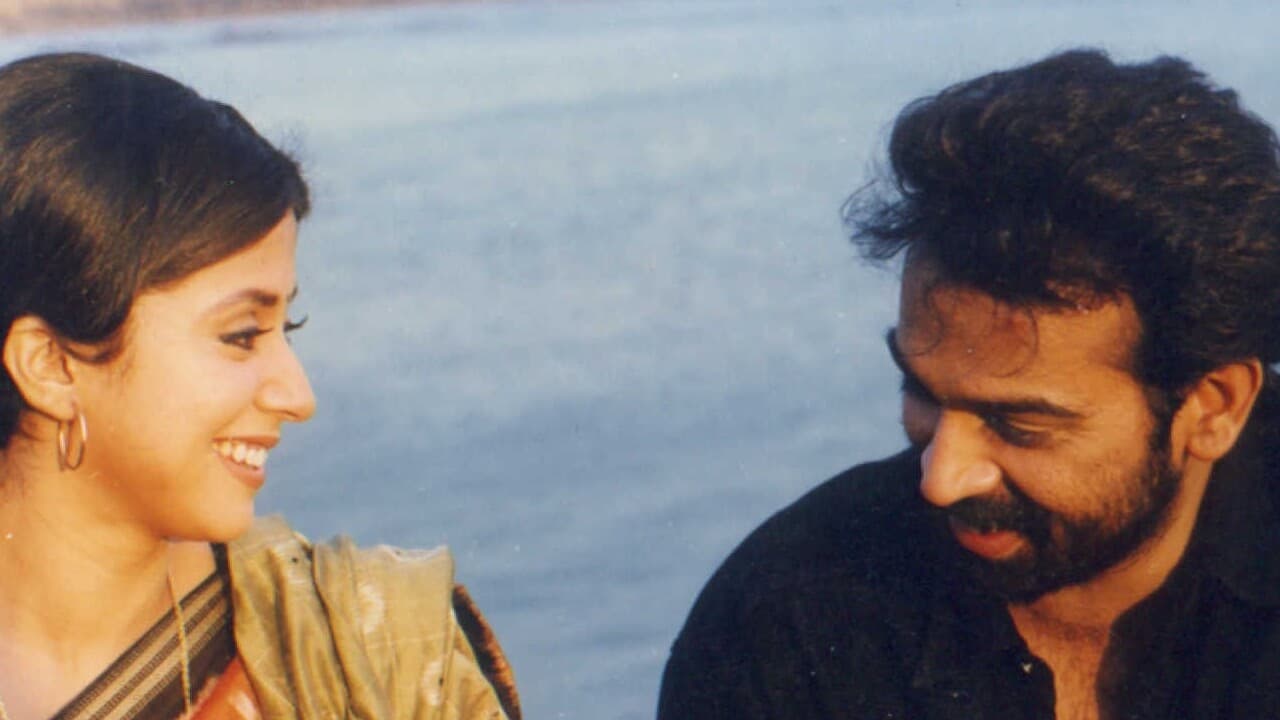
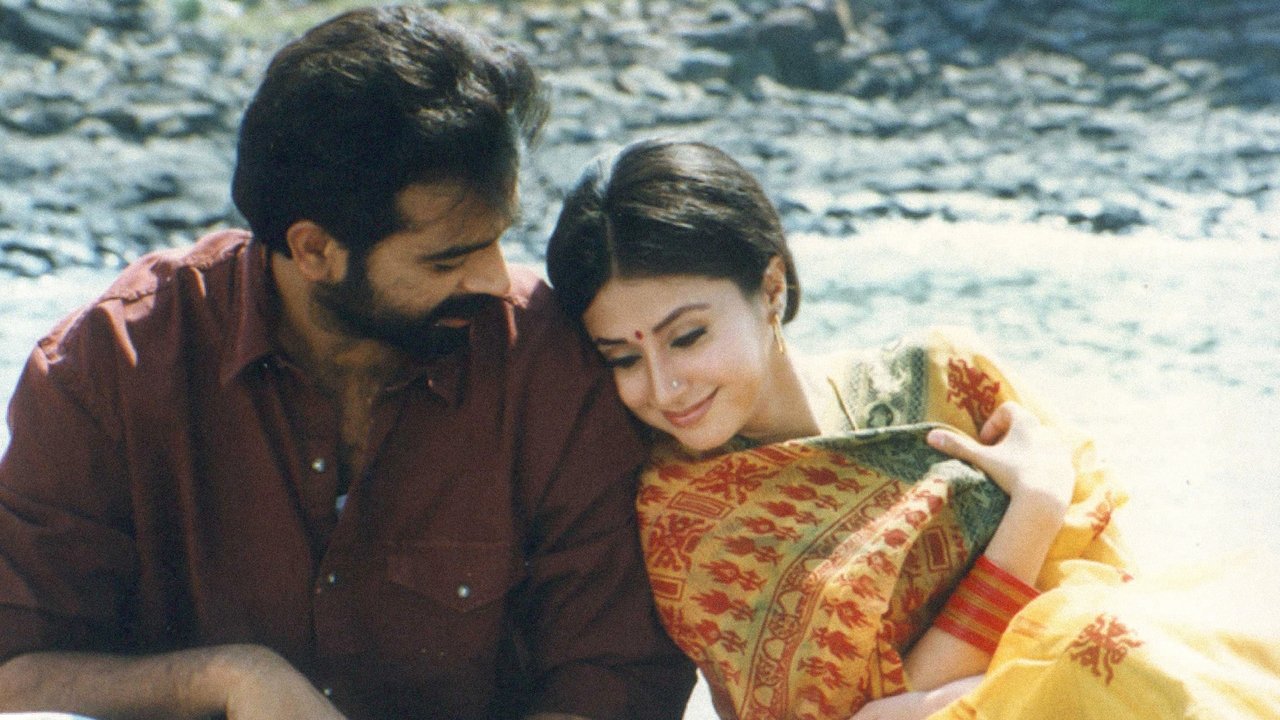
But let's be honest, the magnetic, terrifying force at the heart of Satya is Manoj Bajpayee as Bhiku Mhatre. "Mumbai ka King kaun? Bhiku Mhatre!" – that line still echoes, doesn't it? Bajpayee exploded onto the scene with a performance of volcanic intensity, blending ruthless ambition with moments of surprising vulnerability and even dark humour. It's a star-making turn, raw and unpredictable. It’s fascinating to know Bajpayee almost didn't get the part; he relentlessly pursued Varma, eventually convincing him he was the only choice. His commitment bled onto the screen. Providing a fragile counterpoint is Urmila Matondkar as Vidya, an aspiring singer unaware of Satya's true life. She represents the normalcy Satya craves but can never truly attain, their scenes tinged with a poignant sense of impending doom.
Words and Whispers
The dialogue, penned by Shukla and Kashyap, crackles with authenticity. It’s street-level, often overlapping, peppered with slang – a far cry from the formal, poetic lines often heard in mainstream Hindi cinema. This realism was further enhanced by the then-unconventional use of sync sound for several sequences, capturing the ambient noise and raw vocal textures, adding another layer to the film's immersive quality. The script doesn't waste time on exposition; it throws you into this world and expects you to keep up, trusting the audience's intelligence.
Adding to the suffocating atmosphere is Vishal Bhardwaj's score. It's less a traditional soundtrack and more a tapestry of unsettling ambient sounds, punctuated by moments of percussive dread. Even the more famous songs, like the ironically celebratory "Sapne Mein Milti Hai" or the darkly iconic "Goli Maar Bheje Mein," feel perfectly integrated, emerging organically from the narrative world rather than halting it.
The Legacy of Grit
Satya wasn't just a film; it was a seismic event in Indian cinema. It kickstarted what critics dubbed "Mumbai Noir," paving the way for a generation of filmmakers eager to explore darker, more realistic themes. It catapulted Manoj Bajpayee and Anurag Kashyap into the limelight and revitalized Ram Gopal Varma's directorial reputation, proving that gritty, character-driven crime stories could find a significant audience. Its influence is undeniable, seen in countless films that followed, attempting (though rarely succeeding) to capture its raw energy and unflinching honesty. It felt dangerous, important, and utterly unlike anything else on the shelf back in '98.
---

VHS Heaven Rating: 9.5/10
Justification: Satya earns this near-perfect score for its groundbreaking realism, powerhouse performances (especially Bajpayee's legendary turn), atmospheric direction, and its undeniable, lasting impact on Indian cinema. The gritty cinematography, authentic dialogue, and unsettling score combine to create a viscerally immersive experience. While relentlessly bleak, its craft and influence are undeniable. The slight deduction accounts perhaps only for the fact that its grimness makes it a demanding, though rewarding, watch.
Final Thought: More than two decades later, Satya hasn't lost an ounce of its power. It remains a brutal, brilliant, and essential piece of filmmaking – a chilling reminder of the darkness that can lurk beneath the surface, forever changing the landscape of the gangster genre in India. It's a tape that, once watched, stays with you.