Here we go, another tape slid into the VCR, the familiar whirring sound a prelude to revisiting a film that hit differently back in '96. Some movies fade with time, their impact dulled by changing tastes or dated aesthetics. Others, like F. Gary Gray's Set It Off, seem to gain resonance, their core questions echoing louder now than perhaps they even did then. It’s more than just a heist movie; it’s a pressure cooker of desperation, loyalty, and the crushing weight of limited options, leaving you pondering long after the credits roll and the tape auto-rewinds.
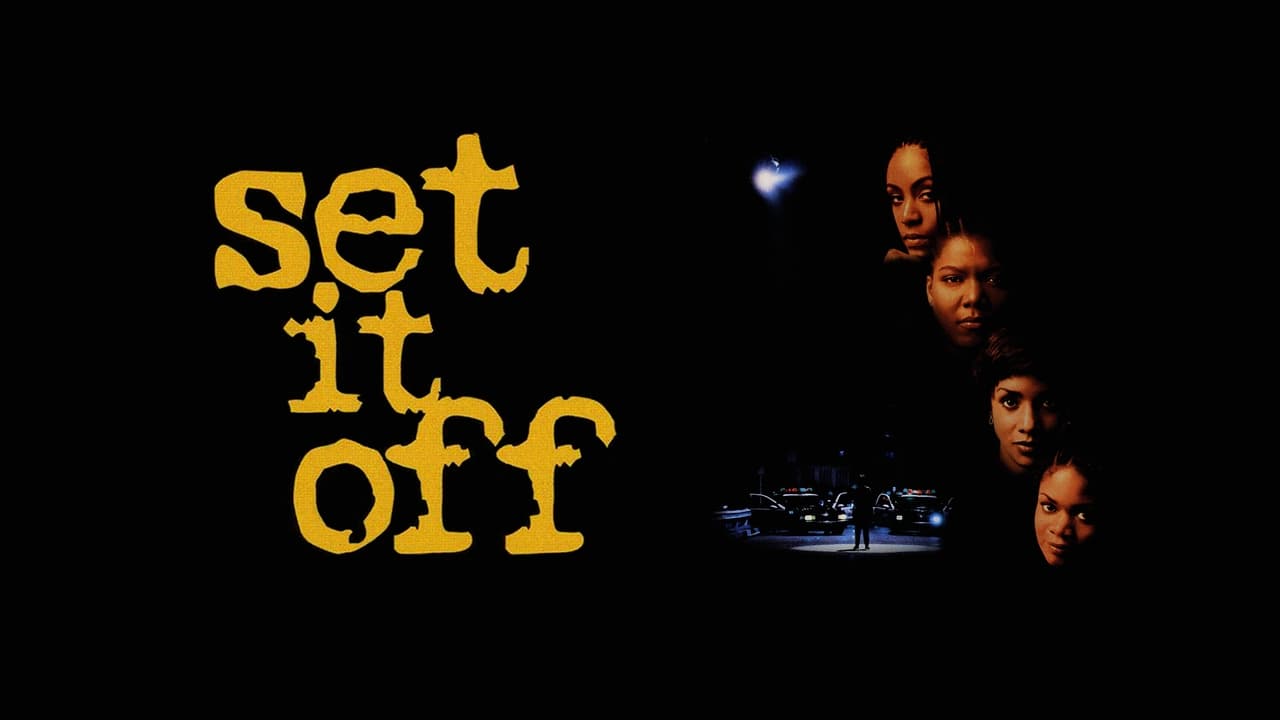
Dreams Deferred, Lives Derailed
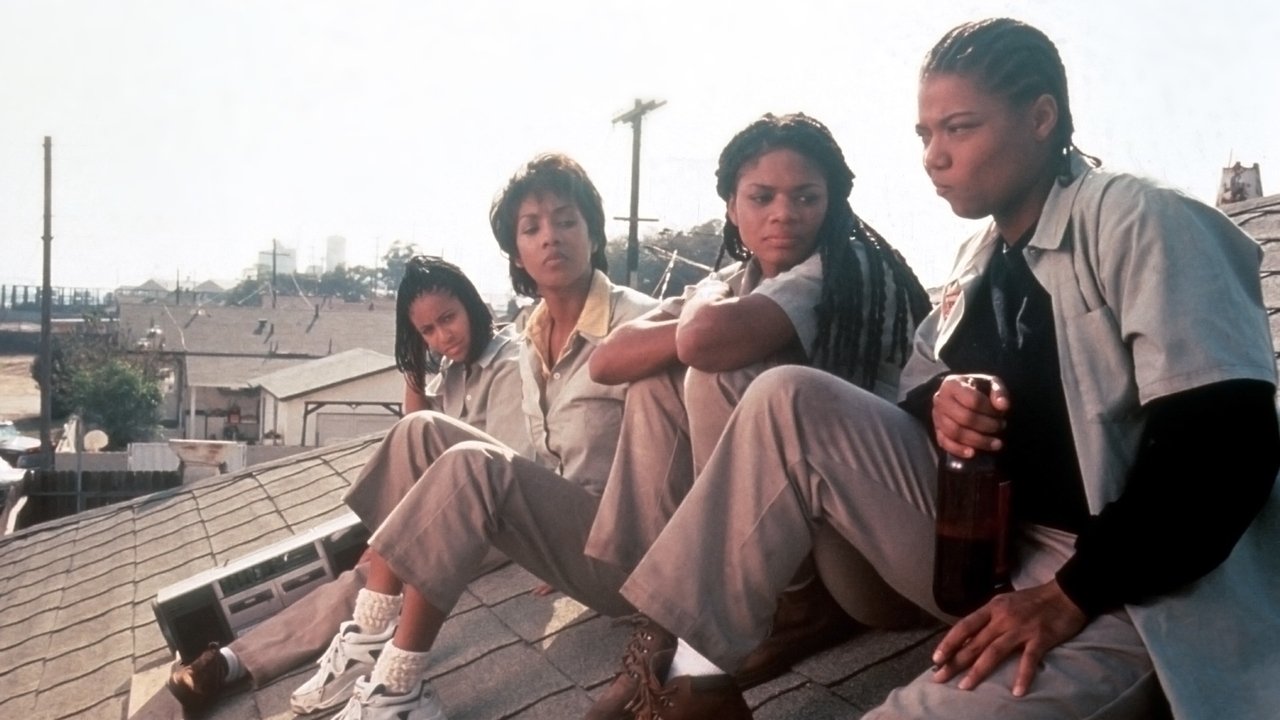
What strikes you immediately about Set It Off isn't the promise of action, but the palpable sense of injustice simmering beneath the surface of everyday life in Los Angeles. We meet four friends: Stony (Jada Pinkett Smith), reeling from the tragic police killing of her younger brother; Cleo (Queen Latifah), unapologetically bold and fiercely protective; T.T. (Kimberly Elise in a stunning feature debut), a single mother struggling to make ends meet after losing her child to social services due to a workplace accident; and Frankie (Vivica A. Fox), unjustly fired from her bank teller job after being robbed, simply because she knew one of the perpetrators from the neighborhood. Their individual stories aren't just plot points; they're indictments of systems that seem designed to keep them down. There's an authenticity to their struggles, penned initially by Takashi Bufford drawing inspiration from his own sister's experiences with banking discrimination, later refined by Kate Lanier. You feel the walls closing in with them.
More Than Just the Money

This foundation of systemic failure elevates Set It Off beyond the typical crime thriller. Yes, they decide to rob banks, but the film makes it painstakingly clear why. It’s not driven by avarice, but by a profound lack of alternatives, a desperate grasp for control in lives where they feel utterly powerless. F. Gary Gray, who had already shown his knack for capturing LA life with Friday (1995), directs the heist sequences with visceral tension, but the real focus remains squarely on the women. Their planning sessions, their moments of doubt, their fierce arguments – these scenes crackle with genuine emotional energy. It becomes less about the mechanics of the robberies and more about the fracturing and reaffirming of their bond under unimaginable pressure. Doesn't this raw portrayal of fighting back against stacked odds still feel relevant?
A Symphony of Fierce Performances
Let's be clear: the acting in Set It Off is phenomenal, a true ensemble masterclass. Jada Pinkett Smith anchors the film with Stony's grief-stricken vulnerability and quiet determination. You see the weight of the world in her eyes, the conflict between her desire for escape and her loyalty to her friends. Vivica A. Fox delivers a heartbreaking portrayal of Frankie, whose initial shock and anger galvanize the group, evolving into a tragic figure consumed by the path they've chosen. Kimberly Elise, even in her first major role, is unforgettable as T.T., conveying so much quiet desperation and maternal anguish with minimal dialogue.
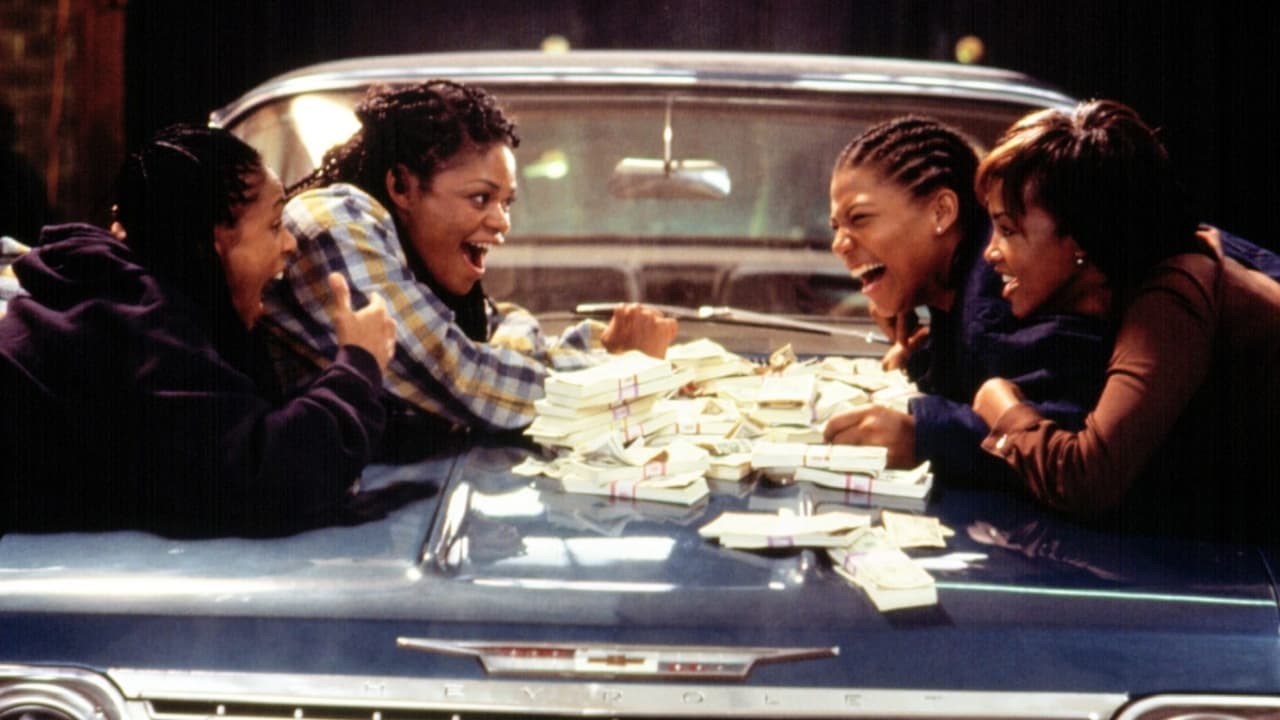
And then there's Queen Latifah as Cleo. It’s a force-of-nature performance – charismatic, funny, loyal to a fault, but ultimately tragic. It’s fascinating to know that Latifah initially read for the role of Stony but felt a stronger connection to Cleo, a character who practically leaps off the screen. Gray, having directed her music videos previously, clearly knew how to capture her magnetic presence. The chemistry between these four actresses is the film's undeniable heart. Their laughter feels real, their arguments carry genuine sting, and their shared moments of fear and resolve are utterly convincing.
Behind the Heist: Grit and Authenticity
Shooting on location in Los Angeles adds a layer of gritty realism that enhances the film's atmosphere. The $9 million budget (roughly $17 million today) yielded a significant box office return of over $41 million (around $78 million today), proving there was a real audience for stories like this. Set It Off wasn't just a financial success; it felt like a cultural moment, offering complex, flawed, and compelling Black female leads in a genre typically dominated by men. Its influence can be seen in subsequent films, but few capture the same raw emotional honesty. The accompanying soundtrack, a perfect blend of 90s R&B and hip-hop, wasn't just background noise; it was integral to the film's mood and energy, embedding it firmly in its era while still feeling potent today. Remember how those tracks just fit the scenes?
The Lingering Questions
Set It Off doesn't offer easy answers. It presents a scenario born of desperation and asks tough questions about survival, loyalty, and the price of chasing a dream – even one pursued through illegal means. What choices do people make when legitimate paths seem irrevocably blocked? How far do the bonds of friendship stretch under extreme duress? The film avoids simple moralizing, instead immersing us in the characters' perspectives, forcing us to confront the harsh realities that led them to such drastic measures. The ending is famously bittersweet, a gut punch that underscores the tragic trajectory set in motion from the very beginning.
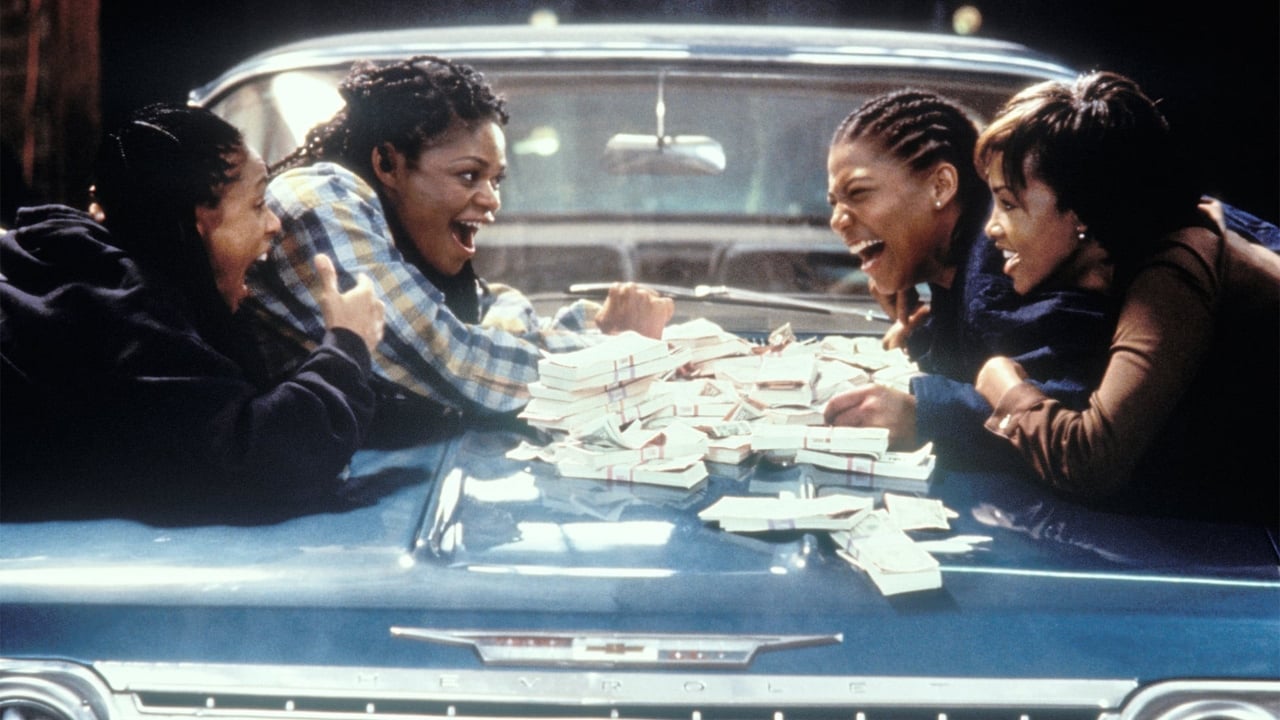
Rating: 9/10
This score reflects the film's powerful combination of elements: four absolutely stellar, career-defining performances that anchor the emotional weight; F. Gary Gray's taut, empathetic direction; a script that digs deeper than the standard heist flick into themes of systemic inequality and female solidarity; and an authentic sense of time and place. It successfully blends thrilling action sequences with profound character drama, creating something truly memorable. While undeniably a product of the 90s, its core concerns about economic hardship and social injustice feel startlingly contemporary.
Set It Off remains a standout film from the VHS era, a gripping, emotional ride that uses the framework of a crime story to explore the complex lives of women pushed to the edge. It stays with you, not just for the heists, but for the haunting question of what might have been if the world had offered them a different hand.