That guttural roar of an approaching locomotive, the frantic sprint alongside cold steel, and the heart-stopping leap away just milliseconds before impact... Some moments from late 90s cinema burrow deep into your memory, and Aamir Khan's legendary train stunt in Ghulam (1998) is undoubtedly one of them. It wasn't just a display of daredevilry; it encapsulated the raw, dangerous energy pulsating through this gritty Mumbai story, a film that felt strikingly different from much of the glossy fare surrounding it at the time. Watching it again now, decades removed from its original release, that visceral thrill remains, but it’s accompanied by a deeper appreciation for the film's surprising emotional core and its exploration of conscience in a world built on brute force.

### Mumbai’s Underbelly, Exposed
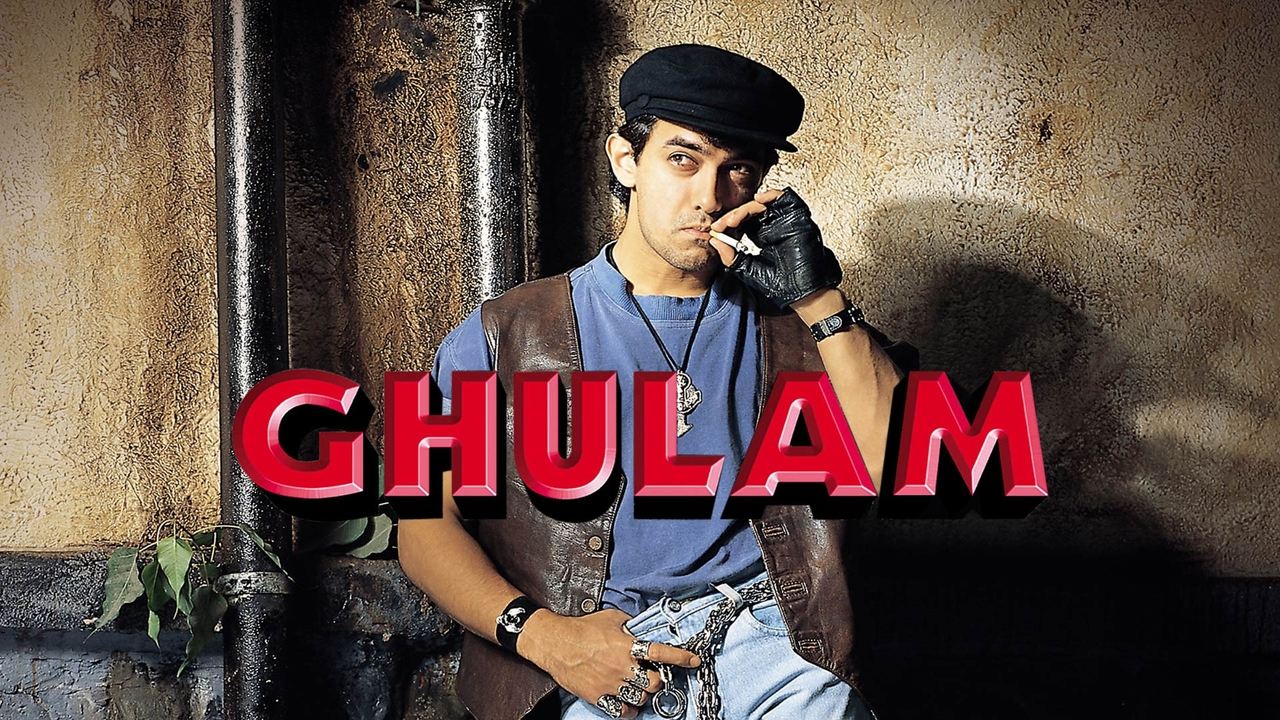
Directed by Vikram Bhatt, who already had a knack for stylish thrillers, Ghulam plunges us headfirst into the rough-and-tumble world of Siddarth "Siddhu" Marathe (Aamir Khan), a small-time boxer and street tough operating under the thumb of local crime boss Raunak "Ronnie" Singh (Sharat Saxena). Siddhu’s existence is one of casual violence, petty scores, and unquestioning loyalty to Ronnie, the man who provides for him and his crew. The film masterfully captures the grimy textures of Mumbai’s less-seen locales – the cramped chawls, dimly lit pool halls, and rain-slicked streets feel authentic, grounding the often larger-than-life plot. It’s a world where survival trumps morality, or so it seems initially. The arrival of the fiery Alisha (Rani Mukerji), a biker caught up in Siddhu's orbit, and the principled social worker Hari (Deepak Tijori) begins to chip away at Siddhu’s hardened exterior, forcing him to confront the moral compromises he’s made.
### The Reluctant Hero and the Breakthrough Star
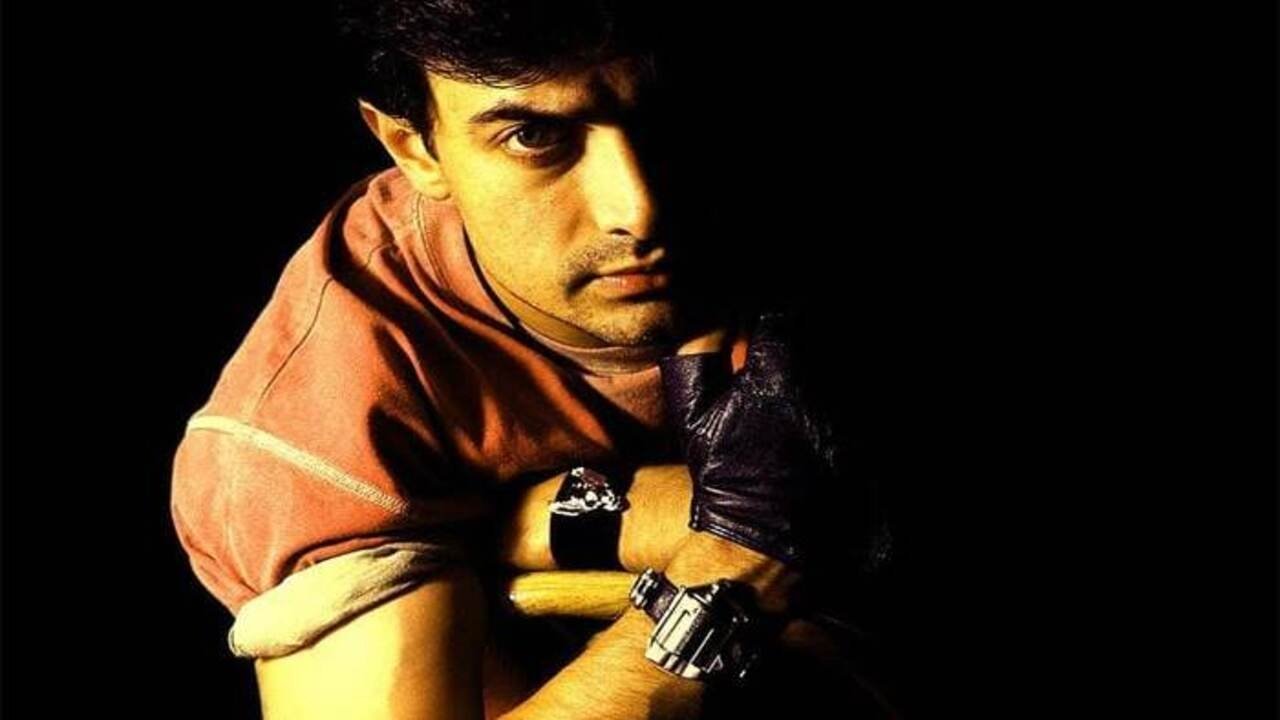
Aamir Khan delivers a performance that feels pivotal in his career trajectory. Known then for both romantic leads and occasional intense roles, his Siddhu is a compelling mix of street-smart swagger, simmering resentment, and a buried vulnerability. He’s not inherently bad, just lost, molded by circumstance and loyalty to the wrong people. Khan embodies this internal conflict brilliantly; you see the flicker of doubt in his eyes long before he acts on it. His physical commitment is undeniable, most famously in that train sequence.
Retro Fun Fact: Khan famously performed the train stunt himself, against the advice of many. Reports suggest he missed being hit by mere seconds (around 1.3 seconds, allegedly), adding a layer of genuine peril that bleeds through the screen. It wasn't CGI trickery; it was pure, old-school movie-making nerve, something that defined many action sequences from this era.
Making a significant impact opposite Khan is Rani Mukerji as Alisha. Ghulam was a major breakthrough for her, despite a fascinating piece of behind-the-scenes trivia: her naturally husky voice was deemed unsuitable at the time, and her lines were dubbed by voice artist Mona Ghosh Shetty. It’s ironic, considering that unique voice would later become one of her celebrated trademarks. Even without her own voice, Mukerji’s screen presence is undeniable. She brings fire and fragility to Alisha, creating believable chemistry with Khan and serving as the catalyst for Siddhu's awakening conscience. Supporting actors like Sharat Saxena provide the necessary menace as the manipulative Ronnie, embodying the casual cruelty of power.
### Echoes of a Classic, Soundtrack of an Era
While Ghulam stands on its own merits, its narrative DNA owes a significant debt to Elia Kazan's 1954 masterpiece, On the Waterfront. Both films explore themes of dockside corruption (transposed here to Mumbai's urban underbelly), individual conscience versus mob loyalty, and a reluctant protagonist pushed towards heroism. Acknowledging this lineage doesn't diminish Ghulam; rather, it highlights how universal themes can be effectively translated across cultures and time periods. Vikram Bhatt adapts the core conflict skillfully, infusing it with distinctly Indian sensibilities and the vibrant energy of 90s Bollywood.
And then there's the music. The soundtrack by Jatin-Lalit became an absolute sensation, dominating the airwaves back in '98. While tracks like "Aankhon Se Tune Yeh Kya Keh Diya" provided the requisite romance, one song transcended the film itself: "Aati Kya Khandala."
Retro Fun Fact: Sung in a deliberately tapori (street-smart slang) style by Aamir Khan himself, alongside Alka Yagnik, the song became a cultural phenomenon. Its catchy tune and playful lyrics about heading to the nearby hill station of Khandala were inescapable. Finding that cassette tape at the local music store, or hearing it blasting from autorickshaws, is a core memory for many who grew up in that time. Khan’s decision to sing it himself added to its authenticity and massive appeal.
### More Than Just Fists and Fury
Beyond the action set pieces and the chartbusting music, Ghulam asks compelling questions. What does loyalty truly mean? When does silence become complicity? How much courage does it take to break ranks and stand up for what's right, especially when it means betraying the only life you've known? Siddhu's journey isn't just about learning to fight better; it's about learning why to fight. The film doesn't offer easy answers, portraying the cost of defiance with stark honesty. It resonates because, beneath the Bollywood sheen, it touches upon the struggles against systemic corruption and the power of an individual voice – challenges that feel perpetually relevant.
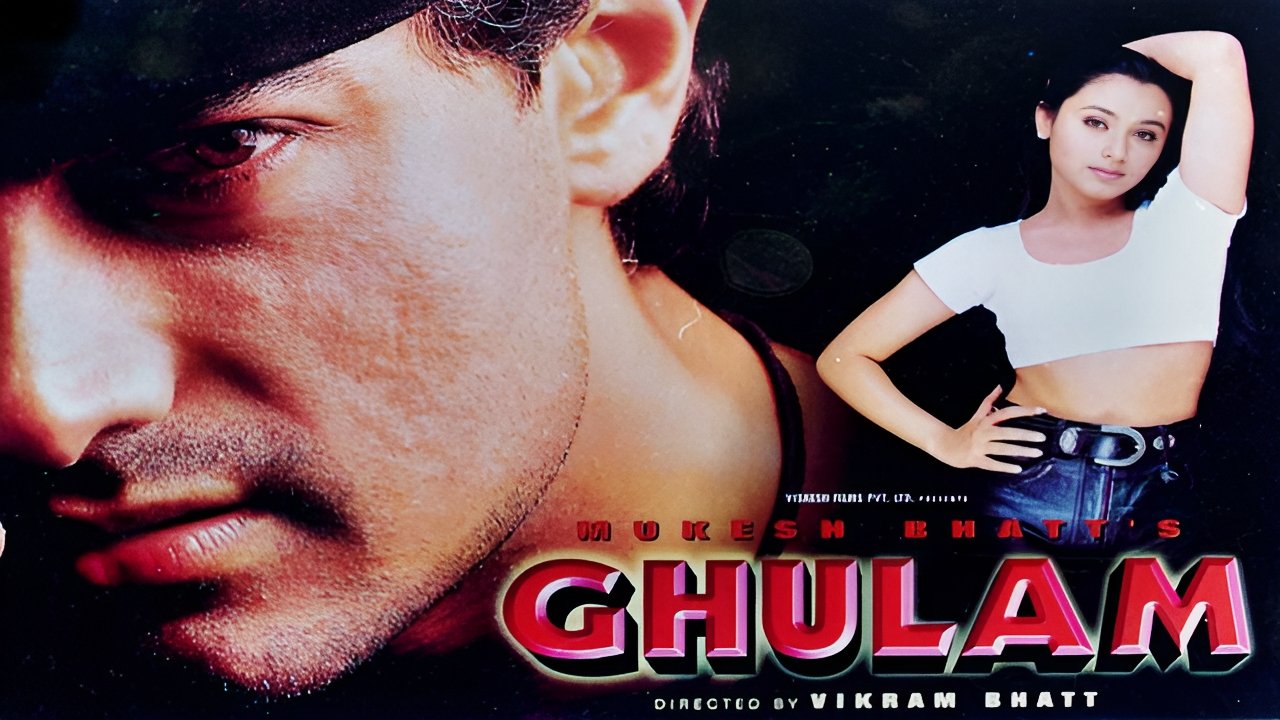
The film wasn't just a box office hit; it cemented Aamir Khan's versatility, launched Rani Mukerji into stardom, and gave us one of the most iconic songs and stunts of the decade. Its blend of gritty realism, potent drama, and memorable music made it a standout title on video store shelves, instantly recognizable by its evocative cover art.
---
VHS Heaven Rating: 8/10
Justification: Ghulam earns a strong 8 for its gripping narrative, compelling performances (especially Aamir Khan's transformative turn), and authentic atmosphere. Vikram Bhatt's direction effectively balances intense action with emotional depth, and the film's willingness to tackle themes of conscience and corruption elevates it beyond a standard crime flick. The iconic music and that unforgettable train stunt further cement its place as a memorable 90s classic. While its plot borrows heavily from On the Waterfront, the adaptation feels fresh and culturally specific. Some pacing lags slightly in the middle, but the powerful climax and lasting impact of its key elements make it a standout title from the era.
Final Thought: Ghulam remains a potent reminder that even within the framework of mainstream Bollywood, stories of grit, conscience, and the difficult path to redemption could be told with striking intensity. It’s a film that stays with you, not just for the thrills, but for the tough questions it dares to ask. Did anyone else nearly jump out of their seat during that train scene back in the day?