The flickering neon of the Hong Kong night seems to bleed right off the tape and into the room. Rain slicks the pavement, reflecting promises made and broken, loyalty tested by gunfire and betrayal. There’s a certain weight to A Better Tomorrow (1986), a sense of impending tragedy mixed with explosive catharsis, that felt utterly electrifying back in the day, beamed onto a CRT screen from a well-worn VHS. It wasn't just an action movie; it felt like opera played out with automatic weapons and shattered glass.
Blood Brothers and Broken Bonds
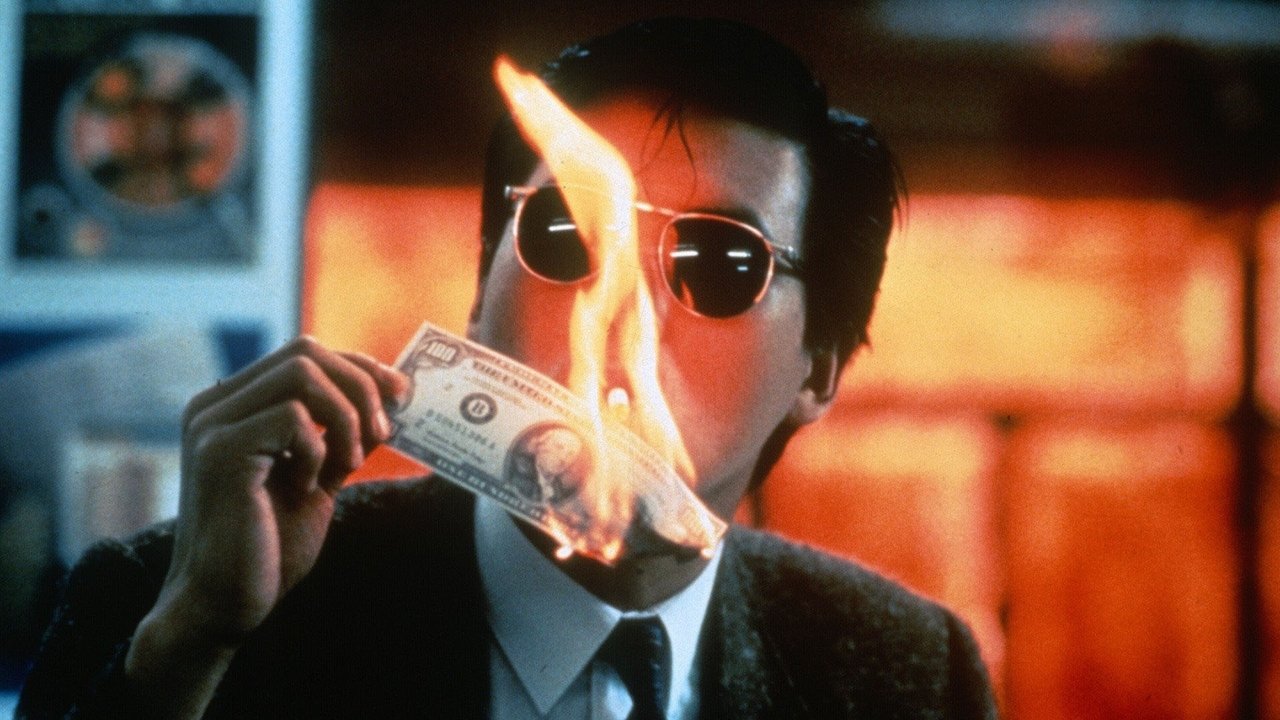
At its heart, this is a story steeped in melodrama as potent as its gunpowder. We follow Sung Tse-Ho (Ti Lung), a respected figure in the Triads specializing in counterfeit currency, who longs for a legitimate life, primarily for the sake of his younger brother, Kit (Leslie Cheung), an aspiring police officer utterly unaware of Ho's true profession. Ho's partner-in-crime and closest friend is the impossibly charismatic Mark Gor (Chow Yun-fat), loyal to a fault. When a deal in Taiwan goes disastrously wrong thanks to a treacherous underling, Ho is imprisoned, his father is murdered in retaliation, and Mark is brutally crippled seeking vengeance. The emotional core revolves around Ho's release three years later: his desperate attempt to go straight, Kit's simmering resentment and rejection, and Mark, now a shadow of his former self, clinging to the remnants of brotherhood. This potent blend of crime thriller and intense character drama gives the film its lasting power.
The Birth of Bullet Ballet
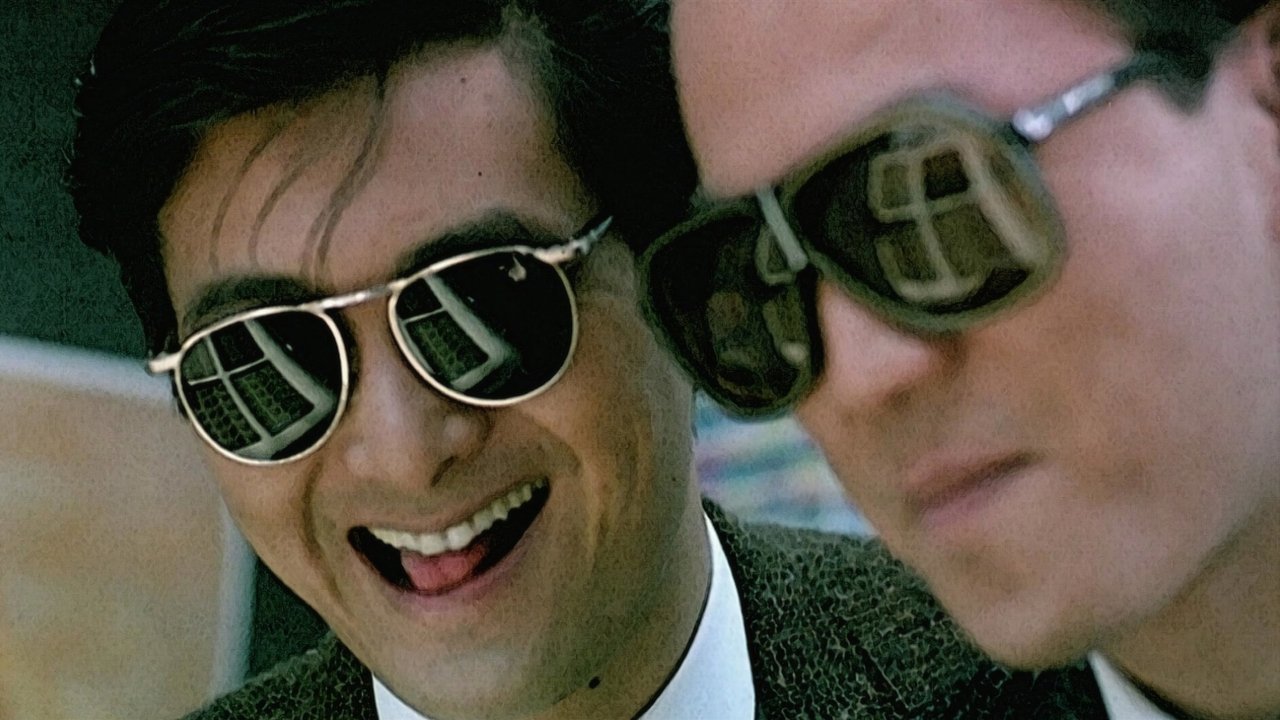
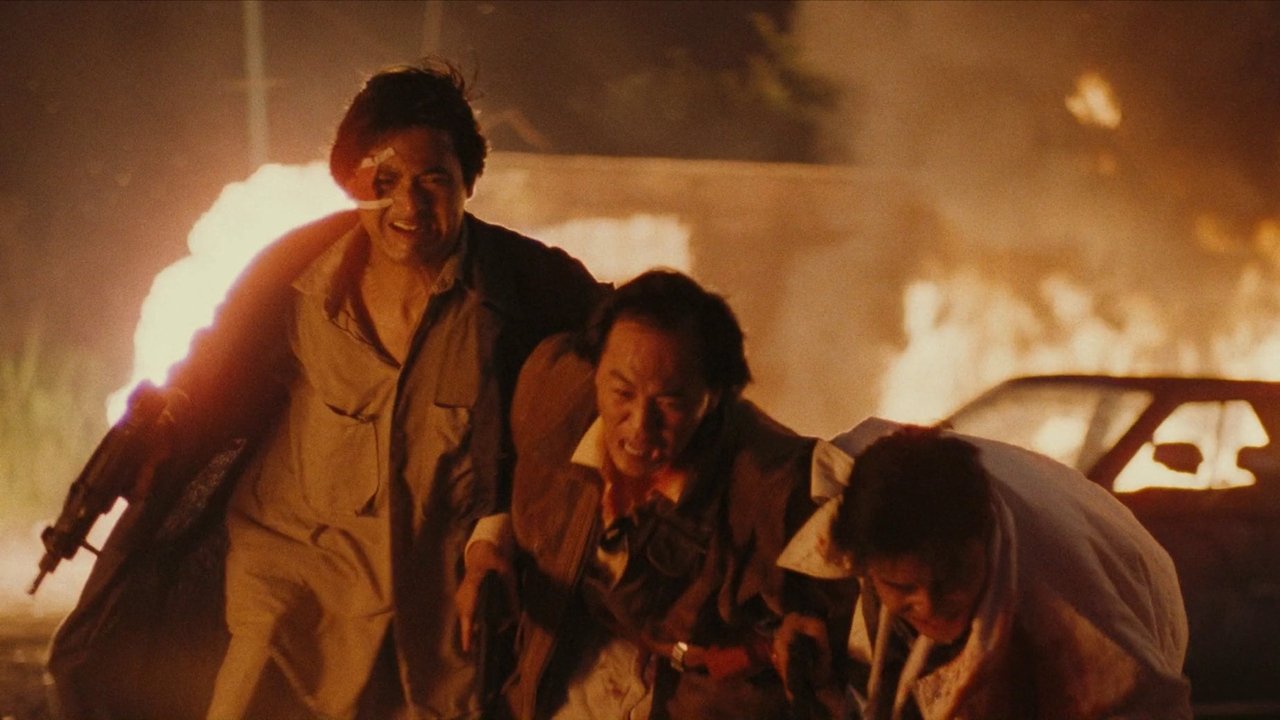
Let's be clear: A Better Tomorrow didn't just feature action sequences; it redefined them. This is where director John Woo, drawing inspiration from directors like Sam Peckinpah and Jean-Pierre Melville but injecting his unique Hong Kong sensibility, truly cemented his signature style. Forget the clunky punch-ups or stiff shootouts common in some Western films of the era. Woo orchestrates "gun-fu," a ballet of bullets where protagonists glide through hails of gunfire, often dual-wielding pistols, clad in stylish suits that somehow remain immaculate amidst the chaos. The slow-motion shots aren't just for effect; they heighten the emotion, emphasizing the grace in violence, the tragic beauty of these men bound by honour fighting against overwhelming odds. The infamous teahouse shootout remains a masterclass in stylized action choreography, a scene that felt jaw-droppingly kinetic and impossibly cool on first viewing. Remember the sheer volume of spent shells? It felt revolutionary.
Mark Gor: An Icon Forged in Gunsmoke
While Ti Lung delivers a powerfully understated performance as the weary Ho, embodying the film's soul (a significant comeback role for the Shaw Brothers veteran), and Leslie Cheung captures the righteous fury and pained conflict of Kit, it's Chow Yun-fat who explodes off the screen. His portrayal of Mark Gor – the trench coat, the Alain Delon sunglasses perched just so, the ubiquitous toothpick clenched between his teeth – became instantly legendary. Originally intended as more of a supporting character, Chow's magnetic presence and effortless cool elevated Mark into the heart of the film. His loyalty, his swagger, his hidden pain beneath the bravado... it’s a star-making performance for the ages. Who didn’t try to emulate that toothpick flick back then? Doesn't that image still feel undeniably iconic?

Behind the Bullets
The film's production itself mirrors its themes of redemption. John Woo was reportedly struggling in his career before A Better Tomorrow, feeling creatively stifled. This film, produced by the legendary Tsui Hark (director of Zu Warriors from the Magic Mountain (1983) and Once Upon a Time in China (1991)), became his resurrection. Made on a relatively modest budget (around $1.6 million HKD), its phenomenal success (smashing local box office records with over $34.6 million HKD) was a shock, revitalizing Woo's career and launching Chow Yun-fat into superstardom. There's a raw energy to the film, perhaps born from this underdog spirit. You can almost feel the filmmakers pouring everything they had into making something visceral and meaningful, pushing the boundaries of what Hong Kong cinema could achieve. The practical effects, especially the numerous squib hits during the gunfights, feel intensely physical and brutal, adding to the film's gritty realism despite the stylized choreography.
Echoes in Eternity
A Better Tomorrow wasn't just a hit; it was a cultural phenomenon that birthed the "heroic bloodshed" genre. Its influence rippled across the globe, inspiring filmmakers (Quentin Tarantino is a notable admirer) and forever changing the landscape of action cinema. Its blend of hyper-stylized violence, operatic emotion, and themes of honour, brotherhood, and redemption created a potent formula that many would imitate but few could replicate with the same raw power. It spawned sequels (A Better Tomorrow II (1987), also directed by Woo, and the prequel A Better Tomorrow III: Love & Death in Saigon (1989), directed by Tsui Hark) and less successful remakes, but the original remains the benchmark.
Rating: 9/10
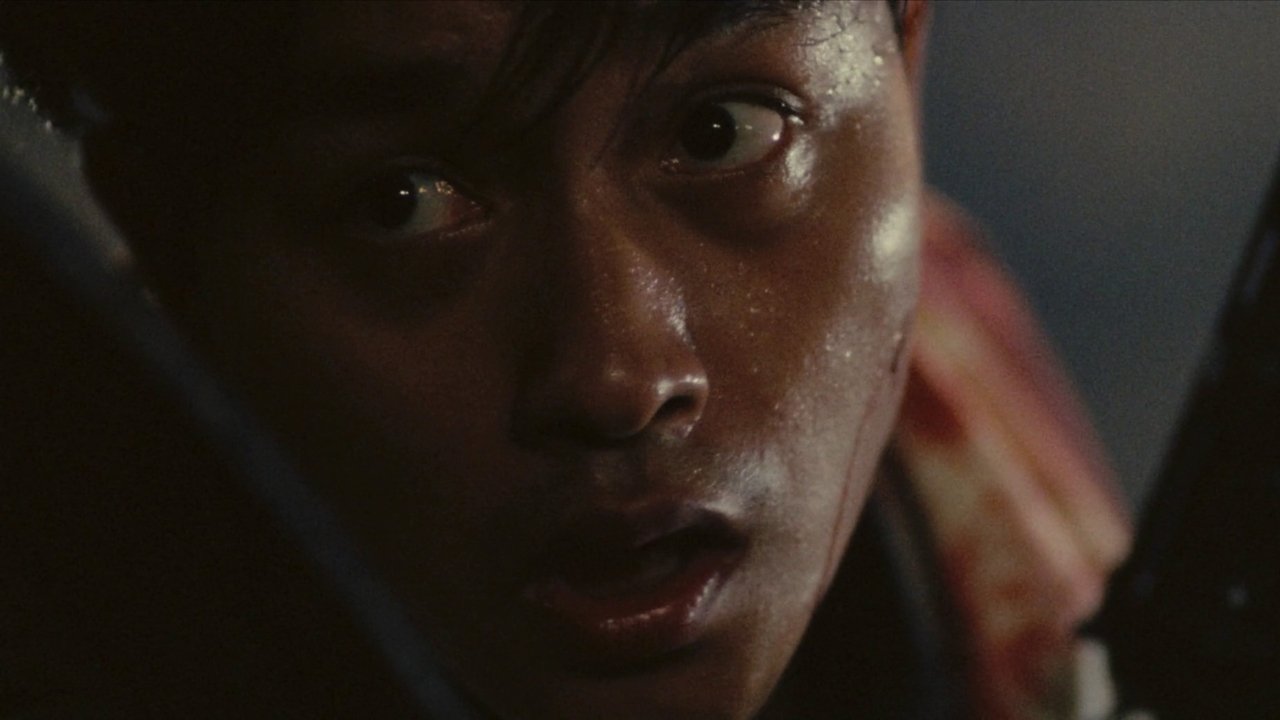
This score reflects the film's groundbreaking impact, its iconic performances (especially Chow Yun-fat's star turn), John Woo's masterful direction that redefined action aesthetics, and its potent emotional core. While some of the melodrama might feel heightened by today's standards, the sheer style, energy, and thematic weight remain undeniable. It loses a point perhaps only for pacing in certain dramatic sections that might test modern viewers accustomed to non-stop action, but its historical significance and raw power are immense.
A Better Tomorrow is more than just a movie; it's a landmark. Watching it again evokes that same thrill of discovering something genuinely cool, intensely emotional, and visually stunning – a cornerstone of 80s action cinema that still hits like a shotgun blast to the chest. It’s a film that wears its heart on its blood-stained sleeve.