It starts with a sound, doesn't it? That distinctive, looping beat – the hypnotic pulse provided by RZA of the Wu-Tang Clan. It’s the heartbeat of Ghost Dog: The Way of the Samurai, a film that slipped into the world in 1999, just as the millennium turned and the VHS era was preparing for its long fade-out. But what a final act entry. Here was something entirely different, a film that felt both ancient and utterly modern, blending the stoic code of the samurai with the melancholic decay of late-90s urban life. It wasn’t loud or flashy like many contemporaries; it was quiet, deliberate, and possessed a soul that lingered long after the tape clicked off.
The Weight of the Code
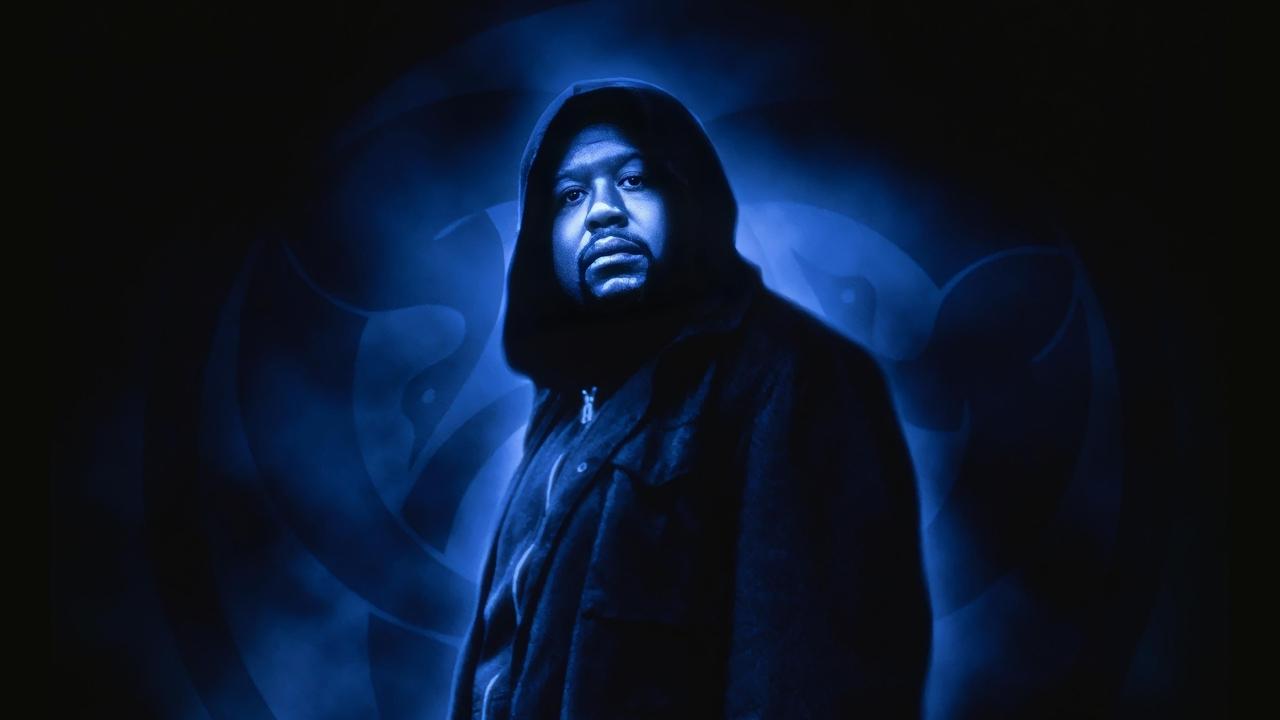
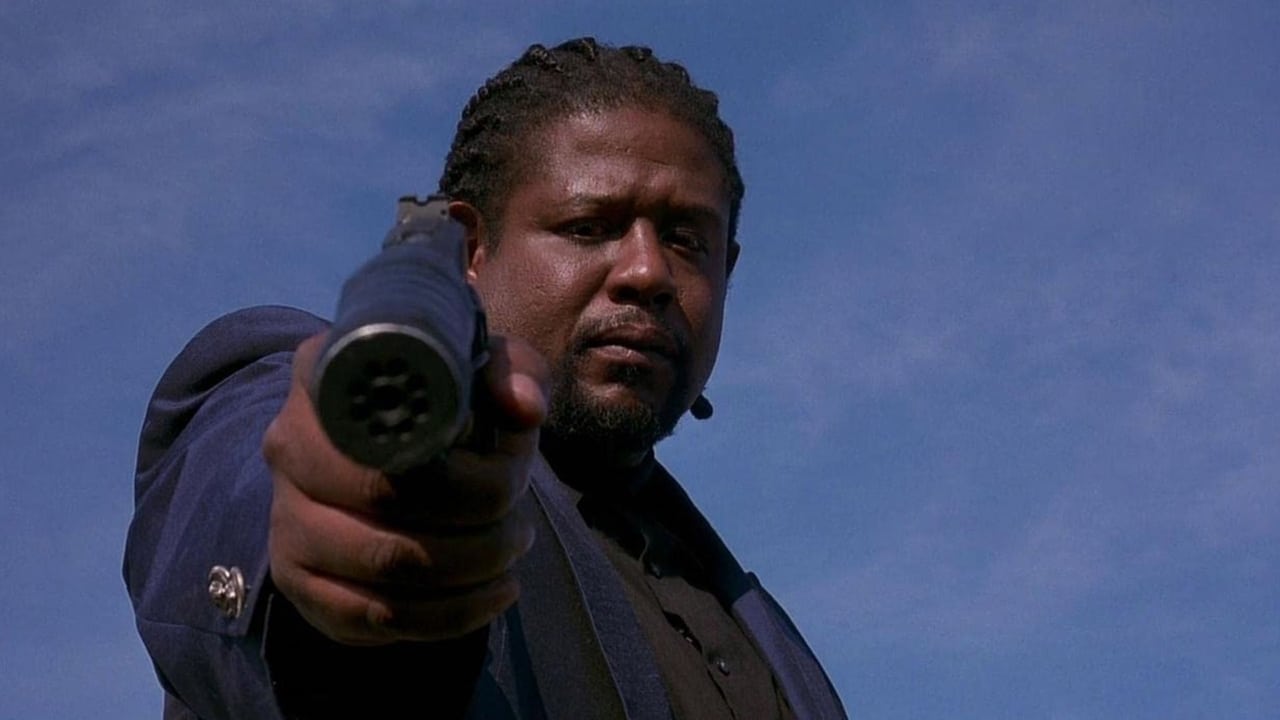
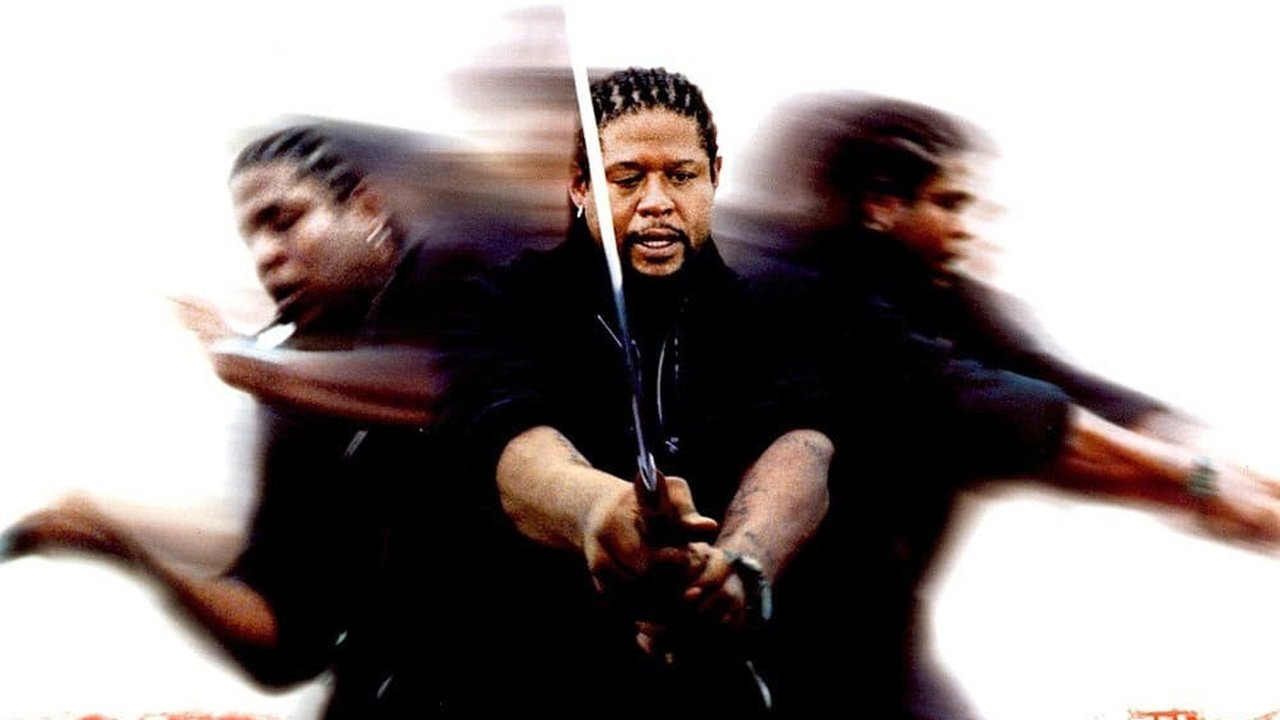
At the center, carrying the film with an almost impossible grace, is Forest Whitaker as Ghost Dog. It’s a performance of profound stillness and quiet intensity. Jim Jarmusch, the visionary director behind indie touchstones like Down by Law (1986) and Dead Man (1995), famously wrote the role specifically for Whitaker after seeing his transformative work in Bird (1988), and you can feel that perfect synergy. Ghost Dog lives by the rigid tenets of the Hagakure, the ancient text of the samurai, serving Louie (John Tormey), a low-level mobster who once saved his life. This loyalty is absolute, unquestioning, even when the world around him—a grimy, crumbling Jersey City—operates on betrayal and incompetence. Whitaker conveys Ghost Dog's inner life not through extensive dialogue, but through subtle shifts in posture, the focus in his eyes, the deliberate way he handles his weapons or tends to his pigeons. Speaking of which, the dedication shines through even in production details: Whitaker actually spent considerable time training with the birds used in the film, adding another layer of authenticity to his connection with these messengers who bridge his isolated world.
Concrete Jungle, Ancient Philosophy
The film masterfully contrasts Ghost Dog's principled existence with the world he navigates. The mobsters he serves are less menacing figures and more like relics themselves – aging, ineffective, clinging to outdated notions of power. Cliff Gorman as Sonny Valerio, the slightly unstable boss, and the rest of the crew feel almost comically inept compared to Ghost Dog's focused lethality. Jarmusch shoots Jersey City not just as a backdrop, but as a character – weathered buildings, empty lots, rooftop oases where Ghost Dog finds solace. It's a landscape perfectly mirroring the film's themes: beauty found in decay, honor in a dishonorable world. There’s a clear nod here, acknowledged by Jarmusch, to Jean-Pierre Melville's minimalist hitman masterpiece Le Samouraï (1967), another tale of a solitary killer living by his own code. But Ghost Dog carves its own unique path, infusing the archetype with hip-hop aesthetics and Eastern philosophy.
The RZA Resonance
You simply cannot talk about Ghost Dog without delving into RZA’s score. It’s not just background music; it's the film's lifeblood, an integral element woven into the narrative fabric from conception. Jarmusch, a director always attuned to the power of music, gave RZA significant creative freedom, and the result is groundbreaking. The atmospheric beats, loops, and sparse melodies create a mood that is simultaneously meditative and streetwise. It underscores Ghost Dog’s isolation, his focused movements, and the clash of cultures at the heart of the story. It’s a soundtrack that stands entirely on its own, yet feels inseparable from the visuals – a defining element of late 90s cool that still sounds fresh today. Finding this on VHS felt like uncovering a secret – a film that sounded different, that moved at its own deliberate pace.
Worlds Apart, Words Unspoken
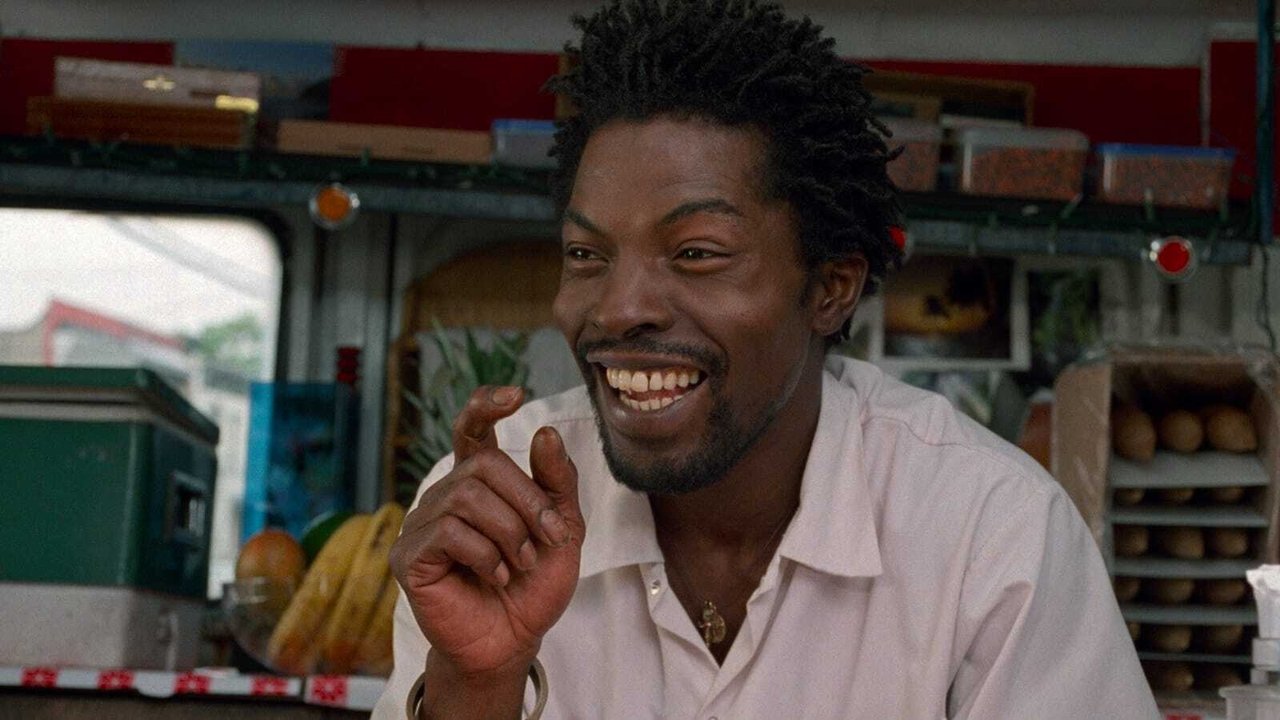
Communication, or the lack thereof, is a fascinating thread. Ghost Dog communicates with his employers almost exclusively via carrier pigeon. His closest confidante is Raymond (Isaach De Bankolé), a Haitian ice cream vendor who speaks only French, while Ghost Dog speaks only English. Yet, their connection is palpable, built on mutual respect and shared moments that transcend language barriers. It highlights Ghost Dog's profound isolation, but also suggests that true understanding doesn't always require words. This contrasts sharply with the mobsters, who constantly misunderstand each other and are utterly baffled by Ghost Dog's motivations, unable to comprehend a loyalty not driven by greed or fear. The philosophical quotes from the Hagakure, presented as intertitles, become Ghost Dog's only explicit articulation of his worldview, guiding both him and the audience.
Finding the Way on Tape
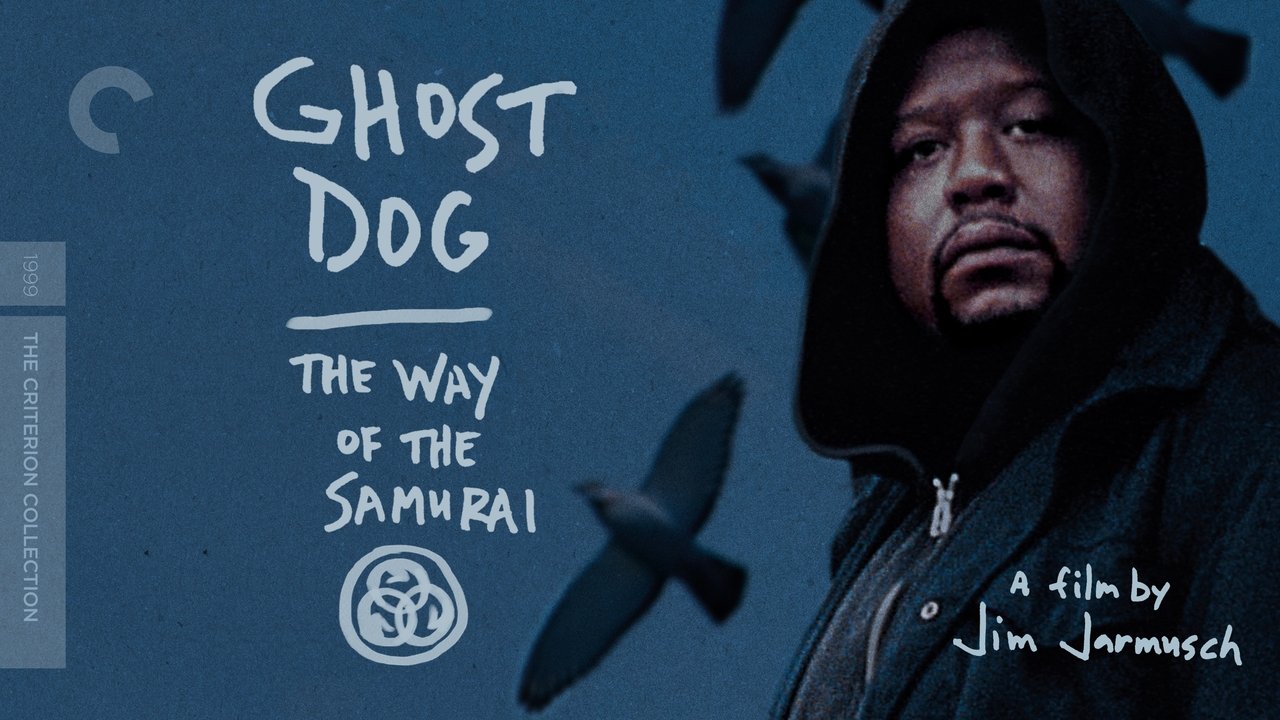
Ghost Dog wasn't a massive box office smash – made for an estimated $2 million, it grossed modestly worldwide (around $9.4 million) – but its impact far exceeded those numbers. This was prime cult classic material, the kind of film you'd discover tucked away in the "Indie" or "Drama" section of the video store, maybe drawn in by the striking cover art or Whitaker's presence. Renting it felt like an act of discovery. It didn’t fit neatly into any box – part crime thriller, part philosophical meditation, part urban mood piece. It was proof that compelling stories could still be told with artistry and a unique voice, even as blockbusters dominated the shelves. It's the kind of film that rewards rewatching, revealing new layers in Whitaker’s performance or catching nuances in RZA’s score.
Final Verdict
Ghost Dog: The Way of the Samurai is a singular achievement. It’s a film of quiet power, profound melancholy, and undeniable cool. Forest Whitaker delivers a career-defining performance, embodying a complex code with minimal dialogue but maximum impact. Jim Jarmusch directs with his signature minimalist style, finding poetry in urban decay, while RZA’s score provides the unforgettable pulse. It’s a film that explores themes of honor, loyalty, communication, and mortality with a depth rarely seen in the genre. Its unique blend of samurai philosophy, hip-hop culture, and mafia tropes feels just as fresh and vital now as it did flickering on a CRT screen back in the day.
Rating: 9/10 – This score reflects the film's masterful execution, its originality, the iconic central performance, the groundbreaking score, and its enduring status as a uniquely atmospheric cult classic. It achieves exactly what it sets out to do, creating a world and a mood that are entirely its own.
It leaves you contemplating the codes we choose to live by, and whether true honor can exist even when the world seems to have forgotten its meaning. A true gem from the twilight of the VHS era.