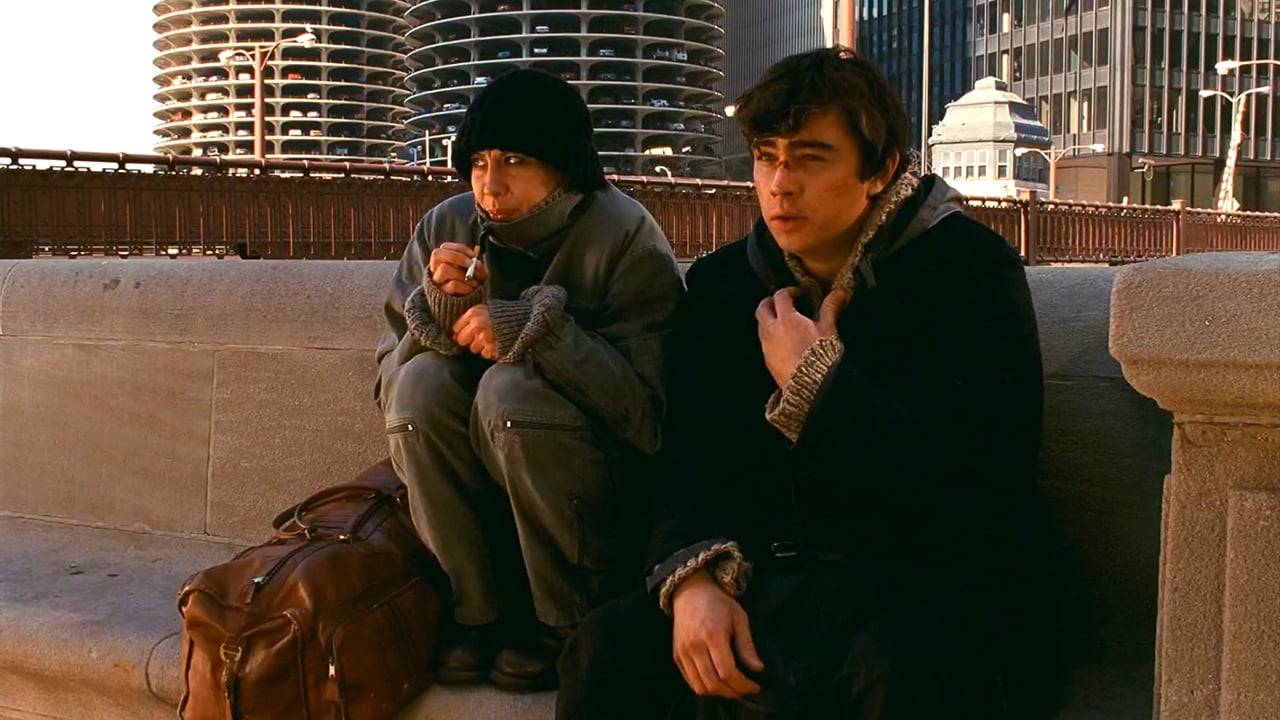
The transition flickers, doesn't it? That shift from the grime-soaked canals of St. Petersburg in the first Brother to the sprawling, alien concrete of Chicago in the sequel. 2000’s Brother 2 (Брат 2) wasn't just a follow-up; it felt like an exhale, a defiant roar from a Russia grappling with a chaotic new identity, beamed onto our CRT screens with a strange mix of nihilism and naive bravado. Directed once again by the uncompromising Aleksei Balabanov, this film took the quiet lethality of its predecessor and amplified it, sending its unlikely hero crashing into the heart of the American dream, or at least, its grimy underbelly.
### From Russia With Lethal Intent
The plot picks up with Danila Bagrov (Sergei Bodrov Jr., cementing his status as a reluctant national icon) trying to settle into a semblance of normalcy in Moscow. But trouble, as it often does, finds him. An old army buddy’s plea for help regarding his twin brother, a hockey player trapped in a predatory contract in the US, sets Danila on a collision course with Ukrainian gangsters in Moscow and, ultimately, the cold, impersonal corridors of power and crime in Chicago. Tagging along, somewhat inevitably, is his volatile older brother Viktor (Viktor Sukhorukov), providing a chaotic counterpoint to Danila’s quiet intensity. The mission is ostensibly simple: find a crooked American businessman (Sergey Makovetskiy plays the slippery Russian middleman Belkin who facilitates Danila's journey) and deliver a specific kind of Russian justice.
What unfolds is less a slick thriller and more a disorienting road trip fueled by misunderstandings, sudden violence, and Danila’s strangely unwavering, almost simplistic moral code. Remember his mantra from the first film? "What is strength in, brother? ... I think strength is in truth." That sentiment echoes here, twisted through the lens of culture shock and a simmering resentment towards perceived Western arrogance. Balabanov doesn't paint America as purely evil, but rather as bewildering, superficial, and ultimately just as corruptible as the homeland Danila left behind, albeit with better plumbing and bigger cars.
### Culture Shock and Hand Cannons
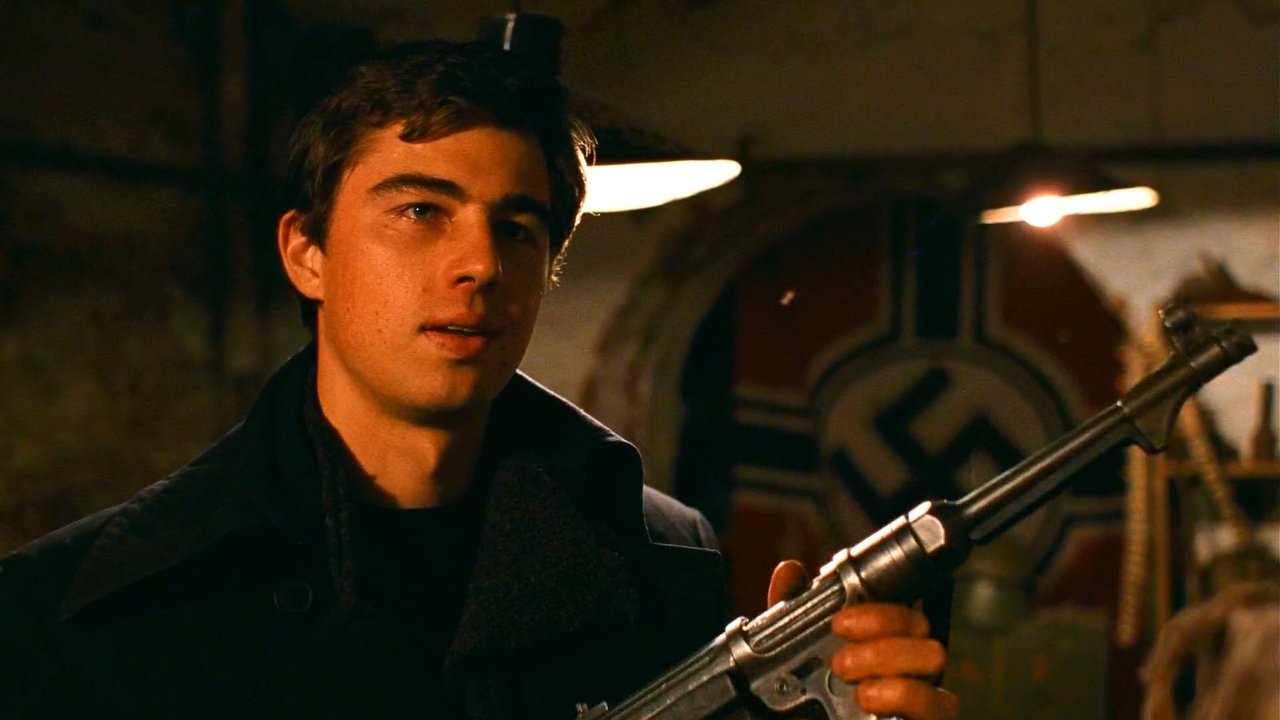
The magic, or perhaps the unsettling power, of Brother 2 lies in its blunt portrayal of this cultural clash. Danila navigates Chicago with a mix of bewilderment and deadly focus. His interactions with Americans – the friendly trucker Ben (Ray Toler), the cynical TV reporter Lisa (Lisa Jeffrey) – are tinged with an almost comical lack of comprehension on both sides. It’s this fish-out-of-water element, combined with Danila’s propensity for solving problems with homemade firearms and chillingly calm threats, that gives the film its unique, dark energy. It's easy to forget this sprawling international production was reportedly made for around $1.5 million – a testament to Balabanov's lean, effective style.
Sergei Bodrov Jr. is magnetic. His quiet charisma and the subtle flicker of buried trauma behind his eyes make Danila utterly compelling, even when his actions are brutal. He embodies a specific post-Soviet archetype: the disillusioned veteran adrift in a world that no longer makes sense, clinging to a personal code of honor. His tragic death in a glacial avalanche just two years after this film's release casts a long, poignant shadow over his performance, adding another layer to the film’s melancholic undertone. It's hard not to watch him now without feeling that sense of immense loss for Russian cinema.
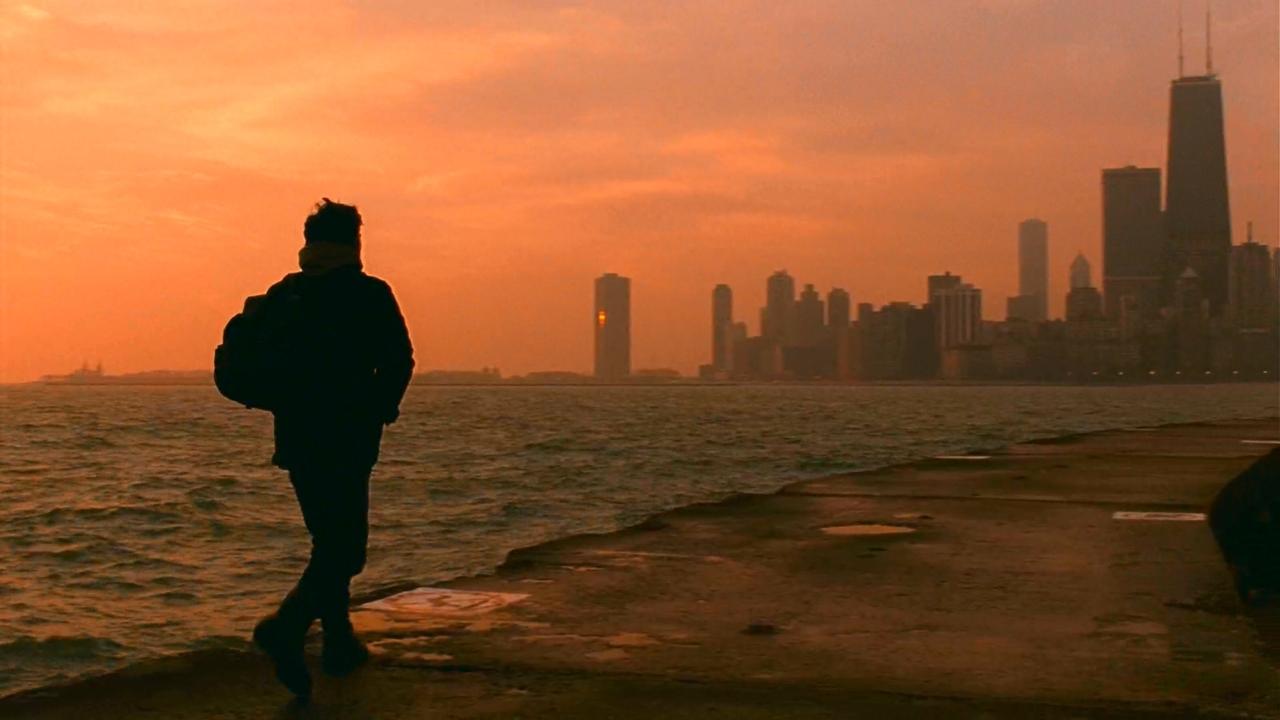
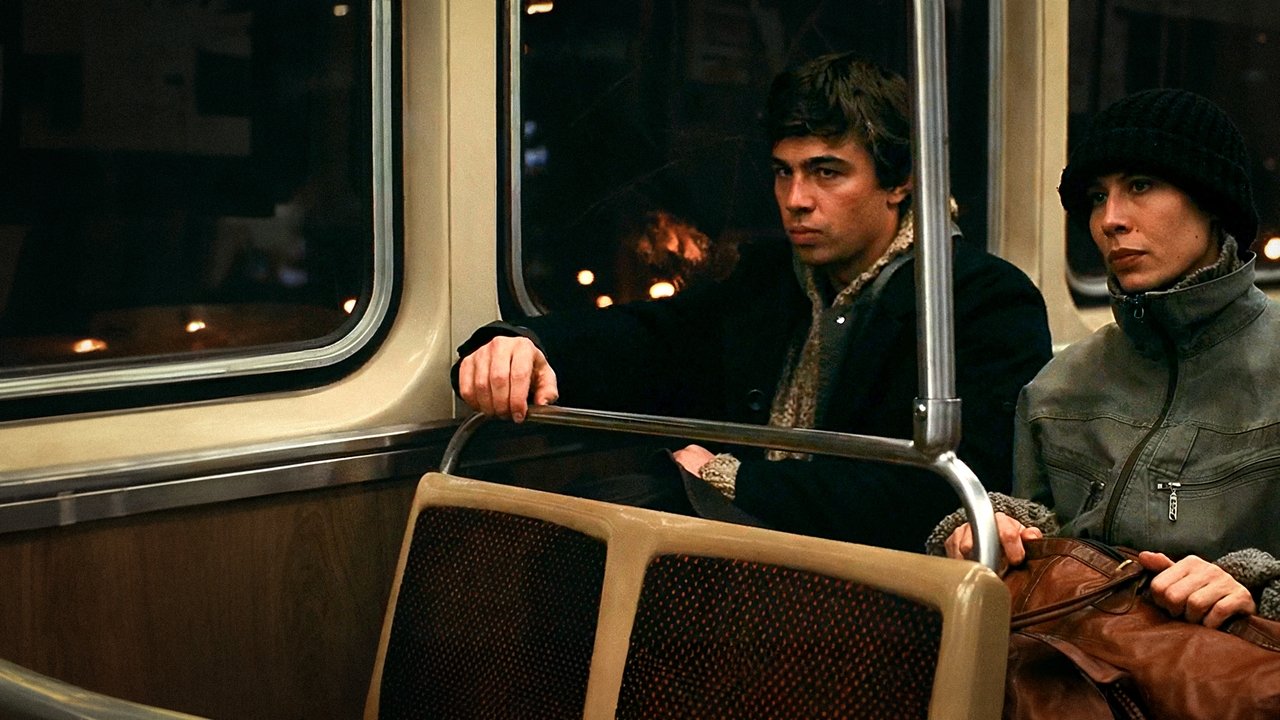
The film's depiction of Chicago itself feels authentic, captured not with Hollywood gloss but with a gritty realism. Balabanov and his crew reportedly faced numerous challenges filming in the US, dealing with permits, language barriers, and capturing the specific atmosphere they wanted on a tight budget. There's a rawness to these sequences, a sense of Russians observing America with a critical, almost alienated eye, that feels distinct.
### The Soundtrack of a Generation
You simply cannot talk about Brother 2 without mentioning its soundtrack. Featuring a who's-who of Russian rock bands like Nautilus Pompilius, Bi-2, Splin, and Zemfira, the music isn't just background noise; it's the film's pulse. The songs became anthems for a generation, perfectly capturing the mood of defiant uncertainty and simmering rebellion that defined turn-of-the-millennium Russia. I distinctly remember tracking down bootleg copies of this soundtrack; it felt vital, a raw counterpoint to the slicker sounds coming from the West. Doesn't that driving beat of Bi-2's "Polkovniku Nikto Ne Pishet" still instantly transport you back?
### Lingering Echoes
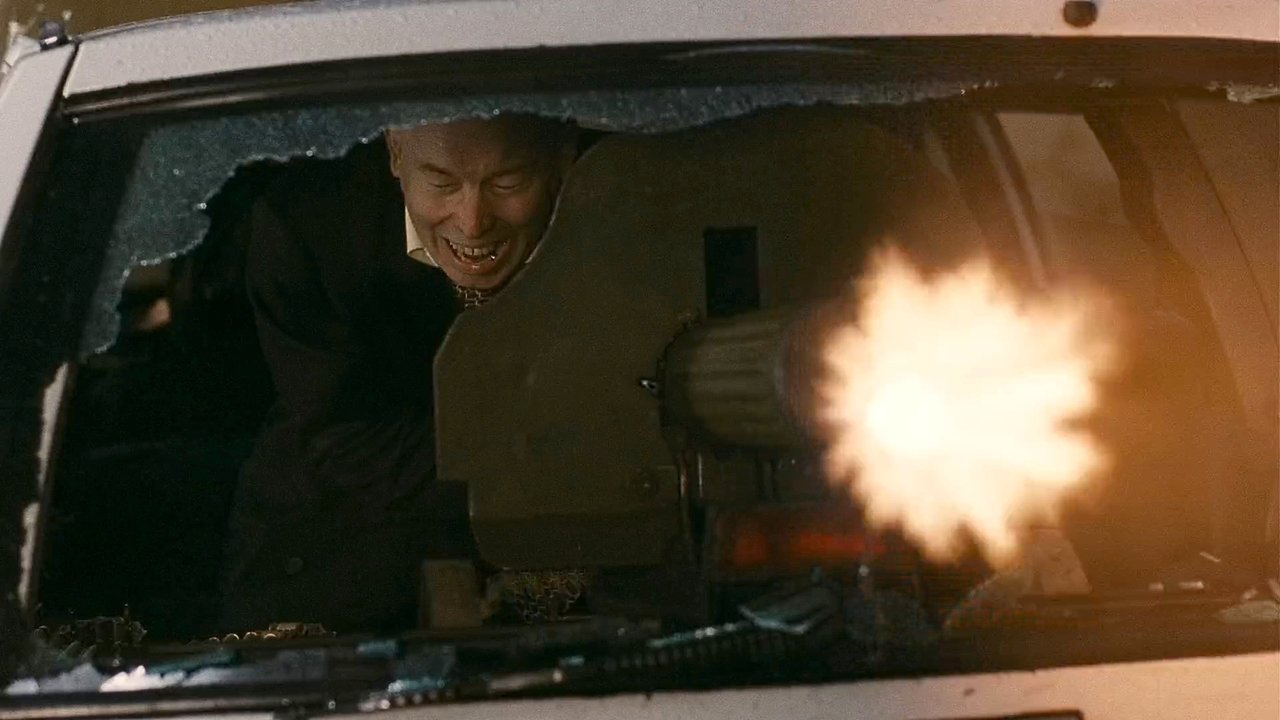
While undeniably a product of its time – its portrayal of certain groups can feel blunt or stereotypical by today's standards, and its nationalism is overt – Brother 2 remains a potent piece of filmmaking. It’s a fascinating snapshot of post-Soviet anxieties projected onto an American canvas. The action sequences are sudden and brutal, devoid of flashy choreography but impactful in their realism. The film’s power lies not just in the violence, but in the underlying tension, the cultural disconnect, and the quiet despair beneath Danila's mission. It’s a film that leaves you thinking, questioning the nature of justice, identity, and where exactly "strength" truly lies. Was Danila a hero, an anti-hero, or simply a force of nature unleashed?
Rating: 8/10
Justification: Brother 2 earns this score for its iconic lead performance by Sergei Bodrov Jr., its powerful and culturally significant soundtrack, its unflinching direction by Aleksei Balabanov, and its compelling, if controversial, exploration of post-Soviet identity and culture clash. It captures a specific, raw energy that feels both dated and timeless. While some aspects haven't aged perfectly, its impact and audacious spirit are undeniable.
Final Thought: More than just an action sequel, Brother 2 is a cultural artifact – a bleak, darkly funny, and surprisingly soulful journey into the heart of two worlds colliding, leaving bullet holes and existential questions in its wake. It’s a reminder of a specific moment in time, carried by a truly unforgettable screen presence.