Some films arrive like faded, forbidden photographs discovered in an attic, hinting at secrets best left undisturbed. Aleksei Balabanov's 1998 unsettling masterpiece, Of Freaks and Men (Pro urodov i lyudey), feels precisely like such an artifact. Landing on video shelves towards the tail end of the 90s – a time often remembered for its burgeoning CGI and slick Hollywood productions – this stark Russian drama felt like a transmission from another era entirely, both in its setting and its chillingly deliberate style. For those of us who haunted the 'World Cinema' aisles of our local video stores, seeking something beyond the mainstream, finding a tape like Of Freaks and Men was a jolt, a reminder of cinema's power to disturb and provoke.
A Tarnished Daguerreotype
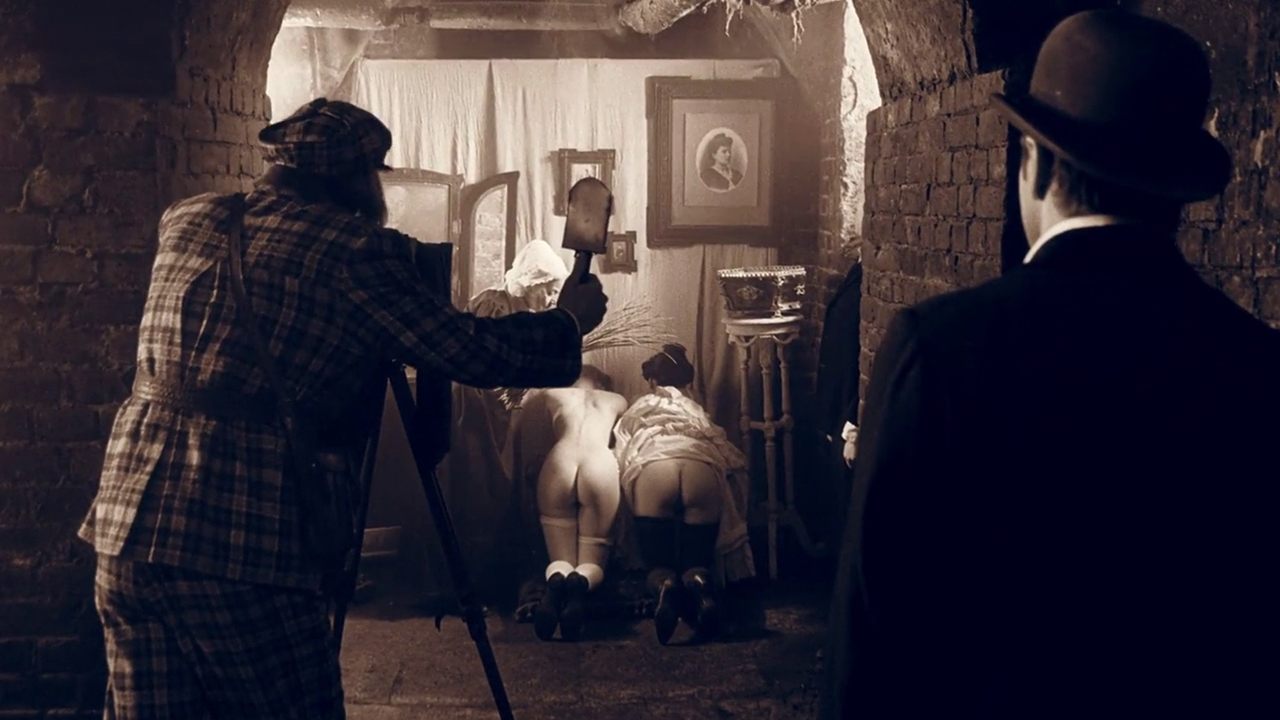
Set in St. Petersburg at the dawn of the 20th century, the film immerses us in a world teetering on the edge of modernity, where new technologies – specifically photography and the nascent art of motion pictures – arrive not as wonders, but as instruments of corruption. The story follows the insidious arrival of Johann (Sergey Makovetskiy), a photographer with a hidden, darker purpose: the creation and distribution of pornographic images. His presence acts as a catalyst, drawing two seemingly respectable families into a vortex of exploitation, humiliation, and moral collapse.
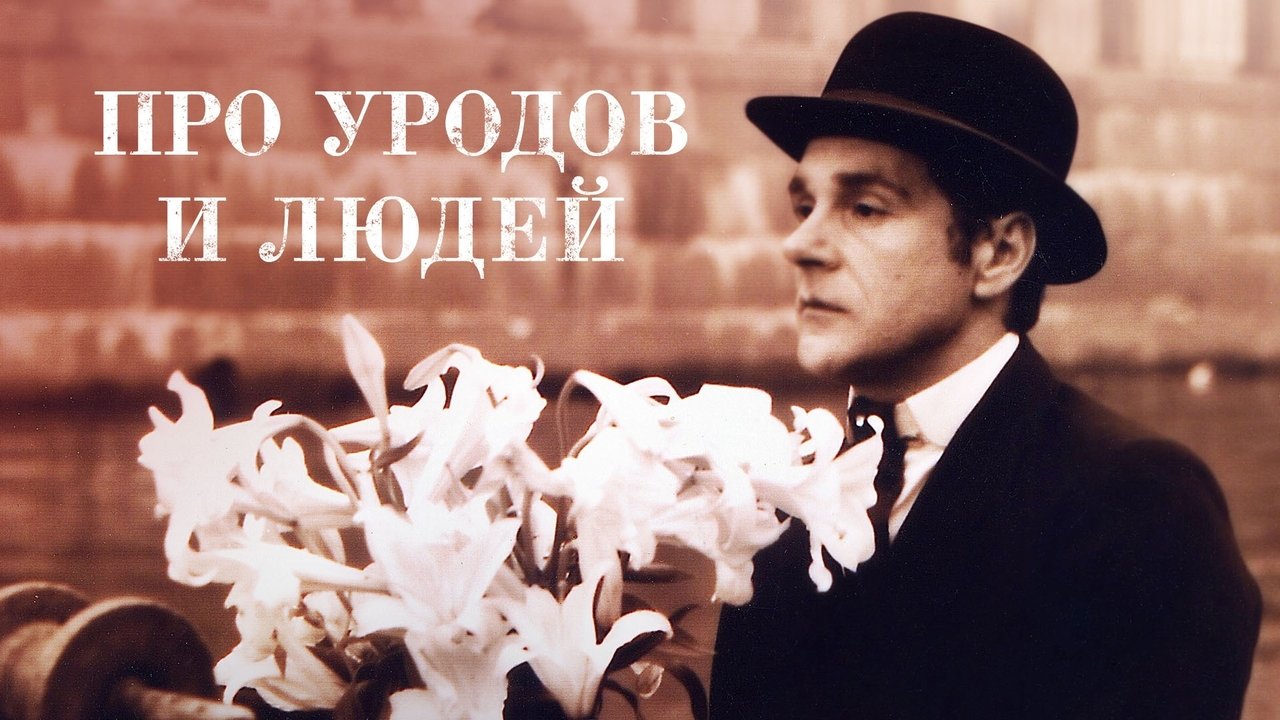
What immediately grips you is Balabanov's audacious visual choice. The entire film is rendered in sepia tones, mimicking the look of early photographs and silent films. This isn't mere stylistic affectation; it's integral to the film's thematic core. The monochromatic palette creates a suffocating, almost embalmed atmosphere, suggesting a world already drained of life and vibrancy before Johann even begins his work. It forces us, the viewers, into the role of voyeurs peering at historical artifacts, making the unfolding degradation feel both distant and disturbingly immediate. This deliberate aesthetic, requiring specific film stock and processing, was a bold move, especially coming from Balabanov, who had just achieved massive cult success in Russia with the gritty, contemporary crime film Brother (1997).
The Corruption of Innocence
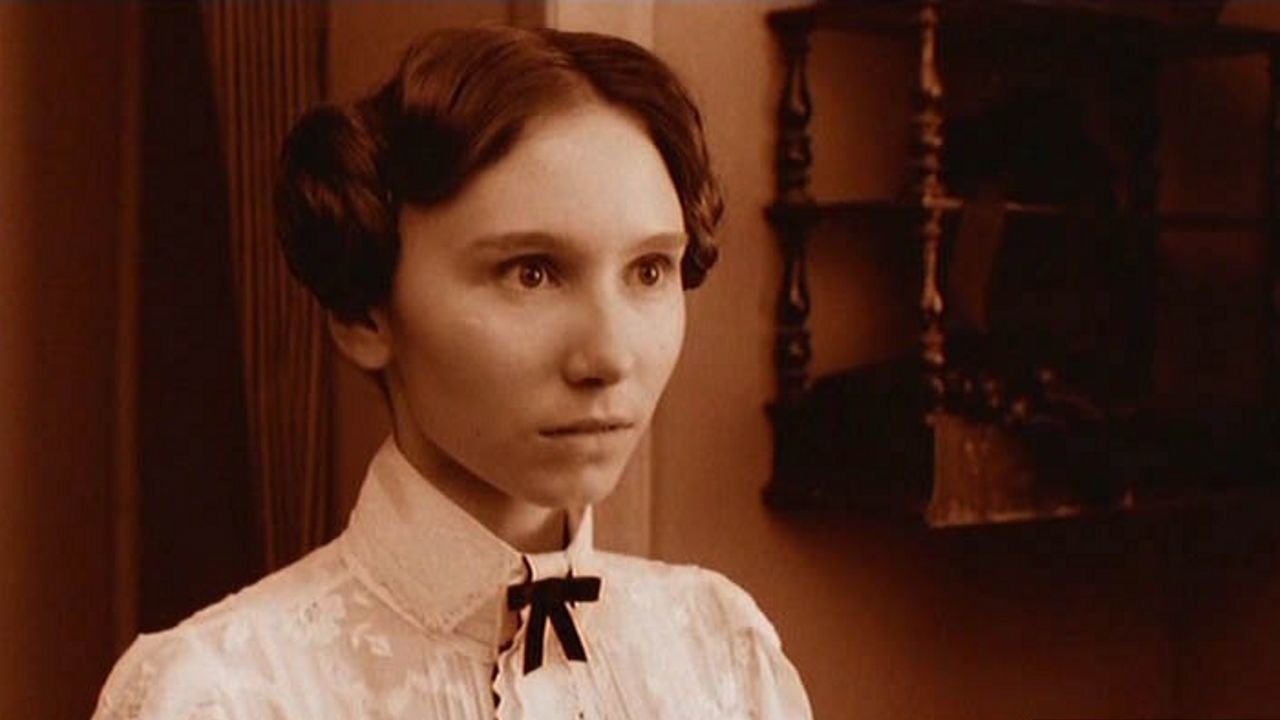
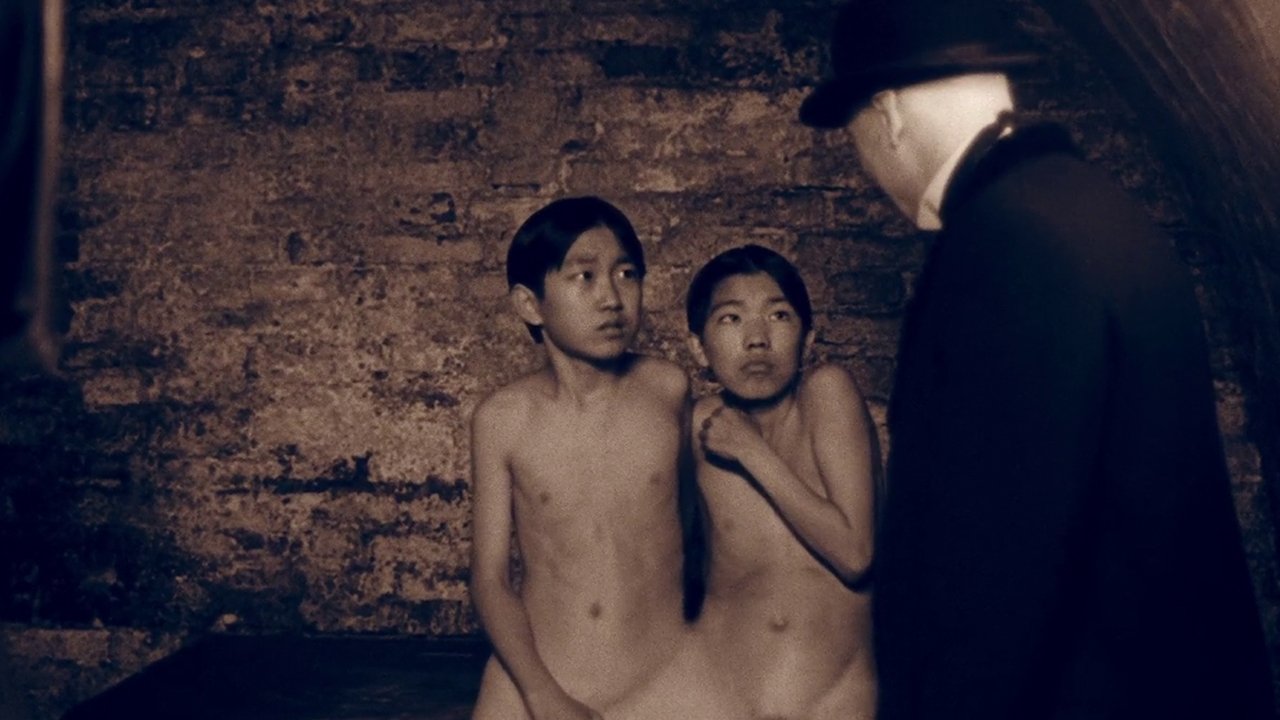
At the heart of the film are the characters caught in Johann's web. There's the engineer Radlov and his blind wife (Anzhelika Nevolina), and the doctor Stasov with his adopted Siamese twin daughters. Initially presented as figures of bourgeois stability, their lives unravel with terrifying speed. Balabanov, never one for sentimentality, presents their descent without flinching. The performances are key here; they are stark, often minimalist, yet convey profound internal turmoil. Viktor Sukhorukov, a Balabanov regular instantly recognizable from Brother, plays Viktor Ivanovitch, Johann's sinister collaborator. Sukhorukov brings a chilling blend of menace and pathetic inadequacy to the role, a man embodying the parasitic nature of the burgeoning underground enterprise.
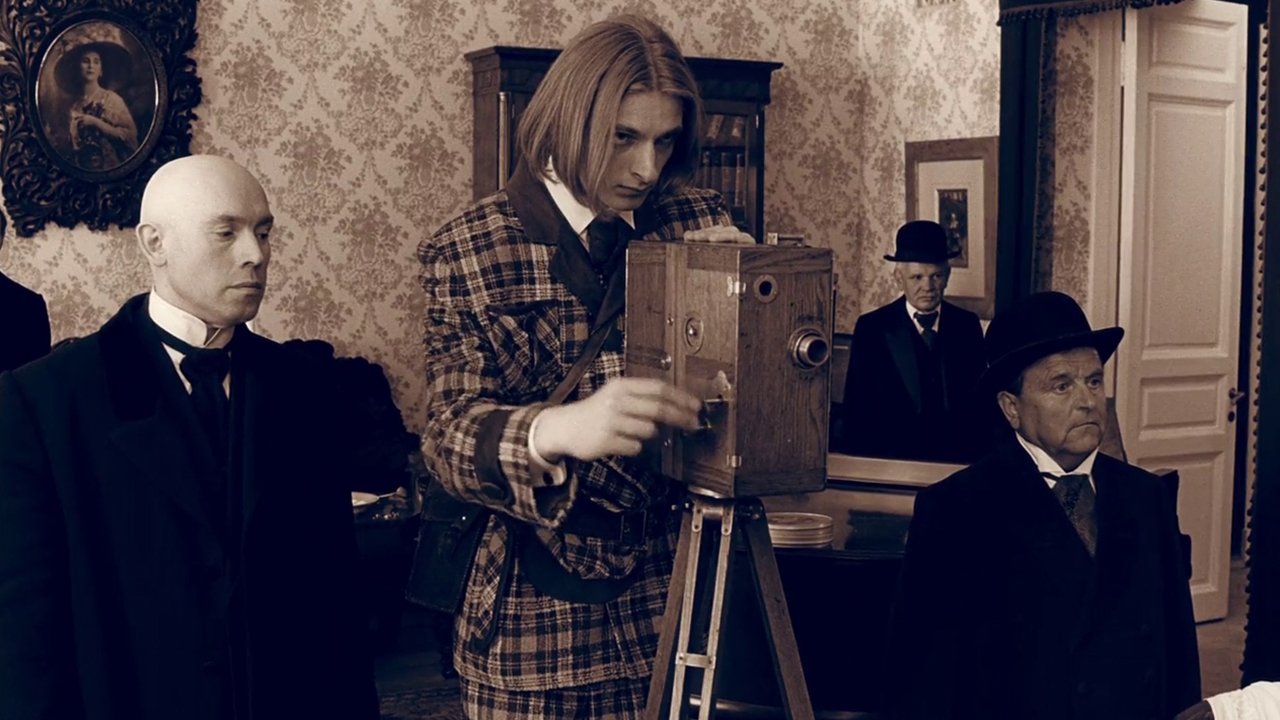
But it's Sergey Makovetskiy as Johann who truly anchors the film's unsettling power. His portrayal isn't one of mustache-twirling villainy. Instead, Johann is presented with a chilling detachment, a businessman merely fulfilling a market demand, utterly indifferent to the human cost. He embodies the soulless engine of exploitation, the camera lens becoming a weapon that strips away dignity and innocence. There's a quiet intensity to Makovetskiy's performance that makes Johann all the more terrifying – the banality of his evil.
Echoes in the Grain
Watching Of Freaks and Men today, it feels disturbingly prescient. Its exploration of voyeurism, the objectification inherent in the captured image, and the corrupting influence of technology resonates perhaps even more strongly in our hyper-documented digital age. What does it mean when the act of looking becomes intertwined with exploitation? The film offers no easy answers, only a bleak portrait of humanity's darker impulses finding new avenues through technological advancement. It forces us to confront uncomfortable questions about complicity and the lines between observation, art, and abuse.
Finding information on the production isn't always easy for Russian films of this era compared to Hollywood blockbusters, but it's known Balabanov was deliberately reacting against the perceived glossiness of much contemporary cinema. He sought a raw, almost primitive aesthetic to match the subject matter. The film courted controversy upon release but also garnered significant critical acclaim, winning the FIPRESCI Prize at Cannes that year (though it screened out of competition) and multiple Nika Awards (the main Russian film prize). It wasn't a box office smash, naturally, but it cemented Balabanov's reputation as one of Russia's most uncompromising and distinctive cinematic voices. For Western audiences discovering it on VHS or perhaps at a festival screening, it was a stark introduction to a different kind of filmmaking – challenging, visually arresting, and deeply unsettling.
Lingering Shadows
Of Freaks and Men is not an easy watch. It’s provocative, often unpleasant, and lingers long after the credits roll. There’s no catharsis, no redemption offered. It’s a film that stares unflinchingly into an abyss of human weakness and the destructive potential lurking behind the veneer of progress. It doesn't offer the warm nostalgia of many 80s and 90s favourites, but rather the chilling memory of discovering something truly potent and disturbing tucked away on a video store shelf – a film that demanded attention and refused to be easily forgotten. It’s a testament to the power of independent, visionary filmmaking from an era where such discoveries felt like uncovering buried truths.
Rating: 8/10
This score reflects the film's undeniable artistic merit, its powerful thematic resonance, and its unforgettable, unique visual style. It's a challenging, often difficult film, which prevents a higher score for general 'enjoyment', but its craft, performances (Makovetskiy and Sukhorukov are particularly strong), and Balabanov's uncompromising vision make it a significant, if deeply unsettling, piece of late 90s cinema. It’s a potent reminder that not all trips back to the VHS era involve feel-good memories; some unearth artifacts that still hold the power to deeply disturb.
Final Thought: A haunting exploration of voyeurism and exploitation, rendered in the faded, toxic beauty of a corrupted photograph – a truly unforgettable find from the deeper shelves of the video store.