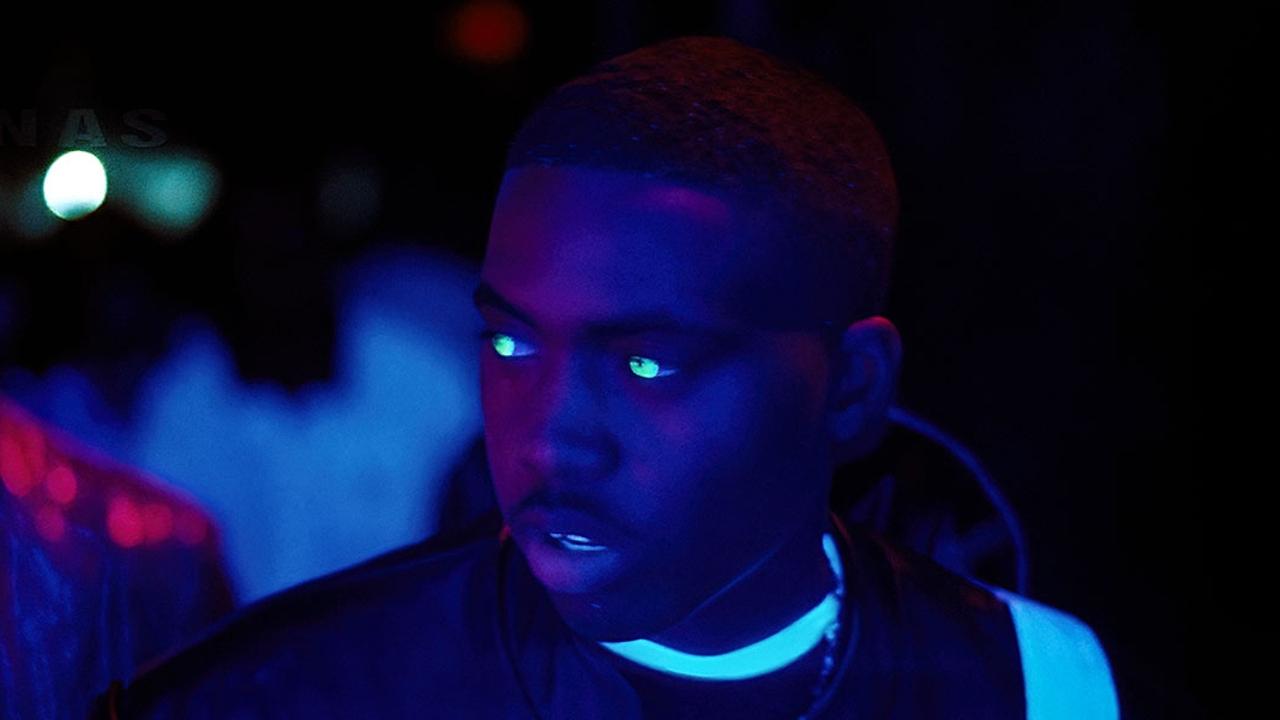
The glow hits different in near-total darkness, doesn't it? That pulsing, otherworldly blue light bathing everything in the opening moments of Belly – it wasn't just visuals, it felt like a statement. Launching in 1998, this wasn't your standard crime flick; it was an immersion, a plunge into a hyper-stylized abyss of ambition, violence, and existential searching, all set to the thumping heartbeat of late 90s hip-hop. Directed by the visionary music video maestro Hype Williams, making his feature debut, Belly arrived less like a movie and more like a transmission from a neon-drenched, morally ambiguous near-future.
A Symphony of Style and Shadow
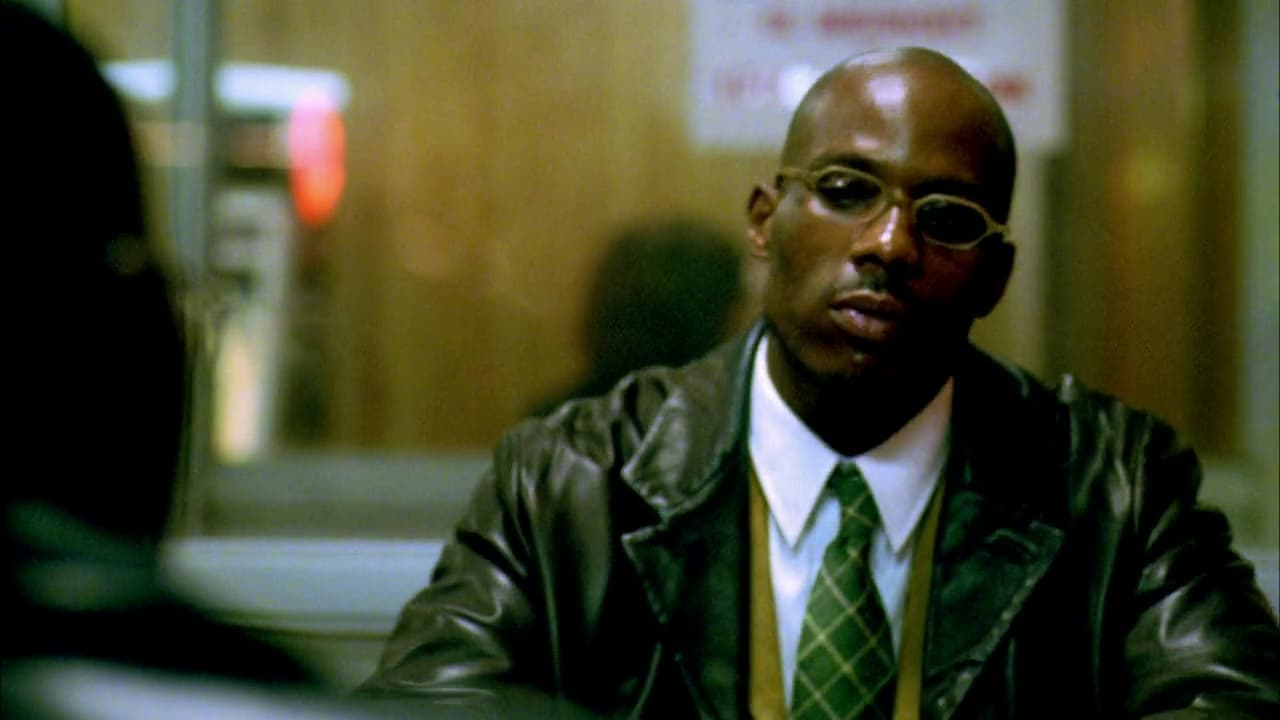
Forget subtle realism. Williams, already a legend for crafting iconic visuals for artists like Busta Rhymes, Missy Elliott, and Tupac Shakur, brought his entire arsenal to bear on Belly. The film feels like one of his videos expanded to ninety minutes, drenched in deep blacks, saturated primary colors (especially that unforgettable blue), and punctuated by slow-motion sequences that transform brutal acts into grimly beautiful tableaus. The opening robbery scene, scored only by the ethereal a capella of Soul II Soul's "Back to Life," is pure sensory overload – disorienting, terrifying, and utterly captivating. It immediately sets a tone of detached cool amidst lethal chaos, a vibe that permeates the entire film. Cinematographer Malik Hassan Sayeed (Clockers) paints with light and shadow, creating frames that often feel more like high-art photography than conventional narrative filmmaking. It’s a look that was polarizing then and remains intensely striking now.
Dreams and Nightmares on Chrome
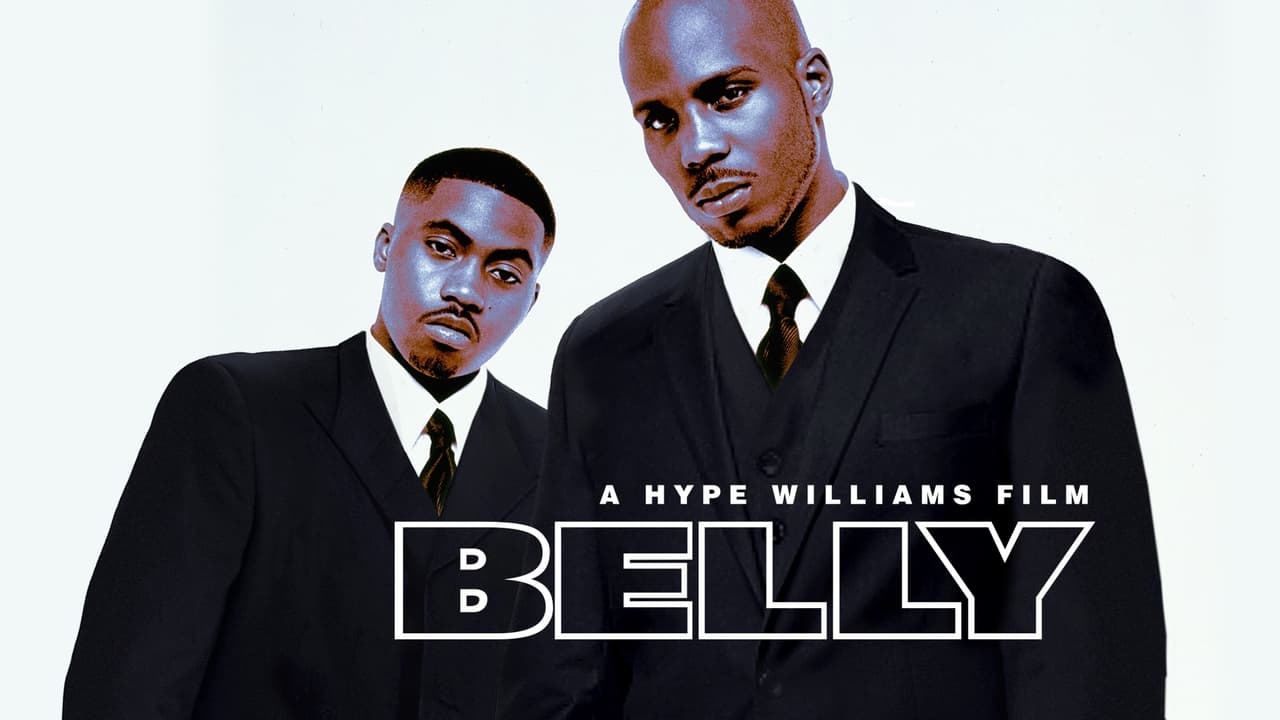
At its core, Belly follows the diverging paths of two childhood friends, Tommy "Bundy" Brown (played by Earl Simmons, better known as the raw, electrifying rapper DMX) and Sincere (played by Nasir Jones, aka the lyrical phenom Nas). Tommy is pure id – impulsive, violent, chasing the immediate high of money, power, and bloodshed as he climbs the ladder of organized crime, moving from New York robberies to dealing heroin in Omaha. Sincere, as his name suggests, is more contemplative. He’s involved in the life, but wrestling with its consequences, yearning for a way out, perhaps finding solace in religion and a potential escape to Africa with his girlfriend Tionne (Taral Hicks) and their child.
Their dynamic forms the film's troubled soul. DMX, in his first major film role, brings an astonishing, almost frightening intensity to Tommy. It barely feels like acting; it’s pure, uncut Ruff Ryders energy channeled into a character consumed by his own destructive urges. Nas, also making his acting debut and credited as a co-writer alongside Williams and Anthony Bodden, offers a quieter counterpoint. While perhaps less naturally explosive on screen than DMX, his thoughtful presence grounds Sincere's internal conflict, making his quest for meaning feel genuine amidst the surrounding carnage. Watching these two titans of hip-hop share the screen, embodying these opposing forces, was a major event in itself back in '98.
Making a Statement, Dodging Bullets

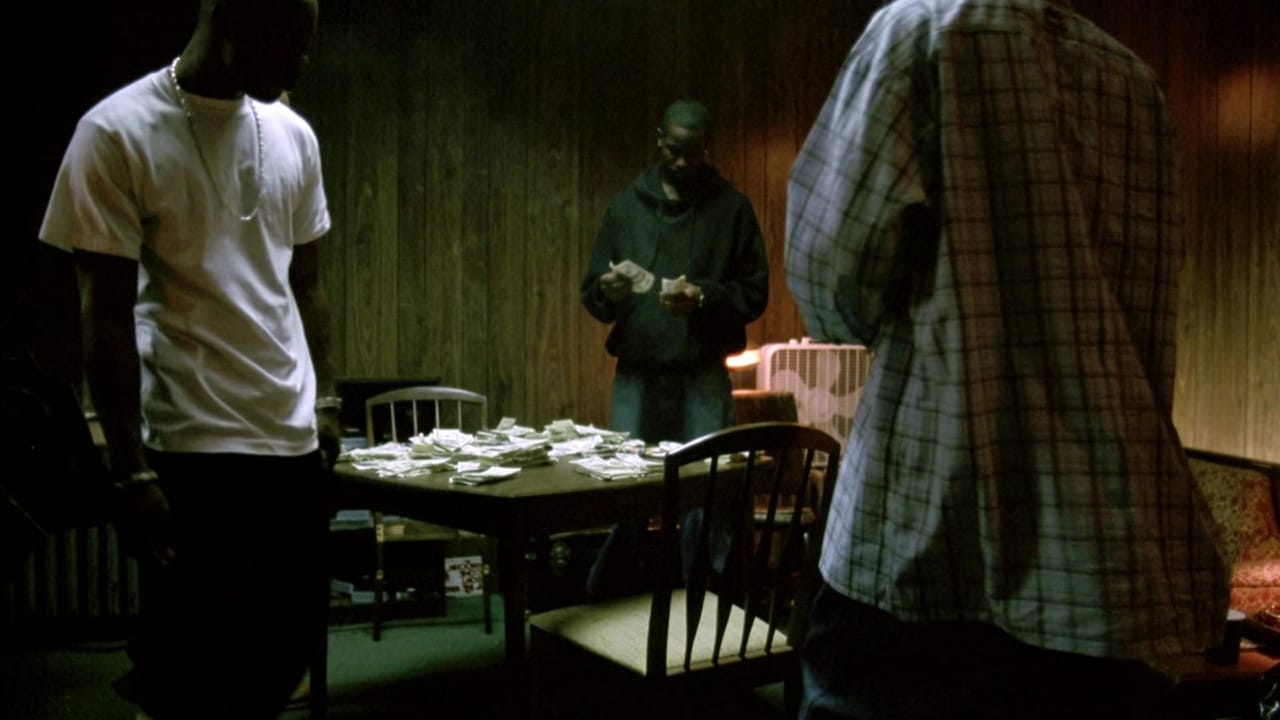
Bringing Belly to life wasn't straightforward. Produced on a relatively lean $3 million budget (around $5.6 million today), Williams stretched every dollar to achieve his distinct aesthetic. Rumors circulated about the challenges of filming with two massive rap stars at the peak of their fame, but their raw energy undeniably fueled the project. Nas's involvement in the script supposedly helped shape Sincere's more philosophical leanings, adding layers often missing in the genre. The film didn't shy away from controversy either, facing criticism for its stylistic glorification of violence and crime, even as it attempted a narrative arc towards redemption for Sincere. It initially received a fairly muted critical reception and a modest box office return ($9.6 million, about $17.9 million today), but its cultural impact far outstripped those numbers.
The soundtrack, naturally, was integral – a pulsating blend of hip-hop and dancehall that felt less like background music and more like the film's nervous system. Tracks from D'Angelo, Jay-Z, Ja Rule, and of course, DMX and Nas themselves, didn't just accompany the scenes; they were the scenes, amplifying the mood and anchoring the film firmly in its era. Remember popping that cassette or CD in after watching? It extended the experience, the sound echoing the film's dark allure.
Cult Status Cemented in Blue Light
Watching Belly today is a fascinating experience. Its plot might meander, and its philosophical musings can sometimes feel heavy-handed against the hyper-violence. Yet, its sheer audacity commands respect. Williams' uncompromising visual style, while perhaps overwhelming for some, created something unique and influential, paving the way for other visually driven urban dramas. Its depiction of late-90s materialism, spiritual searching, and the seductive danger of the streets feels like a specific, potent time capsule. Does that opening sequence still send a shiver down your spine with its stark, detached cool?
It’s a film that didn't just capture the zeitgeist; it helped define it for a generation steeped in the visuals and sounds of hip-hop culture. It wasn't trying to be Goodfellas; it was trying to be Belly, flaws and all. It remains a testament to Hype Williams' singular vision and the raw power of its lead stars.
VHS Heaven Rating: 7/10
Rating Justification: Belly earns a strong 7 for its groundbreaking visual style, unforgettable atmosphere, and its raw, powerful performances from DMX and Nas. Its cultural significance as a time capsule of late 90s hip-hop and its enduring cult status are undeniable. Points are deducted for narrative unevenness and a script that sometimes struggles to match the ambition of its visuals. However, its boldness and influence make it essential viewing from the era.
Final Thought: More than just a crime film, Belly is a mood, an aesthetic, a fever dream captured on celluloid. Its influence still flickers in the landscape of music videos and film, a testament to the power of a singular, uncompromising vision, even one bathed in the most haunting shades of blue.