There's a particular kind of quiet that settles over The Ice Storm (1997), a stillness that feels heavier than snowfall, colder than the freezing rain that coats its world in a brittle, temporary beauty. It’s the quiet of unspoken resentments, of desires simmering beneath a placid suburban surface, of families adrift in the specific cultural fog of Thanksgiving weekend, 1973. Watching it again, decades removed from its release, that chill remains remarkably potent, a testament to a film that dares to observe without blinking.
An Architecture of Malaise
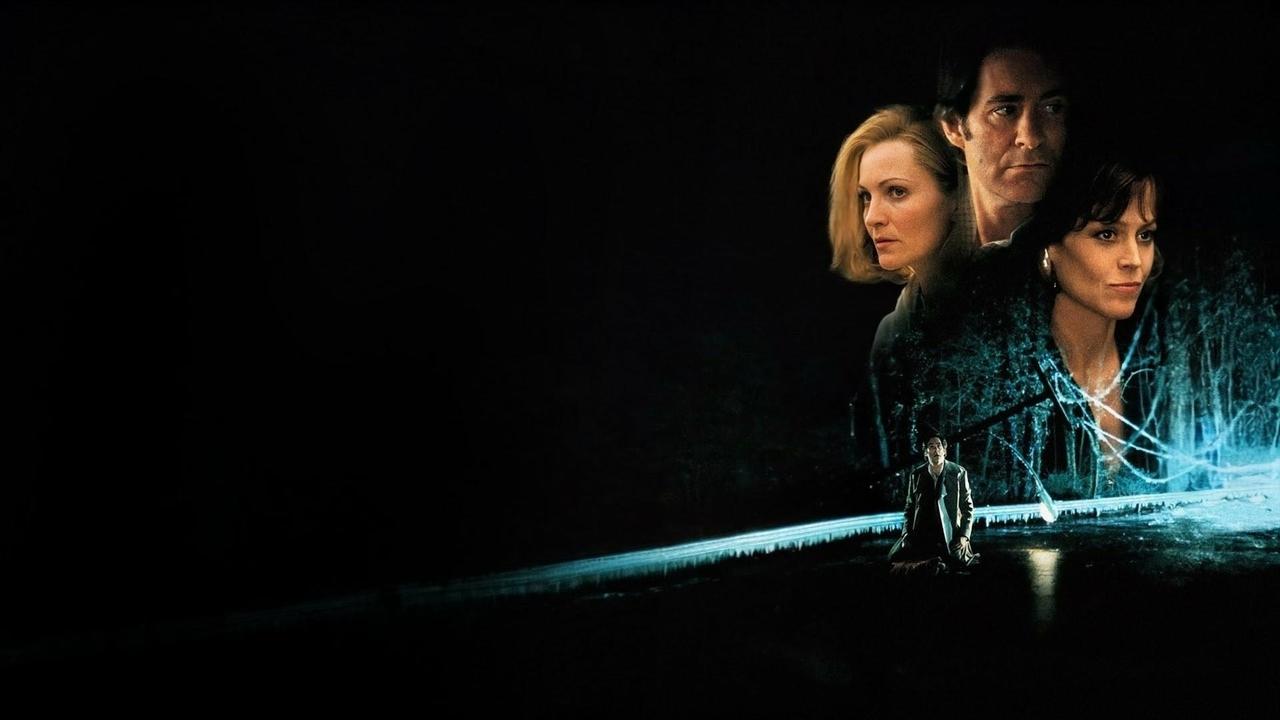
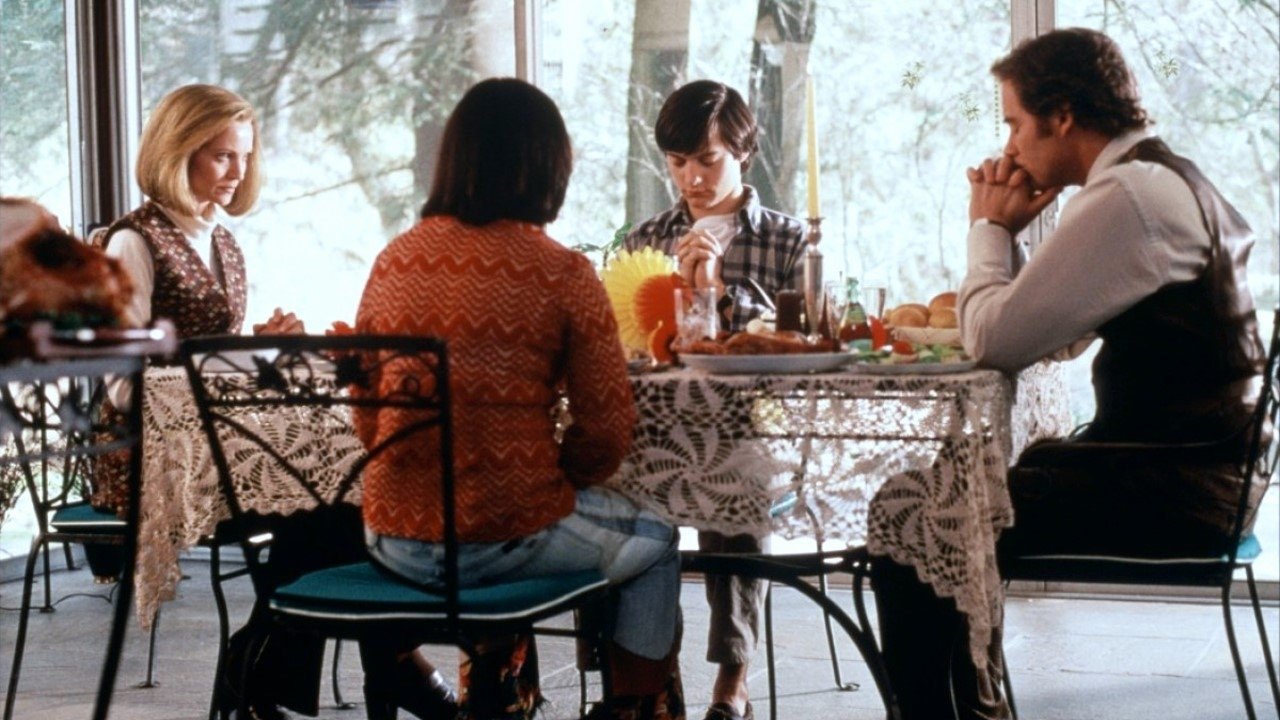
Set in the affluent enclave of New Canaan, Connecticut, the film, adapted by James Schamus from Rick Moody's novel, doesn't offer easy answers or comfortable resolutions. It immerses us in the lives of two neighboring families, the Hoods and the Carvers, as they navigate the tail end of the sexual revolution and the lingering disillusionment of the Watergate era. Director Ang Lee, fresh off the very different landscape of Sense and Sensibility (1995), crafts an atmosphere thick with unspoken tension. His directorial hand is patient, almost observational, allowing the characters' small gestures and clipped conversations to reveal volumes. It’s a film built on nuances – the way a character avoids eye contact, the forced cheerfulness at a dinner party, the long, uncomfortable silences. Frederick Elmes' cinematography mirrors this, capturing the period details – the wood-paneled station wagons, the era-specific décor – with a detached clarity that makes the environment feel both authentic and strangely alienating, like a diorama of dysfunction.
Fractured Lives, Flawless Portrayals
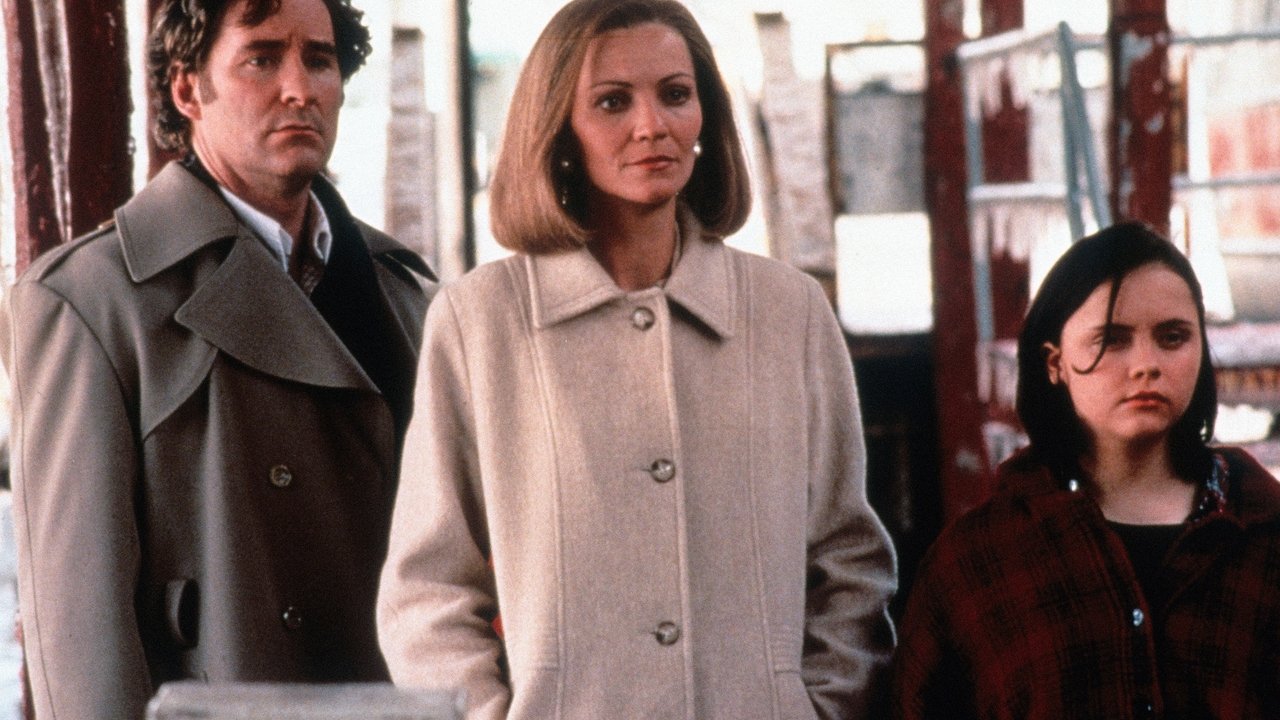
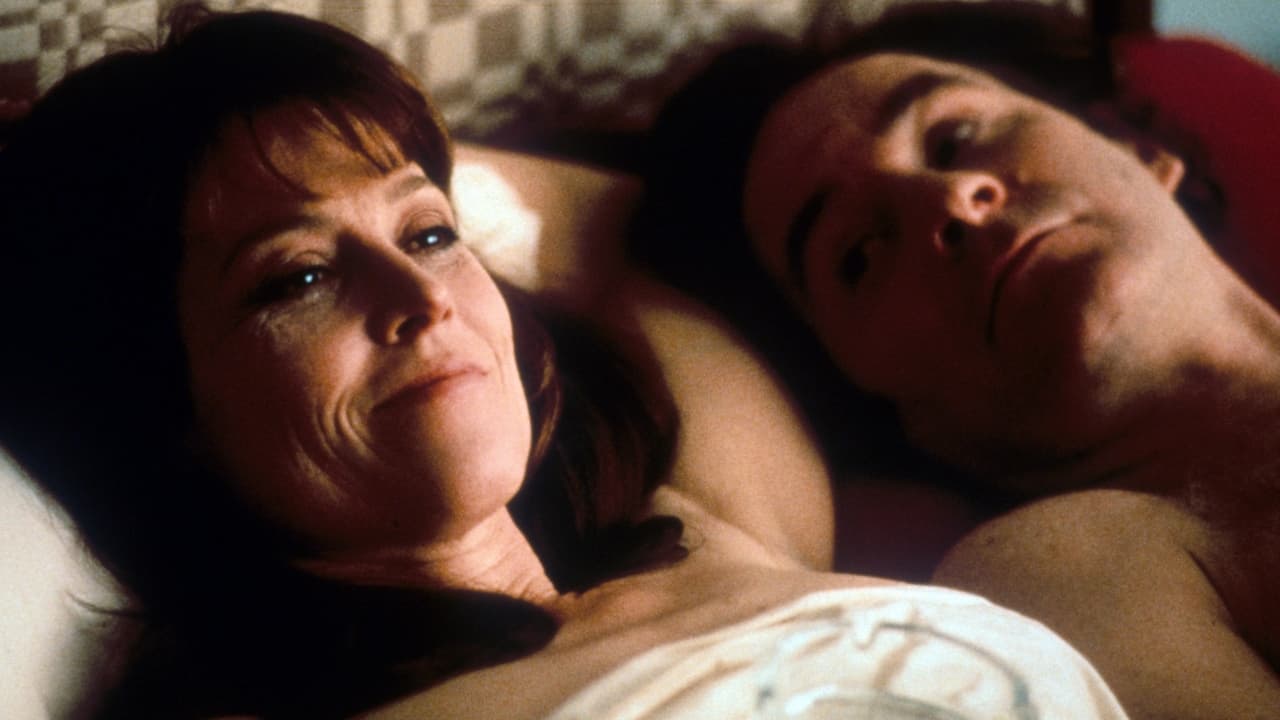
The brilliance of The Ice Storm rests significantly on its ensemble cast, delivering performances steeped in authenticity. Kevin Kline, often known for his more buoyant comedic roles, is heartbreakingly adrift as Ben Hood, the patriarch fumbling through an affair with his neighbor Janey Carver, played with a brittle, almost predatory sharpness by Sigourney Weaver (Alien, Ghostbusters). Weaver’s Janey isn’t just a bored housewife; there’s a core of dissatisfaction in her that feels genuinely dangerous. Opposite Kline, Joan Allen as Elena Hood is simply staggering. Her portrayal of quiet desperation, of a woman slowly realizing the hollowness of her life, is a masterclass in contained emotion. A scene where she shoplifts, almost daring herself to feel something, is unforgettable.
And then there are the kids, navigating their own confusing paths through adolescence against the backdrop of their parents' failures. It's fascinating now, seeing Tobey Maguire (Paul Hood) and Christina Ricci (Wendy Hood) alongside Elijah Wood (Mikey Carver) and a young Katie Holmes (Libbets Casey). Their performances feel raw and unvarnished, capturing the awkward fumbling of teenage sexuality and the inherited sense of unease. Lee reportedly sought out these relatively unknown young actors specifically to enhance the film's realism, a choice that paid off immensely. They aren’t just plot devices; they are the inheritors of the storm brewing in their parents' lives.
Behind the Glossy Sheen
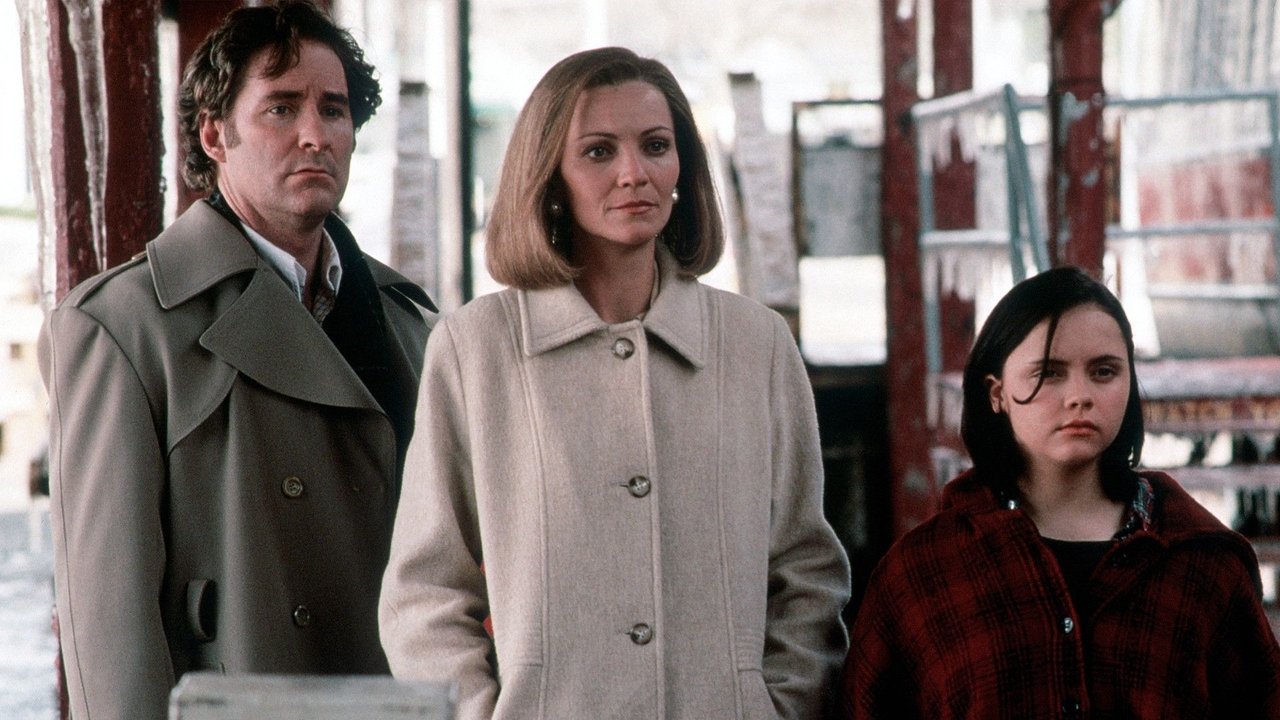
Bringing this meticulously crafted world to life wasn't without its challenges. Schamus’s script, which deservedly won Best Screenplay at the Cannes Film Festival, expertly translated the novel's internal anxieties to the screen. Lee was drawn to Kline for the role of Ben, seeking that inherent "likable vulnerability" Kline possesses, making Ben's moral failings feel tragic rather than purely villainous. The film's most striking visual element, the titular ice storm, required a blend of luck and ingenuity. The production benefitted from a timely real blizzard during filming in Connecticut, but much of the pervasive ice coating everything was achieved through practical effects – a painstaking process involving sprayed-on fire-retardant gels and artificial snow, lending a tangible, almost suffocating beauty to the landscape. Mychael Danna's haunting, gamelan-inspired score further enhances this, creating an atmosphere that’s both ethereal and deeply unsettling, a world away from the typical Hollywood soundtrack. Despite critical acclaim, The Ice Storm had a modest run at the box office, pulling in around $8 million domestically against its $18 million budget (roughly $15 million against $34 million in today's dollars). Yet, like so many challenging, thoughtful films of the era, it found its true audience on home video – I distinctly remember renting this on VHS, the film's quiet intensity feeling even more pronounced in the confines of a living room, far from multiplex bombast. It became a cult classic, admired for its unflinching honesty.
The Lingering Chill
The Ice Storm isn't an easy watch. It offers no catharsis in the traditional sense. The infamous "key party" sequence remains one of the most excruciatingly awkward and telling depictions of forced liberation ever put on film. The tragedy that unfolds feels both shocking and inevitable, a direct consequence of the emotional carelessness that permeates the characters' lives. The ice storm itself becomes a powerful, if obvious, metaphor – freezing everything in place, revealing the fragility beneath the surface, and ultimately leading to a shattering moment of consequence.
What stays with you long after the credits roll? It’s the profound sense of disconnection, the quiet hum of lives lived in parallel rather than together. Does the film serve as a time capsule of 70s malaise, or does its exploration of suburban ennui, marital dissatisfaction, and the painful transition from adolescence to adulthood still hold a mirror up to contemporary life? Perhaps its enduring power lies in its refusal to judge, choosing instead to present these flawed, searching characters with a chilling, compassionate clarity.
Rating: 9/10
This score reflects the film's exceptional craftsmanship, the uniformly brilliant performances, Ang Lee's masterful direction, and its courageous exploration of uncomfortable truths. It’s a near-perfect execution of a challenging vision, lacking a full 10 perhaps only because its deliberate chill and downbeat nature make it a film to be respected and admired more than frequently revisited for sheer pleasure.
The Ice Storm remains a potent piece of 90s independent cinema, a haunting reminder that sometimes the most devastating storms are the ones that rage quietly within us, under a deceptively beautiful, frozen surface.