It often starts with the rain. A relentless, soul-soaking dampness that seeps into the very bricks and mortar of 1930s Limerick, and just as surely, into the lives of the McCourt family. Watching Alan Parker’s 1999 adaptation of Angela's Ashes, you feel that chill deep in your bones, a physical manifestation of the poverty and struggle that define young Frank McCourt’s childhood. It's a film that arrived just as the millennium turned, a stark, beautifully rendered counterpoint to the glossier escapism often found on video store shelves back then, demanding a different kind of attention, a deeper kind of reflection.
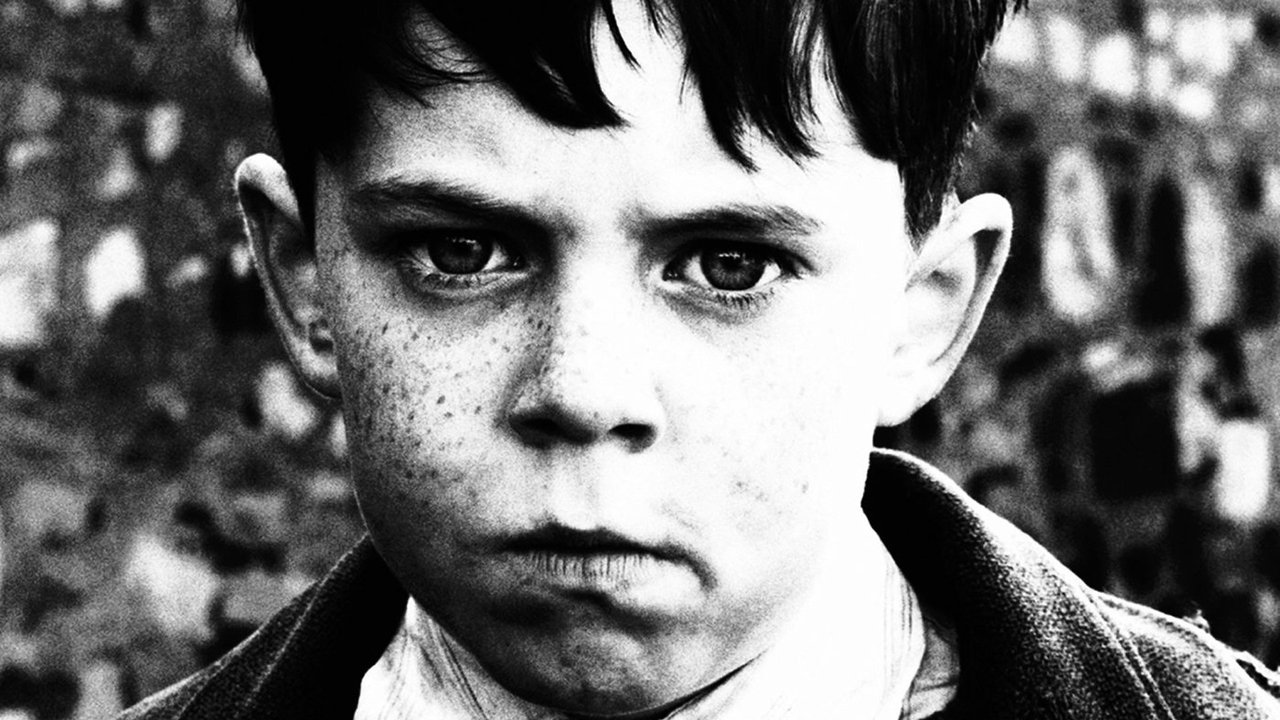
Adapting a Phenomenon
Bringing Frank McCourt’s Pulitzer Prize-winning memoir to the screen was never going to be easy. The book itself was a publishing sensation, a raw, often surprisingly funny account of surviving extreme hardship, told through the wide, observant eyes of a child. Alan Parker, a director never shy of confronting difficult subjects (think Midnight Express or Mississippi Burning), faced the immense challenge of translating McCourt's distinctive narrative voice – that blend of innocence, resilience, and burgeoning awareness – into a visual medium. He teamed with co-writer Laura Jones to condense McCourt's sprawling, episodic life story into a coherent cinematic arc. While some critics at the time felt the film couldn't fully capture the book's specific, often lyrical, tone, what Parker achieves is a powerful, unflinching immersion into a world rarely depicted with such grit and visual poetry on screen.
Under Perpetual Grey Skies
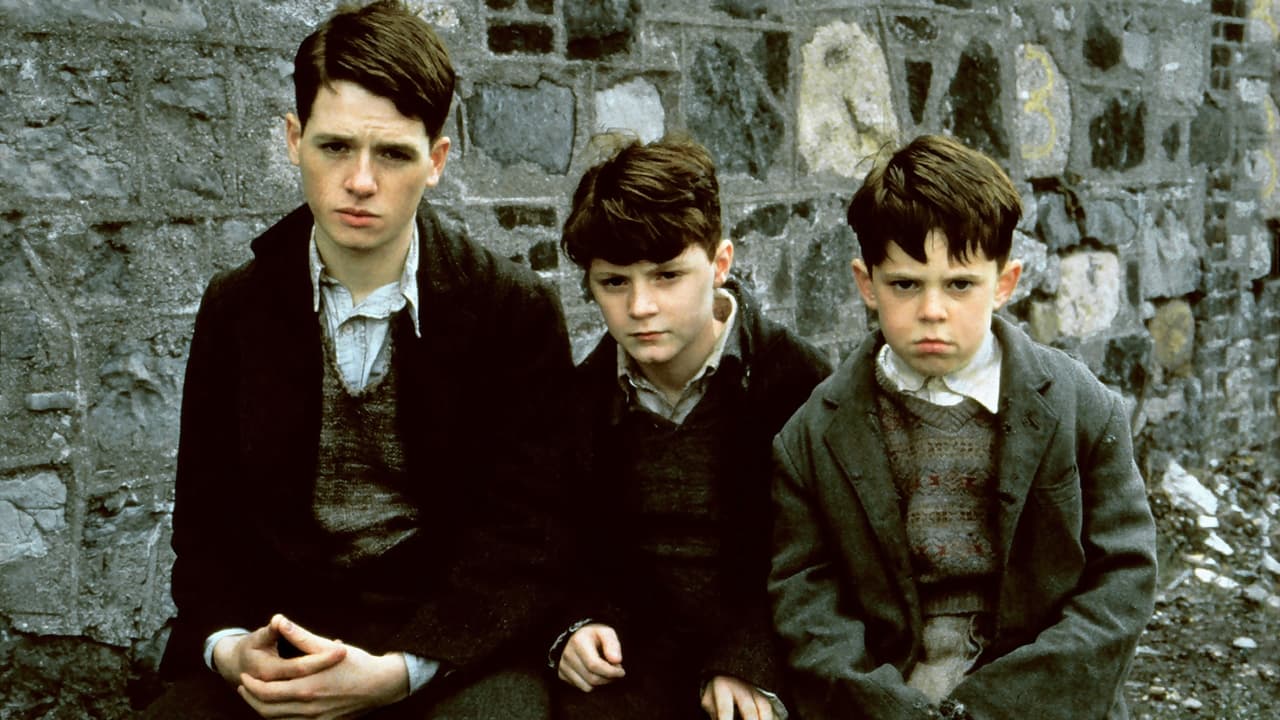
The film's greatest strength might be its palpable atmosphere. Cinematographer Michael Seresin paints Limerick in hues of grey, brown, and weary green, the perpetual rain (sometimes natural, sometimes courtesy of the effects team battling the Irish weather) reflecting the seemingly inescapable circumstances. The production design meticulously recreates the era's deprivation – the cramped, shared rooms, the overflowing outdoor privy, the 'Italy' upstairs versus the 'Ireland' downstairs in their sodden home. Parker famously auditioned thousands of boys to find his young Franks (played at different ages by Joe Breen, Ciaran Owens, and Michael Legge), seeking an authenticity that anchors the narrative. Filming on location in Ireland, including Limerick itself, adds a layer of veracity that studio sets could never replicate. It reportedly cost a hefty $50 million to bring this world to life – a testament to the commitment to authenticity, even if the film didn't achieve massive box office success ($13 million domestic suggests it found its audience more slowly, perhaps on home video).
Faces Weathering the Storm
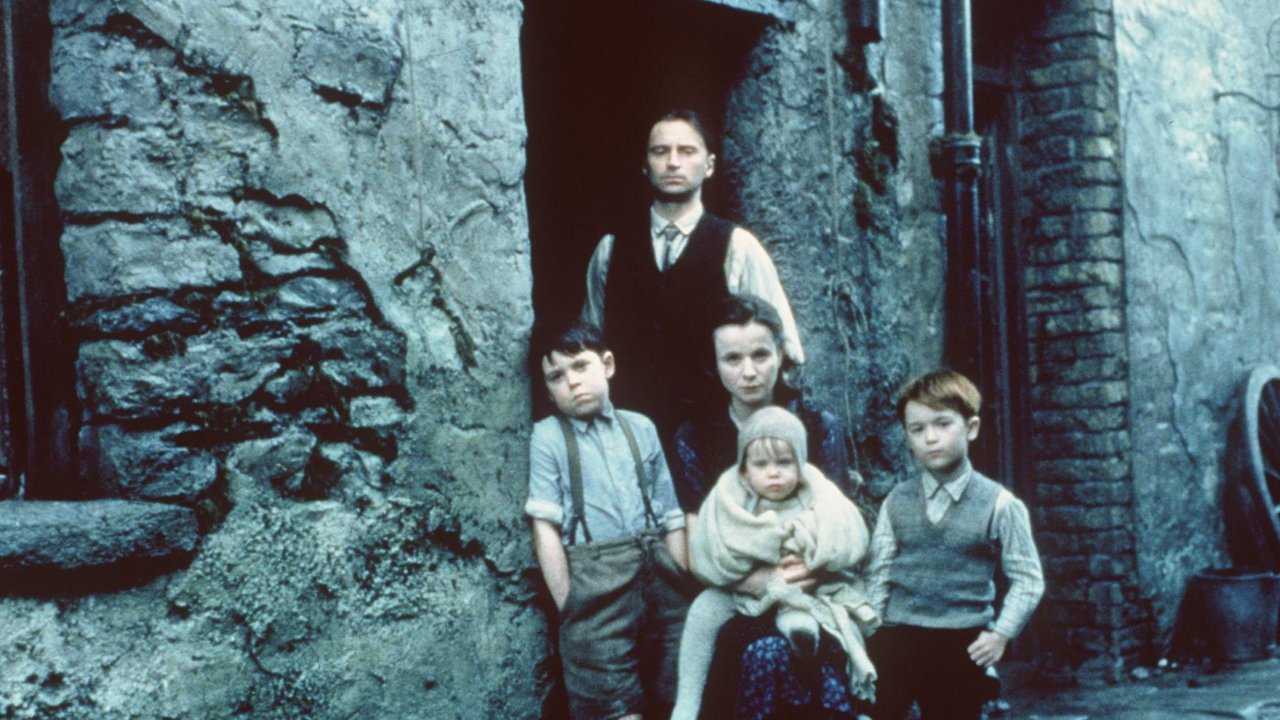
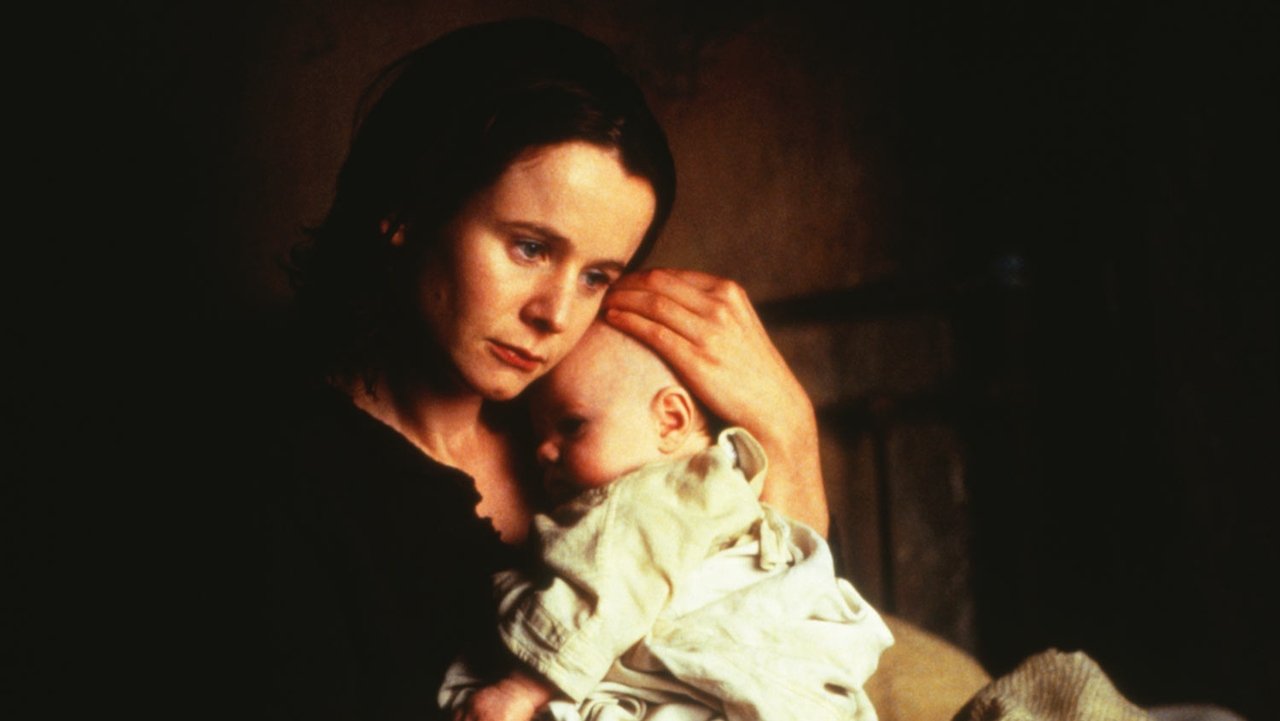
Amidst the bleakness, the performances shine with fierce humanity. Emily Watson, as the titular Angela, is simply heartbreaking. She embodies the weary endurance of a mother fighting a losing battle against poverty, illness, and her husband's alcoholism, her face a canvas of quiet desperation and fleeting warmth. Watson carries Angela’s burdens not with histrionics, but with a profound, internalised weight that feels devastatingly real. Opposite her, Robert Carlyle tackles the complex role of Malachy Sr. He avoids caricature, presenting a man tragically flawed – charming and full of stories when sober, but utterly unreliable, his drinking perpetually sinking the family deeper into misery. Carlyle allows glimpses of the love Malachy has for his children, making his failures all the more painful. And the young actors portraying Frank navigate the journey from childhood innocence to adolescent yearning with remarkable poise, carrying the film's emotional core on their small shoulders.
Finding Light in the Cracks
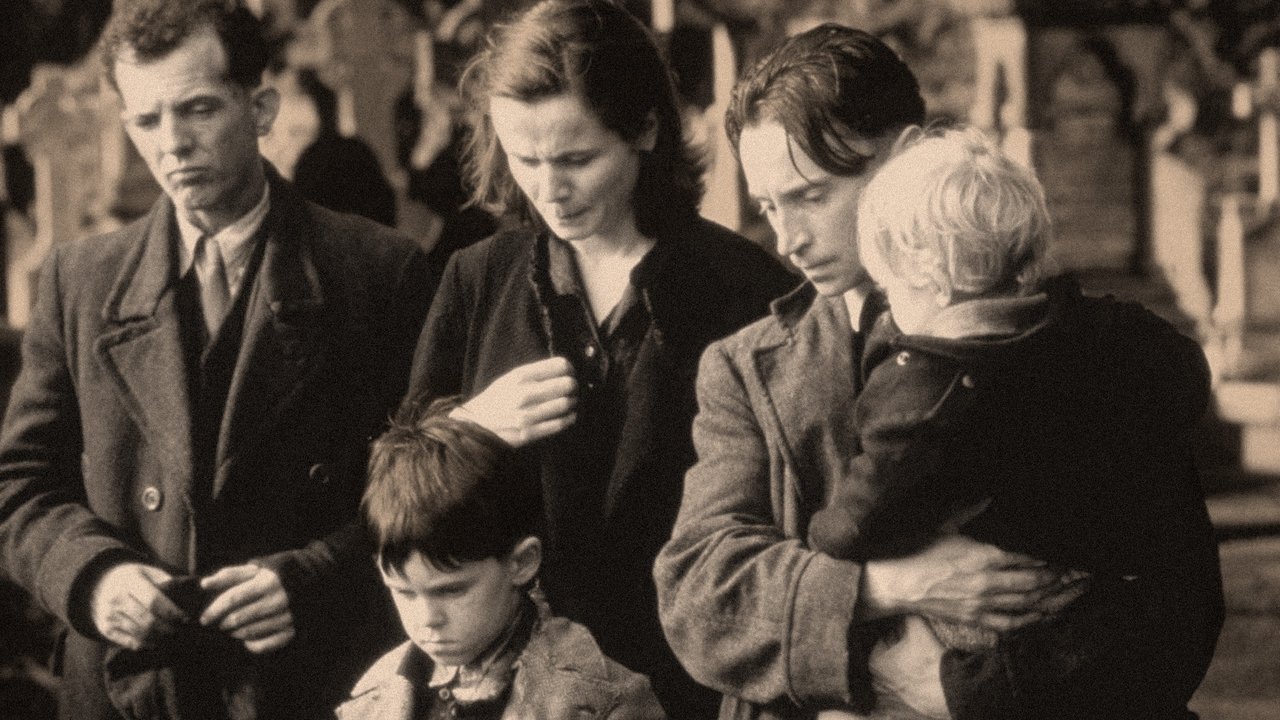
Angela's Ashes doesn't shy away from the grim realities – hunger, sickness, death, the suffocating grip of the Church – yet it’s ultimately a story about survival and the inextinguishable spark of hope. Frank's small triumphs, his love of words, his determination to escape to America, become beacons in the gloom. Parker finds moments of grace and even dark humor, often stemming from childhood misunderstandings or the absurdities of their situation, echoing McCourt’s own ability to find irony amidst despair. The score by the legendary John Williams, surprisingly poignant and restrained here compared to his blockbuster work, subtly underscores the emotional landscape without overwhelming it. It’s a testament to his range, finding the music within the quiet struggles of this Irish family.
Did the film fully capture the magic of the book? Perhaps not entirely – the interiority and specific humor of McCourt's prose are difficult beasts to translate. But judged on its own terms, Angela's Ashes is a powerful, evocative piece of filmmaking. It’s a film that lingers, not just for its portrayal of hardship, but for its testament to the resilience of the human spirit. Watching it again now, years after its VHS release, it feels like a necessary story, a reminder of the lives lived behind the statistics of poverty, rendered with artistry and empathy.
Rating: 8/10
This score reflects the film's stunning atmospheric achievement, powerhouse performances from Emily Watson and Robert Carlyle, and Alan Parker's sensitive direction in tackling profoundly difficult material. While perhaps not perfectly capturing every nuance of the beloved book, it stands as a visually arresting and deeply moving cinematic experience that powerfully evokes a specific time and place, resonating with themes of endurance that remain universal.
It leaves you contemplating the weight of memory, the damp chill of hardship, and the fierce, stubborn flicker of hope that can somehow persist even under the rainiest of skies.