There's a certain kind of quiet film that tends to get lost on the bustling shelves of memory, overshadowed by the louder blockbusters that dominated the video store walls. Sometimes, though, pulling one of these gentler tapes off the shelf reveals a small, poignant story that resonates in unexpected ways. Two Bits (1995) feels like one of those discoveries, a film wrapped in the oppressive heat of a Philadelphia summer during the Great Depression, asking simple questions about value, family, and the power of a dream, even one that costs just twenty-five cents. It arrived perhaps too quietly, a whisper in a cinematic year that also gave us the thunderous Al Pacino of Heat (1995), making his turn here all the more intriguing.
A Sweltering Slice of Life
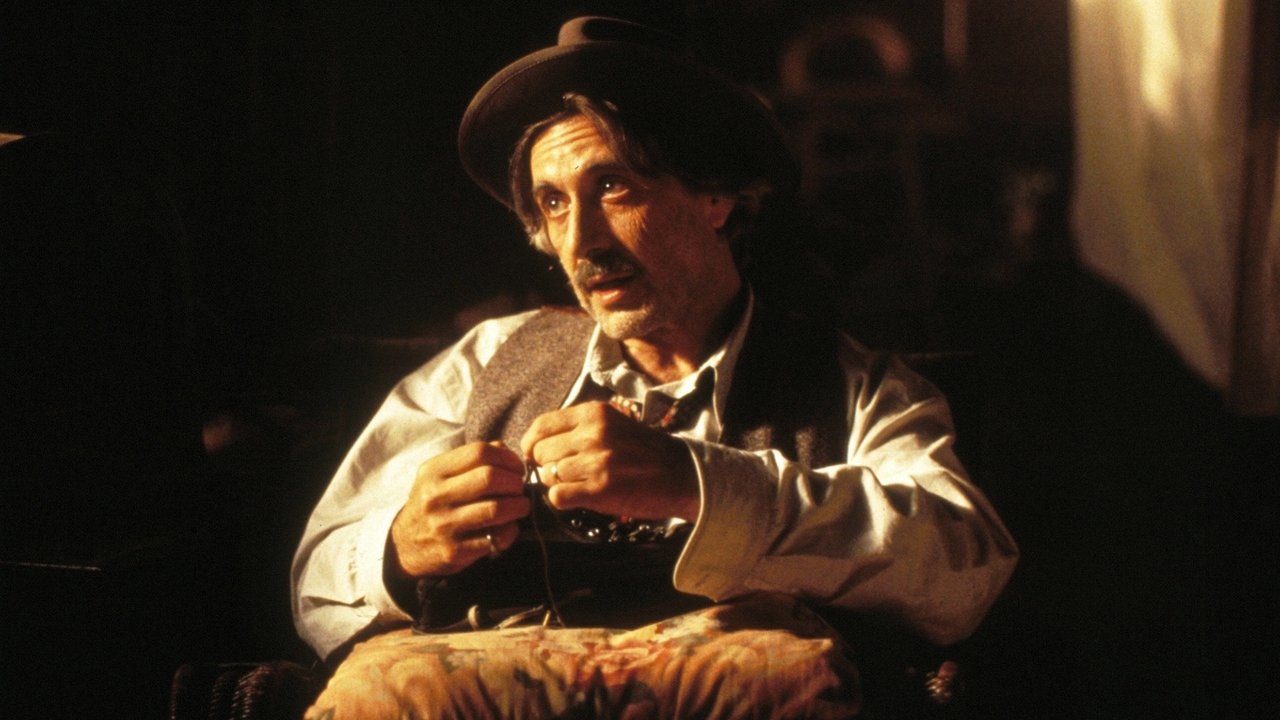
The premise is deceptively simple: It's 1933, South Philly is baking, and young Gennaro (Jerry Barone) has one goal – scrape together two bits (a quarter) to escape the stifling reality for a few hours at the glorious new movie palace, "La Paloma." His widowed mother, Luisa (Mary Elizabeth Mastrantonio), pragmatic and worn down by hardship, sees the cinema as frivolous waste. His bedridden grandfather, Gaetano (Al Pacino), however, holds the key, not just potentially to the money, but to deeper lessons Gennaro is only beginning to understand. The film unfolds over this single, sticky day, focusing less on grand events and more on the small, significant interactions that define these characters' lives.
Pacino Against Type
Seeing Al Pacino in this role in 1995 must have been quite the contrast for audiences flocking to see him as the volcanic detective Vincent Hanna. Here, he’s Gaetano, frail, reflective, his energy contained rather than explosive. It’s a performance of nuanced physicality – the labored breathing, the weary eyes, the moments of sharp clarity piercing through the fog of illness. Pacino imbues Gaetano with a lifetime of regrets and wisdom, making his connection with Gennaro the film's gentle heart. It’s a reminder of Pacino’s incredible range, his ability to command attention not just through shouting, but through the quiet weight of presence. It feels like a role chosen for its heart, a deliberate departure from the larger-than-life figures he often embodied.
The Weight of Family and Memory
Anchoring the film alongside Pacino are Mary Elizabeth Mastrantonio and young Jerry Barone. Mastrantonio, who we knew from powerful roles in films like The Abyss (1989), effectively conveys the immense burden Luisa carries – the grief, the financial strain, the fierce love for her son clashing with the harsh realities of their world. Her practicality isn't cruelty; it's survival. Barone, in what seems to be his only major film role, carries the audience's perspective. He captures that childhood intensity of wanting something desperately, navigating the complex emotional currents of the adults around him with wide-eyed sincerity. The dynamic between mother, son, and grandfather feels authentic, etched with the familiar tensions and tenderness of family bonds under pressure.
Stefano's Shadow, Foley's Feel
It's impossible to discuss the script without noting it was penned by Joseph Stefano, the legendary writer behind Alfred Hitchcock's Psycho (1960). The contrast couldn't be starker – from groundbreaking horror to this intimate, sentimental drama. Did any of that psychological acuity carry over? Perhaps in the subtle exploration of Gaetano's past regrets or Luisa's buried grief. Mostly, though, it feels like a different side of Stefano, focused on warmth and humanity. Director James Foley, who gave us the sharp edges of Glengarry Glen Ross (1992) and the simmering tension of At Close Range (1986), also softens his approach here. He captures the period details and the almost tactile sense of the heatwave effectively, letting the atmosphere soak into the narrative. Filming on location in South Philadelphia certainly helped ground the story in a specific place and time, adding a layer of authenticity that elevates the modest tale.
That Quarter's Worth
The "two bits" of the title becomes more than just currency. It represents escape, yes, but also connection, understanding, and perhaps even a form of grace. Gaetano's attachment to his own last quarter, promised to Gennaro upon his death, transforms the simple coin into a symbol of legacy, love, and the intangible things we pass down. Doesn't this simple quest resonate with the dreams, big or small, that keep us going when times are tough? The film asks us to consider what things are truly worth, beyond their monetary value.
A Forgotten Gem or Just Forgotten?
Two Bits didn't exactly set the box office alight – quite the opposite, reportedly grossing just over half a million dollars against a budget perhaps hovering around $15 million. It seemed to vanish quickly, a quiet film drowned out by louder contemporaries. Watching it now, on a format perhaps closer in spirit to its gentle nature than the multiplex, you can see why it might have struggled. It’s slow, deliberately paced, and relies on emotional resonance rather than plot pyrotechnics. In the mid-90s, maybe its earnest sentimentality felt out of step. Yet, there’s a warmth here, a sincerity in the performances, particularly Pacino’s, that makes it linger. It’s the kind of film you might have stumbled upon late one night at the video store, looking for something different, and found yourself quietly moved. It may not be a masterpiece, but its heart is undeniably in the right place.
Rating: 6/10
This score reflects a film with strong, affecting performances (especially Pacino's tender turn) and a well-captured atmosphere, but one whose deliberately slight narrative and sentimental tone might not connect with everyone. It earns points for its sincerity and authentic portrayal of family dynamics under duress, but its quiet nature means it doesn't quite achieve lasting impact.
Two Bits remains a gentle meditation on life, death, and the small moments that define us, all seen through the hopeful eyes of a child dreaming of the silver screen – a fitting reflection, perhaps, for those of us who found our own magic in the flickering light of a CRT.