Okay, pull up a comfy chair, maybe grab a cup of tea. Let's talk about a film that felt like a quiet revelation back in '93, nestled amongst the louder blockbusters on the video store shelves: Ang Lee's The Wedding Banquet. It wasn't explosive action or high-concept sci-fi, but it possessed a different kind of power – the intimate, often funny, and deeply resonant story of family, identity, and the intricate dance between cultures. Remember finding those unexpected gems in the 'World Cinema' or 'Drama' section? This was definitely one of them.
A Deception Born of Love (and Obligation)
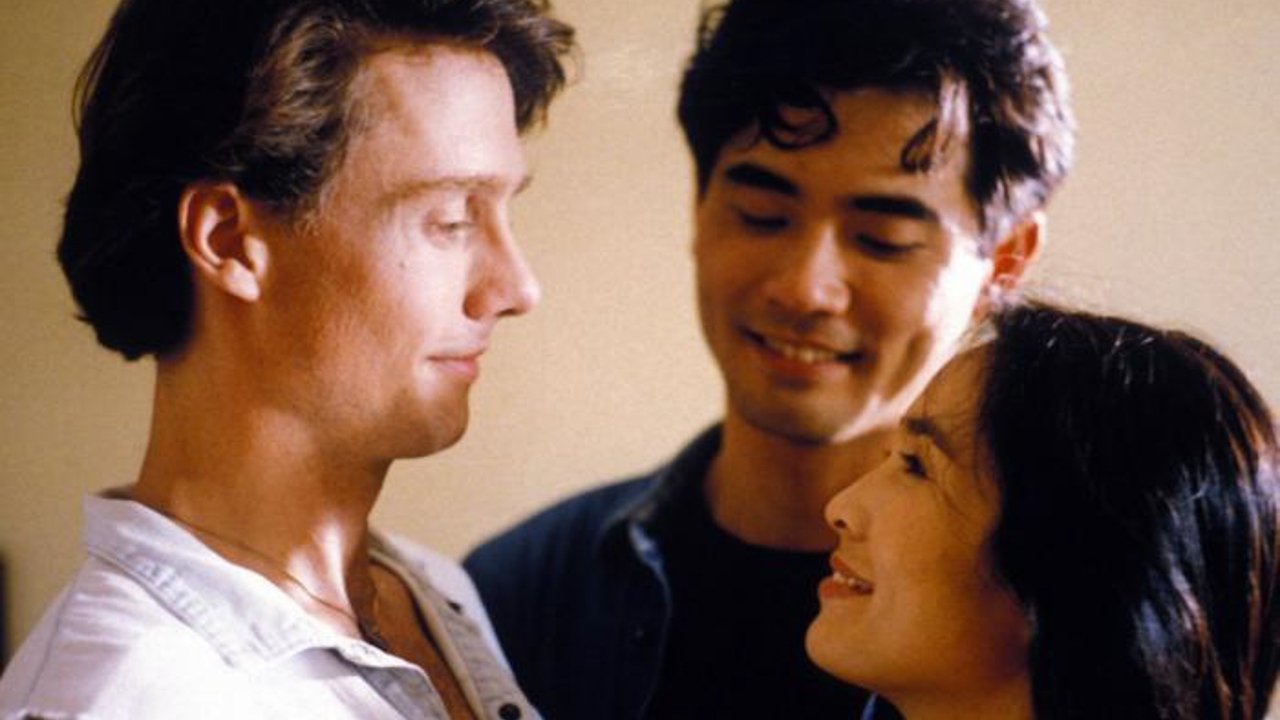
The film introduces us to Wai-Tung Gao (Winston Chao, in a remarkably assured film debut) living a comfortable life in Manhattan with his loving partner, Simon (Mitchell Lichtenstein). Wai-Tung is a successful real estate developer, seemingly having achieved the American dream. Yet, a shadow hangs over his happiness: the constant pressure from his traditional parents back in Taiwan to marry and provide them with a grandchild. To appease them and maintain harmony (a deeply ingrained cultural value), Wai-Tung has constructed a long-running lie about his life, specifically omitting Simon's true role.
This delicate balance is shattered when his parents announce an unexpected visit to New York. Panic ensues. A plan is hastily concocted: Wai-Tung will stage a marriage of convenience with Wei-Wei (May Chin), a struggling artist from mainland China subletting one of his properties, who needs a green card. Simon, ever supportive, agrees to play along. What could possibly go wrong? Well, as anyone who's ever tried to manage complex family dynamics knows... everything.
Navigating the Culture Clash with Heart and Humor
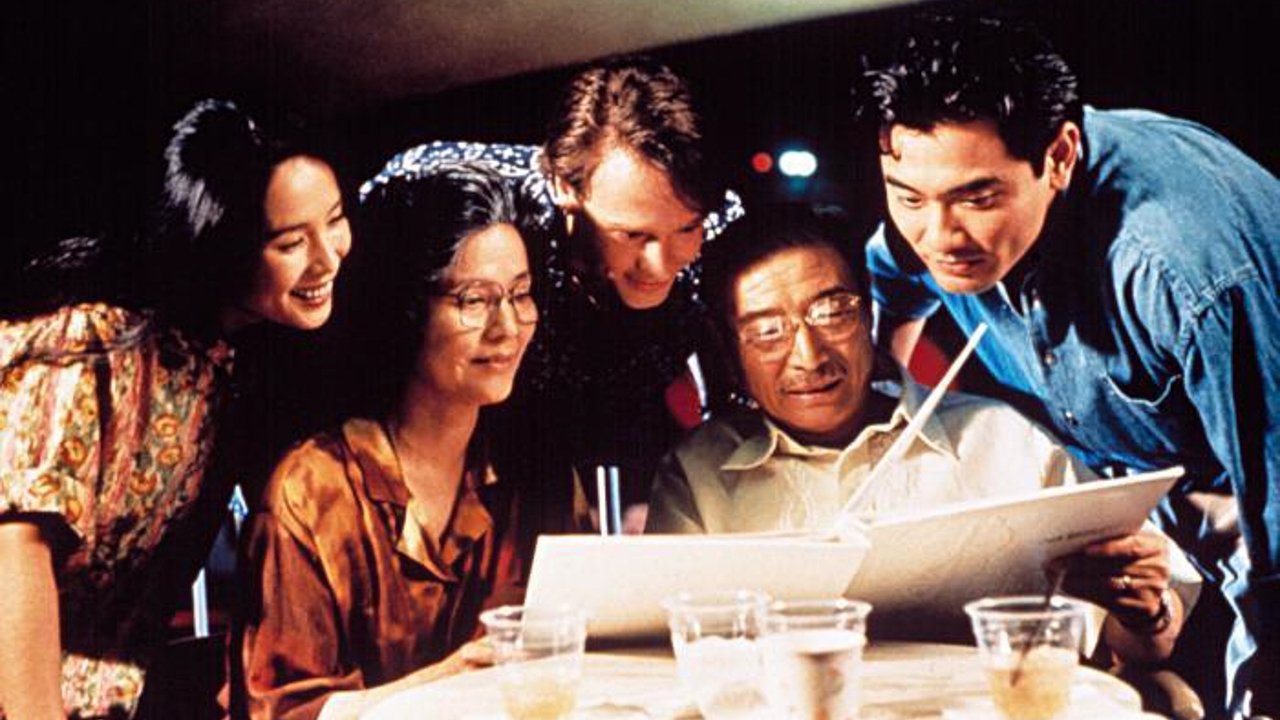
What unfolds is less a farce (though it has genuinely hilarious moments) and more a beautifully observed comedy-drama of manners and misunderstandings. Lee, drawing inspiration partly from the experiences of his friend and co-writer Neil Peng, masterfully navigates the collision between conservative Taiwanese tradition and liberal New York modernity. The humor isn't slapstick; it arises organically from the characters' situations and the sheer absurdity of the escalating deception.
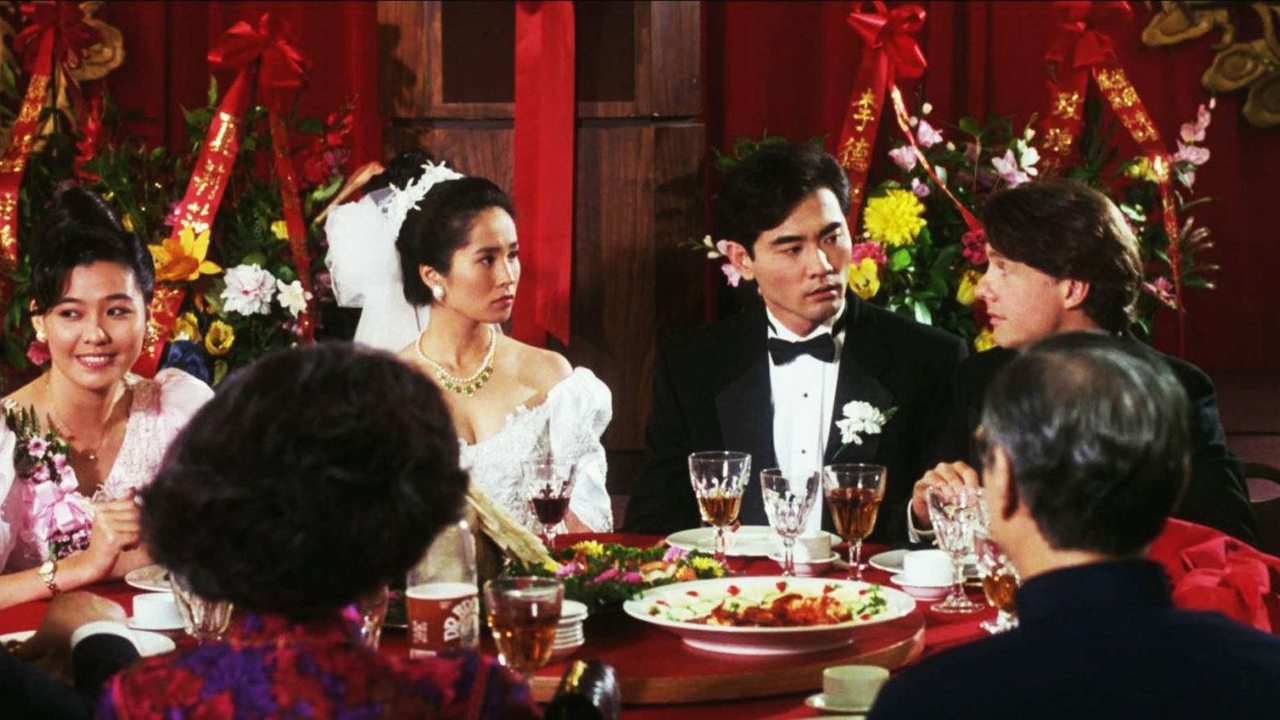
Think about that titular wedding banquet. Initially planned as a small, simple affair to satisfy the parents, it balloons into an extravagant, chaotic celebration, fueled by the misplaced generosity of Wai-Tung's father's former army subordinate. It’s a sequence both funny and slightly terrifying in its momentum, perfectly capturing the way familial and social obligations can steamroll personal intentions. It’s scenes like this that ground the film – moments where cultural expectations, love, and misunderstanding tangle together in ways that feel utterly real.
Performances That Resonate
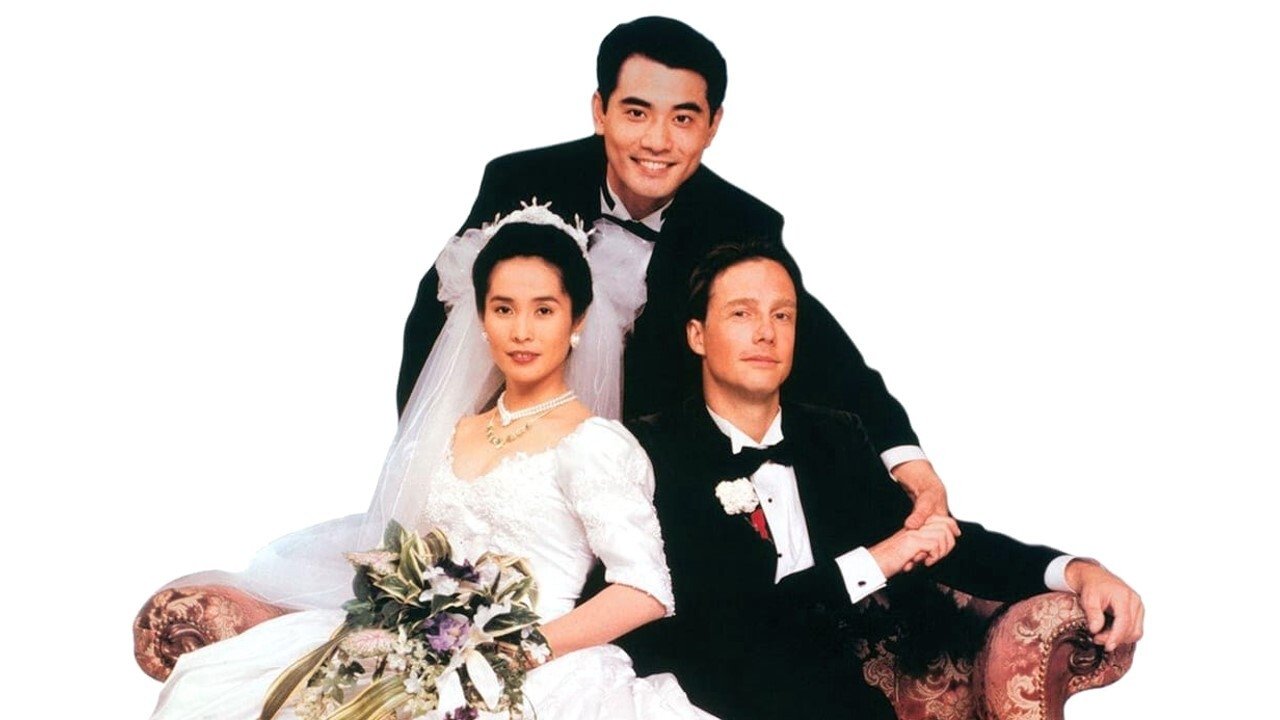
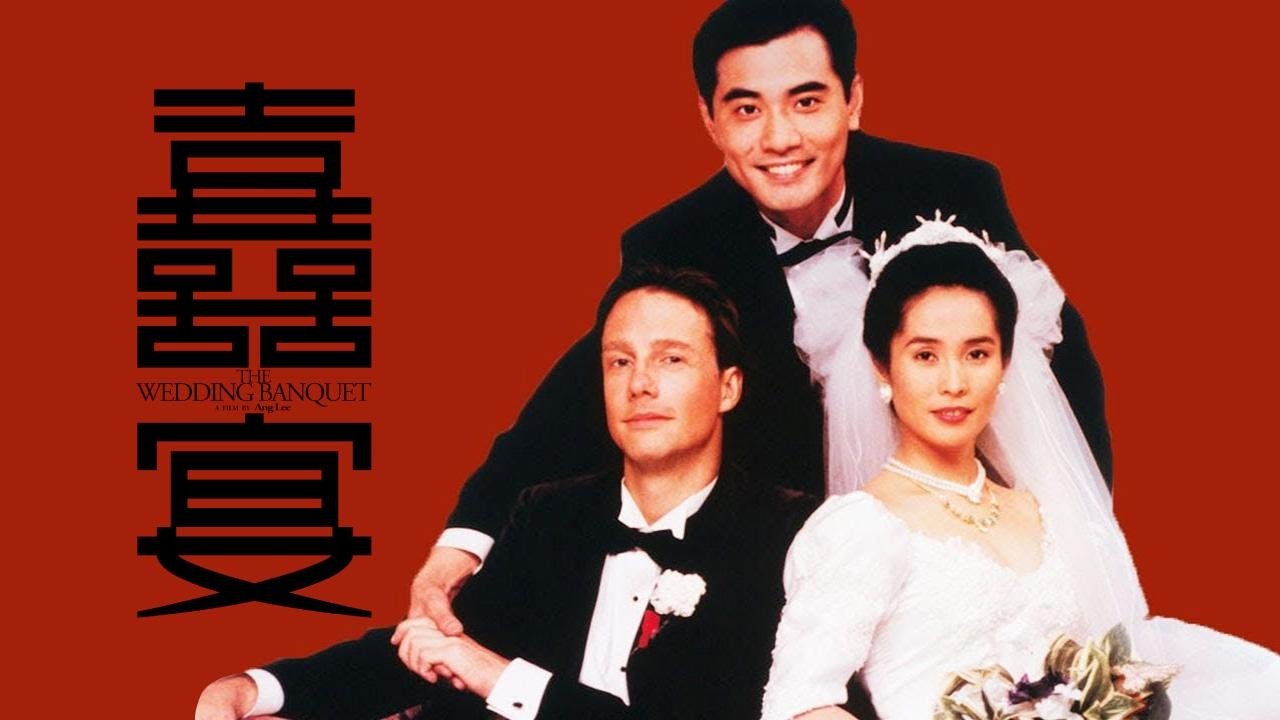
The film truly hinges on its performances, particularly the central trio and the parents. Winston Chao brings a quiet charisma and palpable vulnerability to Wai-Tung, caught between his love for Simon, his duty to his parents, and his affection for Wei-Wei. You feel his internal conflict, the constant tightrope walk he endures. May Chin as Wei-Wei is equally compelling, navigating her own precarious situation with resilience and unexpected warmth.
But perhaps the anchors are Gua Ah-leh and Sihung Lung (a frequent collaborator with Lee, appearing in all three films of his "Father Knows Best" trilogy, which also includes Pushing Hands (1991) and Eat Drink Man Woman (1994)) as Wai-Tung’s parents. Gua Ah-leh perfectly embodies the eager, slightly meddling mother, desperate for a grandchild and oblivious (or perhaps willfully ignorant) to the underlying reality. Sihung Lung, as the stoic, seemingly inscrutable father, delivers a performance of profound subtlety. His quiet observations and eventual understanding carry immense emotional weight, often conveyed through just a look or a gesture. His performance feels like the film's quiet conscience.
A Low Budget Wonder with Lasting Impact
It's fascinating to remember The Wedding Banquet was made on a shoestring budget – reportedly around $1 million. Much of it was shot in cramped New York apartments, adding to the sense of intimacy and realism. Director Ang Lee, who would later give us epics like Crouching Tiger, Hidden Dragon (2000) and Life of Pi (2012), demonstrates his early mastery of character-driven storytelling and nuanced emotional direction here. The film doesn’t rely on flashy techniques; its power lies in the script (co-written with James Schamus, another key Lee collaborator) and the authenticity of the interactions.
Its success was astonishing. Grossing over $23 million worldwide, it became the most profitable film of 1993 in terms of cost-to-gross ratio. It garnered nominations for Best Foreign Language Film at both the Golden Globes and the Academy Awards, signalling a breakthrough for both Lee and Taiwanese cinema on the international stage. More importantly, it tackled LGBTQ+ themes and cultural assimilation with a warmth, humor, and humanity that felt groundbreaking for its time, especially within a mainstream context. It presented a gay relationship not as a source of tragedy or sensationalism, but as a stable, loving foundation challenged by external pressures. Doesn't that quiet normalization feel significant, even looking back from today?
The Lingering Resonance
Watching The Wedding Banquet again after all these years, perhaps on a well-loved VHS tape pulled from the back of a shelf, reaffirms its gentle power. It’s a film about the lies we tell for love, the truths we hide for peace, and the surprising ways bridges can be built between generations and cultures. It asks us to consider what "family" truly means, beyond tradition and expectation. The humor still lands, the cultural observations remain sharp, and the emotional core feels as relevant as ever. It manages to be specific in its cultural context yet universal in its exploration of love, duty, and the messy, beautiful complexities of human connection.
Rating: 9/10
This score reflects the film's exceptional script, deeply felt performances (especially from Sihung Lung and Gua Ah-leh), and Ang Lee's sensitive direction. It masterfully balances humor and drama, offering a poignant and insightful look at cultural clashes and the definition of family. Its minuscule budget yielding such a polished and impactful film is remarkable. While perhaps feeling a touch dated in some minor aspects, its core humanity and groundbreaking nature (for its time) make it an enduring gem of 90s independent cinema.
It leaves you thinking not just about the characters, but about the compromises and connections within our own families. What lingers most is perhaps the father's quiet acceptance, a silent acknowledgment that love, in its many forms, finds a way. A truly special film that earns its place in VHS Heaven.