Okay, fellow traveler through the aisles of video rental history, let's settle in and talk about a film that landed right at the tail end of the 90s, a story that felt both timeless and perfectly placed in its moment: Joe Johnston's October Sky (1999). There’s a certain kind of quiet power in this movie, one that sneaks up on you, much like the faint glint of Sputnik crossing the vast, dark sky over Coalwood, West Virginia, in 1957 – the very image that sets everything in motion. It’s not a film punctuated by explosions or witty catchphrases, but rather by the steady thrum of determination against seemingly insurmountable odds.
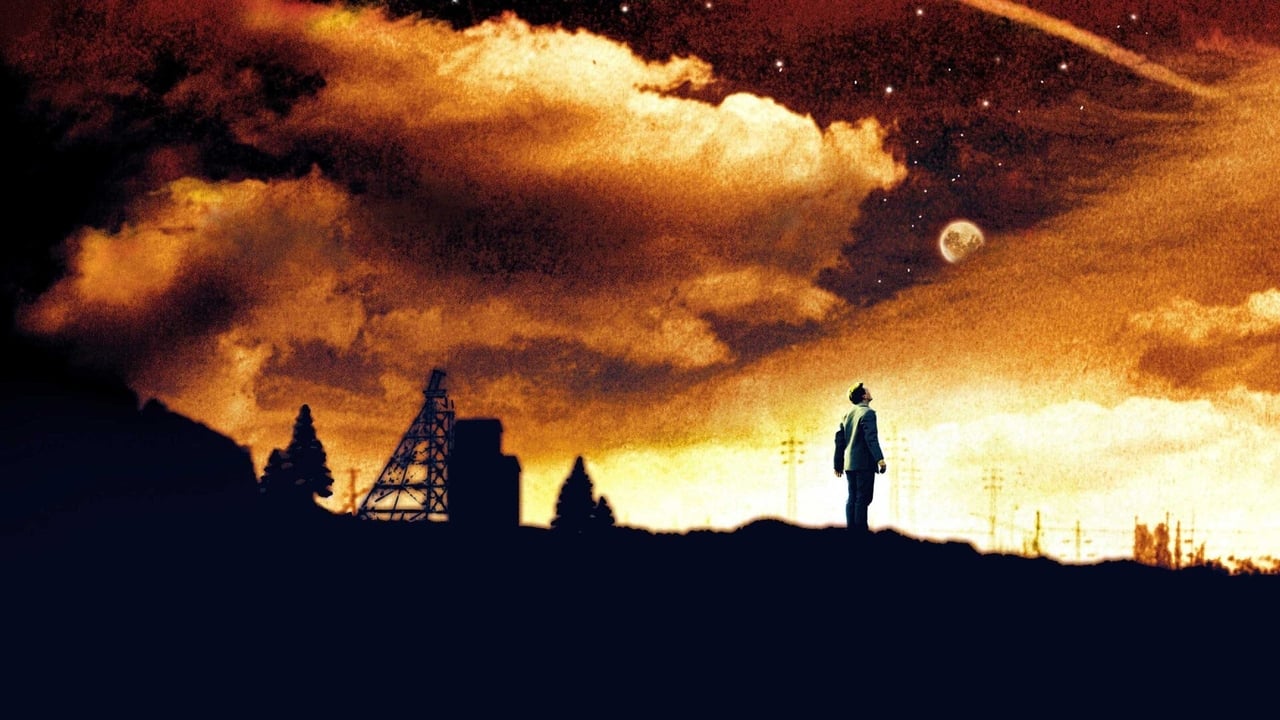
Watching it again recently, that opening sequence still resonates. The stark contrast between the boundless night sky, suddenly holding this man-made star, and the grim, earthbound reality of a company coal town is palpable. For young Homer Hickam (Jake Gyllenhaal, in a role that truly announced his arrival), that distant light isn't just Soviet technology; it's a spark, igniting a dream far removed from the predetermined path leading straight into the local mine alongside his father.
Coal Dust and Starlight
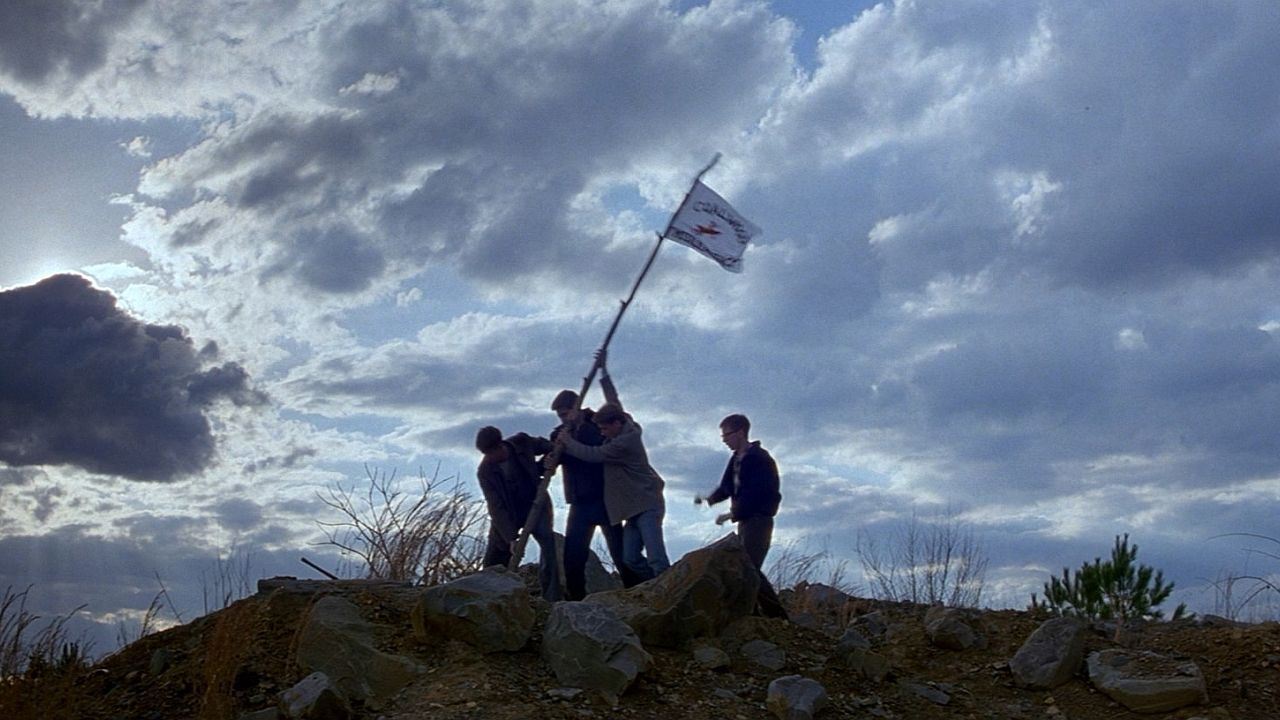
Joe Johnston, who'd already proven his knack for blending adventure with heart in films like The Rocketeer and Jumanji, brings a grounded sensibility here. He masterfully establishes the atmosphere of Coalwood. You can almost feel the grit under your fingernails, the weight of coal dust settling everywhere, dictating lives. The future feels as narrow and deep as the mine shafts themselves. It’s a world where looking up, dreaming of something else, feels like an act of rebellion. And that’s precisely what Homer and his friends – the self-proclaimed "Rocket Boys" (Chris Owen, William Lee Scott, Chad Lindberg) – embark upon. Their ambition to build and launch rockets seems utterly ludicrous to most in the town, a dangerous distraction from the serious business of mining.
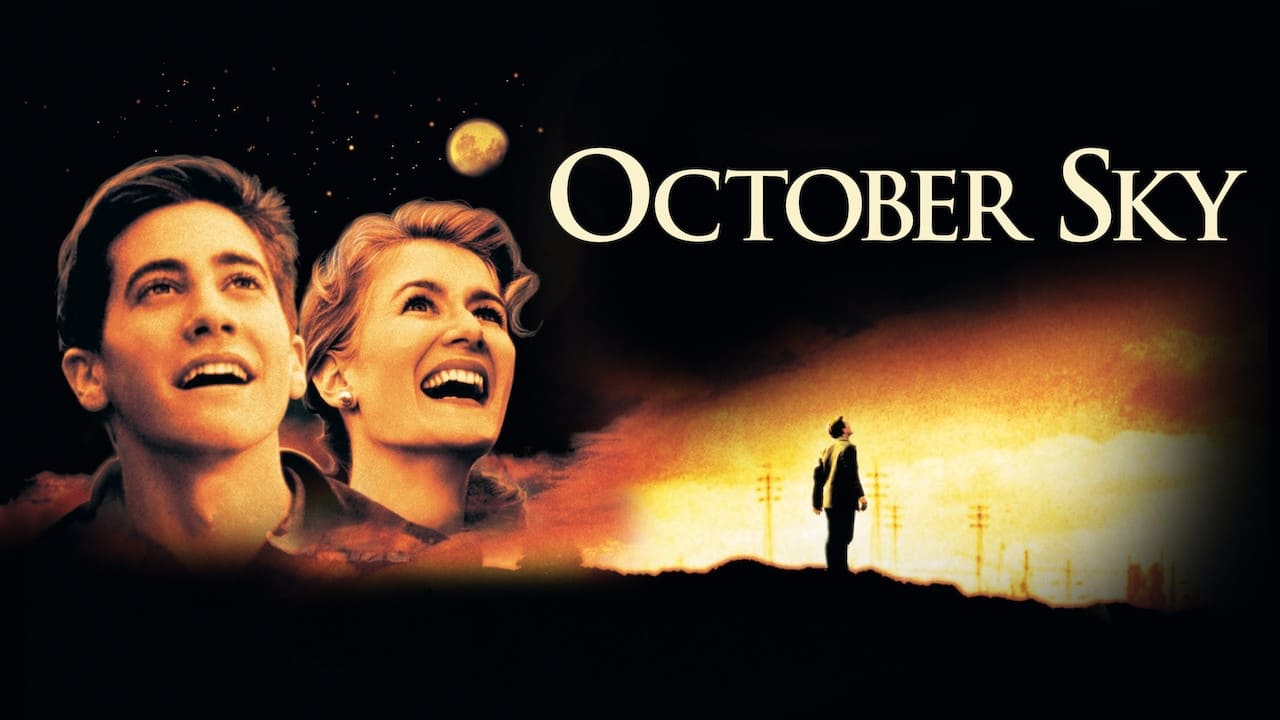
This central conflict finds its most potent expression in the relationship between Homer and his father, John Hickam, played with astonishing authenticity by Chris Cooper. Cooper embodies the stoic mine superintendent, a man burdened by responsibility, whose love for his son is buried deep beneath layers of pragmatism and unspoken expectations. Their scenes together crackle with tension – not melodrama, but the genuine friction between generations, between tradition and aspiration. Cooper doesn't need grand speeches; a hardened gaze, a sigh thick with resignation, a rare, almost imperceptible softening of his features – it all speaks volumes. It's a performance built on subtle truths, reminding us of fathers or figures we might have known, whose approval felt both essential and impossible to attain. Does that dynamic, that struggle for understanding across a generational divide, ever truly fade?
Forging Dreams: Behind the Scenes
It’s fascinating to remember that the film is based directly on Homer H. Hickam Jr.'s own memoir, originally titled "Rocket Boys." The name change to October Sky – famously an anagram of the original title – was reportedly a studio decision by Universal, who worried "Rocket Boys" sounded too juvenile for this thoughtful drama. Hickam himself wasn't initially keen on the change but eventually agreed. Adding to the film's authenticity, the real Homer Hickam visited the set during production and even made a cameo appearance as a mine foreman watching the boys walk by. It’s a little wink to those in the know, a bridge between the real history and its heartfelt adaptation.
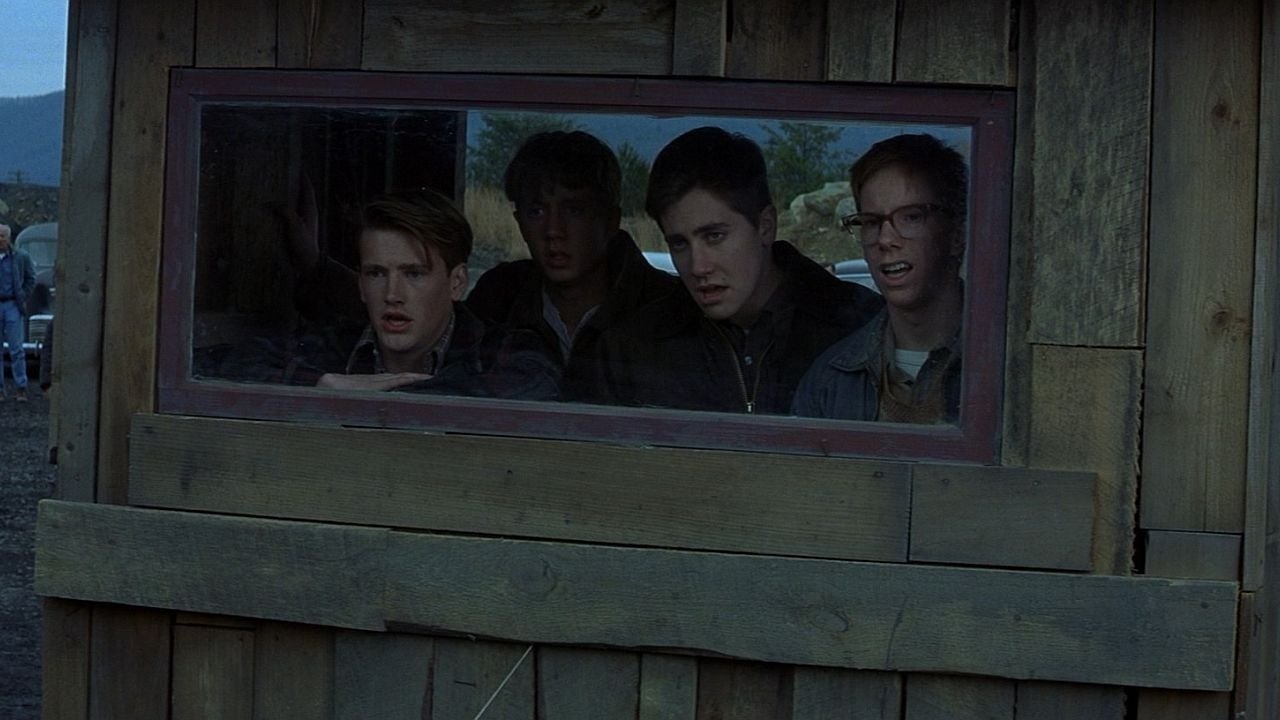
While Coalwood, West Virginia, provides the setting, the town had changed too much by the late 90s to serve as the primary location. Instead, the filmmakers recreated the 1957 look and feel in rural East Tennessee, specifically in towns like Petros and Oliver Springs, capturing that sense of isolated, post-war Appalachian life. It speaks to the dedication to getting the feel right, crucial for a story so rooted in its specific time and place.
The Guidance of Quiet Strength
Amidst the skepticism and familial conflict, there’s a beacon of encouragement in Miss Riley, the science teacher portrayed with warmth and quiet conviction by Laura Dern. Fresh off her impactful roles in films like Jurassic Park, Dern brings a gentle strength to the character. She sees the potential the boys’ own families often miss, providing not just knowledge but, crucially, belief. Miss Riley represents the profound impact a dedicated teacher can have, fostering curiosity and validating dreams that seem out of reach. Her faith in the Rocket Boys feels genuine, a necessary counterweight to the prevailing doubt. It’s a reminder, perhaps, of those figures in our own lives who saw something in us before we fully saw it ourselves.
Bringing Rockets to Life (Practically)
Joe Johnston's direction shines in balancing these intimate character moments with the genuinely thrilling sequences of the rocket launches. There’s a wonderful, tactile quality to these scenes. In an era where CGI was becoming more prevalent, October Sky leans heavily on practical effects for the rockets themselves. You feel the trial and error, the sputtering failures giving way to soaring successes. There’s a tangible sense of achievement when Auk VI finally takes flight, a shared victory that feels earned through sheer grit and calculation. Reportedly, some clever forced perspective and careful camera work helped sell the scale and height of the launches, showcasing resourceful filmmaking that feels perfectly in tune with the boys' own inventive spirit. Was there anything quite like the satisfaction of seeing well-executed practical effects on the big screen back then? This October Sky VHS memory certainly holds that charm.
Why It Still Soars
Released in 1999, October Sky arrived as a counterpoint to some of the brasher, more cynical fare of the decade. It’s an unapologetically sincere film, celebrating intelligence, perseverance, and the courage to pursue a different path. Its themes – challenging expectations, the transformative power of education, finding hope against the odds – remain incredibly relevant. It might not have been a box office behemoth initially, but like so many cherished films from that era, it found its devoted audience on home video, becoming a staple for many, perhaps even making its way onto classroom screens as an inspirational tale. It's a quintessential late-90s gem, offering earnest emotion without tipping into sentimentality.
Final Reflection & Rating
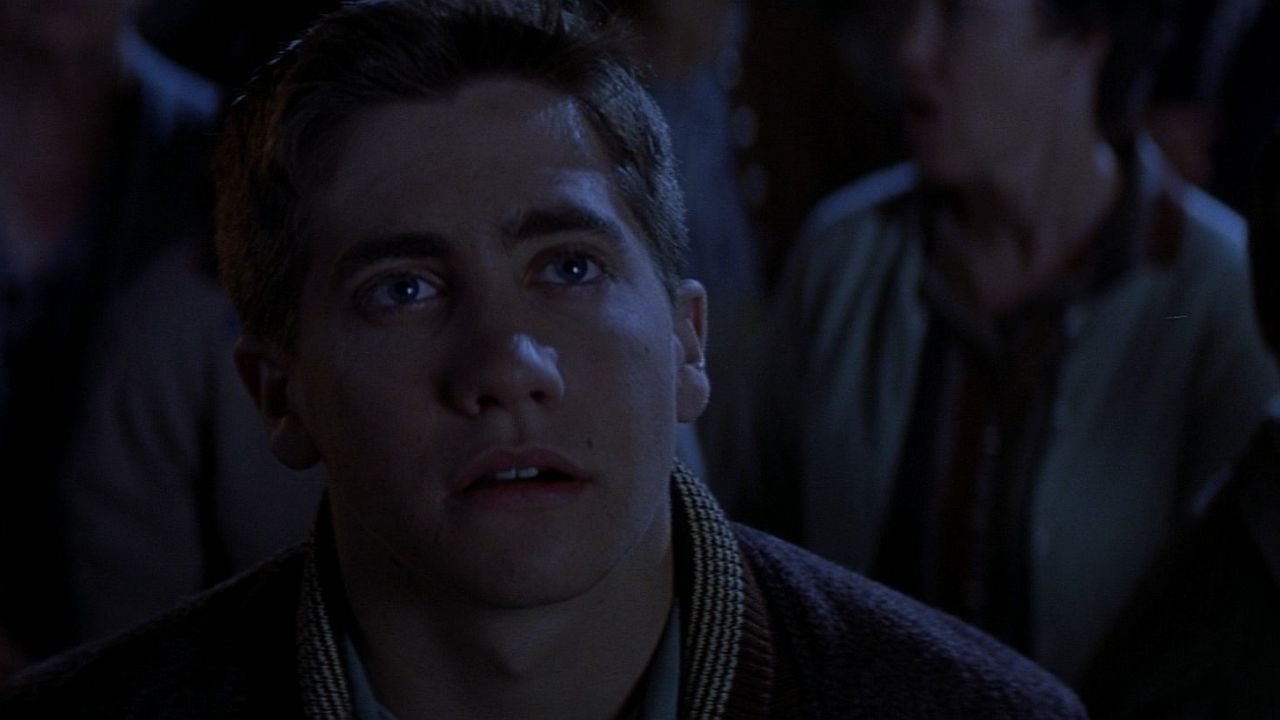
October Sky is a beautifully crafted, deeply felt film anchored by exceptional performances, particularly from Jake Gyllenhaal and the superb Chris Cooper. It captures a specific moment in American history with authenticity and uses that backdrop to tell a universal story about aspiration and the complex bonds of family. Its blend of historical detail, genuine emotion, and quiet inspiration makes it a standout from the late VHS era.
Rating: 9/10 - This rating reflects the film's powerful storytelling, outstanding performances (especially Cooper's masterclass in understated emotion), authentic atmosphere, and enduring inspirational message. It perfectly balances personal drama with historical context, creating a genuinely moving and memorable experience that avoids easy sentimentality.
What lingers most after the credits roll is that potent mix of grit and grace – the understanding that even dreams born against the grimy backdrop of a coal town can, with enough courage and calculation, reach for the stars. It’s a reminder that sometimes, the most profound journeys begin simply by looking up.