There are some journeys undertaken in childhood that echo long after the path ends. They aren’t always grand adventures to faraway lands, but sometimes intensely personal quests fueled by fierce loyalty and a hope that defies grim reality. Peter Horton's 1995 film, The Cure, embarks on just such a journey, charting the improbable friendship between two young boys facing down one of life's most daunting shadows. Watching it again now, decades after first pulling that tape from the rental shelf, its quiet power feels undiminished, perhaps even more poignant.
### An Unlikely Bond in the Face of Fear
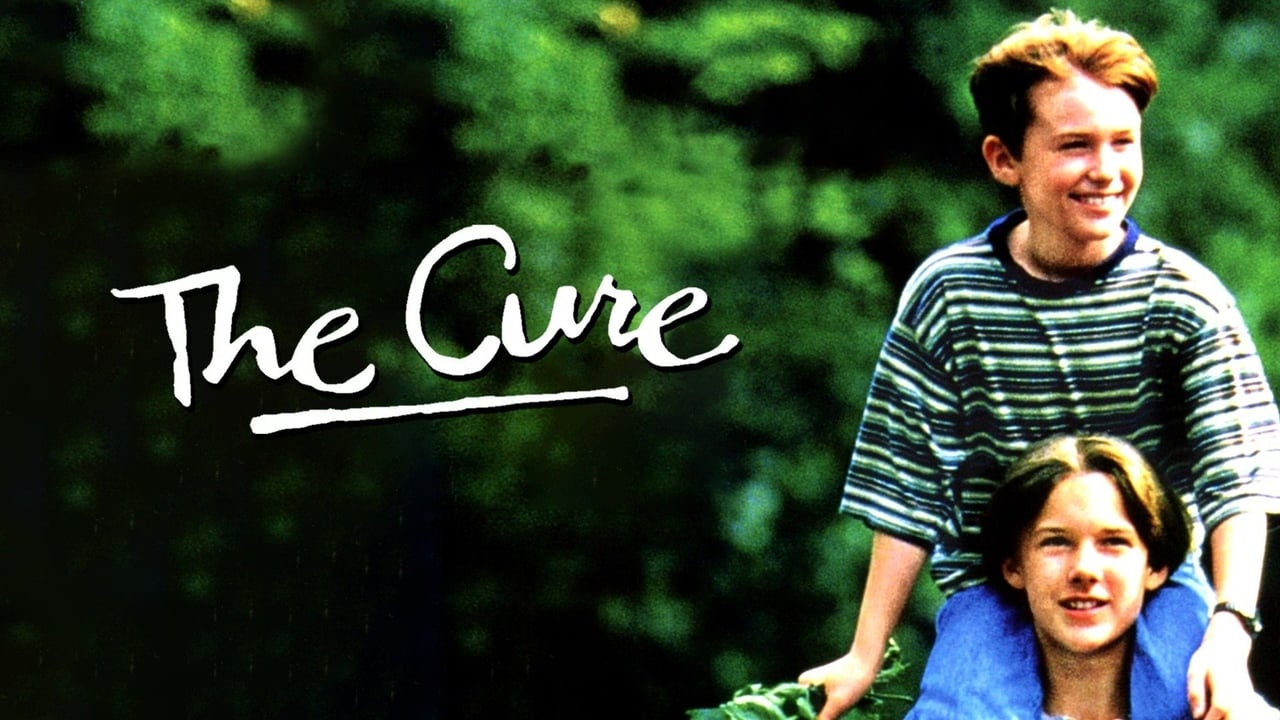
The setup is deceptively simple: young Erik (Brad Renfro), a bit of a loner overshadowed by a neglectful home life, moves next door to Dexter (Joseph Mazzello), a boy confined by the devastating reality of having contracted HIV through a blood transfusion. This was the mid-90s, remember, a time when fear and misinformation surrounding AIDS were still tragically prevalent. The film doesn't shy away from depicting the ignorance and prejudice Dexter faces, not just from schoolyard bullies but from apprehensive adults, including, initially, Erik's own mother (played with brittle anxiety by Annabella Sciorra).
What unfolds isn't a maudlin tearjerker, but a surprisingly raw and honest portrayal of how connection can blossom in the most barren ground. Erik, initially wary, finds in Dexter a kindred spirit, someone else navigating a form of isolation. Their bond solidifies not through shared joys, but through shared defiance – against the bullies, against the disease, against the adult world that seems resigned to Dexter’s fate. Renfro, already showing the flashes of troubled intensity that would mark his tragically short career, brings a compelling mix of toughness and vulnerability to Erik. He’s a kid building walls, but Dexter finds the cracks. And Mazzello, who audiences knew from the blockbuster Jurassic Park (1993), delivers a performance of extraordinary grace and quiet strength. He portrays Dexter not as a victim defined by illness, but as a thoughtful, resilient boy grappling with mortality far too soon.
### The River of Hope
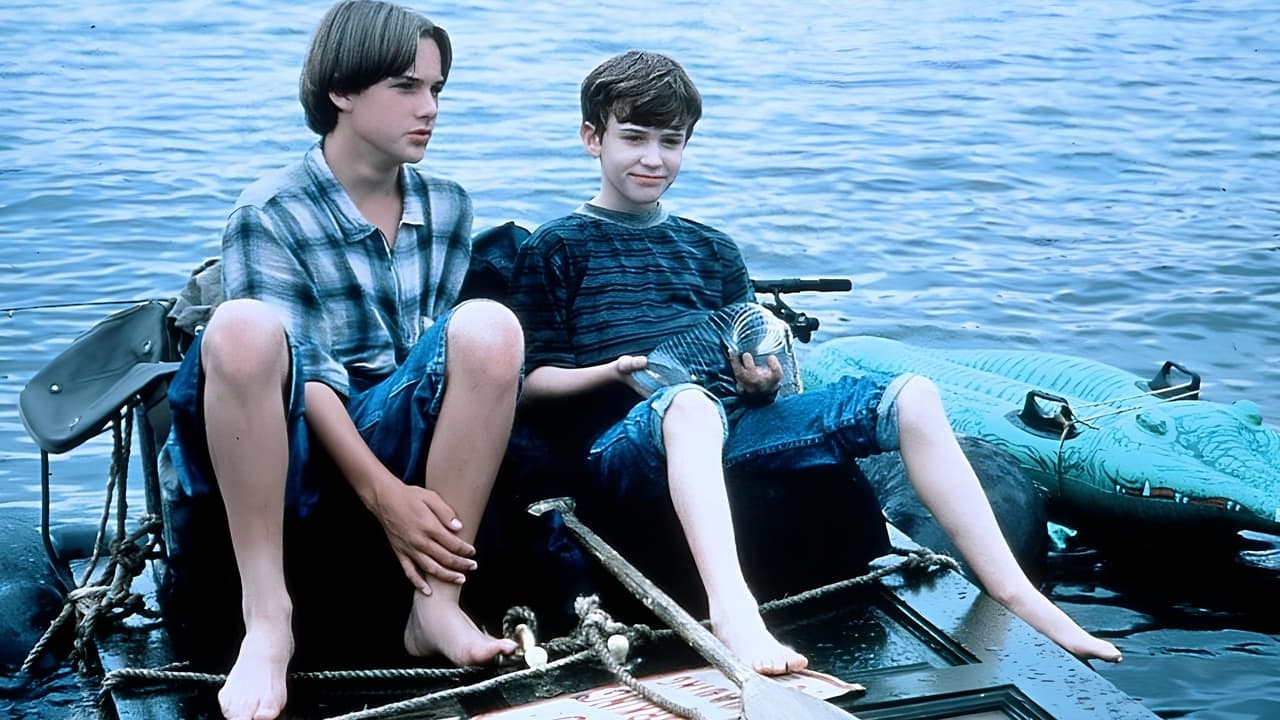
The heart of the film lies in the boys' decision, spurred by a tabloid headline, to seek a "cure" down the Mississippi River. This journey, undertaken in a makeshift raft, transforms the film. It becomes less about the medical realities – which the film handles with sensitivity but without false promises – and more about the fierce, almost primal, loyalty Erik feels. He isn’t just trying to save his friend; he’s raging against the unfairness of it all, channeling his own frustrations into this desperate, beautiful act of faith.
Director Peter Horton, perhaps best known then for his acting work (thirtysomething), directs his first feature film here with a gentle hand, letting the boys’ relationship breathe. He captures the languid beauty of the Minnesota summer (the film was largely shot on location in Stillwater) and contrasts it with the underlying tension of their mission. The river journey itself becomes a potent metaphor: a flowing, unpredictable path carrying them away from the harsh realities on shore, towards an uncertain destination fueled entirely by a child’s unwavering belief. It’s here the film finds its most resonant moments – the shared candy bars, the whispered confessions under the stars, the sheer determination etched on Erik’s face.
### More Than Just a Story
The Cure arrived relatively quietly, made on a modest budget (around $3 million), and perhaps got overshadowed by bigger studio releases. It wasn't a film built on spectacle, but on emotional truth. The script, penned by Robert Kuhn, reportedly drew from real-life experiences and news stories involving childhood illness, lending it an air of authenticity often missing in more manipulative disease-of-the-week narratives. It dared to tackle the stigma of AIDS head-on, showing the cruelty born of fear, but ultimately championing empathy and understanding through the simple, powerful lens of childhood friendship.
The film wasn't without its detractors; some critics at the time found the central quest naive or the resolution perhaps too tidy given the subject matter. Yet, its sincerity is undeniable. The power lies not in the plausibility of finding a magical cure, but in the unwavering commitment Erik shows Dexter. It asks us, implicitly, what lengths we would go to for someone we love, even when logic dictates hopelessness. Isn't that fierce, sometimes irrational, loyalty one of the purest expressions of love?
### Lasting Impressions
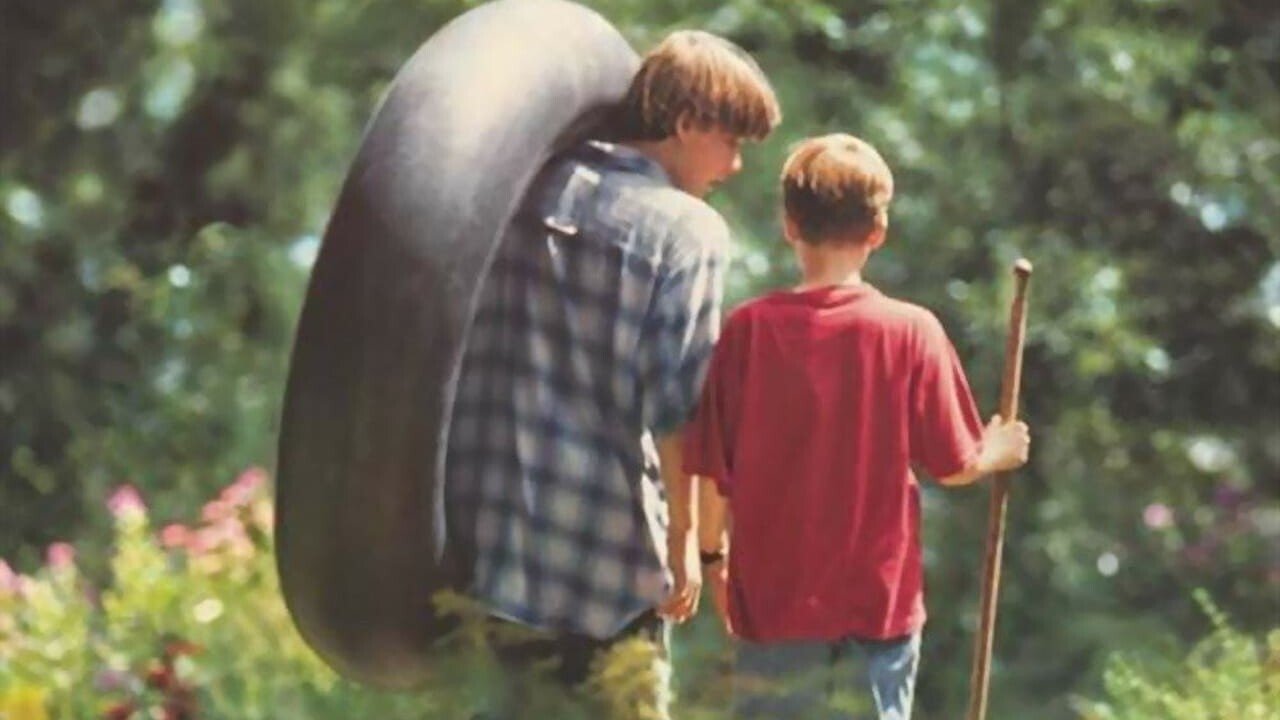
What lingers most powerfully after watching The Cure isn't necessarily the sadness of Dexter's condition, but the profound image of friendship as a shield, a defiant stand against the inevitable. The performances by Renfro and Mazzello are the film's anchor, grounding the potentially sentimental premise in something deeply felt and believable. Their chemistry is remarkable, capturing that unique intensity of childhood bonds where the world shrinks down to just two people against everything else. It’s a film that might have gathered dust on the lower shelves of the video store, easily missed, but finding it felt like uncovering a small, precious gem.
Rating: 8/10 - This score reflects the film's exceptional performances, its heartfelt and sensitive handling of difficult themes, and its surprisingly powerful emotional resonance. While the narrative might follow a somewhat predictable path, the authenticity of the central relationship and the refusal to succumb entirely to melodrama elevate it considerably. It earns its emotional impact honestly.
The Cure remains a moving testament to the power of friendship in the face of overwhelming odds, a quiet film from the 90s that still speaks volumes about compassion, loyalty, and the quests, however small, that define us.