Okay, let's dim the lights, maybe ignore that tracking line flickering at the bottom of the screen for a second, and pop in a tape that became something of a legend… though perhaps not for the reasons the studio hoped. I'm talking about Speed 2: Cruise Control (1997), the sequel that dared to ask: what if we took the high-octane tension of a runaway bus… and put it on a lumbering luxury cruise ship?
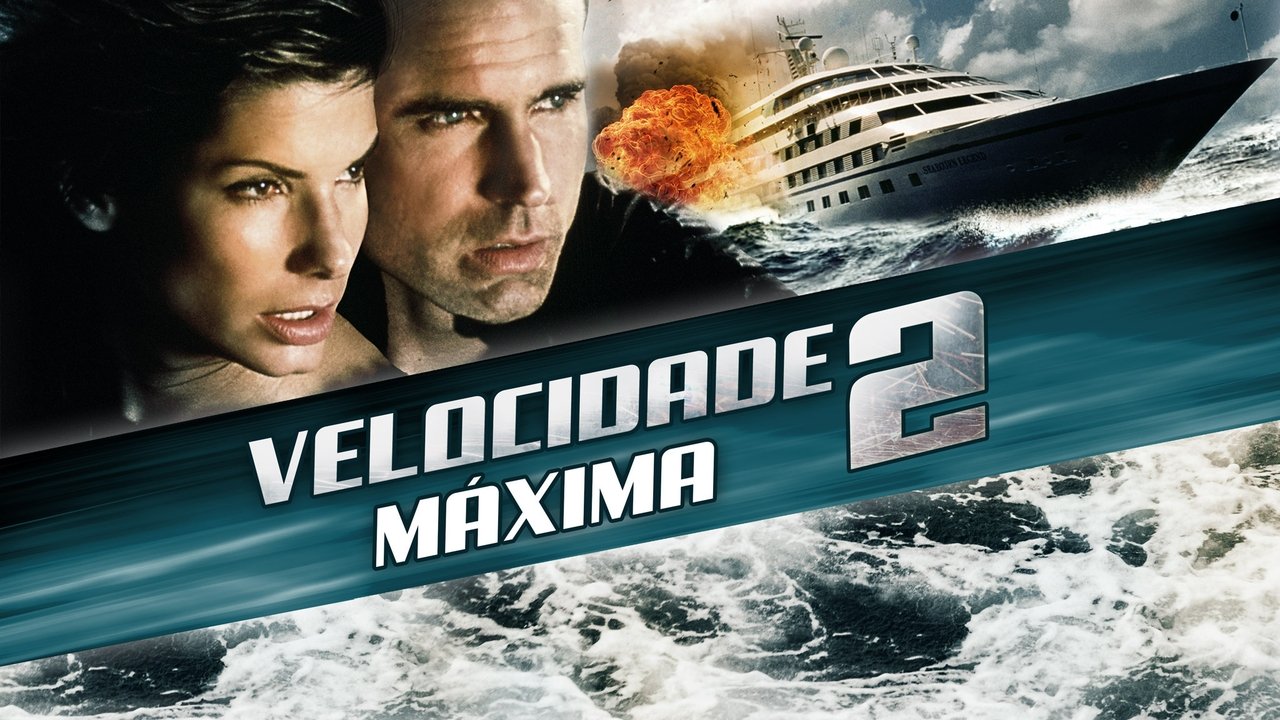
Right from the opening frames, you knew this wasn't quite the same beast as its predecessor. Gone was the gritty LA backdrop, replaced by sun-drenched Caribbean vistas. Gone was Keanu Reeves' Jack Traven (reportedly turning down a hefty $12 million payday because he just couldn't wrap his head around the script – can you blame him?), replaced by Jason Patric as Alex Shaw, Sandra Bullock's Annie Porter's new thrill-seeking boyfriend. Bullock, bless her, returns as Annie, trying desperately to inject the same relatable panic that made her a star in the original Speed (1994). But the very premise felt… well, less speedy.
All Aboard the S.S. Spectacle
The plot, such as it is, involves disgruntled former cruise line employee John Geiger (Willem Dafoe, naturally chewing scenery with delightful menace) hacking the ship's systems. His plan? Steal jewels from the vault and then set the massive vessel, the Seabourn Legend (played mostly by itself, chartered for filming!), on a collision course with an oil tanker. Why? Revenge, complicated computer sabotage logic, and because Willem Dafoe needed a reason to look intense while attaching leeches to himself. It's pure 90s villainy, slightly unhinged and gloriously over-the-top.
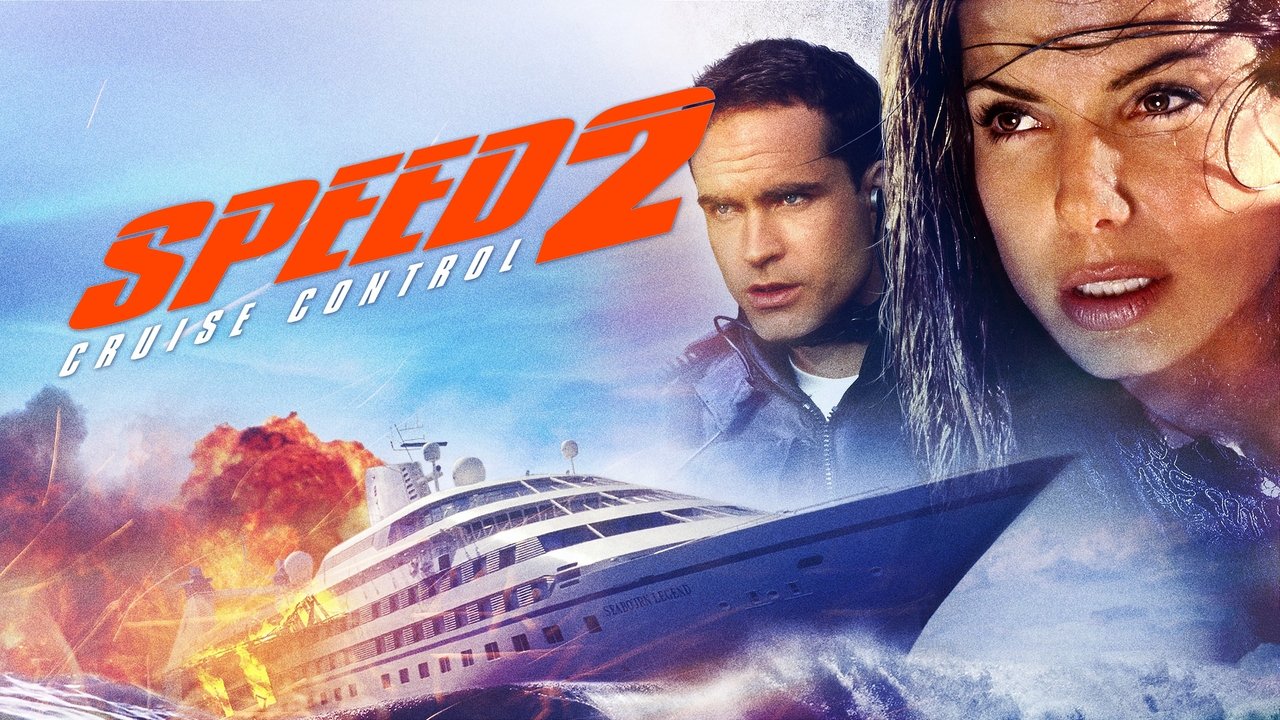
But let's be honest, we didn't rent Speed 2 on VHS for nuanced character arcs. We rented it because director Jan de Bont, hot off the original Speed and the smash hit Twister (1996), promised spectacle. And oh boy, did he try to deliver, even if the fundamental concept worked against him. A cruise ship's top speed is hardly heart-pounding, so the film compensates with escalating chaos: engine room explosions, flooded decks, near misses, and Alex Shaw doing increasingly improbable stunts involving anchors and motorboats.
Where the Budget Went: Glorious Practical Mayhem
Here’s where Speed 2 earns its place in VHS Heaven, despite its narrative shortcomings. Forget sleek CGI – this was the era of "let's just wreck stuff for real!" The film’s budget reportedly swelled to anywhere between $110 million and a staggering $160 million (a colossal sum back then!), and you can see a huge chunk of it in the film’s truly bonkers climax. Remember that final sequence where the Seabourn Legend plows directly into the picturesque harbor town of Marigot, St. Martin? They actually did that.
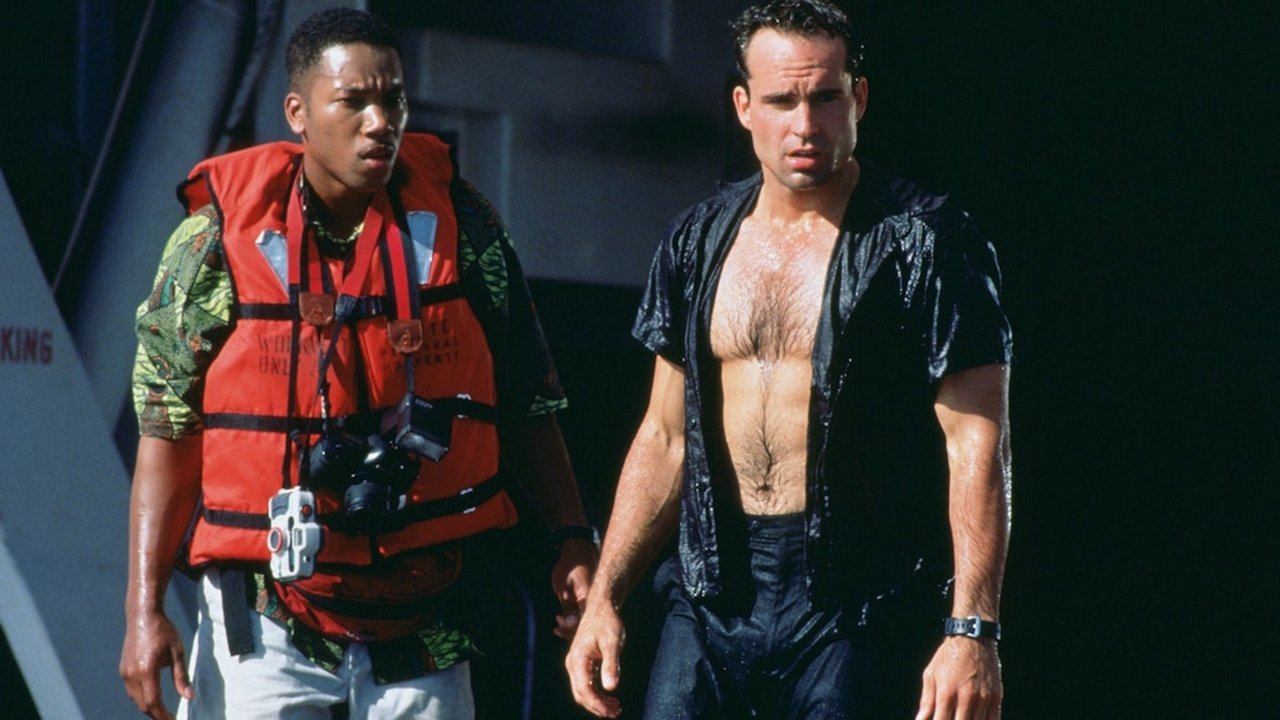

Well, sort of. A massive, full-scale replica section of the ship's bow, weighing hundreds of tons, was built and launched down rails at nearly 20 mph into an incredibly detailed, full-sized recreation of the waterfront town, built specifically for destruction. Reportedly costing $25 million just for that sequence, it remains one of the most expensive practical stunts ever filmed. Watching it now, even knowing it's a movie, there’s a visceral thrill to seeing actual wood splintering, buildings crumbling, and that massive steel prow tearing through the set. It’s clumsy, perhaps, compared to today's pixel-perfect destruction, but the sheer physicality of it feels undeniably real in a way CGI often struggles to replicate. This was tactile filmmaking on an epic scale, a logistical nightmare (Jan de Bont must have aged ten years filming on water after the cautionary tale of Waterworld), but undeniably ambitious.
Adrift at the Box Office
Despite Bullock's charm and Dafoe's commitment to bizarre villainy, the chemistry between Bullock and Jason Patric never quite clicked like the iconic pairing with Reeves. Patric plays Alex as a stoic, almost grim action hero, lacking theeveryman vulnerability that made Jack Traven relatable. The dialogue often clunks, and the attempts to recreate the original's ticking-clock tension mostly fall flat because, again, it's a giant, slow boat.
Unsurprisingly, Speed 2 didn't fare well with critics (it currently sits at a frosty 4% on Rotten Tomatoes) and underperformed significantly at the box office, barely recouping its massive budget. It quickly became shorthand for a misguided sequel, a punchline even. I distinctly remember seeing the tape linger on the rental shelves long after its release week, often nestled between genuine hits and other hopeful blockbusters that missed the mark.
Yet, there's an undeniable fascination here. It's a monument to a certain kind of late-90s excess, where studios threw astronomical sums at high-concept action films, banking on star power and practical destruction. It's undeniably flawed, often nonsensical, and struggles to justify its own existence as a sequel to Speed. But watching it evokes a specific kind of nostalgia – not just for the film itself, but for the era of filmmaking it represents. An era where someone thought "Speed on a boat" was a viable concept, and then spent a fortune bringing its most ludicrous sequence to life with real, tangible chaos.
---
VHS Heaven Rating: 4/10
Justification: The rating reflects the film's fundamental flaws – a weak premise for a Speed sequel, lack of chemistry, and often silly plot developments. However, it avoids the absolute bottom thanks to Willem Dafoe's entertaining villainy and, crucially, the sheer audacity and spectacle of its practical effects, particularly the jaw-dropping (if nonsensical) final crash sequence. It’s a fascinating failure, impressive in its physical execution even as its narrative sinks.
Final Thought: Speed 2: Cruise Control is the ultimate testament to 90s blockbuster hubris – a slow boat to nowhere, paved with millions in beautifully wrecked practical scenery. Worth watching? Maybe, just to marvel at what they tried to do.