Alright, pop that tape in, ignore the slightly chewed-up edges, and let the tracking lines settle. We’re diving headfirst into a film that practically defined high-octane thrills for a generation: 1994’s pulse-pounding Speed. Forget slow burns; this one slams the accelerator from frame one and barely lets up until the credits roll, leaving you breathless and maybe gripping the armrests of your couch just a little tighter.
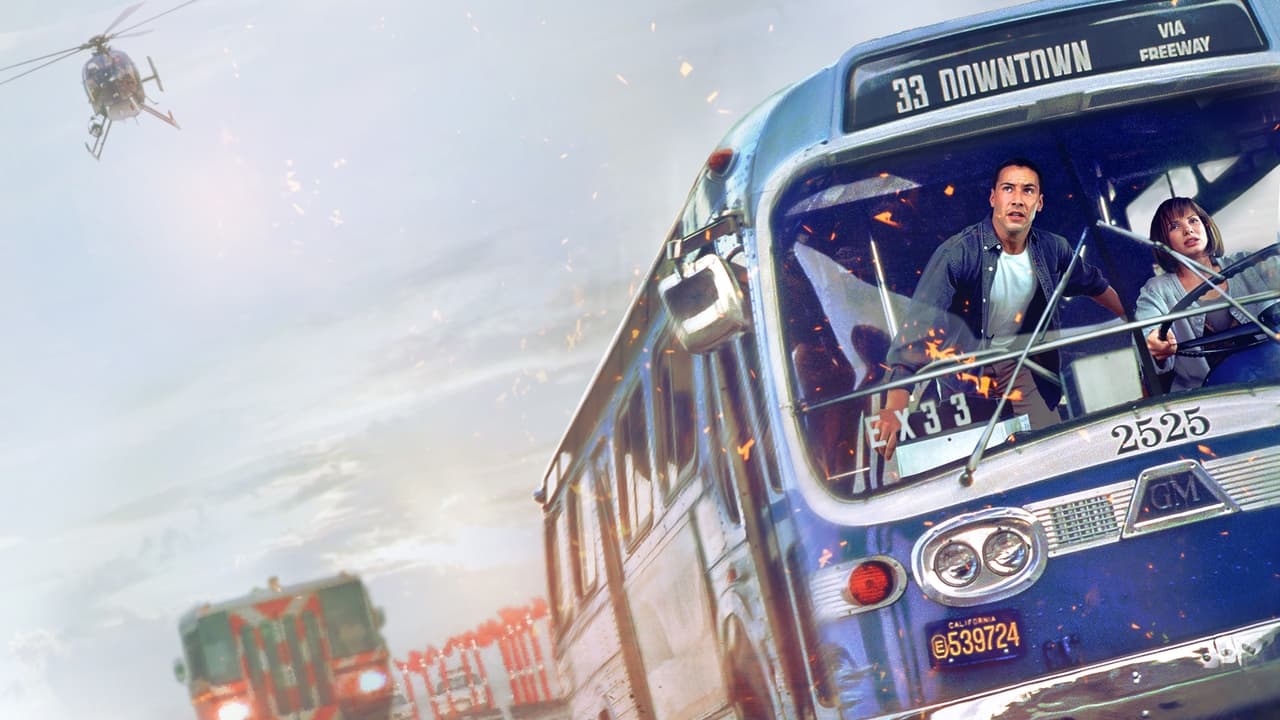
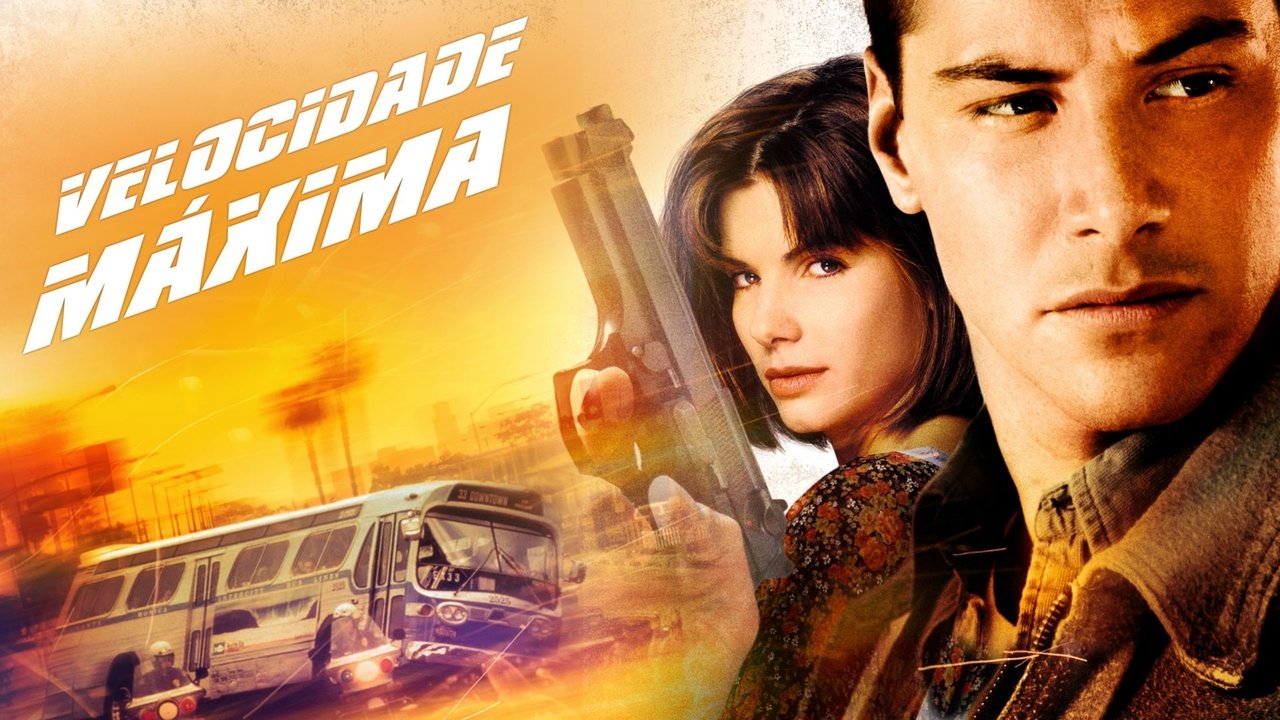
Remember that feeling? Finding this gem on the New Releases shelf at Blockbuster, the bold cover art promising pure adrenaline? Speed delivered on that promise in spades. It wasn’t just an action movie; it felt like an event. The premise is famously, brilliantly simple: a disgruntled ex-bomb squad psycho, Howard Payne (Dennis Hopper, radiating pure, gleeful menace), rigs a Los Angeles city bus. Once it hits 50 mph, the bomb is armed. If it drops below 50, boom. Hotshot SWAT officer Jack Traven (Keanu Reeves, cementing his action hero credentials post-Point Break) has to get aboard and figure out how to save everyone.
### Pedal to the Metal Premise
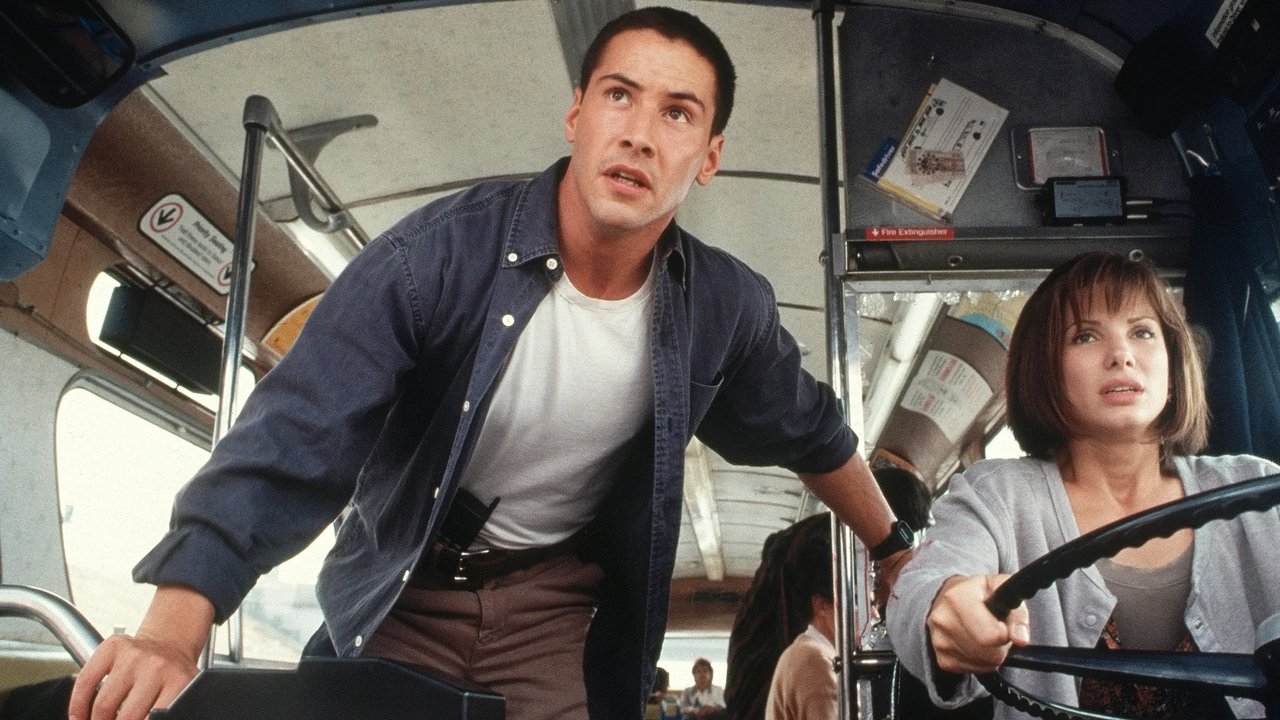
The genius of Graham Yost's (initially solo-credited) screenplay is its relentless momentum. After an already tense opening sequence involving a rigged elevator – a perfect appetizer showcasing Traven’s cool-under-pressure style and Payne’s ruthlessness – the film barely pauses for breath before throwing us onto that doomed bus. It’s here we meet Annie Porter (Sandra Bullock in a star-making turn), the passenger forced to take the wheel after the driver is wounded. The chemistry between Reeves and Bullock is immediate and crucial; their banter and shared panic provide the human heart amidst the mechanical chaos. You believed their connection, which made the stakes feel even higher. It’s a fun retro fact that Bullock actually passed her bus driver's test specifically for this role – talk about commitment!

### Real Stunts, Real Sweat
Let’s talk about the action, because that’s what burned Speed into our collective memory. Director Jan de Bont, who, let's not forget, was the cinematographer on absolute classics like Die Hard (1988) and The Hunt for Red October (1990), brought an incredible kinetic energy to the proceedings. You felt the weight of that bus, the screech of the tires, the terrifying proximity of other vehicles. Remember that insane jump across the gap in the unfinished freeway? Wasn't that just jaw-dropping back then? It's iconic for a reason. They actually launched a real bus off a massive ramp for that stunt, guided by stunt coordinator Gary Hymes. While a section of the freeway was digitally removed later to create the gap, the visceral thrill comes from knowing that metal beast actually flew through the air. That’s the magic of practical effects – the sense of tangible danger that CGI, for all its smoothness, often struggles to replicate.
Even smaller moments crackled with intensity. The tight turns, the near misses, Keanu Reeves famously doing some of his own stunt work like transferring from the speeding car onto the bus... it all felt incredibly grounded and perilous. This wasn't slick, weightless action; it was gritty, sweaty, and desperate. The film reportedly underwent significant script doctoring by an uncredited Joss Whedon, who apparently punched up much of the dialogue, giving the characters, especially Payne, those sharp, memorable lines that elevated it beyond just a series of set pieces.
### The Maniac and the Music
No great action thriller is complete without a compelling villain, and Dennis Hopper delivered one for the ages. His Howard Payne isn't just evil; he's enjoying himself immensely. He’s got a twisted sense of grievance, a love for elaborate games, and a chillingly casual attitude towards mass murder. Hopper chews the scenery with absolute relish, turning Payne into a truly memorable antagonist who feels both terrifying and darkly charismatic. He reportedly improvised some of his best lines, adding that extra layer of unhinged energy. Supporting players like Jeff Daniels as Traven's ill-fated partner Harry Temple also add weight and consequence to the unfolding drama.
And let's not forget the score! Mark Mancina's driving, percussive theme became instantly recognizable, perfectly capturing the film's relentless pace and underlying tension. It’s one of those scores that gets under your skin and keeps your heart rate elevated right alongside the characters'.
### The Verdict on This High-Speed Classic
Speed was a phenomenon in 1994. Against a relatively modest budget of around $30 million, it exploded at the box office, pulling in over $350 million worldwide and earning rave reviews for its non-stop tension and thrilling execution. It arguably set the template for countless high-concept action films that followed throughout the 90s. Sure, watching it now, some of the dialogue might feel a touch cheesy, and the tech is hilariously dated (those brick-sized cell phones!), but the core mechanics of the film – the airtight premise, the practical stunts, the charismatic leads, the palpable sense of danger – hold up remarkably well. It’s a masterclass in sustained suspense.
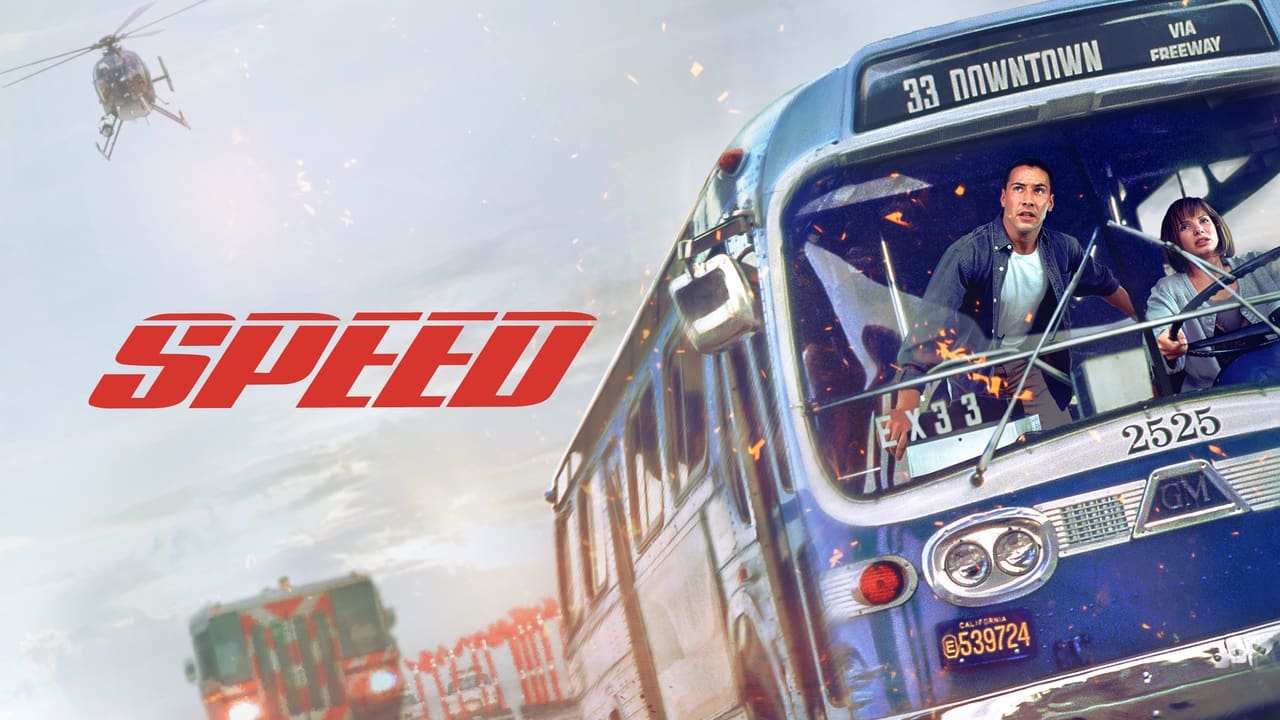
Rating: 9/10
This score is earned through sheer, unadulterated execution. Speed delivers exactly what it promises: a white-knuckle thrill ride powered by incredible practical stunt work, career-defining performances, and a premise so simple yet effective it's practically bulletproof. It perfectly balanced character stakes with explosive action.
Rewatching Speed today is like finding a perfectly preserved artifact from the golden age of VHS action: thrillingly physical, relentlessly paced, and a potent reminder of how electrifying practical filmmaking could be before computers took over the heavy lifting. It doesn’t just move fast; it hits hard.