It arrived like a shockwave, a blast of cold air cutting through the usual late-night rental store fare. Shiri, hitting screens in 1999, wasn't just another action flick; it felt like a raw nerve exposed, a film humming with a tension that went far deeper than bullets and bombs. It carried the weight of a divided nation on its shoulders, weaving espionage thrills with a profound, almost unbearable sense of melancholy. This wasn't just entertainment; it felt urgent, important, and deeply unsettling.
### Seoul Under Siege
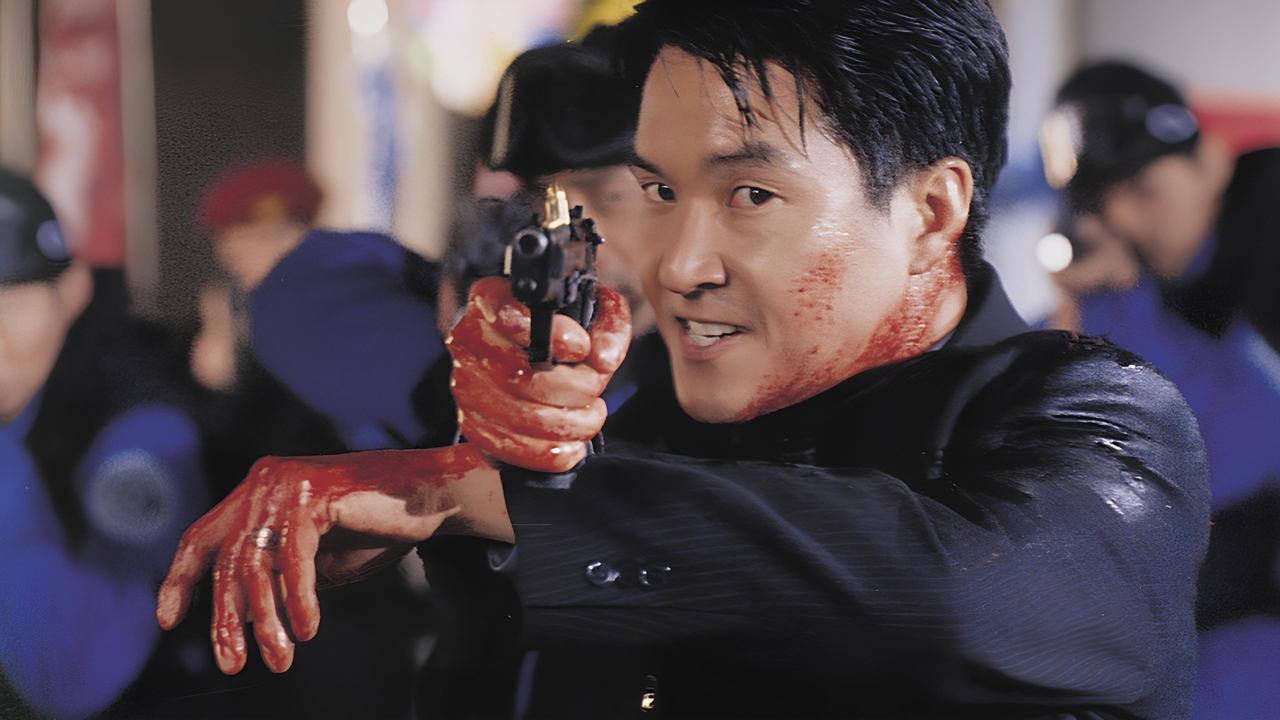
The premise itself is chilling enough: elite South Korean intelligence agents Ryu (Han Suk-kyu) and Lee (Song Kang-ho) are desperately hunting operatives from North Korea's lethal 8th Special Force. Leading the North Koreans is the ruthless Commander Park Mu-young (Choi Min-sik, radiating terrifying conviction long before Oldboy cemented his international status), orchestrating a plot involving a stolen experimental liquid bomb, CTX. But the true dread comes from the unknown variable: Lee Bang-hee, a legendary female sniper known only as "Shiri," whose identity remains a mystery and whose ruthlessness is unmatched. Director Kang Je-gyu masterfully uses the bustling backdrop of Seoul not just as a setting, but as a character constantly under threat, the ordinary streets capable of erupting into chaos at any moment. The score, often mournful and laced with tension, underscores the feeling that tragedy is always lurking just beneath the surface.
### Action with Consequences
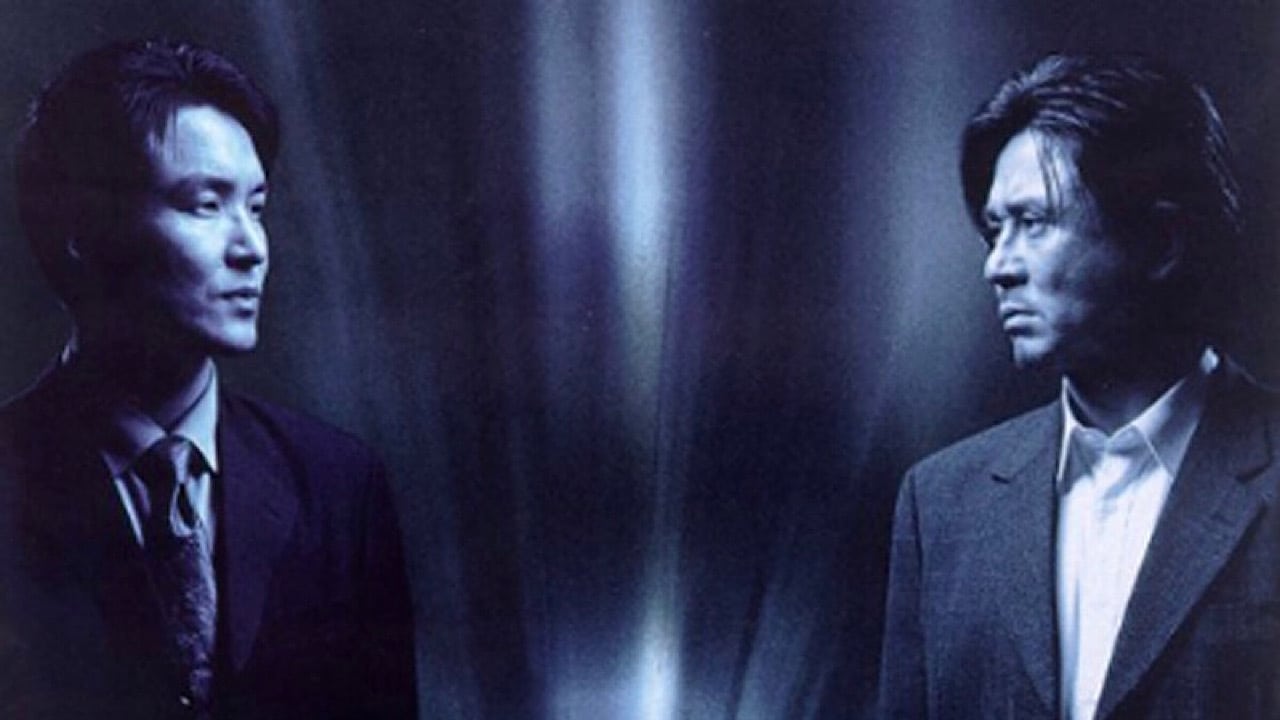
Forget the slick, detached action choreography that often dominated late-90s Hollywood. Shiri's action sequences felt visceral, brutal, and achingly real. Gunfights explode with chaotic energy, firefights in packed city streets feel genuinely dangerous, and the violence carries a palpable weight. This wasn't just spectacle; it felt like a desperate struggle for survival soaked in the grim realities of the Korean conflict. It's no surprise this film boasted an unprecedented budget for Korean cinema at the time – reportedly around $8.5 million USD. You see every won on screen, particularly in the complex shootouts and the ambitious, nerve-wracking finale set during a North-South unification football match. The sheer scale was part of what made Shiri feel so groundbreaking, a statement that Korean cinema could deliver blockbusters on its own terms, filled with a unique national angst.
### Faces Etched in Conflict
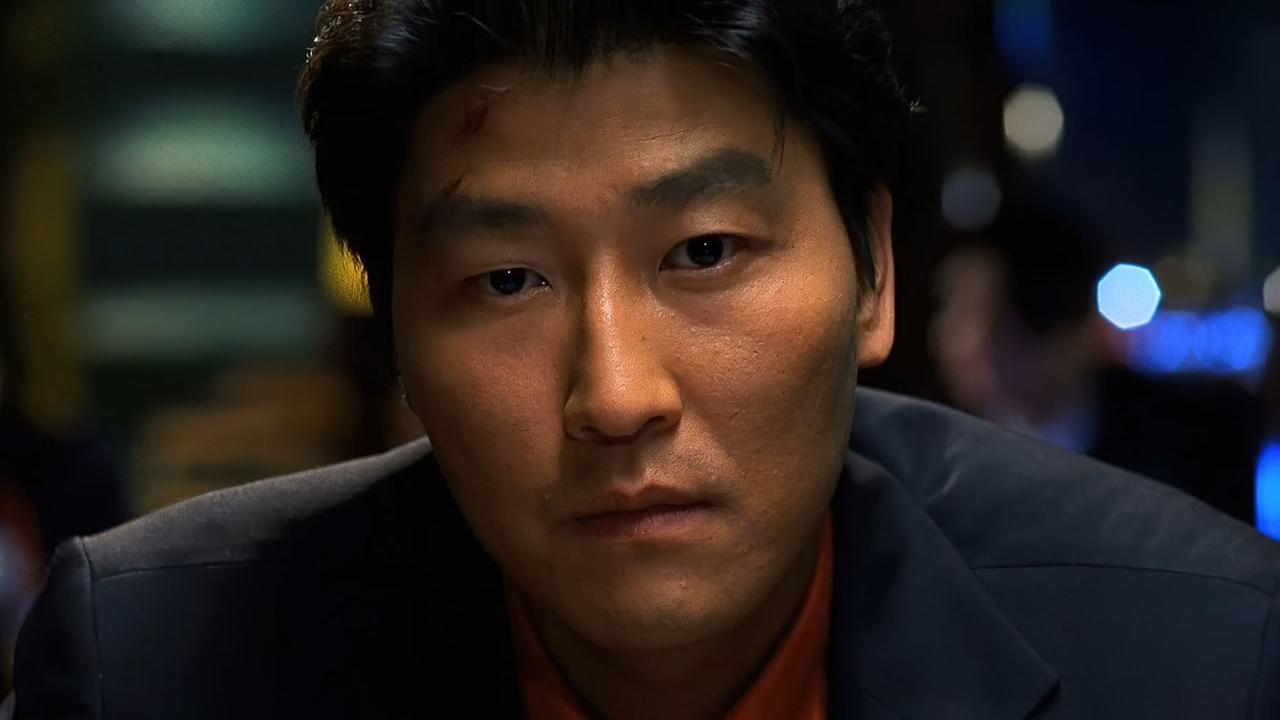
The film rests heavily on its superb cast, future titans of Korean cinema delivering powerhouse performances. Han Suk-kyu, already a major star, embodies Agent Ryu with a weary professionalism constantly warring with his personal life, particularly his relationship with his fiancée Lee Myung-hyun (Kim Yoon-jin, in a star-making role before her international fame in Lost). Song Kang-ho, even then showcasing his incredible range, provides not just backup but a grounded, relatable counterpoint to Ryu's intensity, his reactions often mirroring our own disbelief and horror. But it's Choi Min-sik as Commander Park who truly chills the blood. His unwavering fanaticism and cold-blooded efficiency make him a truly formidable antagonist, driven by an ideology that feels terrifyingly absolute.
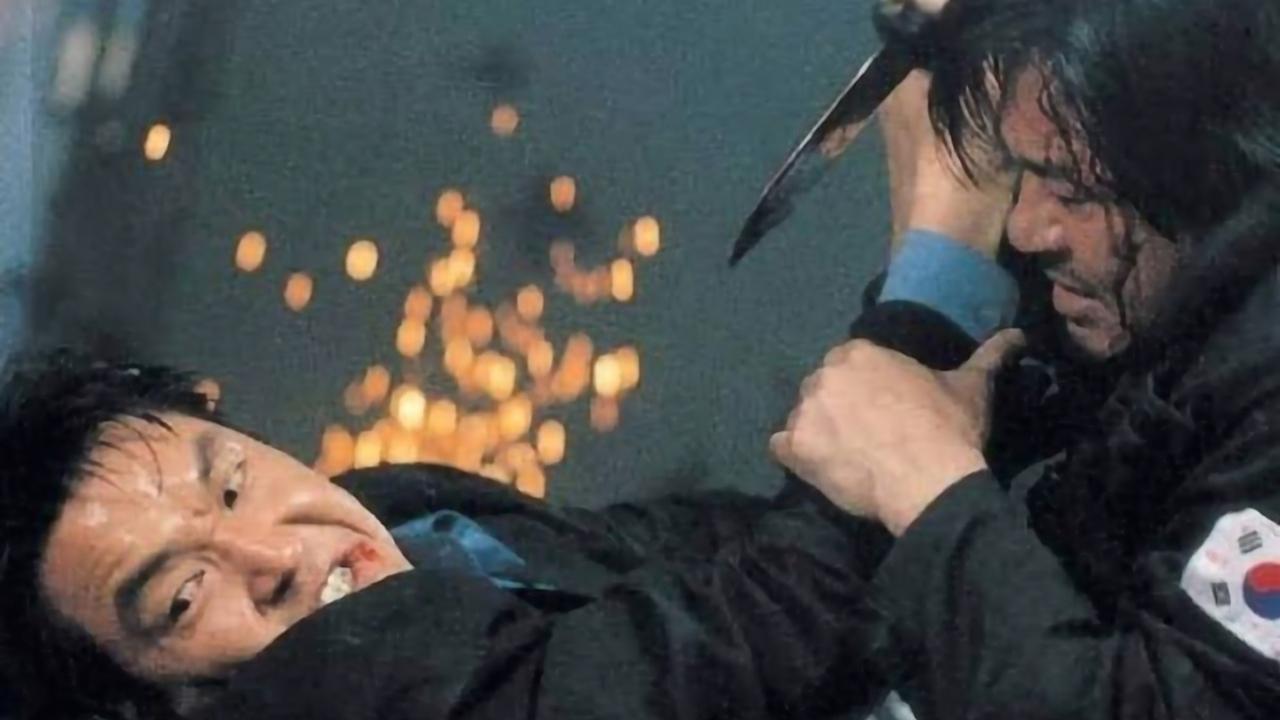
The film's emotional core, however, lies in the tangled relationships and the devastating reveals. Spoiler Alert! The twist concerning Myung-hyun's true identity as the assassin Shiri isn't just a plot device; it's a gut punch that reframes the entire narrative, turning a spy thriller into a heartbreaking tragedy about love, betrayal, and identities forged and shattered by conflict. Kim Yoon-jin navigates this complex duality brilliantly, shifting from vulnerable lover to deadly operative with terrifying ease. Doesn't that reveal still hit hard, even knowing it's coming?
### The Birth of the Korean Blockbuster
It's impossible to overstate Shiri's impact. It didn't just break box office records in South Korea (famously surpassing Titanic in Seoul); it fundamentally changed the landscape, proving that local productions could compete with, and even surpass, Hollywood imports. It ushered in the era often called the "Korean New Wave," demonstrating a potent formula blending high-octane action, sophisticated plotting, strong character work, and uniquely Korean themes. Finding this on VHS felt like discovering a secret transmission from another world – slicker than many indie films, yet raw and emotionally resonant in a way few American blockbusters dared to be. The title itself, Shiri (referencing the "Swiri" fish found in streams across the peninsula), becomes a poignant symbol of the divided nation, two populations sharing the same waters yet separated by an invisible, deadly line.
The film wasn't without controversy, sparking debates about its depiction of North Koreans, but its power lay in its willingness to confront the human cost of the ongoing conflict, wrapping it in the guise of a pulse-pounding thriller. It captured a specific late-90s anxiety, a mix of hope for reconciliation and the lingering fear of renewed hostilities.
### Final Verdict
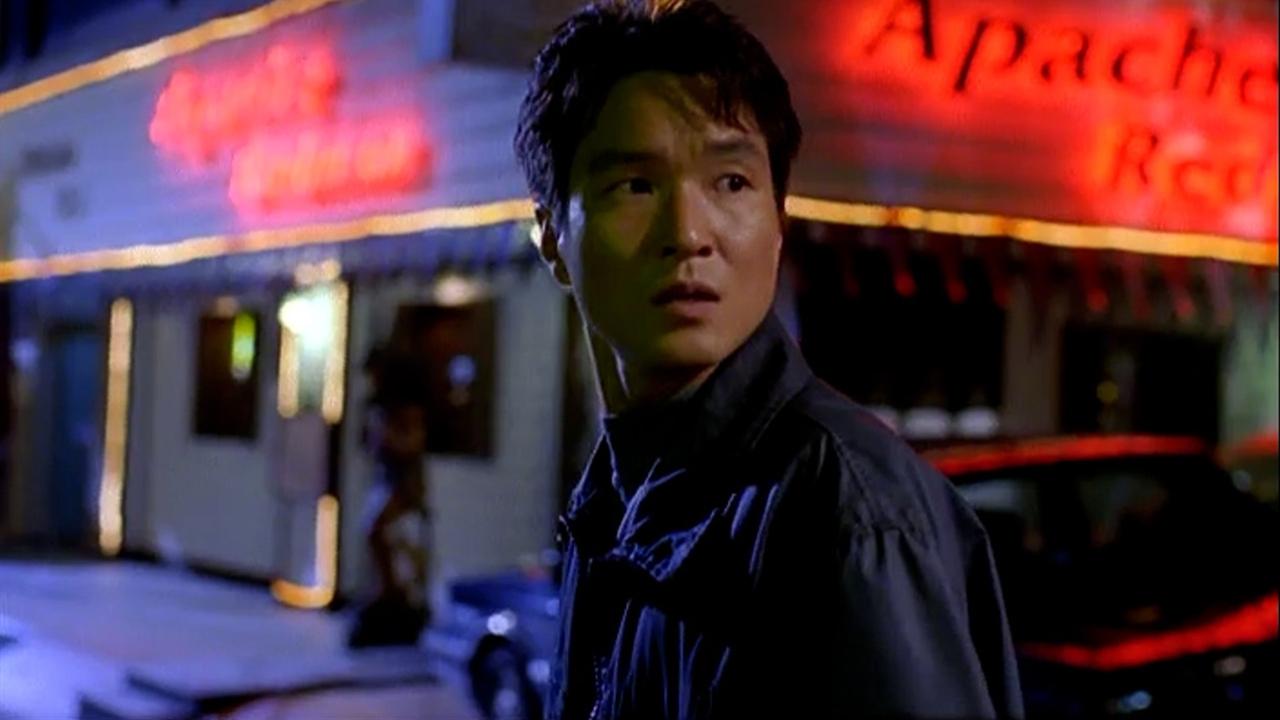
Shiri remains a landmark film, a pivotal moment in modern Korean cinema that still crackles with intensity decades later. Its blend of explosive action, gripping espionage, and heartbreaking melodrama is potent and deeply affecting. The performances are stellar across the board, and Kang Je-gyu's direction is confident and impactful, delivering suspense and spectacle without sacrificing emotional depth. While some elements might feel familiar within the spy genre now, its specific cultural context and the raw power of its central tragedy keep it compelling. It’s a film that leaves you breathless not just from the action, but from the weight of its implications.
Rating: 9/10
Justification: Shiri earns its high score for its groundbreaking impact on Korean cinema, its masterful blend of high-stakes action and potent melodrama, stellar performances (especially from Choi Min-sik and Kim Yoon-jin), and its tense, atmospheric direction. It set a new standard and delivered a thriller with genuine emotional resonance and lingering thematic weight, perfectly capturing a specific cultural anxiety. It’s more than just a movie; it’s a piece of cinematic history that still packs a punch. Watching it again reminds you why the late 90s felt like such an exciting, transformative time for international cinema hitting our shores via those beloved VHS tapes.