Alright, pop that tape in, maybe give the heads a quick clean – tonight we’re diving into a mid-90s curiosity, a slick slice of professional assassin intrigue that pits Rocky Balboa against… well, a Zorro-in-waiting with a serious caffeine habit. I'm talking about Richard Donner's 1995 thriller, Assassins. This one landed on shelves with the weight of its star power and a director known for delivering the goods, but beneath the surface, there’s a fascinating story of clashing egos and creative visions.
### The Old Guard vs. The New Blood
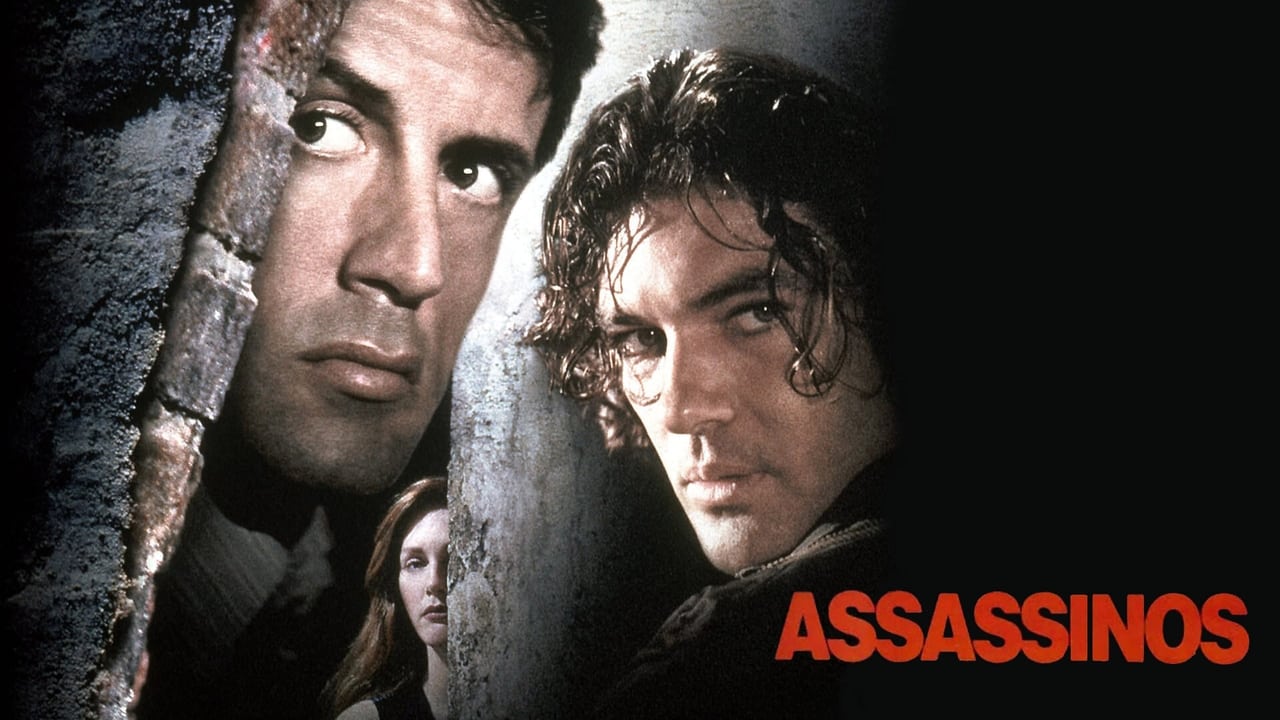
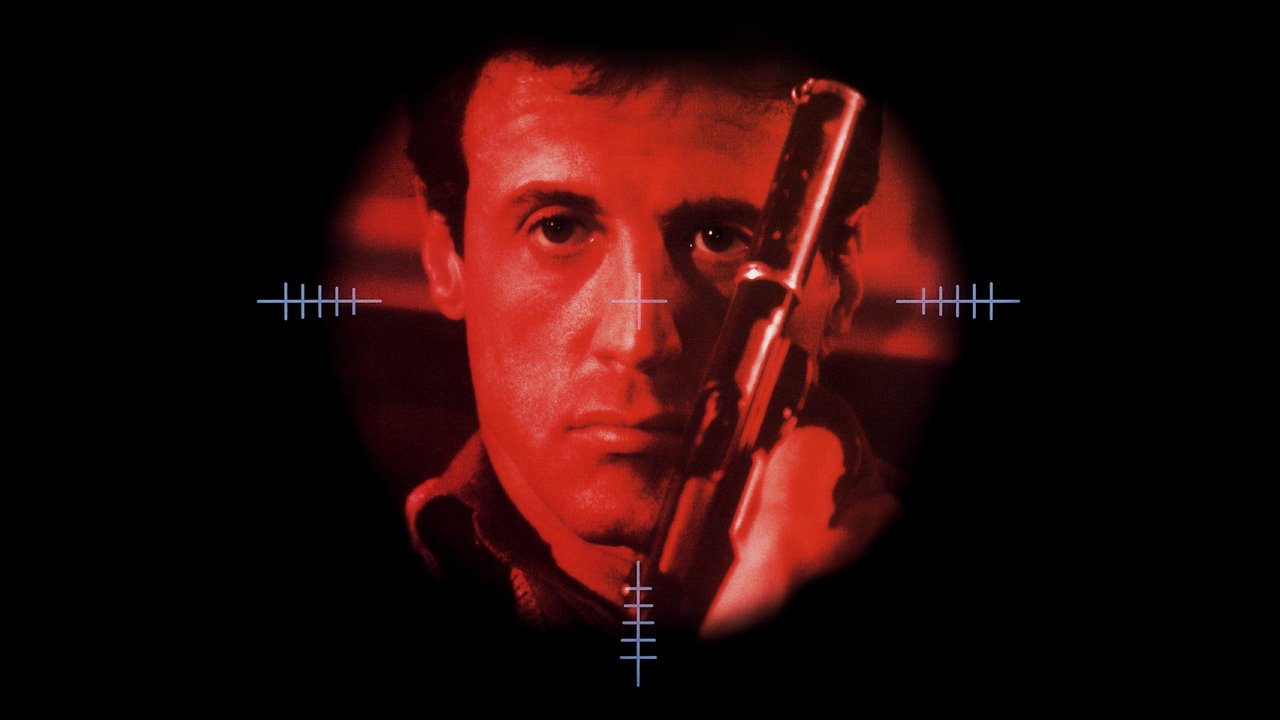
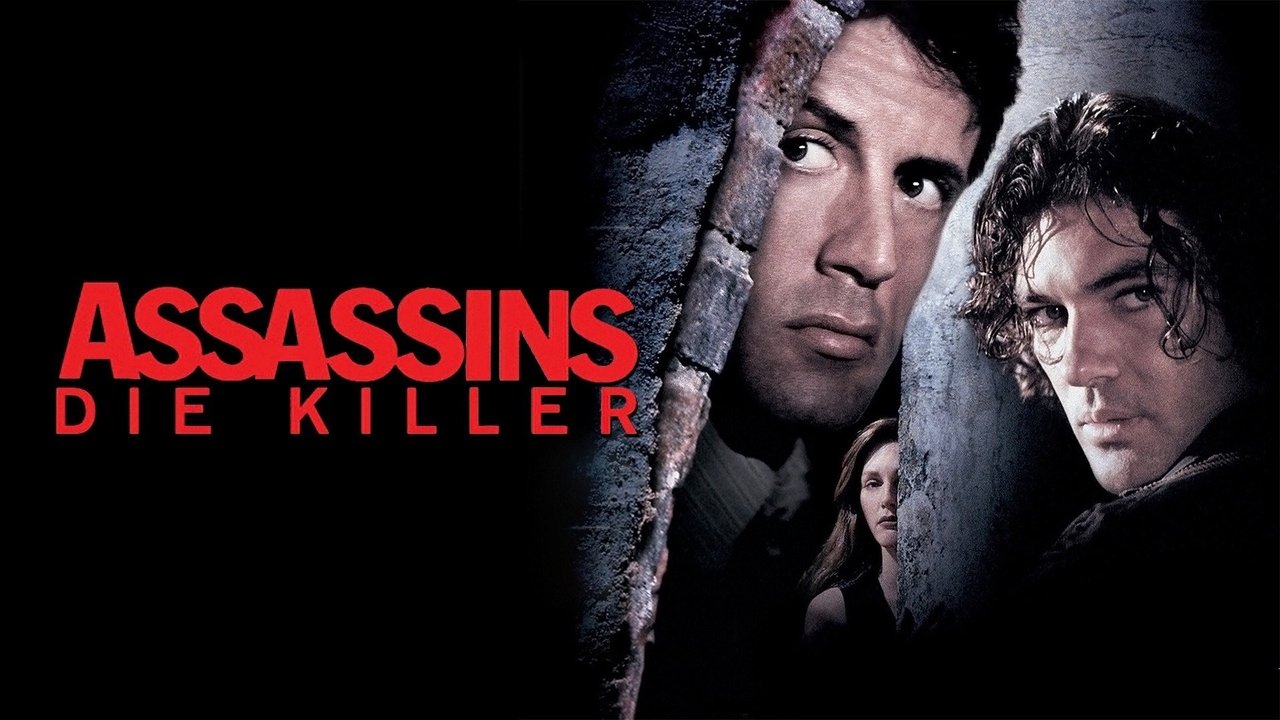
Remember that feeling? Seeing Sylvester Stallone’s name above the title almost guaranteed a certain kind of rugged action. Here, he’s Robert Rath, a veteran hitman burdened by the ghosts of his past (particularly the assassination of his own mentor decades earlier, a scene chillingly depicted in the opening). Rath is the best, the quiet professional, haunted and looking for the exit door. He communicates largely through weary sighs and the subtle flexing of jaw muscles, a performance of minimalist cool that feels like Stallone consciously trying to dial down the Rambo intensity. He’s effective, conveying the weight of a lifetime spent in the shadows.
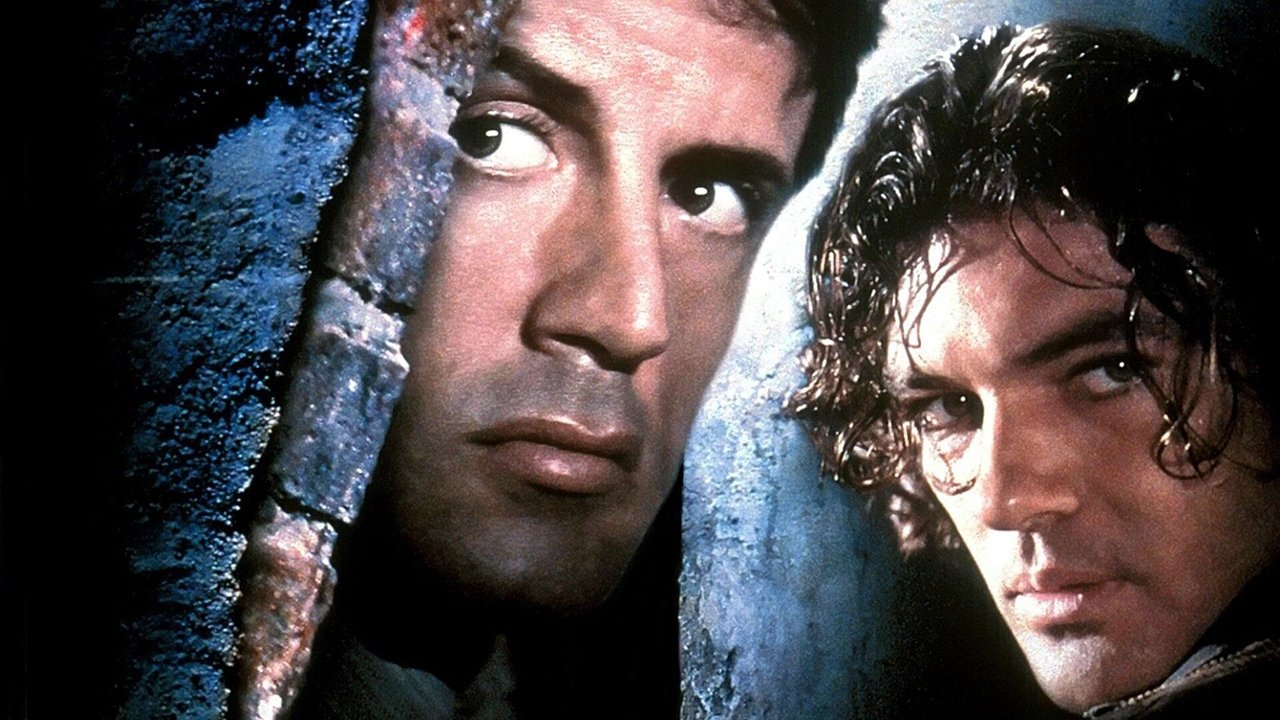
But then there’s Miguel Bain. ¡Ay, Dios mío! Antonio Banderas, practically vibrating with manic energy, crashes the party as the ambitious upstart eager to claim the top spot. Bain is pure chaotic charisma – leaping, laughing, relishing the hunt with an almost theatrical flair. He’s not just killing targets; he’s performing. Banderas absolutely devours the scenery, injecting a jolt of high-voltage unpredictability that the film desperately needs. You almost feel bad for Stallone; it’s like trying to have a quiet chess match while someone juggles flaming chainsaws next to you. There were persistent whispers back in the day that Stallone wasn't thrilled with Banderas stealing scenes, leading to some behind-the-scenes tension – a dynamic that ironically mirrors their on-screen rivalry perfectly.
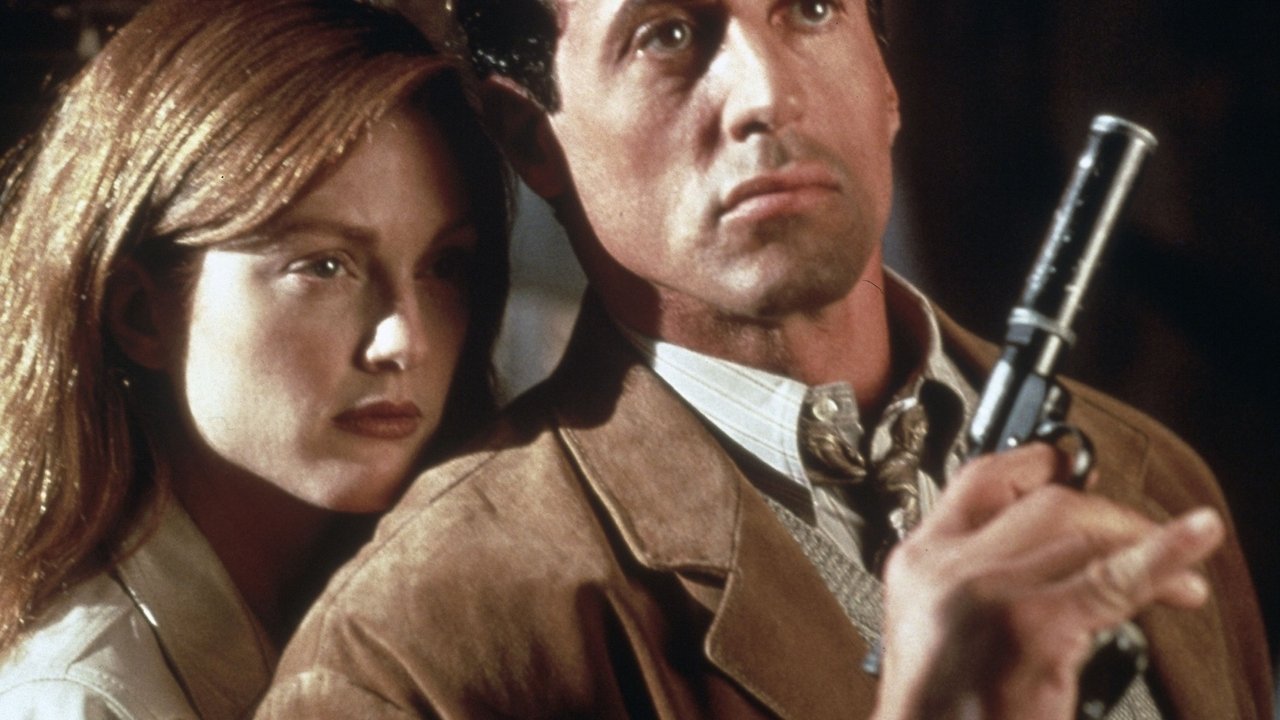
Caught between these two deadly forces is Electra (Julianne Moore), a surveillance expert and information broker who becomes Rath’s target, then reluctant ally. Moore, already showing the intelligence and nuance that would define her career, brings a grounded reality to the heightened world of contract killers. She’s resourceful and believably terrified, making her more than just a damsel in distress, even if the script occasionally nudges her in that direction.
### Donner Delivers the Practical Punch
When it comes to action, Richard Donner knew how to stage it with clarity and impact. Coming off hits like the Lethal Weapon series, he brings a certain muscular professionalism to the proceedings. The film boasts some genuinely impressive set pieces that feel gloriously tangible in that pre-CG-overload way. Remember that frantic taxi chase through the streets of Seattle? Real cars, real near-misses, culminating in that spectacular multi-car pile-up under the Monorail. That’s pure, unadulterated 90s practical stunt work, choreographed with a precision that still holds up. You feel the crunch of metal.
Then there’s the tense, rain-soaked cemetery sequence – a masterclass in suspense building, using the environment and sound design to create palpable dread before the bullets inevitably fly. The squibs looked vicious back then, didn't they? And the explosive finale in that dilapidated, gorgeous old bank building in San Juan, Puerto Rico (doubling for a Caribbean island)? Donner orchestrates the chaos beautifully, making the crumbling architecture an active participant in the showdown. Composer Mark Mancina, hot off scoring Speed, provides a suitably percussive and driving score that ramps up the tension effectively during these moments.
### The Script Saga: A Tale of Two Visions
Here’s where things get really interesting, folks – a classic "Retro Fun Fact" goldmine. The original script was penned by none other than Andy and Lana Wachowski, years before they redefined sci-fi with The Matrix. Their version was apparently denser, more philosophical, exploring the existential angst of the assassin's life. However, when Stallone and Donner came aboard, veteran screenwriter Brian Helgeland (who'd later win an Oscar for L.A. Confidential) was brought in for significant rewrites, streamlining the plot and beefing up the action. The Wachowskis were reportedly so unhappy with the changes that they tried, unsuccessfully, to have their names removed from the final film! Knowing this backstory casts the film in a new light; you can almost see the seams where the more introspective elements clash with the straightforward thriller mechanics. It also explains why Banderas’s flamboyant character feels like he stepped out of a slightly different, perhaps more stylized, movie – maybe closer to the Wachowskis' original intent? It’s also wild to think that Mel Gibson was Donner’s initial choice for Rath, with Woody Harrelson considered for Bain. A very different film that would have been!
### Dial-Up Danger and Dated Tech
Watching Assassins today is also a fun trip back to the dawn of the consumer internet age. Electra’s world revolves around hacking, digital surveillance, and selling secrets via… floppy disks! Her high-tech setup, with its bulky monitors and dial-up modem sounds, feels charmingly antiquated now, a snapshot of cutting-edge cool circa 1995. It adds another layer of nostalgia, reminding us how far and fast technology has galloped. The themes of surveillance and hidden identities resonate differently now, perhaps more acutely, but the tools depicted are pure retro gold.
### Final Verdict & Rating
Assassins arrived in theaters to decent box office but a decidedly mixed critical reception. Many found the plot familiar ("aging hitman wants out"), but Banderas consistently earned praise. Viewed today, it’s a fascinating artifact: a slick, well-crafted thriller showcasing a legendary action director doing what he does best, two stars at very different points in their careers generating genuine sparks (both on and off-screen, apparently), and a script with a turbulent history that adds an extra layer of intrigue. It’s maybe not top-tier Donner or Stallone, but it’s undeniably entertaining.
Rating Justification: The film scores points for Richard Donner's assured direction, the visceral quality of its practical action sequences, and Mark Mancina's propulsive score. Antonio Banderas's electrifying performance is a major highlight, injecting vital energy. Julianne Moore also provides solid support. However, the somewhat predictable core plot, stemming from that heavily rewritten script, holds it back from greatness. Sylvester Stallone's subdued performance, while fitting for the character, feels occasionally overshadowed by Banderas's fireworks. The blend of tones isn't always seamless. It's a highly competent, often exciting, but ultimately familiar 90s studio thriller.
Rating: 7/10
It might not be the most profound film on the shelf, but slide Assassins into your VCR, and you get a satisfying dose of high-gloss 90s action, powered by one Banderas performance that’s simply too much fun to ignore. Sometimes, that’s exactly what VHS Heaven ordered.