## The Quiet Inmate Watching It All
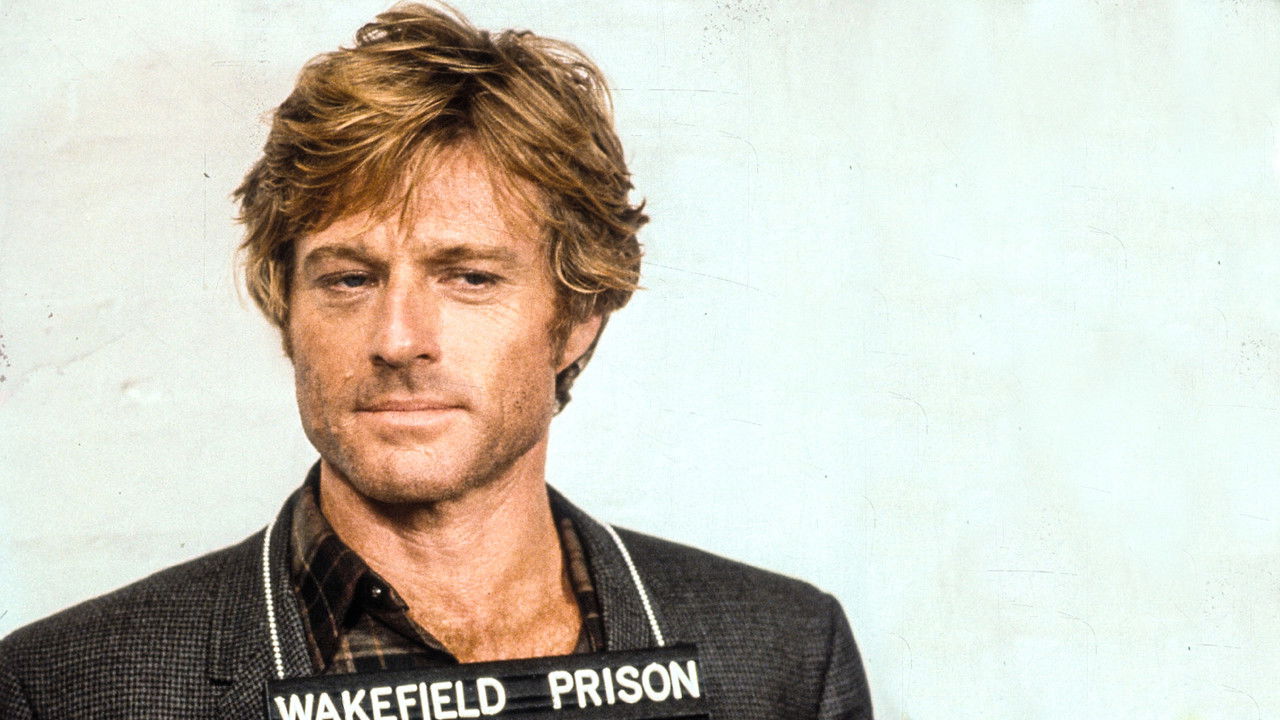
There’s a particular kind of unease that settles in when you watch someone deliberately place themselves into the heart of a broken system, knowing the rot goes deeper than anyone suspects. That’s the feeling that permeates Brubaker, the 1980 prison drama directed by Stuart Rosenberg, a man who certainly knew his way around institutional walls after giving us the iconic Cool Hand Luke (1967). This isn't a tale of daring escapes or hardened criminals finding unlikely redemption arcs, not really. It’s something far more grounded, and perhaps more chilling: a stark look at systemic corruption observed from the inside out.
Beneath the Surface
The film drops us, alongside Henry Brubaker (Robert Redford), into the squalor and simmering violence of Wakefield State Penitentiary. But Brubaker isn't just another new arrival; he's the new warden, undercover, absorbing the brutality, the neglect, and the ingrained corruption that festers within the prison walls before revealing his true identity. It’s a powerful setup, immediately establishing the stakes and Brubaker's unorthodox, idealistic approach. What he uncovers is far worse than mismanagement – it's a culture of abuse, graft, and even murder, sanctioned by silence and complicity that reaches far beyond the prison gates.
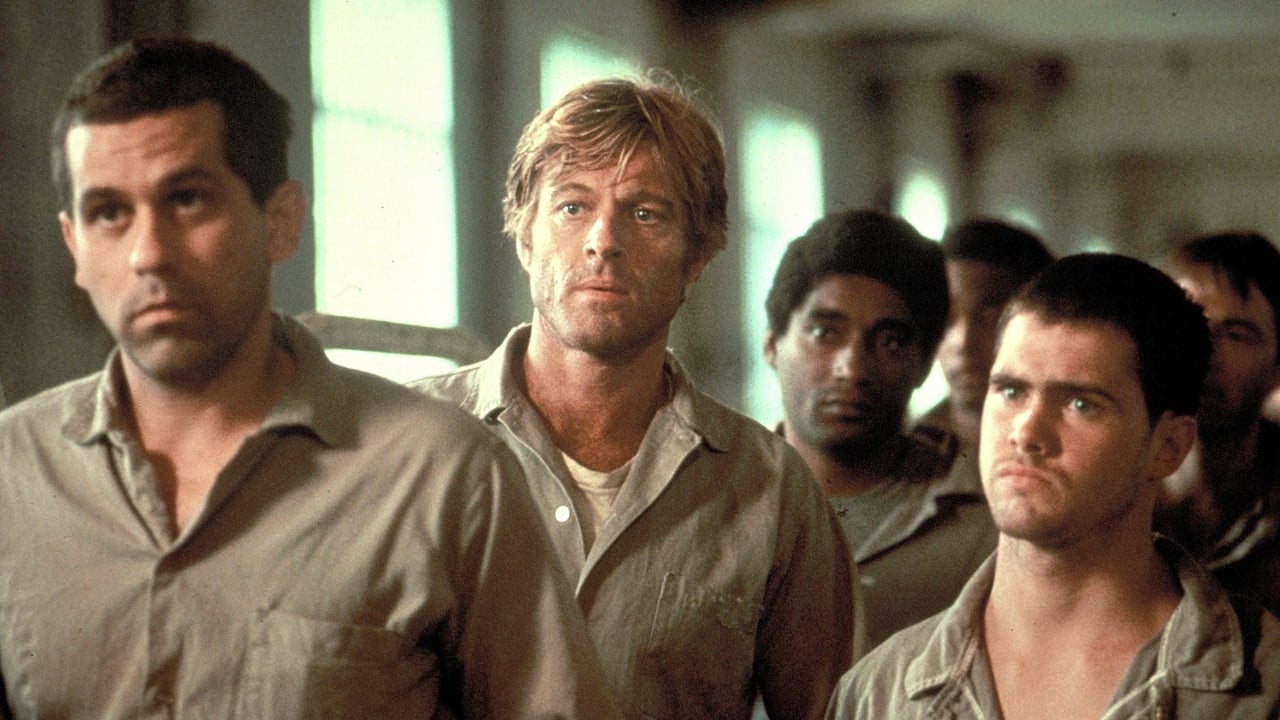
Robert Redford delivers one of his most compelling and understated performances here. Gone is the easy charm often associated with his star persona. As Brubaker, he's watchful, determined, and carries the weight of his discoveries in his posture, his gaze. You see the initial shock give way to a steely resolve, and later, a weariness born from battling an entrenched system that resists change at every turn. His portrayal feels authentic; it’s the quiet conviction of a man driven by principle, even as the personal cost mounts. He doesn’t grandstand; he observes, reacts, and pushes forward, making his eventual confrontations all the more impactful.
The Weight of the System
Supporting Redford is a superb cast who embody the various facets of the prison ecosystem. Yaphet Kotto, always a formidable screen presence (think Alien or Live and Let Die), is exceptional as Richard 'Dickie' Coombes, a long-term inmate who becomes a wary ally to Brubaker. Kotto brings a dignity and world-weariness to the role, conveying years of navigating the prison's treacherous currents. Jane Alexander, portraying Lillian Gray, a state official caught between political expediency and Brubaker's inconvenient truths, offers a nuanced performance. Her character represents the political machine that enables the rot, even if she personally finds it distasteful. Their interactions with Redford feel grounded and real, amplifying the film's central conflicts.
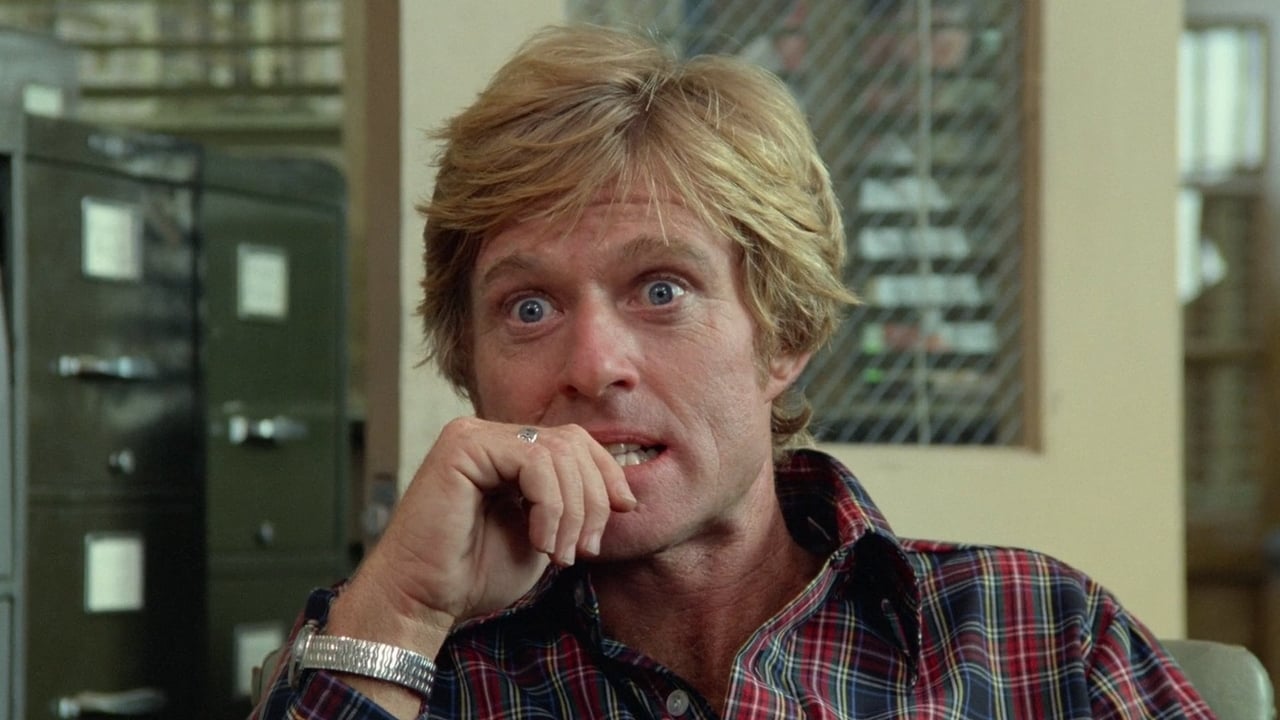
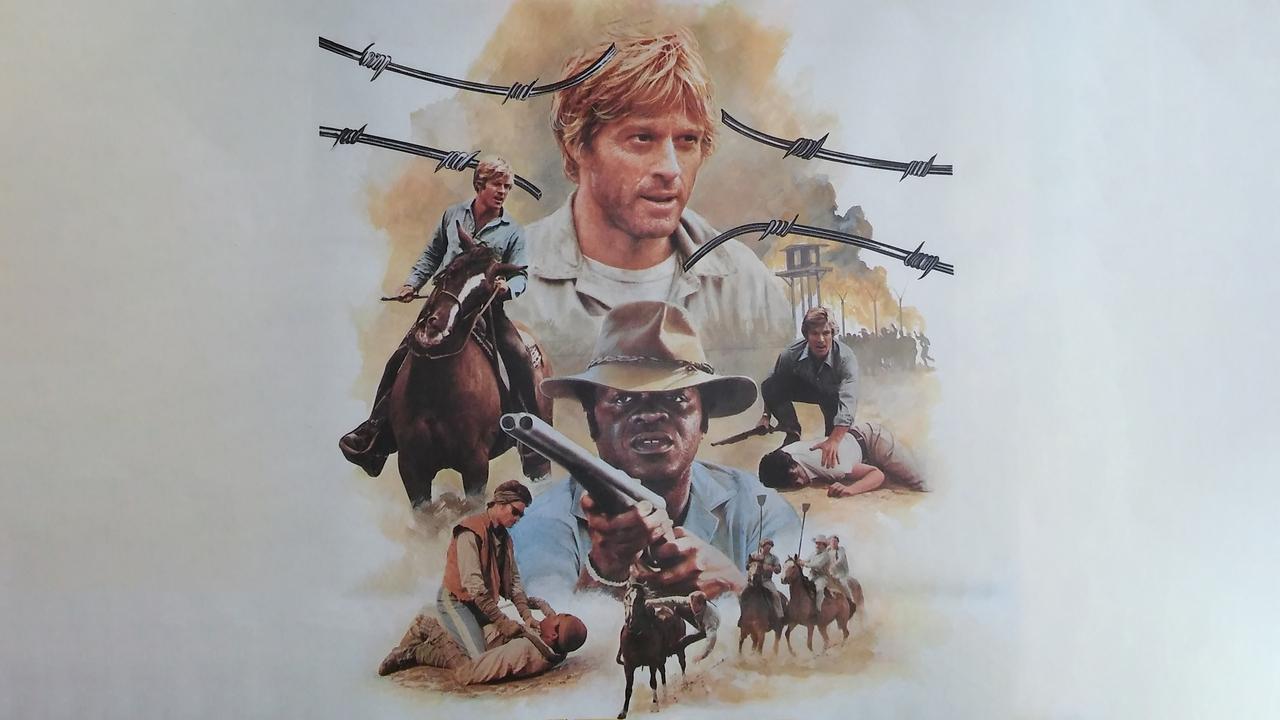
Rosenberg’s direction is unflinching. He doesn't shy away from the grim realities of Wakefield – the inedible food, the horrific medical conditions, the constant threat of violence. The cinematography captures the bleakness, the mud, the decay, making the prison itself a character. There's little glamour here, which makes Brubaker's attempts at reform feel both heroic and, at times, achingly naive. Can one good man truly cleanse such a deeply infected wound? The film dares to ask this question without offering easy reassurances.
Seeds of Truth in Arkansas Soil
What gives Brubaker such lasting power is its basis in reality. The screenplay by W.D. Richter (who would later direct the cult classic The Adventures of Buckaroo Banzai Across the 8th Dimension) was inspired by the true story of Thomas O. Murton, a penologist appointed to reform Tucker State Prison Farm in Arkansas in the late 1960s. Murton, like Brubaker, uncovered horrific conditions and, most disturbingly, evidence of inmates murdered and buried on prison grounds. His efforts, documented in the book Accomplices to the Crime: The Arkansas Prison Scandal (co-authored with Joe Hyams), ultimately led to his dismissal – a harsh reality mirrored in the film's famously downbeat ending. Knowing this backstory adds another layer of sobering weight; this wasn't just Hollywood invention. Filming primarily at the decommissioned Junction City Prison in Ohio lent an undeniable air of authenticity that permeates every frame. Made on a budget of around $9 million, it performed respectably, earning over $37 million at the box office, proving audiences were ready for its challenging narrative.
Watching Brubaker back in the day, perhaps rented from a corner video store shelf usually populated by action heroes and sci-fi epics, felt different. It was the kind of film that stuck with you, prompting conversations long after the tape finished rewinding. It wasn't escapism; it was an examination, a dissection of power and its abuse, presented with a maturity that felt vital. Its refusal to provide a triumphant, clean resolution felt honest, reflecting the messy, often frustrating reality of fighting entrenched systems.
An Uneasy Legacy
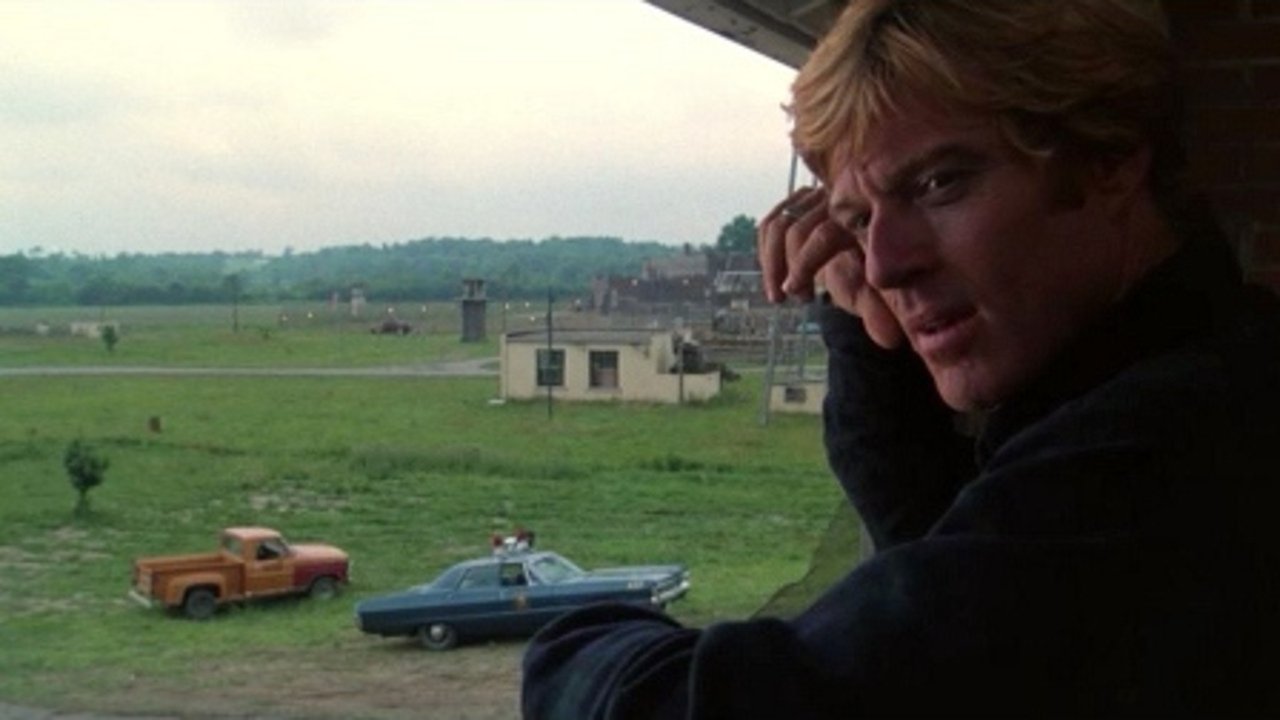
Brubaker remains a powerful piece of filmmaking. It’s a testament to Robert Redford's commitment to using his star power for substantive projects and Stuart Rosenberg's skill in crafting taut, atmospheric drama. The film forces us to confront uncomfortable truths about institutional power and the human cost of corruption. Its realism, grounded performances, and refusal of easy answers make it a standout prison drama from the era. While some elements might feel familiar within the genre now, the film's core message about the difficulty – and necessity – of fighting for reform resonates strongly. The question it leaves lingering is perhaps the most haunting: how much has truly changed?
Rating: 8.5/10
This rating reflects the film's exceptional performances, particularly from Redford and Kotto, its unflinching realism, potent themes, and skillful direction. It's a serious, thought-provoking drama anchored in a disturbing true story, losing only minor points perhaps for a deliberate pacing that demands patience. It stands as a stark, compelling reminder of the battles fought, won, and often lost, within the walls we build. A necessary watch, then and now.