Okay, let's dim the lights, maybe crack open a Jolt Cola if you've still got one stashed away (just kidding... mostly), and settle in. We're sliding a tape into the VCR today that hits differently now than it did back in '97. It’s a film humming with a frantic, desperate energy, shot through with surprising humor and anchored by two performers absolutely crackling with life. We're talking about Vondie Curtis-Hall's directorial debut, Gridlock'd.

Remember that feeling? The one where you know you need to make a change, right now, but every single door seems to slam shut in your face? That’s the engine driving this often-overlooked gem. It’s less a plot-driven narrative and more a mood piece, a frantic 24-hour odyssey through the bureaucratic hellscape faced by two heroin addicts trying desperately to get clean after their friend and bandmate, Cookie (Thandiwe Newton, radiating vulnerability), overdoses on New Year's Day.
Navigating the Maze
Our guides through this urban labyrinth are Spoon (Tupac Shakur) and Stretch (Tim Roth), two Detroit poets/musicians/junkies whose banter and deep-seated loyalty form the absolute core of the film. The premise is deceptively simple: they want to enter detox. The execution is anything but. They bounce from indifferent hospital clerks to bewildering government assistance offices, encountering a Kafkaesque series of Catch-22s. Need rehab? Need Medicaid first. Need Medicaid? Need proof of residency, a recent pay stub, maybe sacrifice a goat under a full moon – the rules shift and evaporate like smoke. This isn't just plot; it’s a stinging indictment of a system seemingly designed to perpetuate the cycles it claims to break.
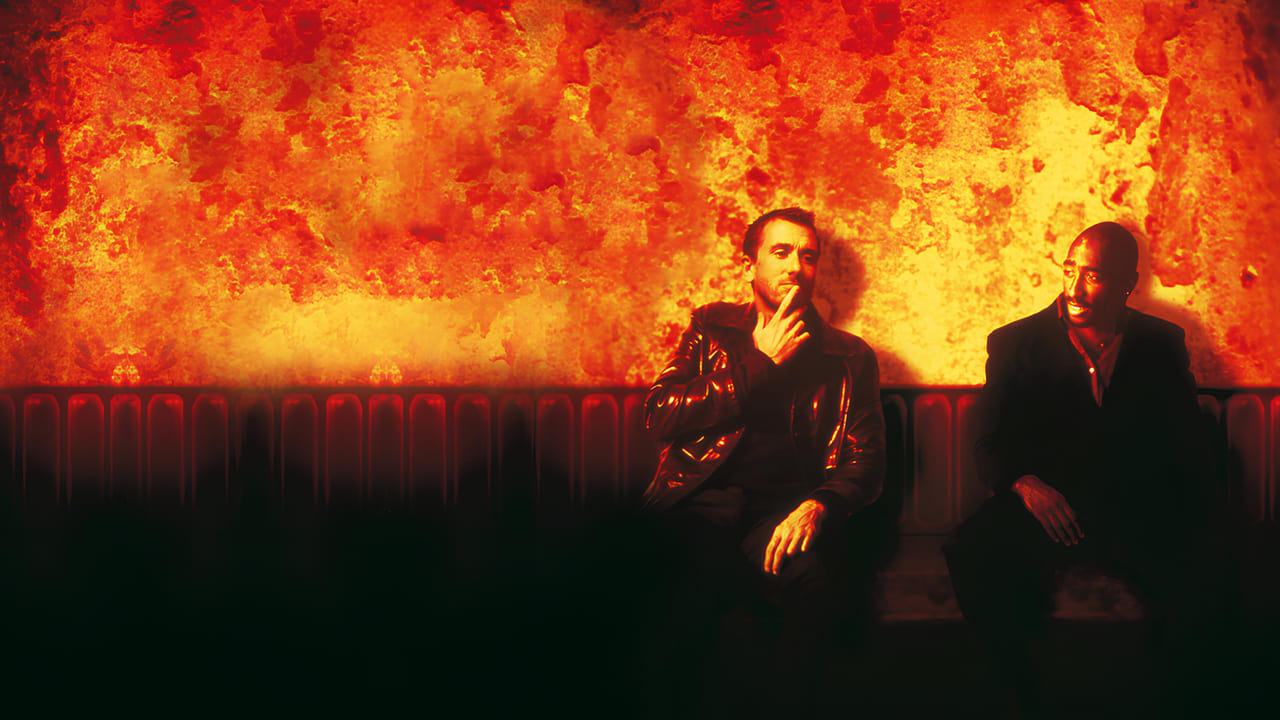
What elevates Gridlock'd beyond a simple social commentary or a buddy comedy (though it has elements of both) is its raw authenticity. Writer-director Vondie Curtis-Hall drew heavily from his own experiences attempting to get a friend into rehab back in the 70s, and that lived-in frustration permeates every frame. You feel the ticking clock, the rising panic, the absurdity that somehow becomes tragically funny. The dialogue snaps and pops, feeling less scripted and more like eavesdropping on two guys who know each other inside and out, riffing to keep the darkness at bay.
A Spark Ignited, A Light Extinguished
Let's talk about the performances, because they are phenomenal. Tim Roth, lean and twitchy, embodies Stretch's jittery intelligence and simmering desperation. He’s the more outwardly volatile of the pair, yet Roth finds the wounded heart beneath the cynicism. He’d already proven his chops in films like Reservoir Dogs (1992) and Pulp Fiction (1994), but here he finds a unique frequency, a frantic dance on the edge.
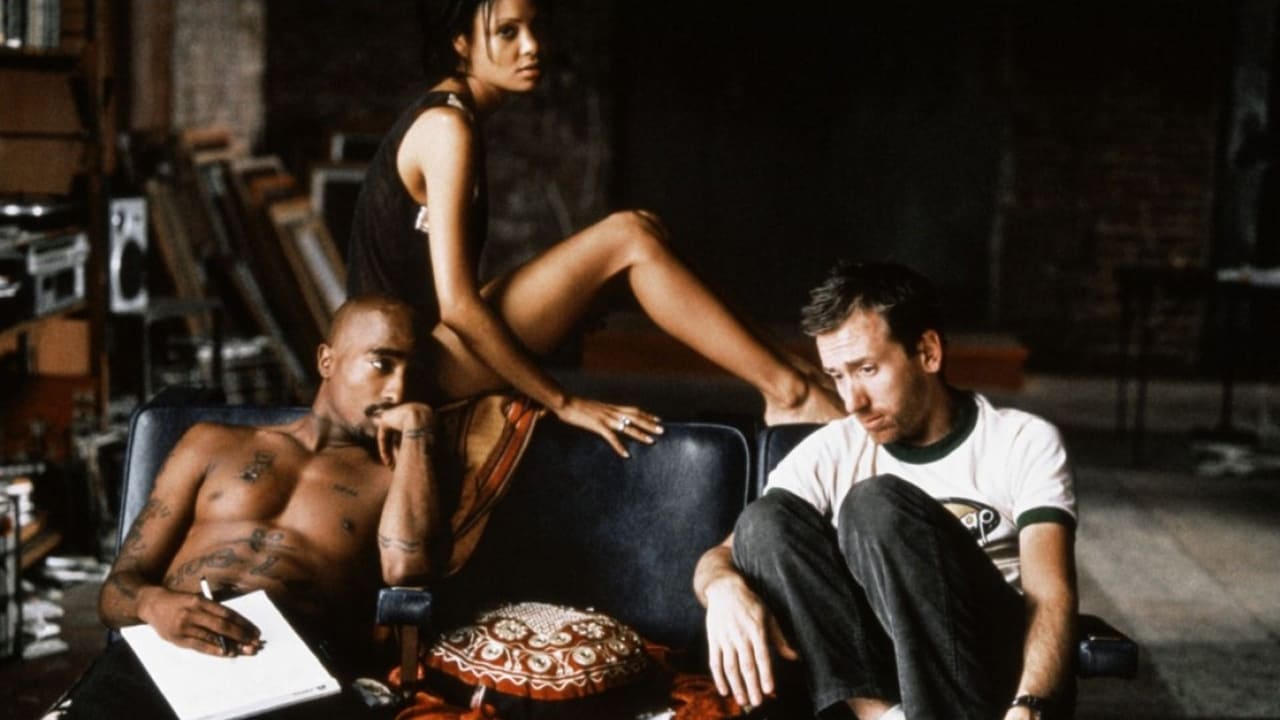
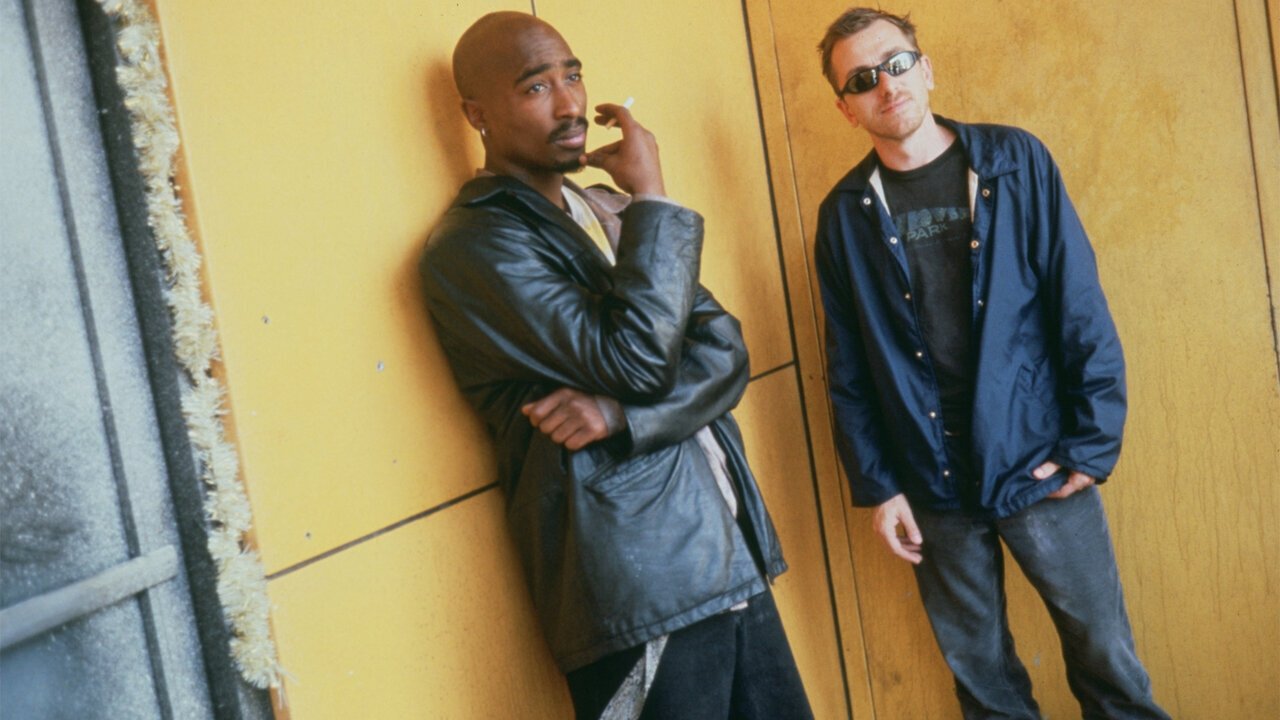
And then there's Tupac Shakur. Watching Gridlock'd carries an undeniable weight, knowing this was one of his final performances, released just months after his murder in September 1996. But setting aside the tragic context for a moment, his portrayal of Spoon is simply magnetic. He’s the calmer center, thoughtful, weary, but resolute. Shakur brings an incredible naturalism and soulfulness to the role, showcasing a depth and charisma that hinted at a towering acting career tragically cut short. The chemistry between him and Roth is electric; their friendship feels utterly real, their shared history etched into every glance and sarcastic retort. Reports from the set confirmed their mutual respect and strong bond, which absolutely translates onto the screen. It’s the film’s anchor, the reason we stick with these flawed characters through their infuriating journey.
Detroit Grit and Jazzy Blues
Curtis-Hall, primarily known as an actor before this (Coming to America, Die Hard 2), directs with a confident, unfussy style. He captures the wintry bleakness of Detroit without romanticizing it, letting the environment become another obstacle. The relatively tight 30-day shooting schedule might have even contributed to the film's restless energy. The whole thing is underscored by a fantastic jazz and soul soundtrack – fitting, given Spoon and Stretch's artistic pursuits – which acts as both a counterpoint and companion to their chaotic day. That soundtrack album, by the way, became a huge hit, another layer to the film’s complicated legacy.
Retro Fun Facts Woven In
- As mentioned, the film is deeply personal for Vondie Curtis-Hall, based on his real struggles trying to navigate the system with a friend decades earlier.
- Despite its heavy themes, the film premiered at the Sundance Film Festival to generally positive reviews, particularly praising the lead performances.
- The budget was a modest $5 million, and while not a huge box office smash (grossing around $5.6 million domestically), its cultural resonance, particularly tied to Tupac, has far outlasted its initial theatrical run. I distinctly remember renting this on VHS shortly after its release, the experience heavily shadowed by the recent news of Shakur's death, making Spoon's onscreen quest for change feel unbearably poignant.
Does it Hold Up?
Absolutely. While some of the bureaucratic specifics might feel slightly dated (though, let's be honest, is navigating aid systems ever truly easy?), the core themes of addiction, friendship, systemic failure, and the sheer human will to survive feel timeless. The dark humor still lands, the frustration still feels palpable, and the central performances remain utterly compelling. It avoids easy answers or neat resolutions, presenting a messy slice of life that sticks with you. Doesn't that struggle against indifference, whether personal or systemic, still resonate deeply today?
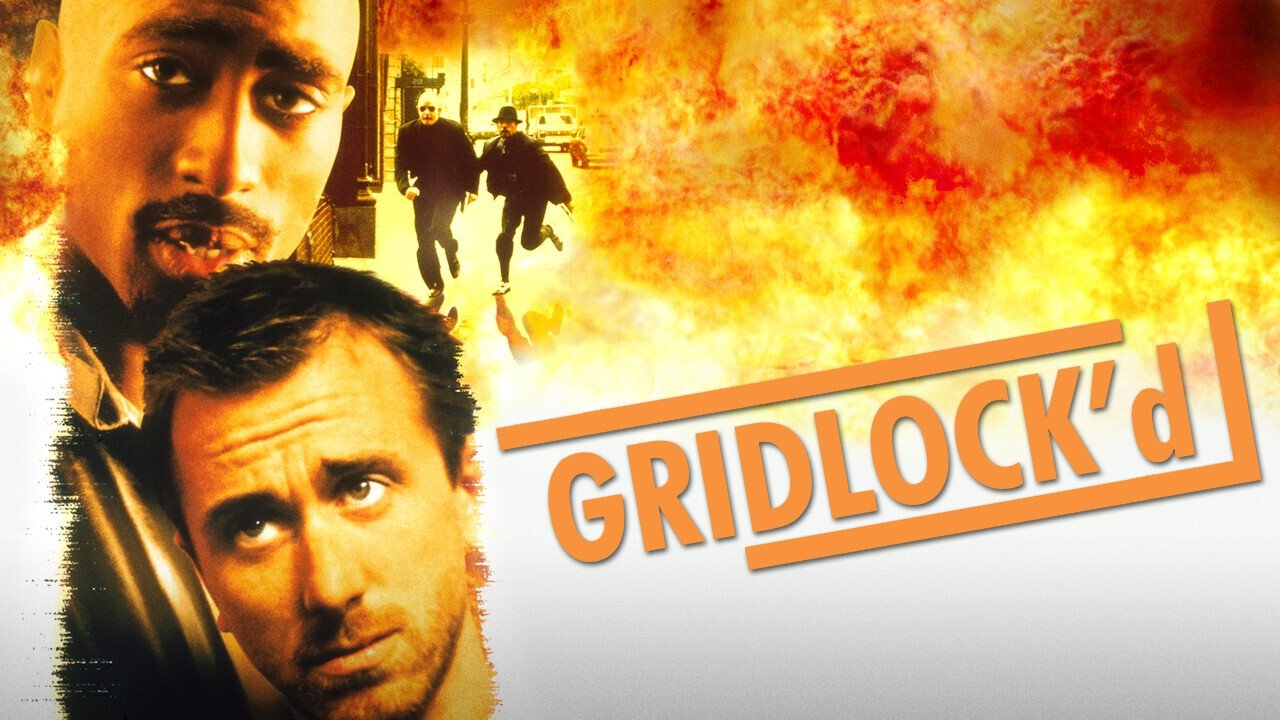
Rating: 8/10
This score is earned through the powerhouse performances of Shakur and Roth, their incredible chemistry, Curtis-Hall's authentic direction grounded in personal experience, and the film's skillful tightrope walk between bleak drama and sharp, unexpected humor. It’s a raw, energetic, and ultimately moving piece of 90s independent cinema that captures a specific kind of desperation with startling clarity.
Gridlock'd remains a potent film, a snapshot of talent burning bright, and a sometimes funny, often frustrating, always human look at hitting rock bottom and trying to claw your way back up, one slammed door at a time. It’s a tape well worth revisiting, especially if you appreciate performances that feel lived-in and stories that aren't afraid to show the cracks in the pavement. What lingers most, perhaps, is that spark of hope flickering defiantly against overwhelming odds.