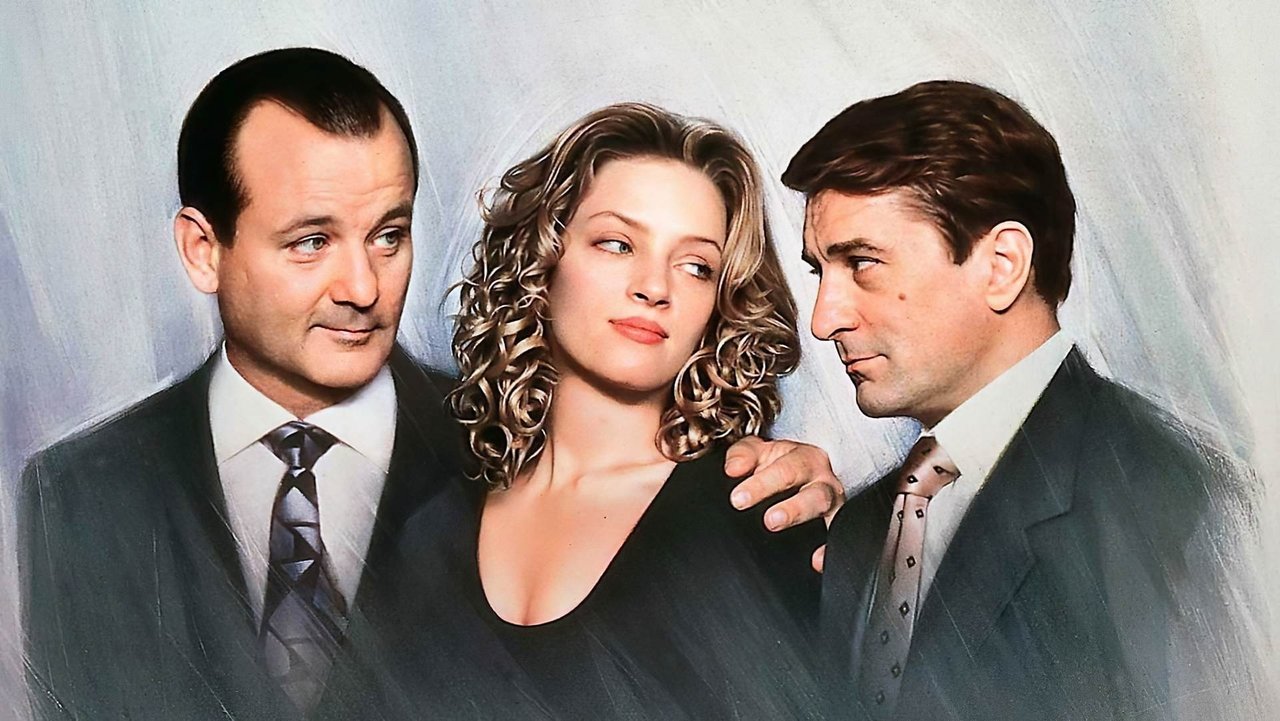
Here we go, another dive into the flickering cathode ray memories banked deep within the aisles of "VHS Heaven". This time, we're pulling out a title that always felt a little... different. Seeing the names Robert De Niro, Bill Murray, and Uma Thurman splashed across the cover of Mad Dog and Glory (1993) back in the day certainly set expectations. De Niro, the titan of intense character work. Murray, the king of anarchic comedy. Thurman, already radiating star power after Dangerous Liaisons (1988) and poised for Pulp Fiction (1994) just around the corner. What strange alchemy would director John McNaughton, previously known for the chillingly bleak Henry: Portrait of a Serial Killer (1986), bring to this? The result is a film that defies easy labels, a curious, melancholic character study masquerading, perhaps uncomfortably, in the clothes of a crime comedy-drama.
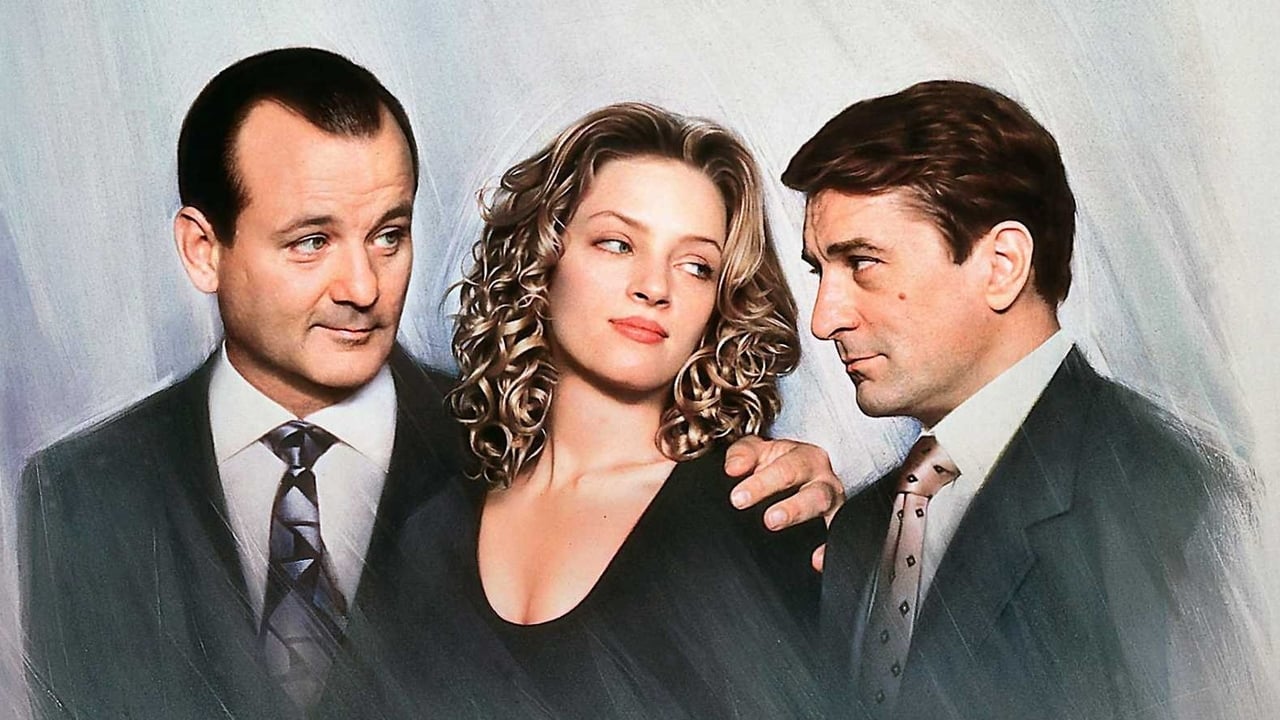
Not Quite What the Label Promised
The central premise, penned by the great chronicler of urban landscapes, Richard Price (Clockers, The Wire), feels almost like a high-concept pitch: Wayne "Mad Dog" Dobie (Robert De Niro) is a painfully shy Chicago police photographer who accidentally saves the life of volatile local gangster Frank Milo (Bill Murray). As a bizarre thank you, Milo gifts Wayne the company of Glory (Uma Thurman), a young woman indebted to him, for one week. It's a setup ripe for broad comedy or intense thriller territory, yet Mad Dog and Glory chooses a quieter, more introspective path. This deliberate subversion of expectation is both the film's strength and, perhaps, why it never quite found a massive audience upon release, earning a modest $11 million against its roughly $19 million budget (about $40 million adjusted for today). The studio reportedly wasn't thrilled with the title, feeling it promised more explosive action than the nuanced character piece delivered.
A Study in Reversed Roles
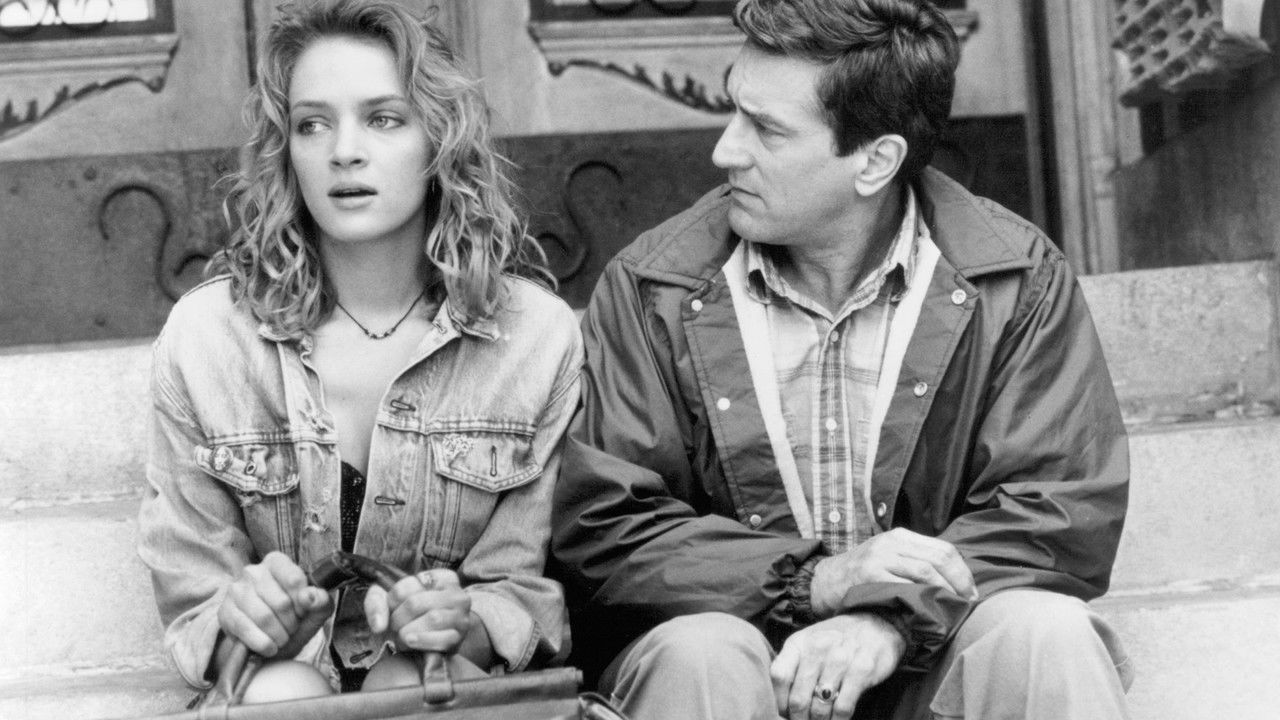
What truly elevates Mad Dog and Glory beyond its quirky premise are the performances, particularly the fascinating inversion of its two male leads. De Niro, often the coiled spring of barely contained violence, plays Wayne with a remarkable, almost painful vulnerability. He’s a man lost in his observations, more comfortable behind a lens than engaging with the messy reality of life. His nickname, "Mad Dog," is pure irony – he’s gentle, awkward, and deeply lonely. Capturing crime scenes has perhaps desensitized him to connection, until Glory enters his life. It's a performance built on small gestures, averted glances, and palpable discomfort, showcasing De Niro's incredible range far from his iconic tough-guy roles.
Conversely, Bill Murray leans into the unexpected. Known for his improvisational genius and sarcastic charm, here he channels a different kind of energy as Frank Milo. It wasn't just casting against type; Murray actively sought more dramatic roles around this time, and you can see him relishing the opportunity. Milo isn't a cartoon villain; he's complex – charming one moment, genuinely menacing the next. He fancies himself a stand-up comic (a nod to Murray's roots, perhaps?), but his jokes often land with a thud, revealing the insecurity beneath the bravado. There’s a coiled tension in Murray's portrayal, a sense that this seemingly affable guy could snap at any moment. It’s a performance that reminds us Murray is far more than just a funnyman. Fun trivia: producer Martin Scorsese's involvement likely helped facilitate this powerhouse casting.
The Heart of the Matter
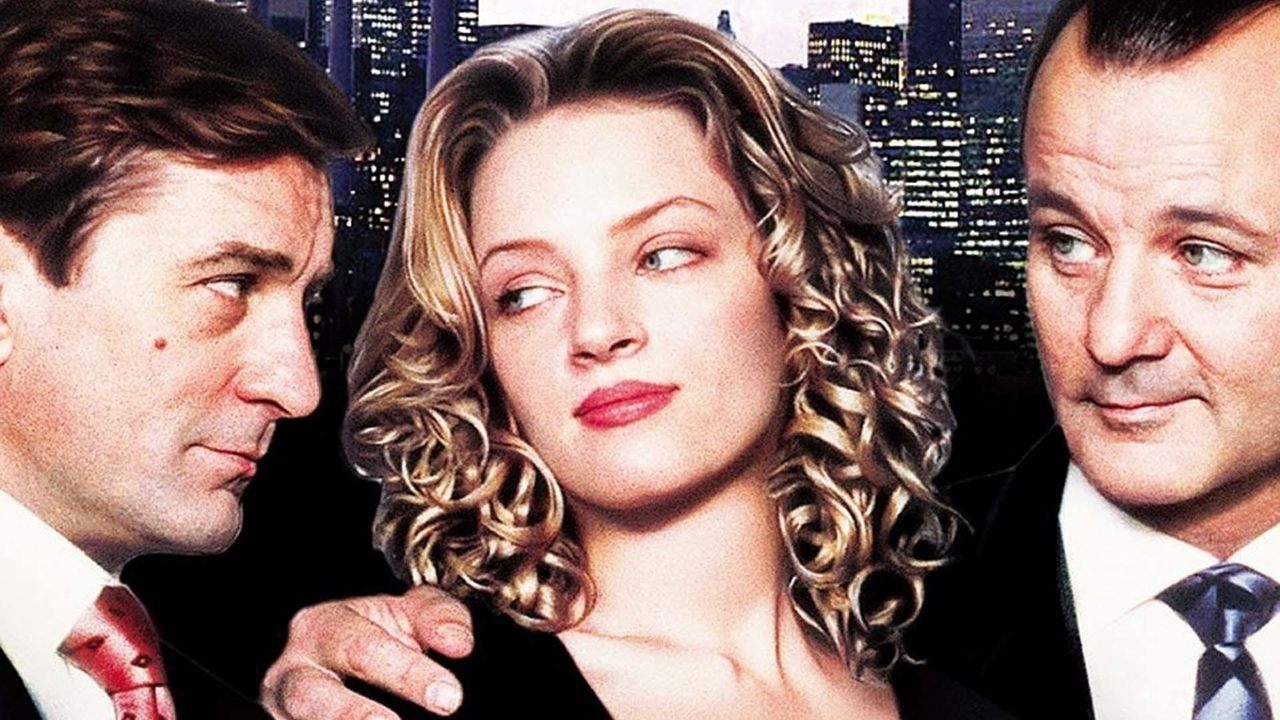
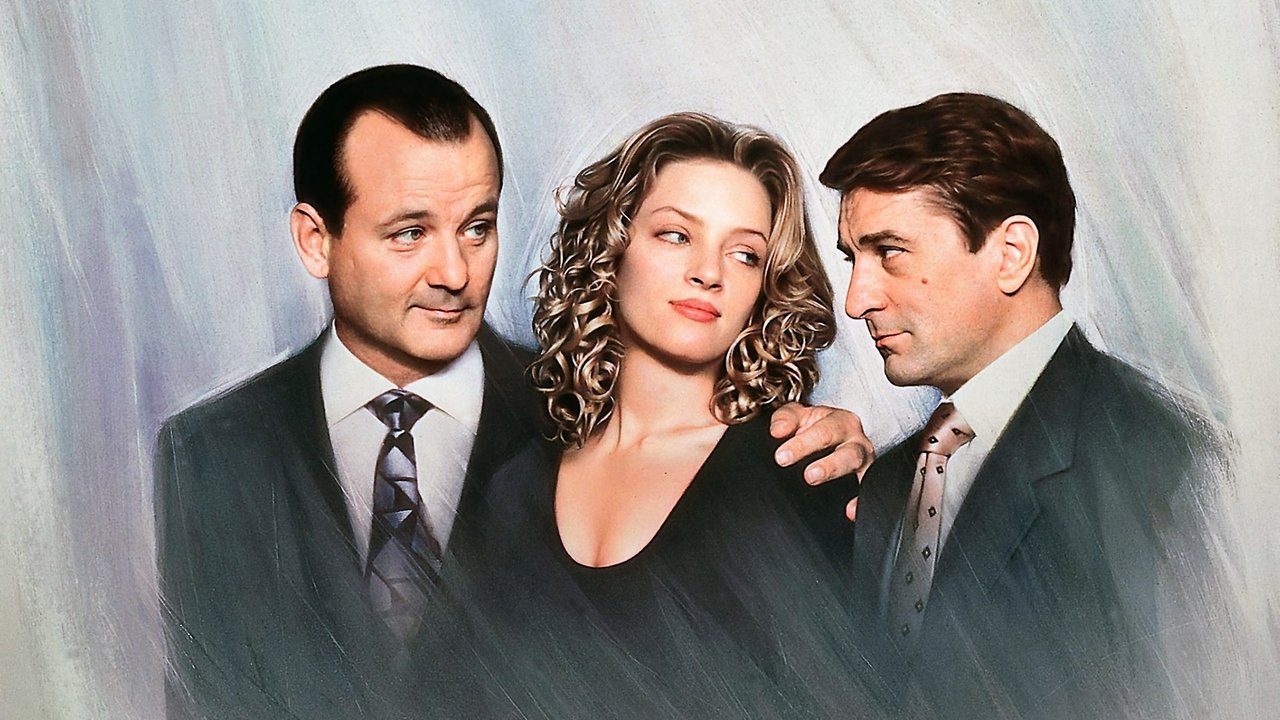
Caught between these two men is Glory. Uma Thurman has the challenging task of playing a character who is, essentially, offered as property. It's a concept that feels even more uncomfortable viewed through a modern lens. Yet, Thurman imbues Glory with a quiet dignity and intelligence. She’s observant, resilient, and possesses an agency that transcends her initial circumstances. Her growing connection with Wayne feels tentative and fragile, built not on grand romantic gestures but on shared loneliness and a hesitant tenderness. The chemistry between De Niro and Thurman is awkward and uncertain, which feels entirely appropriate for these characters. It's not a whirlwind romance; it's two damaged people cautiously finding solace in each other's presence.
A Mood Piece More Than a Plot Engine
John McNaughton's direction, aided by Richard Price's textured script, gives the film a distinct atmosphere. Chicago isn't just a backdrop; it's a living entity, captured with a kind of weary beauty by cinematographer Robby Müller (Paris, Texas, Down by Law). The film often feels steeped in late-night melancholy, reflecting Wayne's own internal landscape. It eschews flashy action sequences (save for a climactic confrontation that feels earned, if slightly conventional) in favor of lingering character moments. The pacing is deliberate, allowing the unusual relationships to unfold organically. It’s a film more interested in the ‘why’ and ‘how’ of its characters’ feelings than in hitting predictable plot beats. Some might find it slow, but for those attuned to its wavelength, it’s quietly captivating.
Lasting Impressions on Worn Tape
Mad Dog and Glory is one of those films that likely benefited from the VHS era. It's the kind of movie you might have rented on a whim, drawn by the cast, and discovered something unexpected – quieter, sadder, and more thoughtful than the box art suggested. It doesn't always perfectly balance its tonal shifts between dark comedy, romance, and potential violence, and the central premise remains ethically murky. But the committed performances, particularly the role reversal between De Niro and Murray, make it a fascinating watch. It explores themes of loneliness, connection, and the courage it takes to step outside the roles life assigns us.
Rating: 7/10
This score reflects the film's undeniable strengths – primarily the brave, nuanced performances and the unique, melancholic atmosphere – while acknowledging its sometimes awkward tone and ethically questionable premise. It doesn't quite hit masterpiece status, but its ambition and refusal to be easily categorized make it a memorable entry from the 90s, especially for appreciating actors stretching beyond their familiar personas.
It leaves you pondering the quiet desperation simmering beneath ordinary lives, and the unexpected places connection can bloom. Definitely worth dusting off the metaphorical tape for another look.