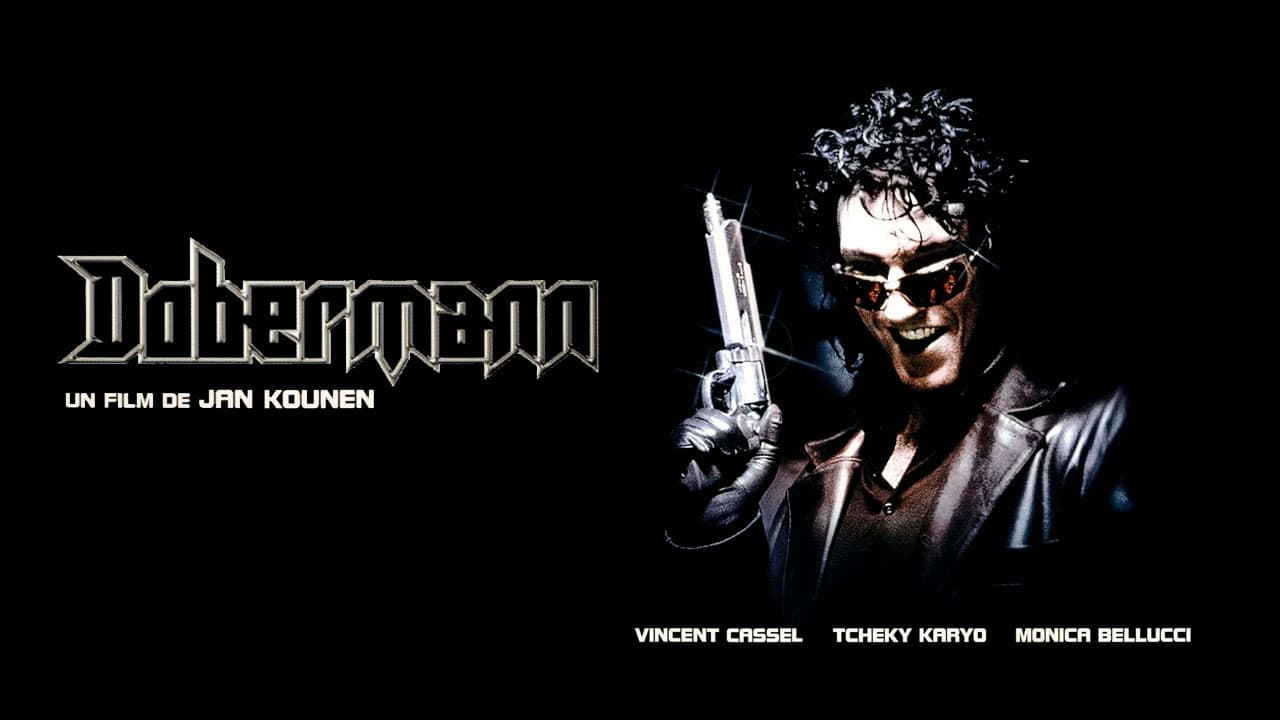
Alright, fellow tapeheads, dim the lights, maybe crack open a beverage you definitely wouldn't have been allowed back then, and let's talk about a film that felt like a Molotov cocktail lobbed directly into the VCR. I'm talking about Jan Kounen's absolutely unhinged 1997 French crime flick, Dobermann. Finding this on the rental shelf, often tucked away with a lurid cover promising pure chaos, felt like discovering contraband. It wasn't your slick Hollywood fare; this was something wilder, dirtier, and pulsating with a kind of frantic energy that left you breathless, maybe even a little disturbed, squinting through the tracking fuzz.
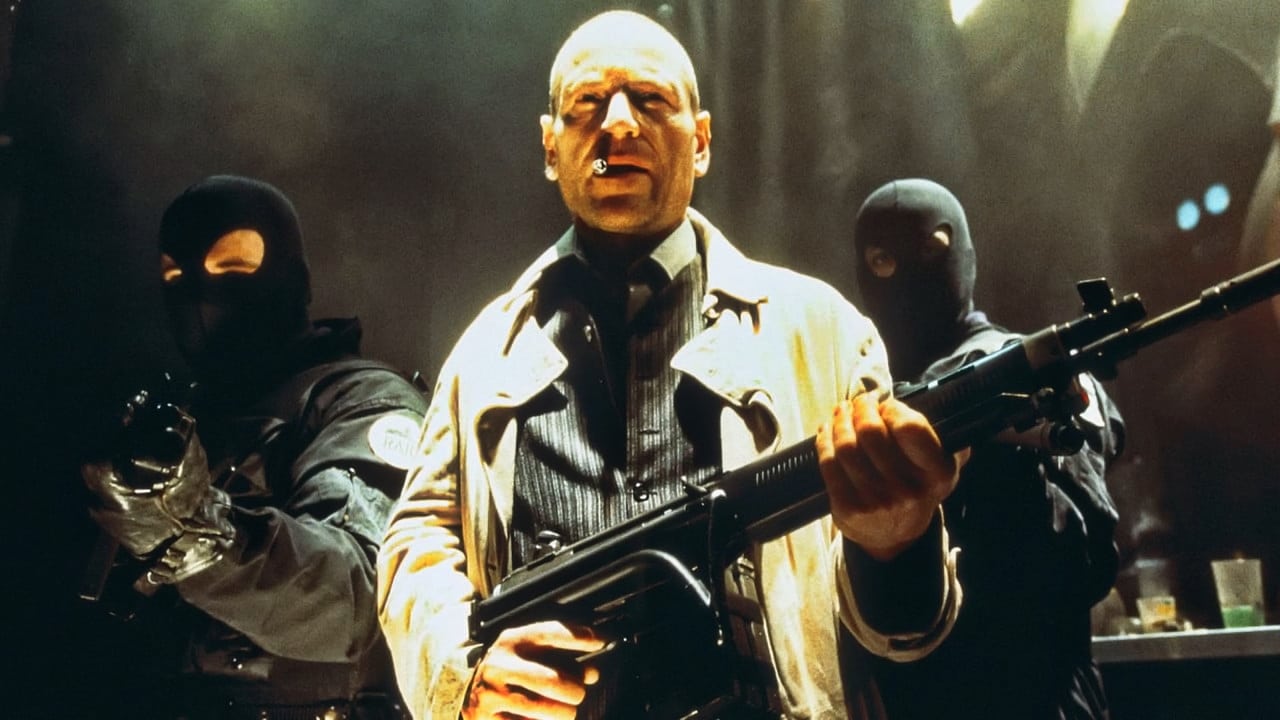
This wasn't just another cops-and-robbers movie. Oh no. This was adrenaline mainlined through a distorted fish-eye lens, a hyper-stylized, ultra-violent plunge into the Parisian underworld that felt like a comic book panel exploding to life – if that comic book was drawn by someone high on speed and existential dread. It hit the scene with the subtlety of a shotgun blast, polarizing audiences and critics alike, especially in its native France where its gleeful amorality and brutal violence sparked considerable controversy.
Meet the Crew (and the Cop from Hell)
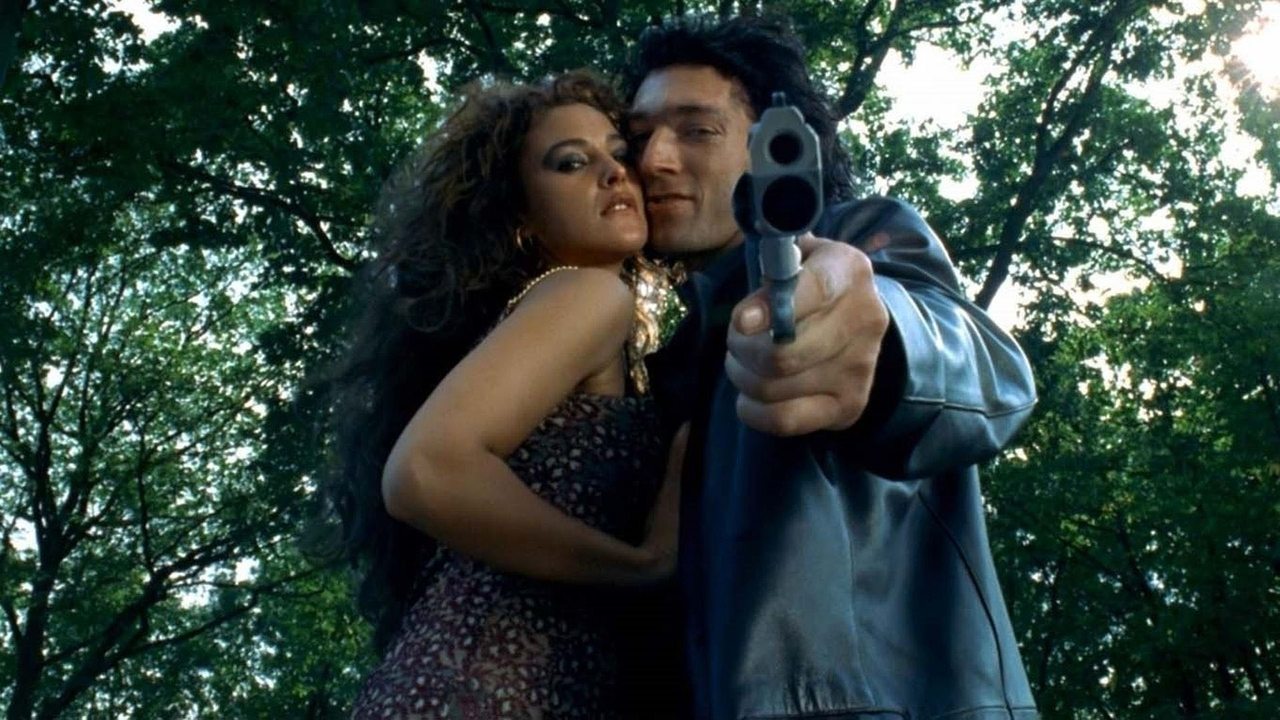
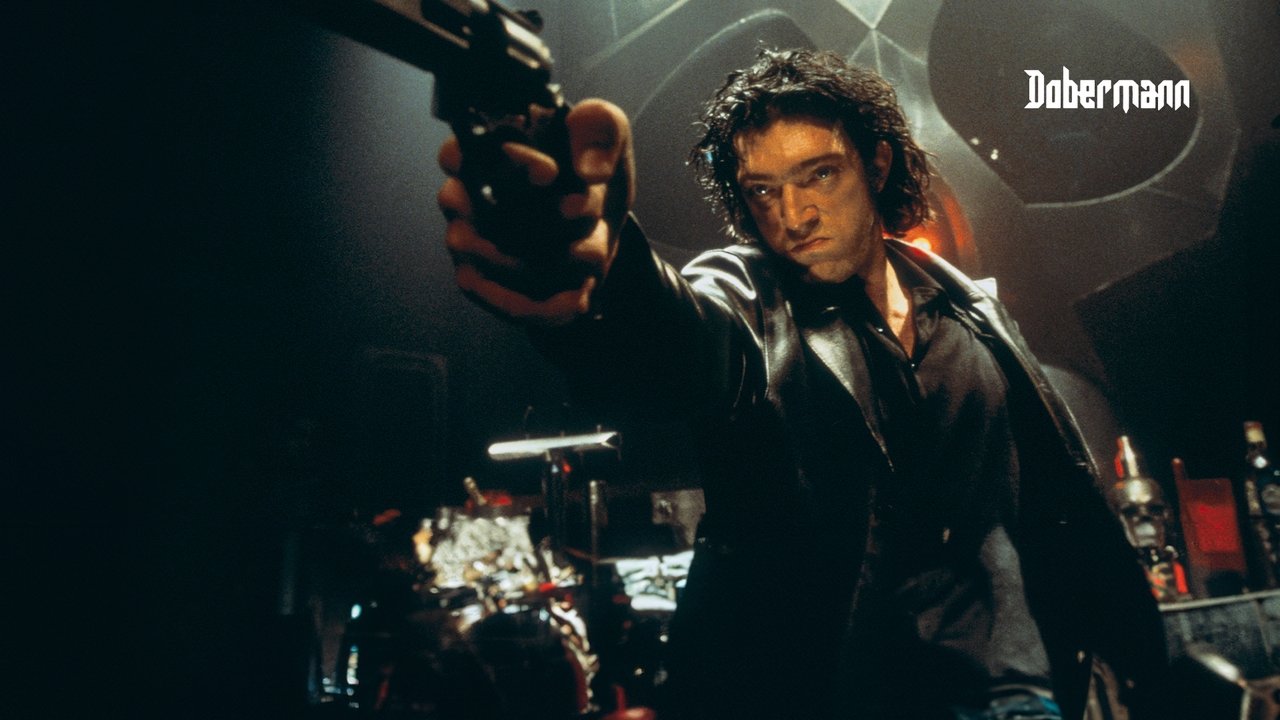
Leading the mayhem is Yann Lepentrec, aka "Dobermann," played with sneering, youthful arrogance by a pre-international stardom Vincent Cassel. Fresh off his searing performance in La Haine (1995), Cassel embodies the titular bank robber – christened with a magnum pistol in his crib, no less – as less a criminal mastermind and more a force of chaotic nature. He's got style, sure, but it's nihilistic punk rock swagger, not sophisticated cool. Surrounding him is a gang of cartoonishly grotesque misfits, including his deaf, bazooka-toting girlfriend Nat the Gypsy, played by the impossibly magnetic Monica Bellucci.
But every anti-hero needs a proper nemesis, and Dobermann delivers one for the ages in Inspector Sauveur Cristini. Tchéky Karyo, who many would know from Nikita (1990) or even as the French officer in Bad Boys (1995), is utterly terrifying here. Cristini isn't just a cop; he's a sadist, a brute operating far outside the law, obsessed with catching Dobermann through methods that make the criminals look tame. Forget Serpico; Cristini is the kind of cop who makes Dirty Harry look like a boy scout. The sheer intensity Karyo brings to the role is electrifying and deeply unsettling. It's a performance that burns itself into your memory.
Style Over Sanity, Action Over All
Director Jan Kounen, making his feature debut after a background in music videos and shorts, throws every conceivable visual trick at the screen. Dutch angles, extreme close-ups, saturated colours, rapid-fire editing – it’s a relentless sensory assault. Remember how sometimes a well-worn tape would get those weird colour bleeds or distortions? Dobermann feels like it embraced that aesthetic intentionally. It’s designed to be overwhelming, reflecting the madness of its characters and the world they inhabit. This wasn't shot for pristine digital projection; it feels perfectly suited to the slightly grungy, unpredictable nature of VHS.
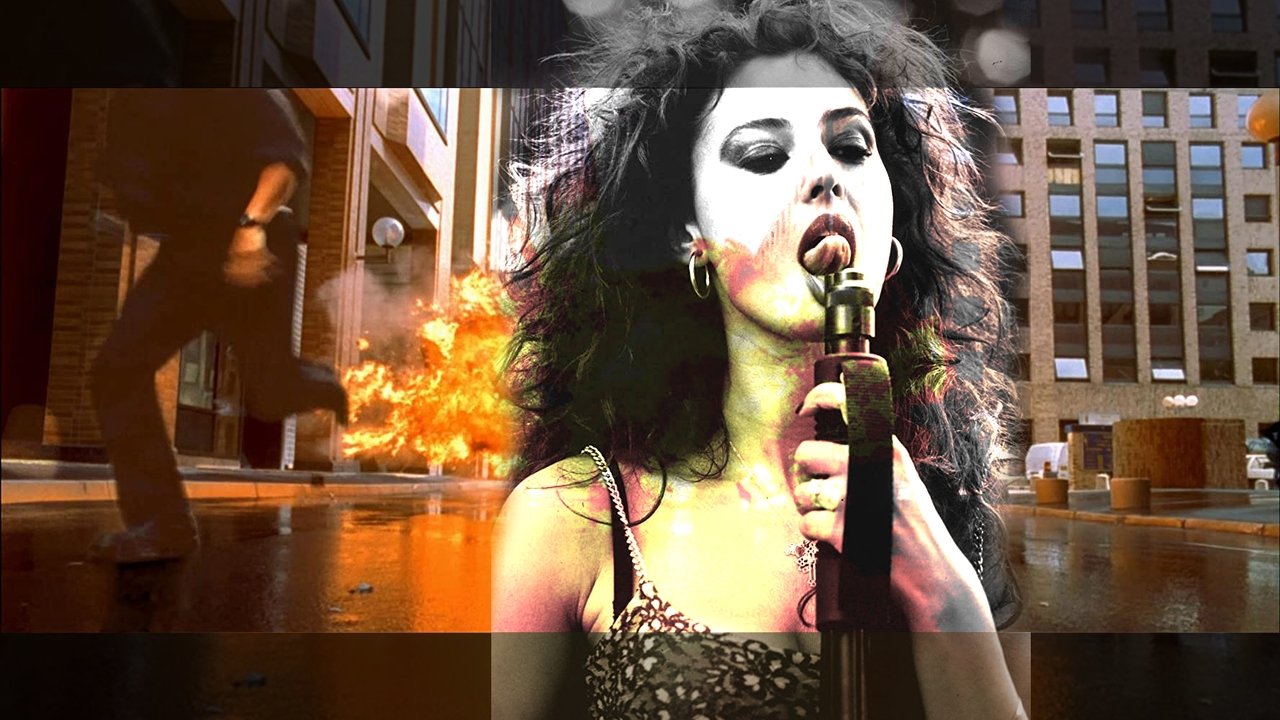
And the action? Forget slick, choreographed ballets of bullets. Dobermann’s action is messy, brutal, and feels dangerously real precisely because of its commitment to practical effects. The bank robberies are chaotic scrambles, the shootouts are deafeningly loud with squibs erupting in messy bursts of crimson. There’s a visceral weight to the violence here that often gets lost in today’s smoother, CGI-heavy sequences. When cars crash, you feel the metal twist; when guns fire, it feels less like movie magic and more like barely contained chaos. It's raw, often ugly, but undeniably impactful. Kounen wasn't afraid to get his hands dirty, and it shows in every frantic frame. The film itself was adapted from a series of pulp novels by co-writer Joël Houssin, and it retains that lurid, expendable-character energy throughout.
A Vicious Cult Classic is Born
Did Dobermann change the face of cinema? Probably not. Was it universally loved? Absolutely not. Critics often slammed it for its perceived lack of substance beneath the hyper-kinetic style and its boundary-pushing violence (Cristini’s methods, in particular, drew ire). But for a certain type of viewer – the kind digging through the ‘Action’ or ‘World Cinema’ aisles for something potent and different – it was a revelation. It developed a fierce cult following, precisely because it was so unapologetically itself. It didn’t care about being respectable; it cared about delivering a shot of pure, unadulterated cinematic mayhem. It’s a film that wears its excesses like a badge of honour. Reportedly costing around $7 million (a decent budget for a French film then, but peanuts compared to Hollywood), Kounen squeezed every franc for maximum visual impact.
Watching it now, yeah, some of the late-90s edge-lord aesthetic feels dated, and the relentless nihilism can be exhausting. But the sheer audacity of it, the commitment to its grimy vision, and those powerhouse performances from Cassel and especially Karyo remain potent. It’s a time capsule of a certain kind of extreme European genre filmmaking that rarely gets made with such gonzo conviction anymore.
Rating: 8/10
Justification: Dobermann isn't subtle, deep, or particularly nuanced, but as a piece of pure, uncut 90s Euro-trash action extremity, it's a near-perfect blast. The visceral practical effects, Kounen's audacious visual style, and unforgettable performances from Cassel and Karyo elevate it far beyond standard genre fare. It loses points for its sometimes overwhelming nihilism and plot deficiencies, but its impact as a cult object and its raw energy are undeniable.
Final Thought: Forget polished Hollywood sheen; Dobermann is the cinematic equivalent of finding a rusty, sawed-off shotgun under your bed – dangerous, thrilling, and absolutely not for everyone, but unforgettable for those who dare to pull the trigger. Pure VHS adrenaline.